The Real Jamaica: a trip around their local life beyond Caribbean beaches
Introduction to
Jamaica
When you think about Jamaica or look it up online, you mostly see those perfect Caribbean beaches—and yes, Jamaica is that too. But for me, this trip was so much more than that.
Beyond the beaches, there’s a whole side of the island you don’t really read about: the kindness and generosity of people (not everyone, of course, but many), the real rhythm of everyday life, and a completely different atmosphere from what you might expect.
The weather itself is not always that “perfect Caribbean blue sky”—it’s tropical, with clouds coming and going, short rains, and changing light. But that’s also what makes Jamaica so special: this constant cycle creates an incredibly lush, green, and alive nature. And when the weather isn’t ideal for the beach, you start discovering a different Jamaica—the inland villages, the jungle, the slower pace of life. Even at the beach, it’s not just about the crystal clear waters: it’s about the people, the music playing everywhere, bonfires at night, and that laid-back vibe where locals gather, hang out, and just live the moment.
Music is everywhere, all the time—everyone has their own speaker, their own soundtrack, playing loudly from morning to night. And interestingly, it’s not just reggae—in fact, reggae is probably the least played compared to dancehall, rap, jazz, and so much more. It’s a bit of a paradox compared to what we imagine.
Even things like weed are seen very differently here—less as a “drug” and more as something normal, part of everyday life. Jamaica is not just what you see in pictures—it’s something you really understand only once you live it.
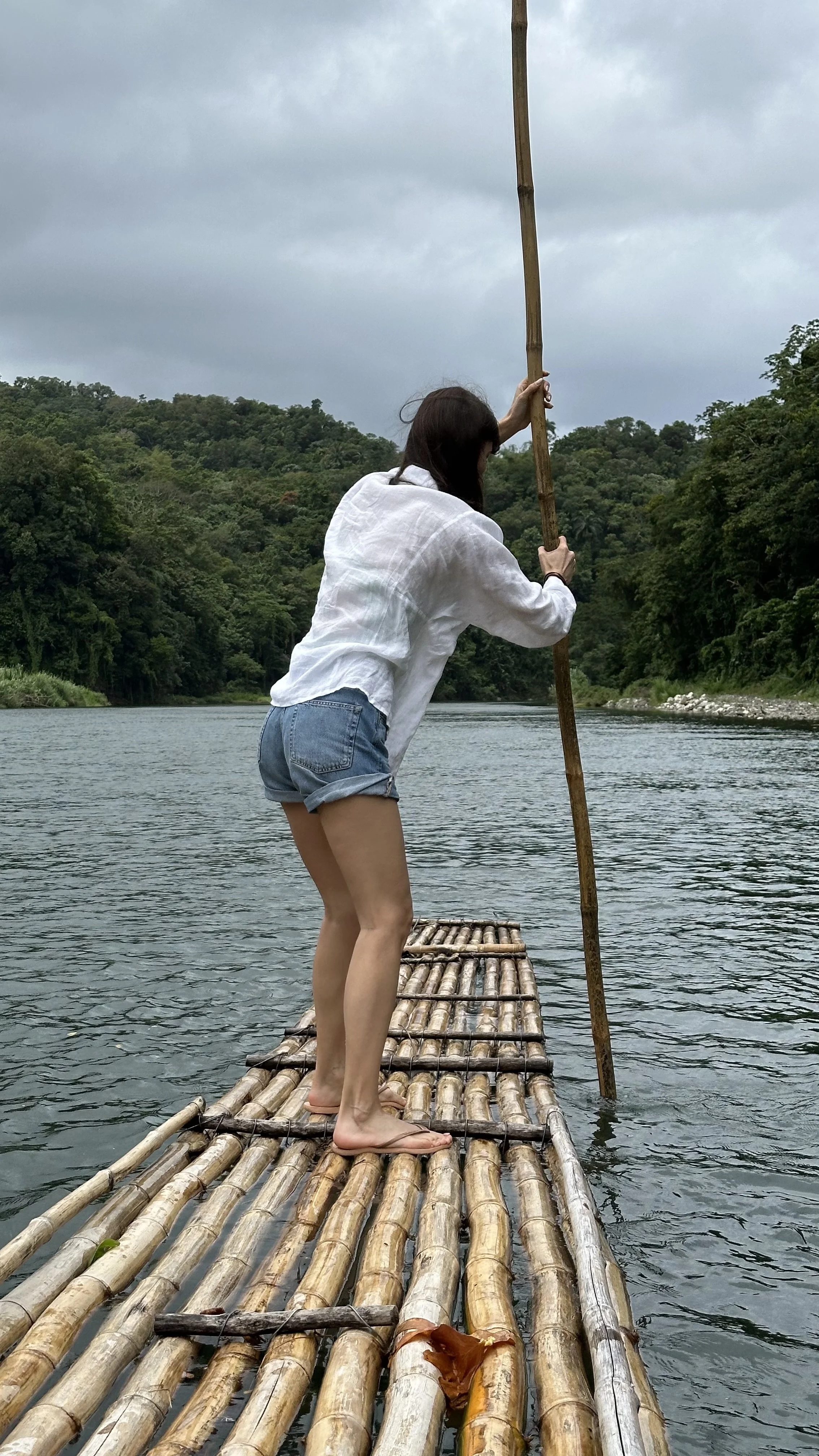
Your perfect plan for
12 days in Jamaica
To do our same tour, you will need 11full days approximately.
REMINDER: This blog allocates experiences in the way that saves the most time (spent on reaching areas) and energy! Isn’t it great? <3 ).
DAY 1
Fly to Kingston
DAY 2
Hellshire Beach & lobster
DAY 3
Track & Field (Champs)
DAY 4
Blue Mountains, Living in a Tree House
DAY 5
Blue Mountains Coffee & Portland
DAY 6
Port Antonio, Portland
DAY 7
Winnifred Beach, Portland
DAY 8
Montego Bay
DAY 9
Papaya Beach
DAY 10
Half Moon Beach
DAY 11
Cockpit Country
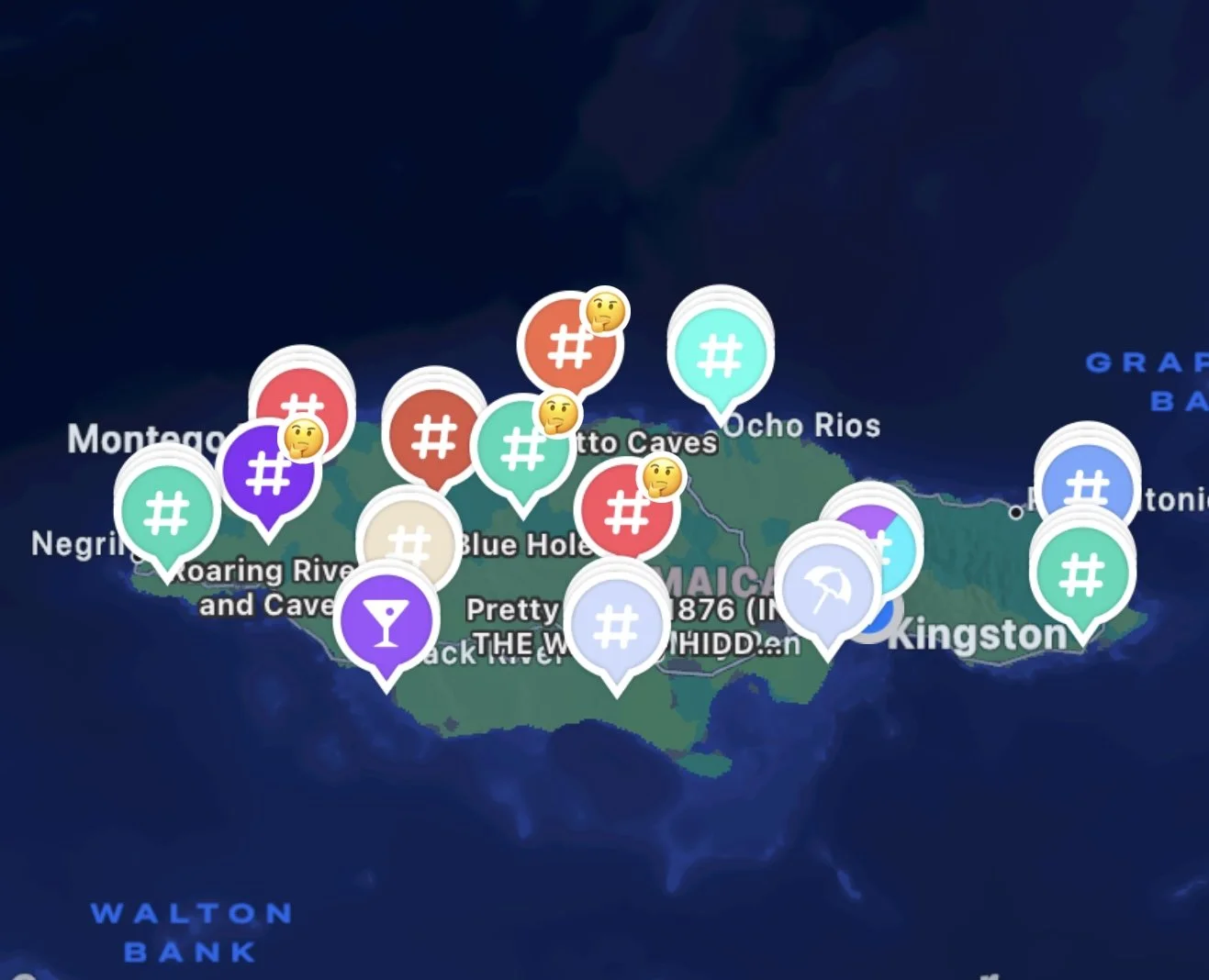
If you wish to find my map pins and easily follow them, follow me on mapstr!
IMPORTANT:
All you need to know
before travelling to Jamaica
-
Jerk (chicken or any meat) — jerk is not a type of meat but a traditional marinade and cooking style, made with spices and peppers, then slow-cooked over wood for that smoky, intense flavor.
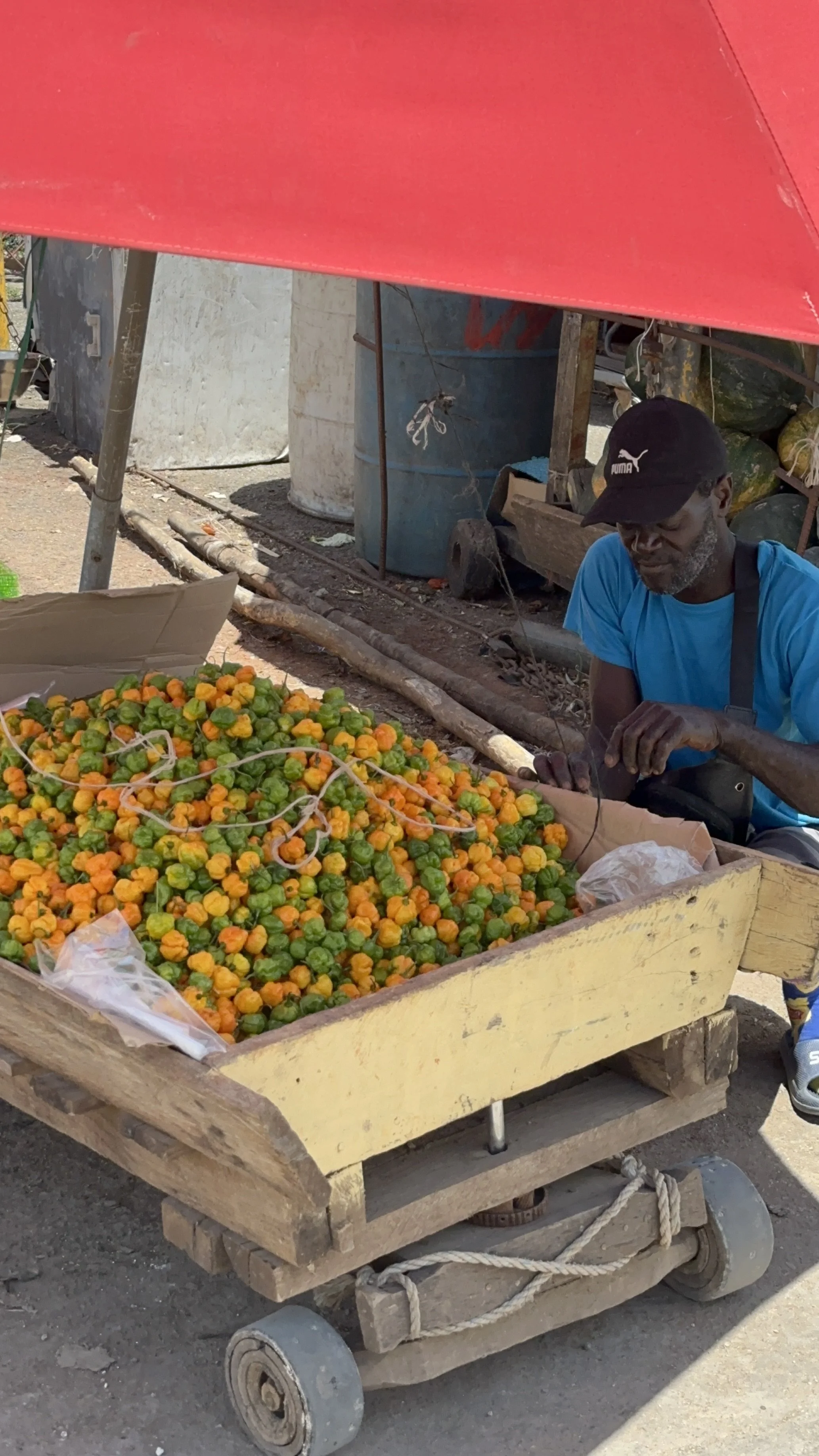
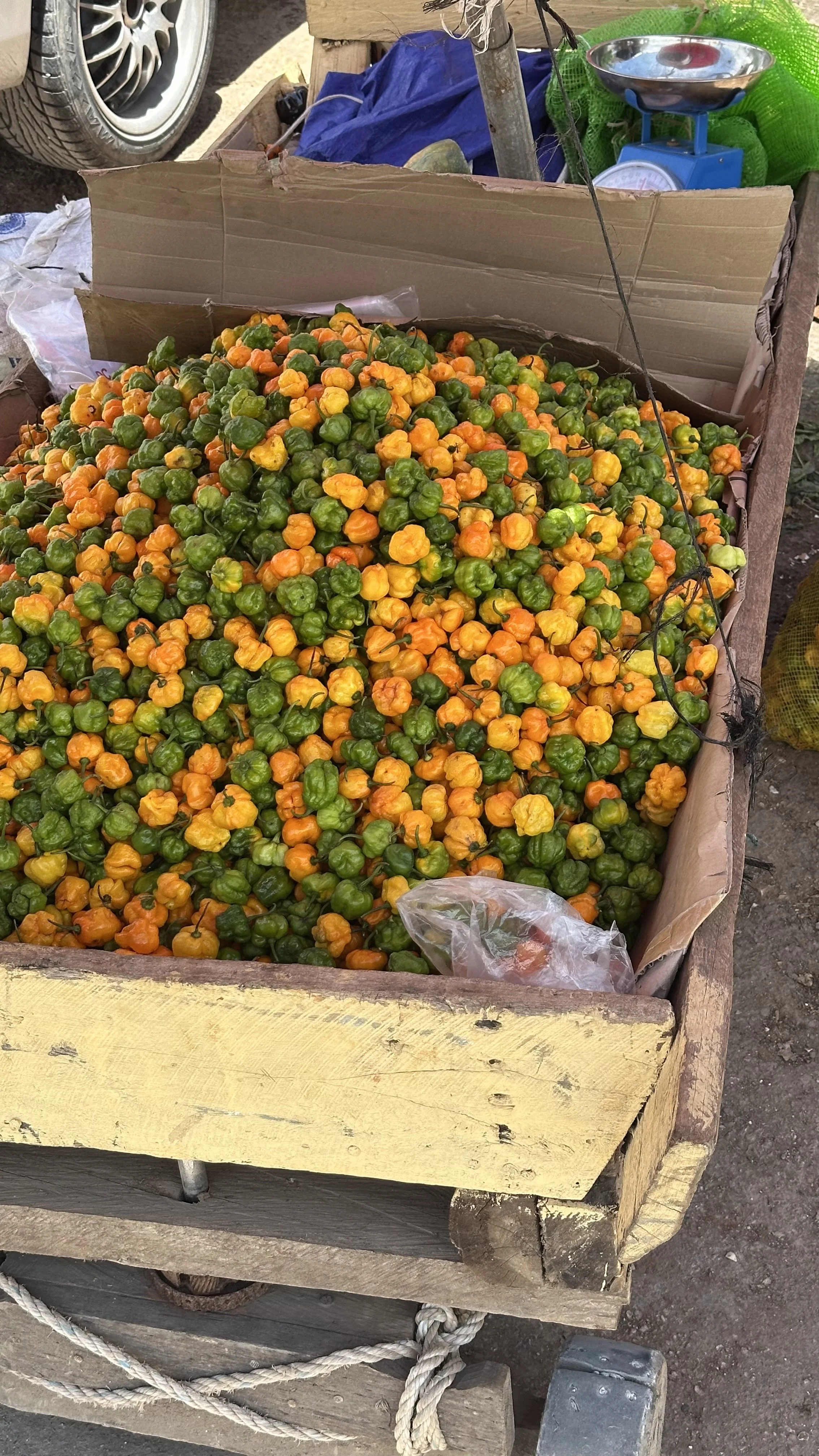
Jerk pepper — a spicy sauce served on the side, kind of like their version of ketchup or mayo, made with jerk spices and local chili peppers called Scotch bonnet—small but very powerful, they look like mini bell peppers.
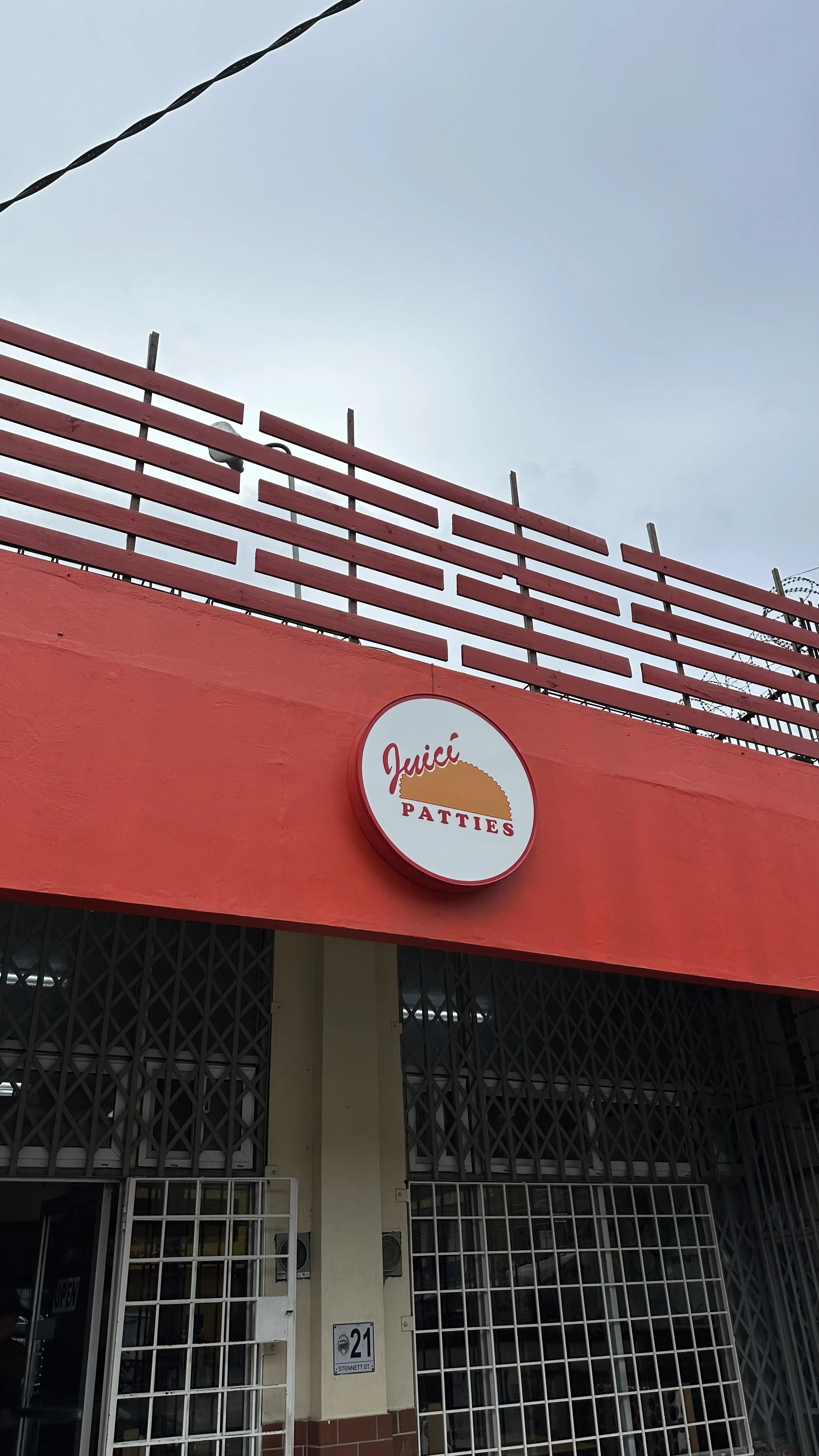
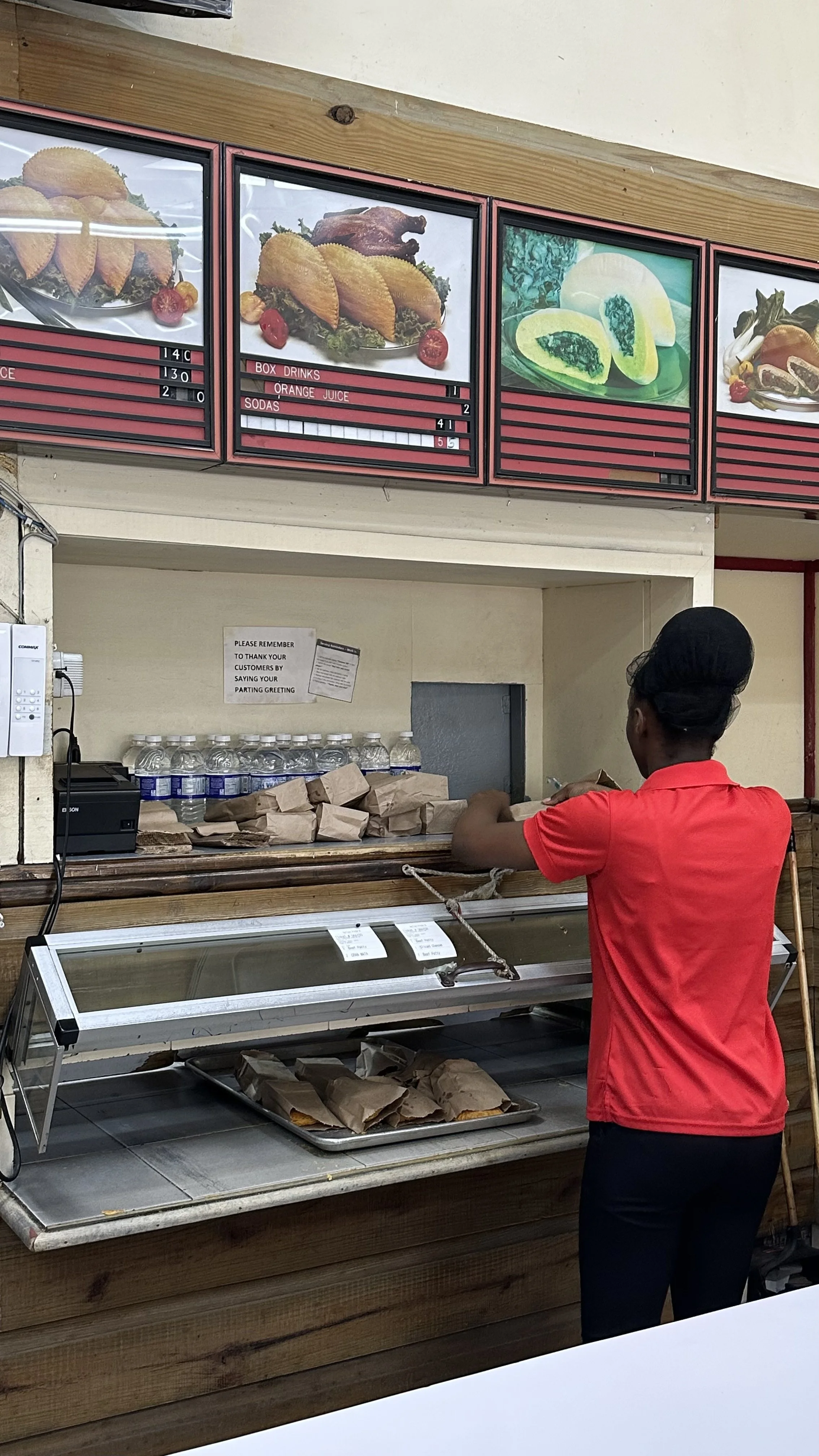
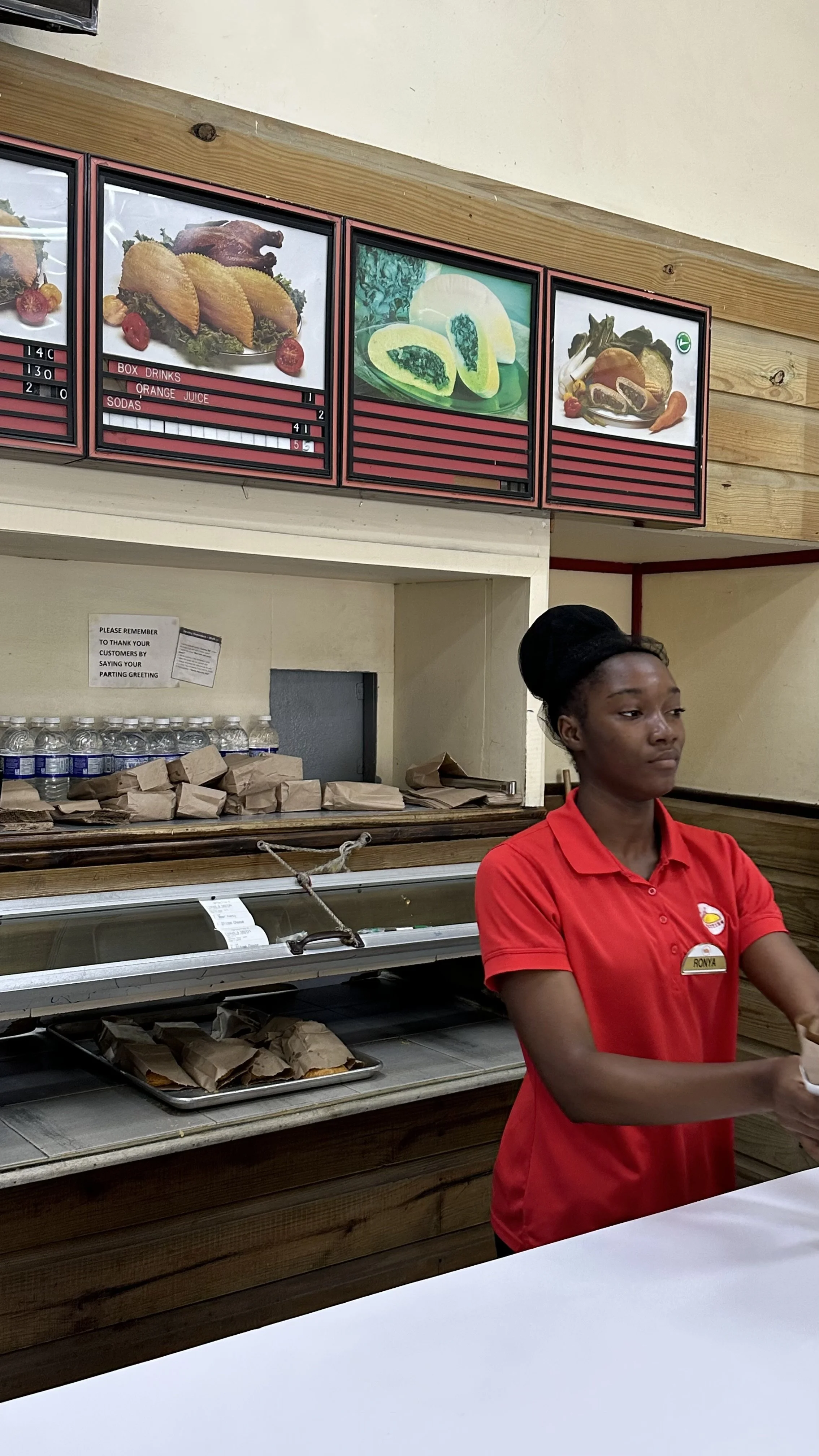
Patties (chicken, beef) — flaky golden pastries filled with juicy meat; the go-to spot for locals is Juici Patties, a fast-food chain you’ll find all over the island.
KFC (especially in Portland) — this is the international fast food that dominates the island, much more than McDonald’s or Burger King. It’s everywhere, and it’s where locals actually go, since fried chicken and meat fit much more with their food culture than burgers.
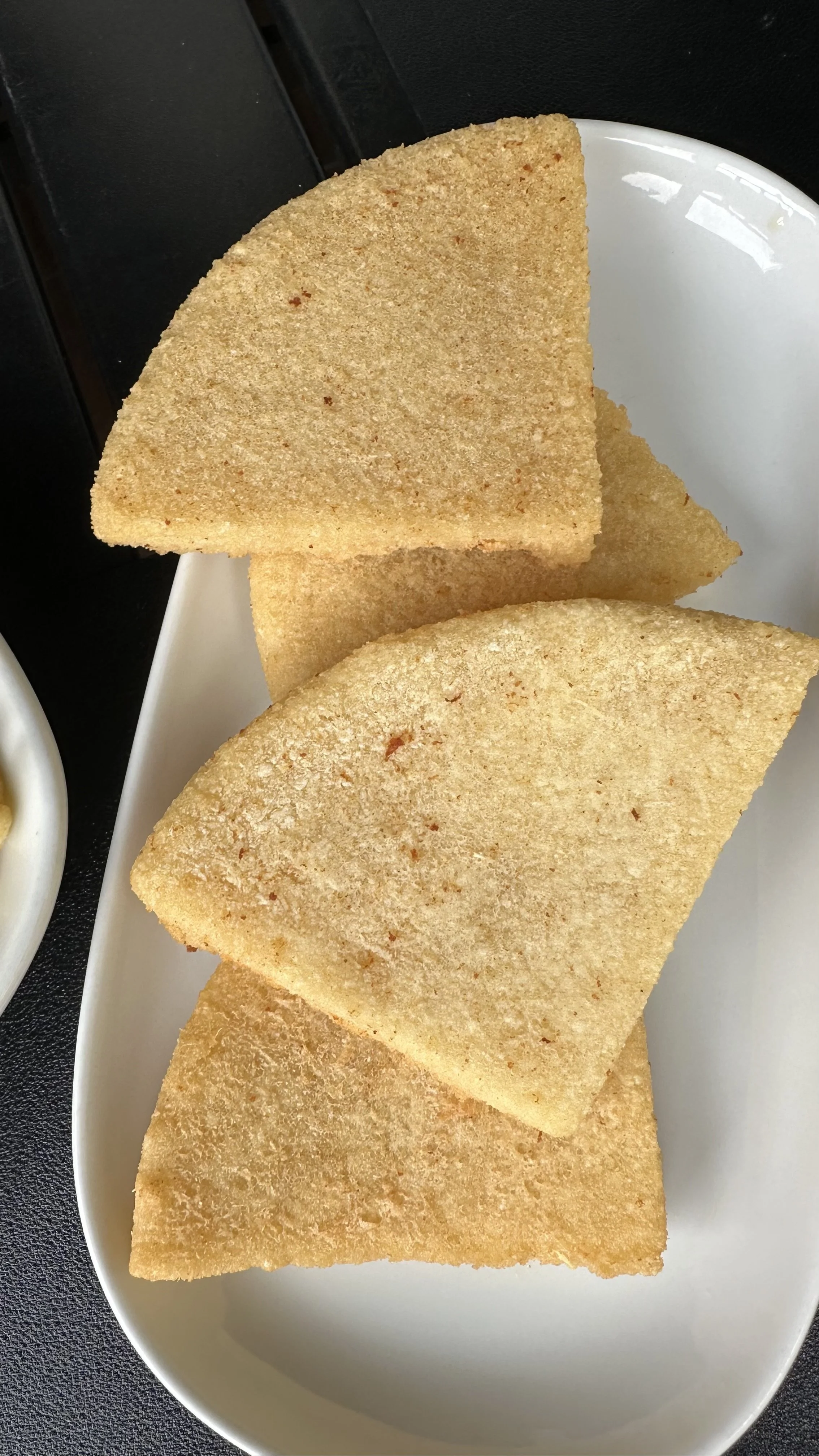
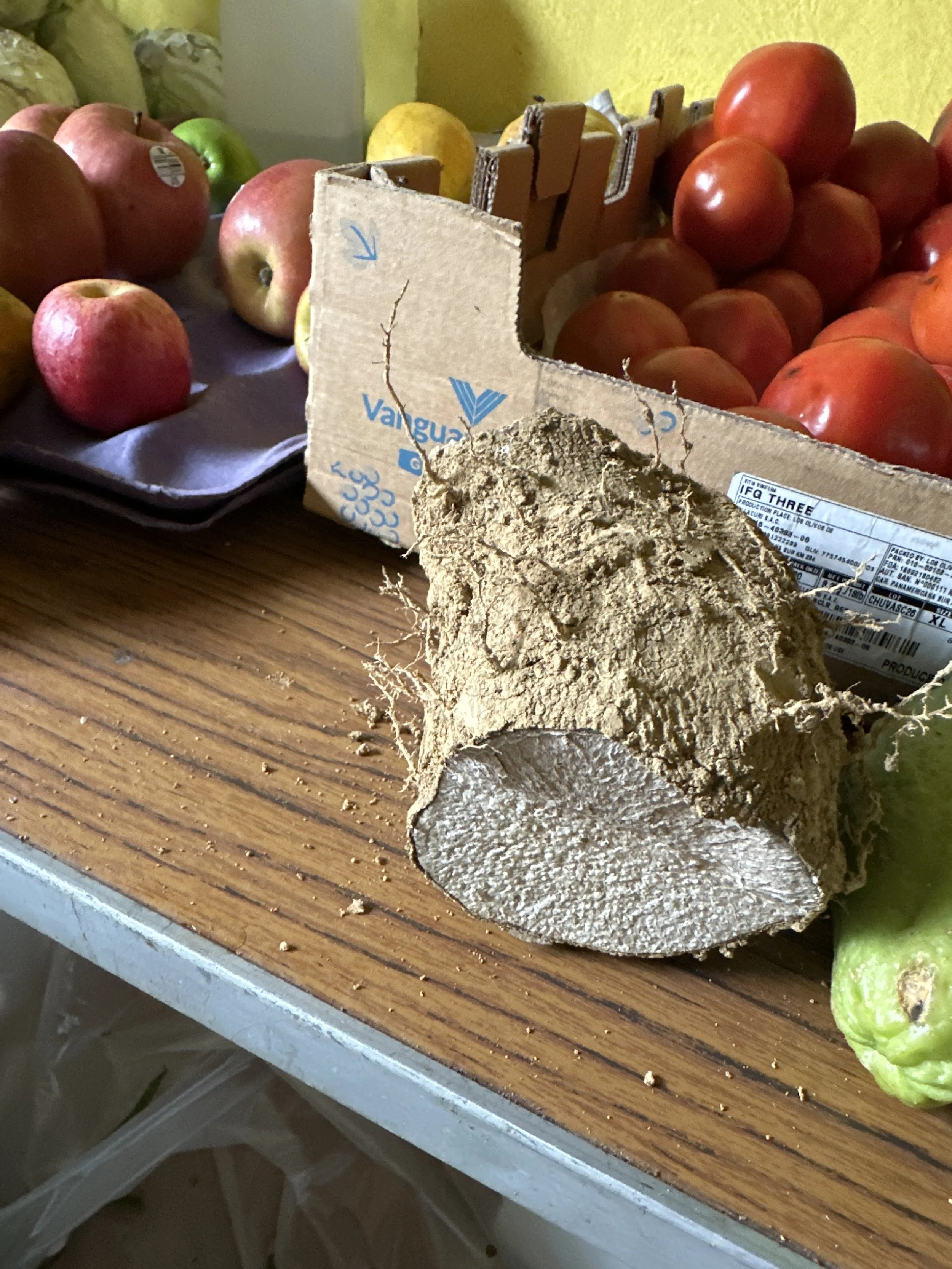
Bammy — made from cassava (a root vegetable), it’s a thick flatbread usually sliced into discs and fried, with a slightly chewy texture, often served with fish.
Festival — a fried dough that’s slightly sweet and salty; it’s usually eaten with savory dishes, using the sauce and juices from fish or meat, often with sautéed onions, carrots, and spices.
Breadfruit — a local staple, roasted or fried, with a texture somewhere between potato and bread.
Rice and peas — one of the most common sides: white rice cooked together with beans (usually kidney beans), often with coconut milk and herbs like thyme. In many places it’s quite plain, but the best one we had was at Port Pit in Montego Bay—super flavorful.
Corn — often served as a side dish, you’ll find small pieces of corn to eat with your meal, sometimes sautéed in butter; it’s also very common in places like KFC menus.
Lobster — one of the most common catches here, which is why it’s surprisingly cheap (around €15/kg), way less than in Europe where it can go up to €60/kg; it’s always cooked with their flavorful mix of sautéed vegetables and spices, which gives it an incredible taste.
Drumstick ice cream — a nostalgic classic you’ll find everywhere, perfect after a hot beach day.
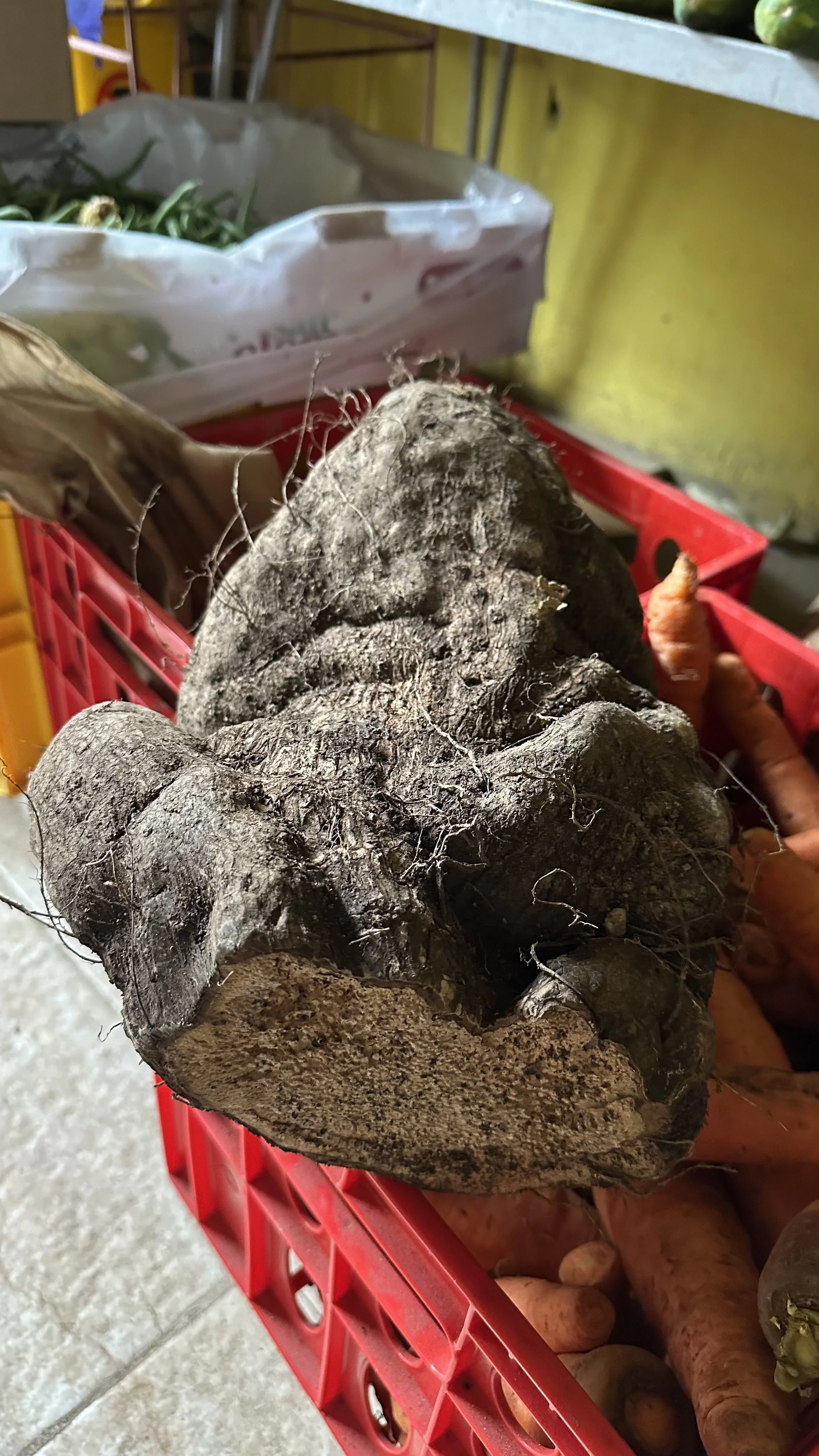
Yam & dasheen — root vegetables that are part of everyday Jamaican cooking, simple but essential.
Yam — a root vegetable similar to potato, but with different textures depending on the type: some are softer, others more dense and firm; it’s usually boiled and eaten as a side dish, just like potatoes.
Callaloo — a leafy green vegetable (similar to spinach), often sautéed or cooked with onions and spices, very common in everyday meals.
To Drink
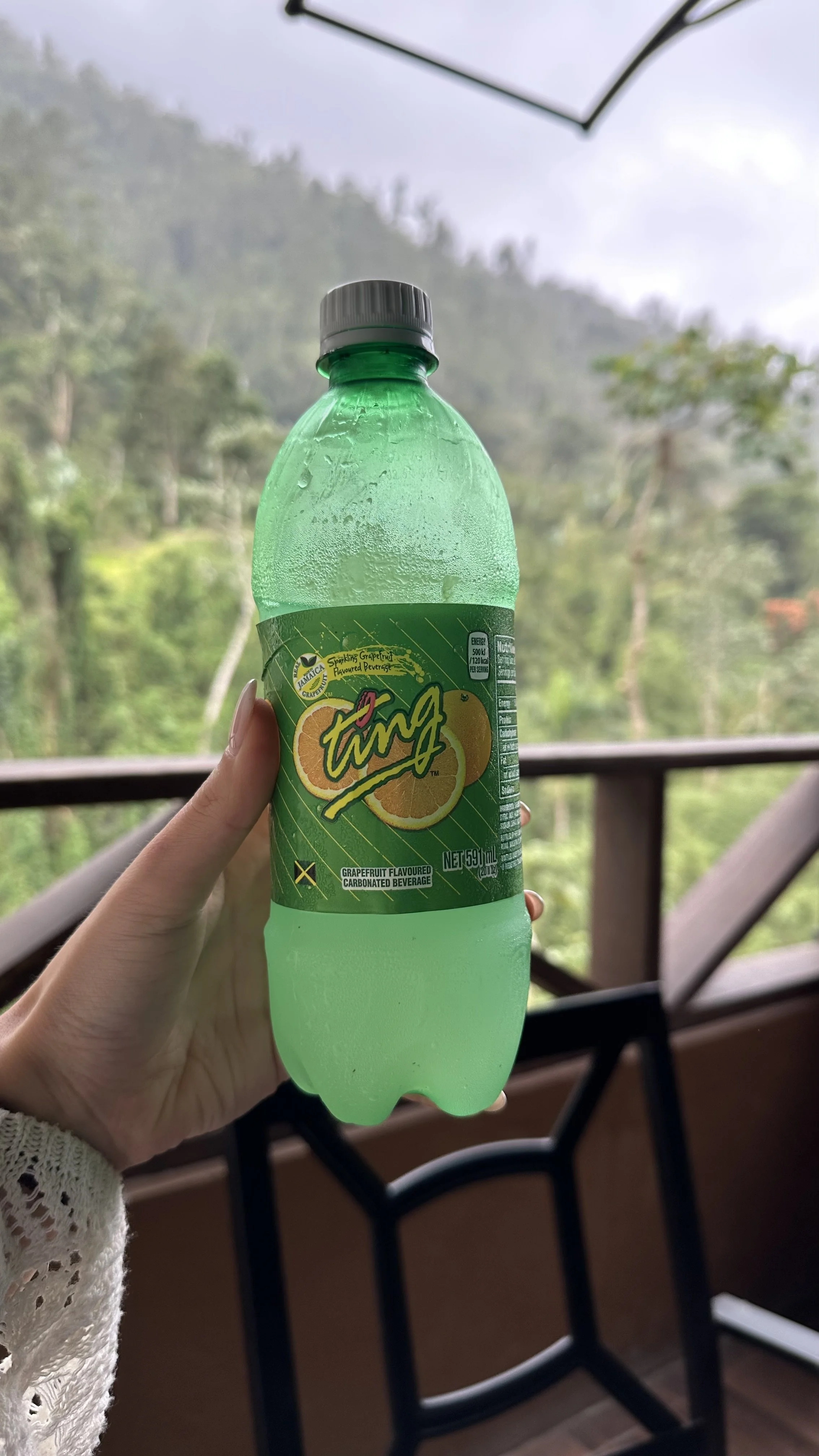
Ting — a super refreshing grapefruit soda, perfect in the heat.
Pepsi over Coca-Cola — Pepsi is way more common here, you’ll see it everywhere.
Magnum tonic wine — a very sweet wine, almost like cough syrup but in a good way, with a cherry-like aftertaste that makes it easy to drink and hides how strong it actually is.
Blue Mountain coffee — one of the most famous coffees in the world; we tried it directly in the Blue Mountains from local producers, and it was about half the price compared to buying it in the city—plus, the taste is completely different when you drink it right where it’s grown.
Beers — the most popular ones are Dragon Stout (dark, strong, quite heavy) and Red Stripe (light, refreshing, the classic Jamaican beer).
Rum — the main liquor on the island, used everywhere, from cocktails to straight drinks, and a big part of Jamaican culture.
-
Clothes: Read my article on what to pack for Jamaica here. (Hoodie included!)
Umbrella
Sun cream
Plug adaptor
Cutlery to eat fruits along the way
Sunglasses
-
Locals use certain words all the time: respect, bless, love, no problem—everything reflects a very chill, respectful way of living.
You’ll also hear “bomboclaat” (or bumboclaat), a strong Jamaican slang word originally considered offensive, but now often used casually to express surprise, frustration, or emphasis.
The general vibe of the language reflects their lifestyle: calm, respectful, and easy-going.
The tropical climate shapes daily life: mornings are usually clearer, while afternoons often bring clouds and short rain showers.
Days start early and end early—sunset is around 7pm, so locals wake up early, eat early, and organize their day around that rhythm.
Hot water is not always guaranteed: even if a place says it has it, it’s often just lukewarm.
Contactless payments are not widely used—always carry your physical card (and some cash).
Greeting style is very specific: instead of a handshake, they often do a hand grip + thumb snap movement.
Music is everywhere—from early morning until late night, nonstop.
Surprisingly, reggae is not the most played music anymore—dancehall, hip-hop, and rap are much more common today.
Everything moves slowly: at restaurants, waiting even 1 hour for food is normal—just accept it and go with the flow.
The official language is English, but most people speak Jamaican Patois, a local dialect mixing English with African influences.
Patois can sound hard to understand at first, but once you get used to how vowels are pronounced, it becomes easier.
Watching movies like Cool Runnings and Sprinter can actually help you get used to the accent.
Driving is on the left side of the road (British influence), so be careful at the beginning.
Many beaches are now private or paid; even public ones often charge for parking—but you can usually park for free just before the entrance.
Car plates have different colors:
Red plates → taxis (very common)
White plates → private vehicles
Green plates → government vehicles
Weather varies a lot across the island: the east (like Portland) is greener and rainier, while the west is drier.
Sundays are very important culturally—many places close, so don’t plan too much for that day.
Honking is not aggressive like in Europe—it’s used to say thank you, give way, greet, or signal presence.
Cities (especially Kingston) can feel noisy because of this, but you get used to it quickly.
🌿 About Cannabis (important to know)
Cannabis is culturally very normalized in Jamaica, but it’s not fully “free” legally.
It is decriminalized in small amounts (up to 2 ounces).
You can grow up to 5 plants per household.
Smoking is not allowed in public places, especially near schools, government buildings, or places like stadiums.
Some private places (like certain cafés or accommodations) allow it.
It’s part of the culture (especially linked to Rastafarianism), but there are still legal boundaries to respect.
LET’S GO…
JAMAICA
Jamaica is the peak of an underwater mountain.
First thing to know, which you should think about all the time whilst being in Jamaica, is that the island is actually the top of a massive underwater mountain. So when you’re there, all those mountains, valleys, and dramatic landscapes are just a small visible part of something much bigger beneath the ocean. It’s one of those things you don’t think about at first, but once you do, it changes the way you look at the island—it makes it feel even more wild and impressive.
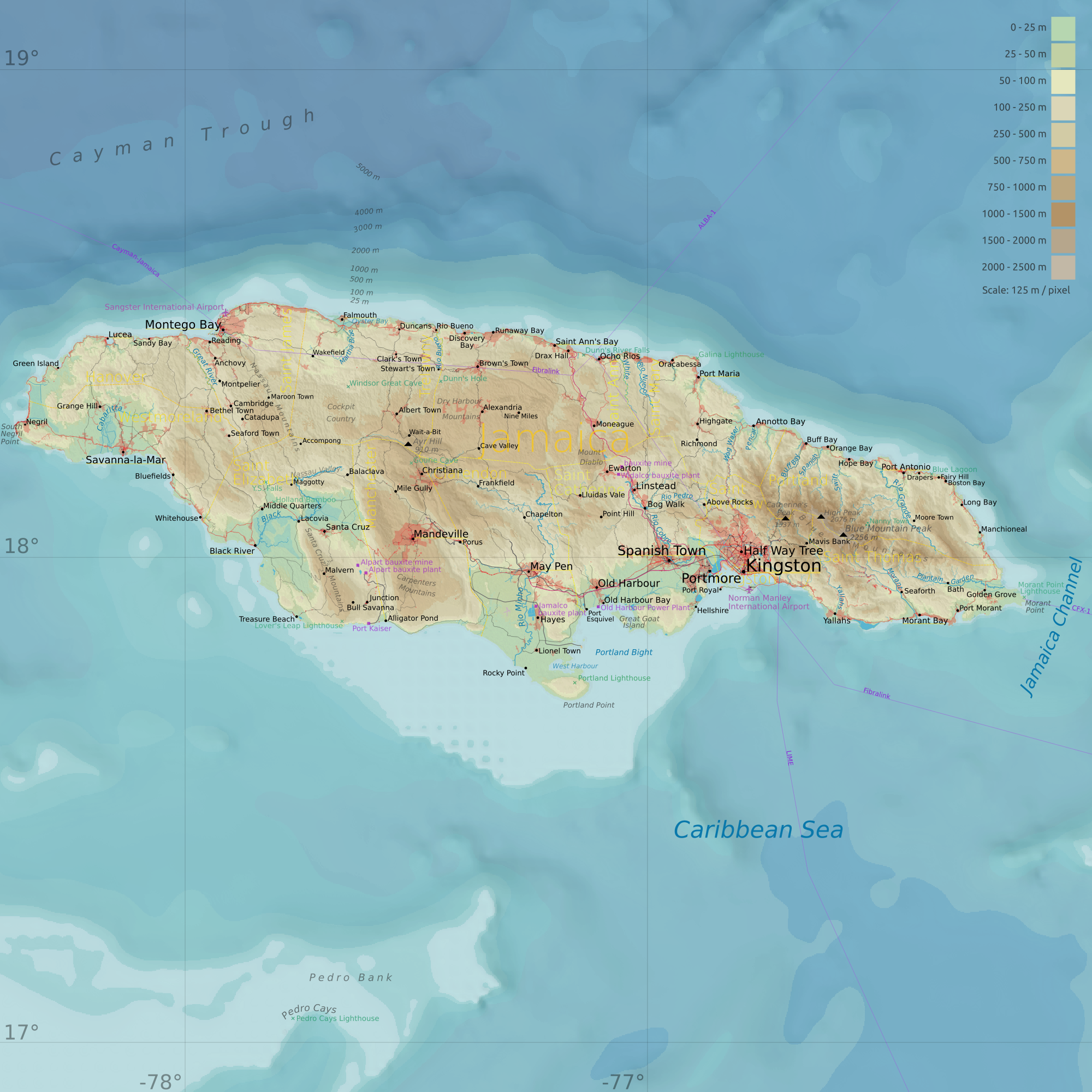
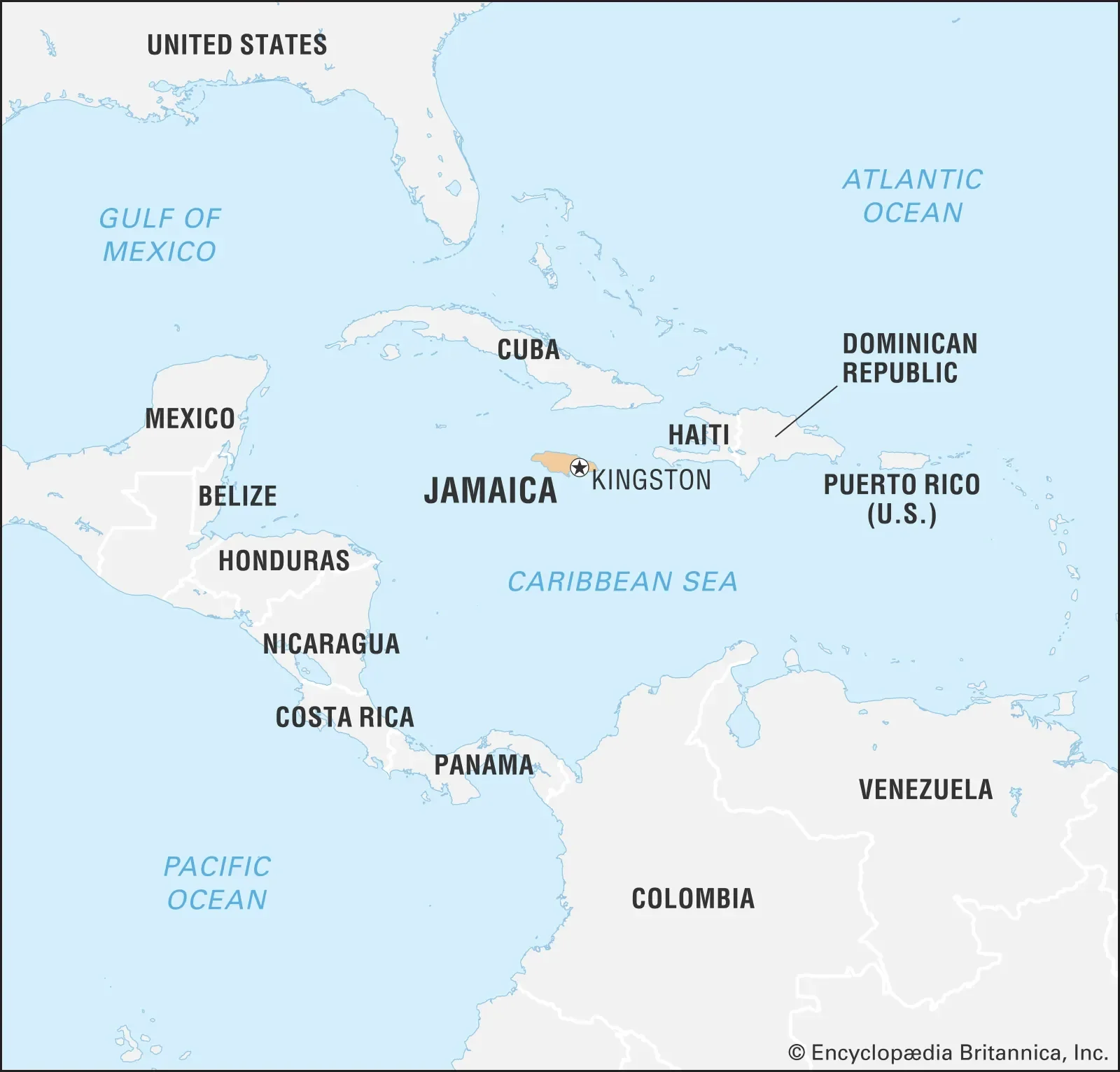
Jamaica as part of the Caribbean islands
Jamaica is one of the islands in the Caribbean, but it’s very different from the typical image people have in mind. It’s part of the Greater Antilles, meaning it’s one of the bigger islands in the region, and it’s not just about beaches—it’s full of mountains, rivers, and jungle landscapes. What’s interesting is that the Caribbean here feels less “perfect postcard” and more real and tropical, with changing weather, lush nature, and a much stronger local identity. It’s also one of the most culturally influential islands in the Caribbean, especially for music, food, and lifestyle, which makes it a place that goes far beyond just being a beach destination.
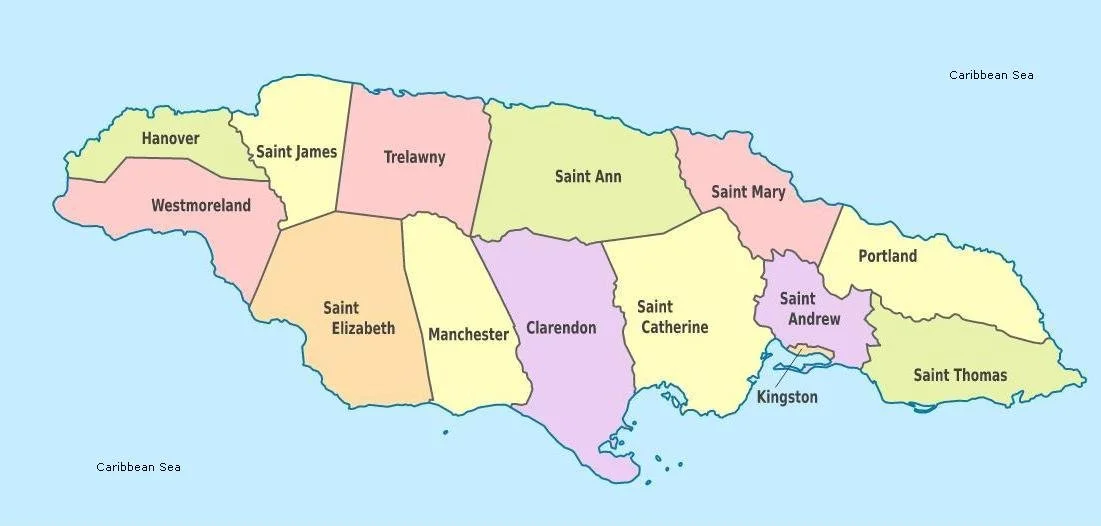
Learn about Jamaica’s Parishes (regions)
Jamaica is divided into parishes, which are basically like regions. Each one has its own vibe, landscapes, and identity.
My favorite ones were definitely Portland, which for me is the most beautiful and authentic part of the island, and then St. Andrew, where the Blue Mountains are. Those two areas really stood out the most and are the ones I’d recommend focusing on if you’re planning a trip.
Day 1
Fly to Kingston
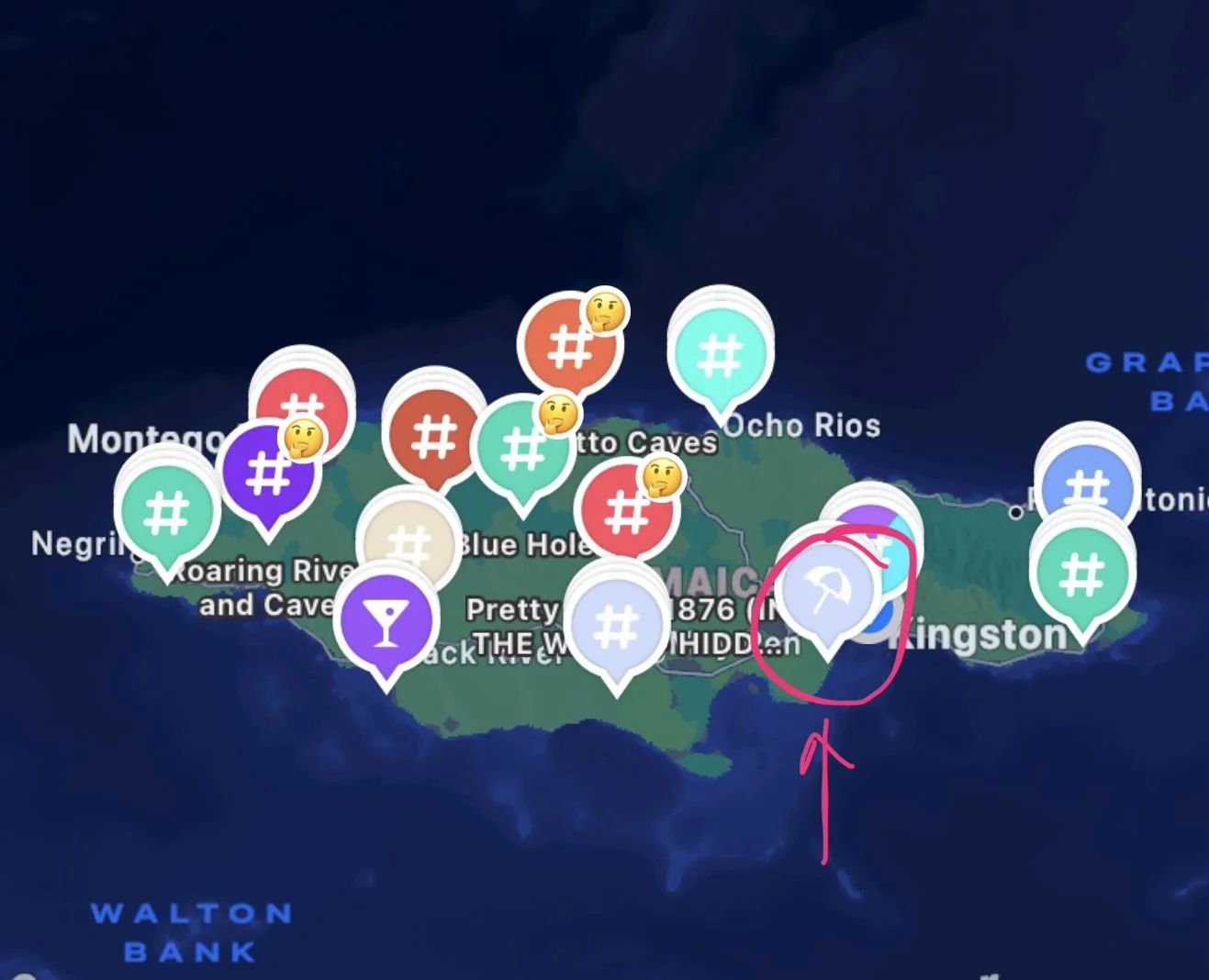
If you wish to find my map pins and easily follow them, follow me on mapstr!
Sleep in Hope Road in Kingston
The best area to rent your apartment in Kingston is on or around Hope road because it’s the safest and also the most connected to the various things to do in this city.
You can rent any house you like here, nothing special.
Rent a car with Streamline Auto
Yes a car is needed! Taxis only work in the main cities and if you want to travel around, it’s gonna be hard, especially for this kind of trip I’ll talk about here!
This is a very local car rental agency, suggested to us by locals. They are very nice,they are supportive in case of issues and especially they are very cheap! Around 30€ per day for the small basic car.
NO, AN INTERNATIONALD DRIVING LICENSE IS NOT REQUIRED. The police stopped us, checked our Italian driving license and just said “have a great trip”!
Here is their WhatsApp number to rent.
+1 8763730071
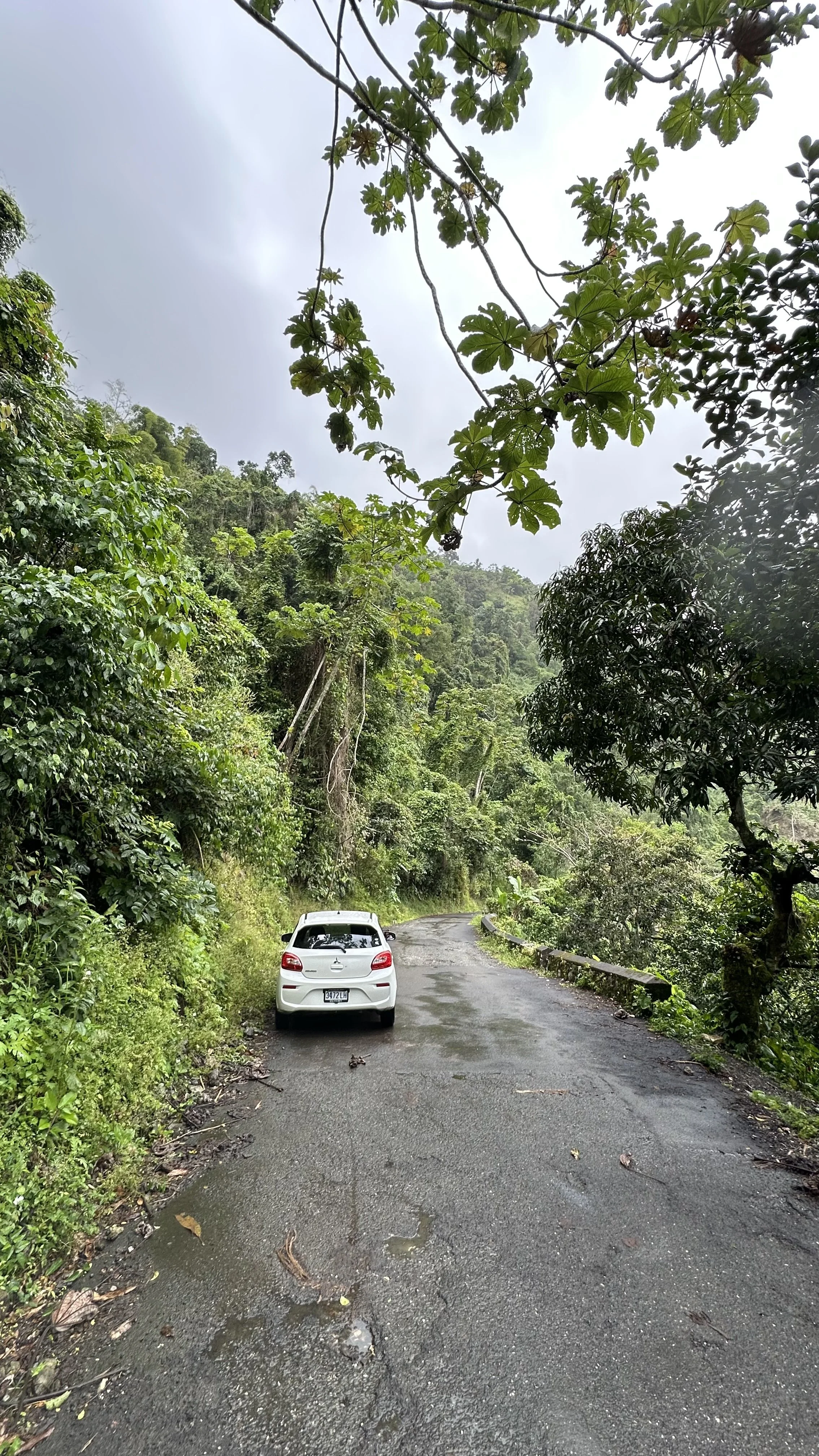
Driving in Jamaica can be quite challenging—most roads (except the highways) are in very rough condition, full of deep potholes caused by heavy rain and collapsed sections, so you really need to stay focused and avoid them carefully or you risk damaging the car. There are also many stray dogs on the road, sometimes running alongside or unexpectedly crossing, so extra attention is needed. I personally always rent small, slightly beaten-up cars because I enjoy it and it adds a bit of adventure, but honestly, if you can, it’s better to go for a bigger, more solid car to feel safer and handle the roads more easily.
Get a simcard
I always use an e-sim called Nomad, I buy it in advance before my trip with their app, activate it and it just works when I get there, so easy,
But if you rather want to buy a local SIM card, then the one to go is DigiCel, you find it everywhere in Jamaica.
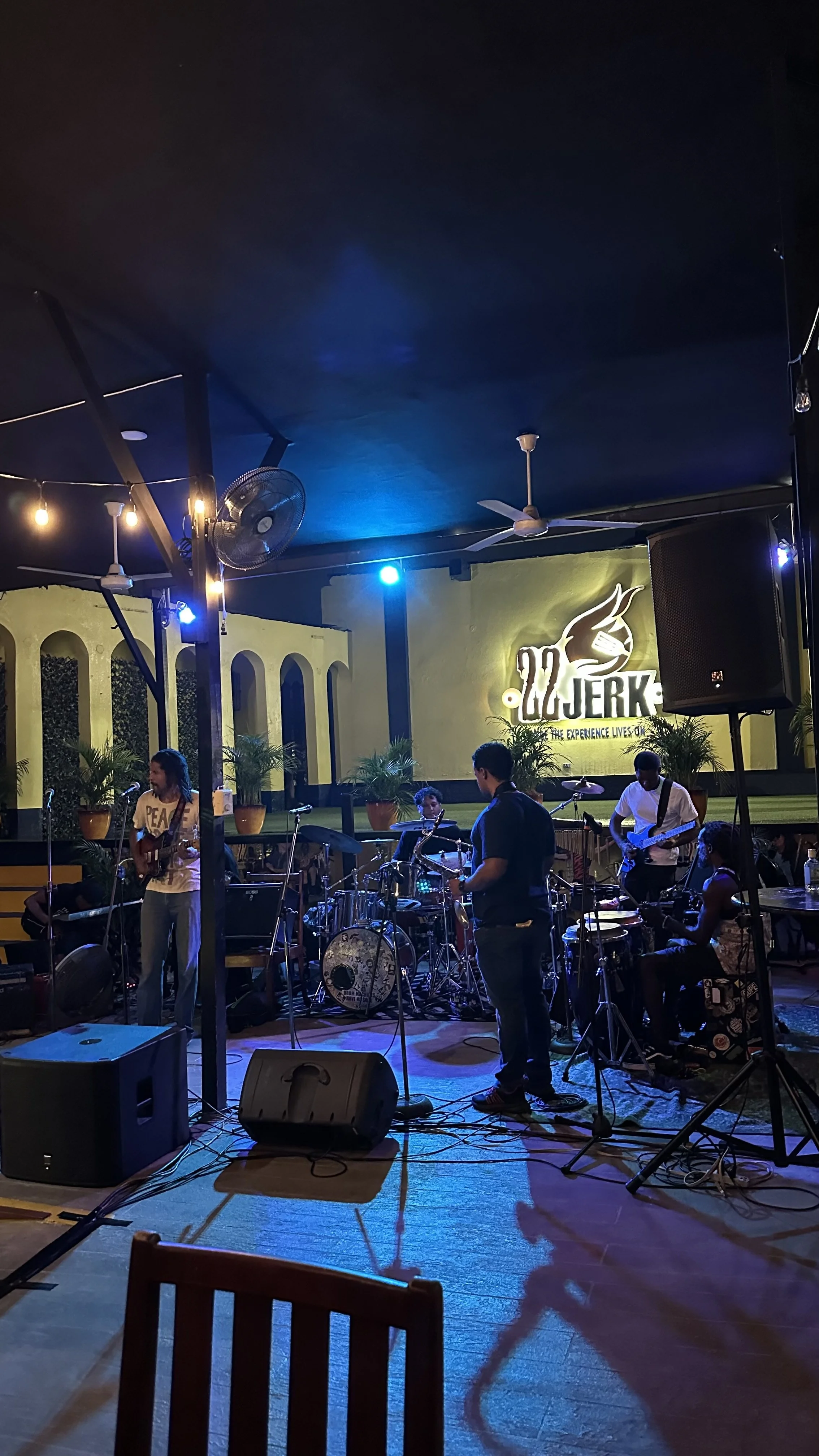
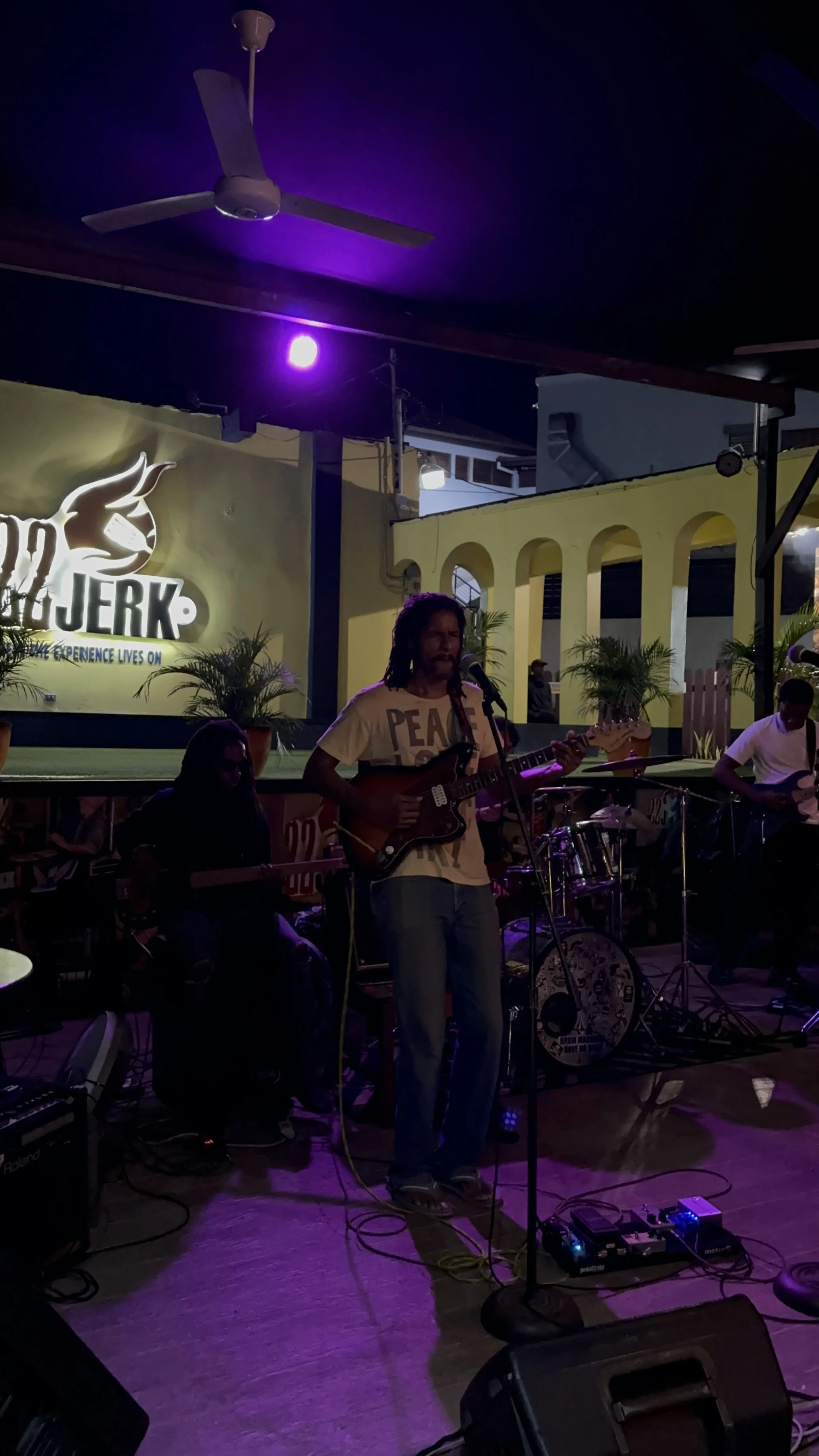
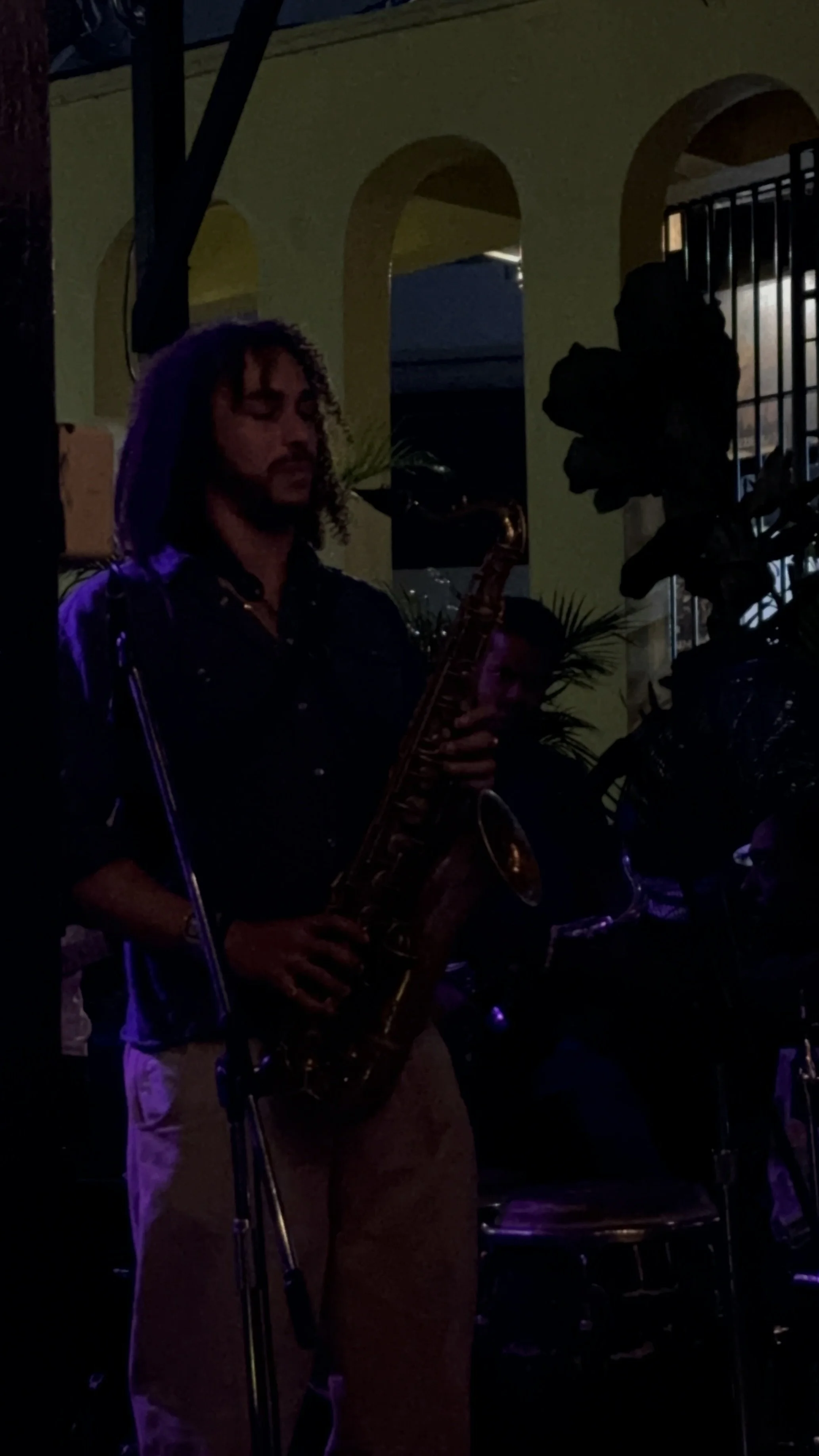
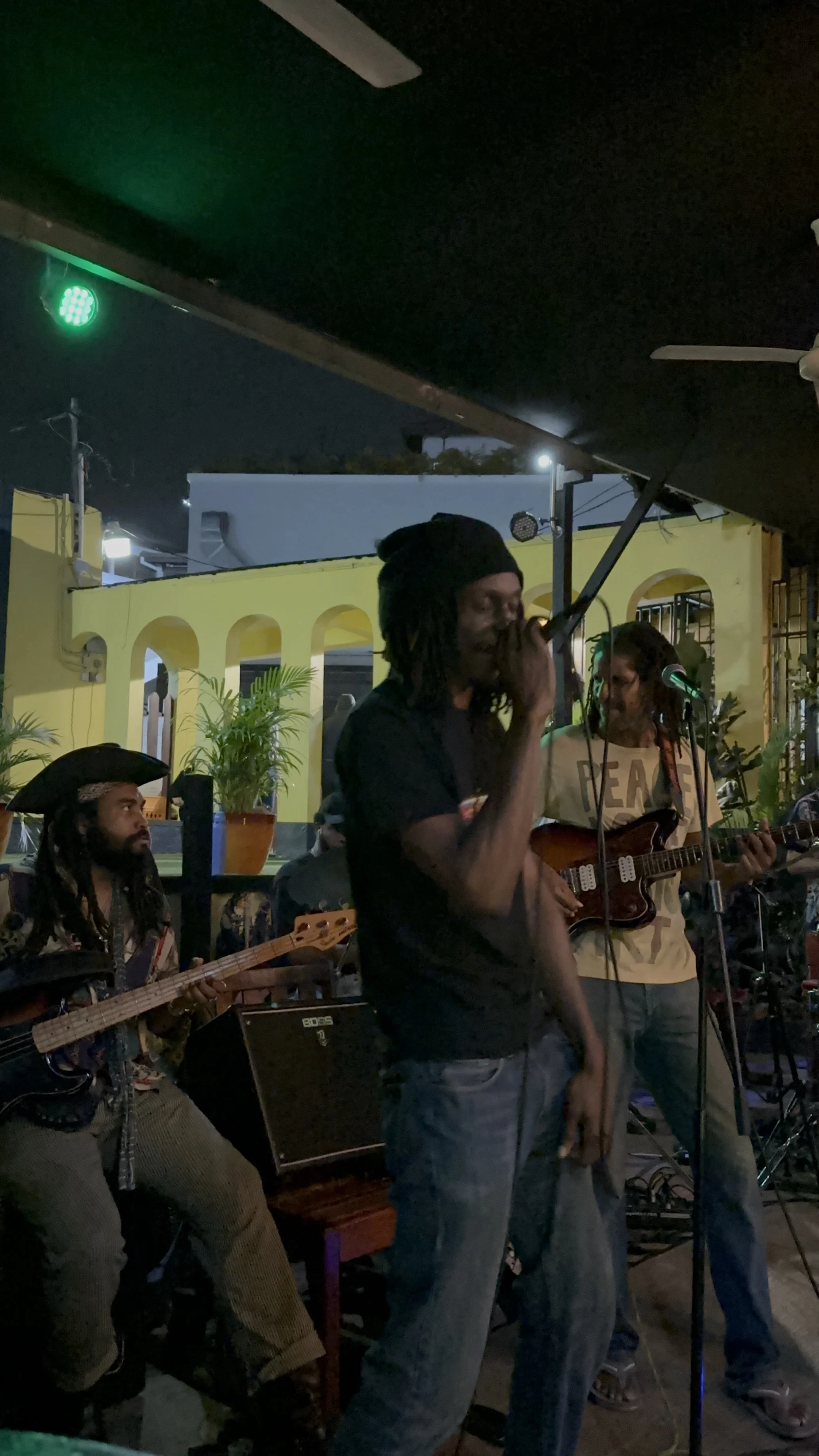
Have dinner with Jamaican jazz
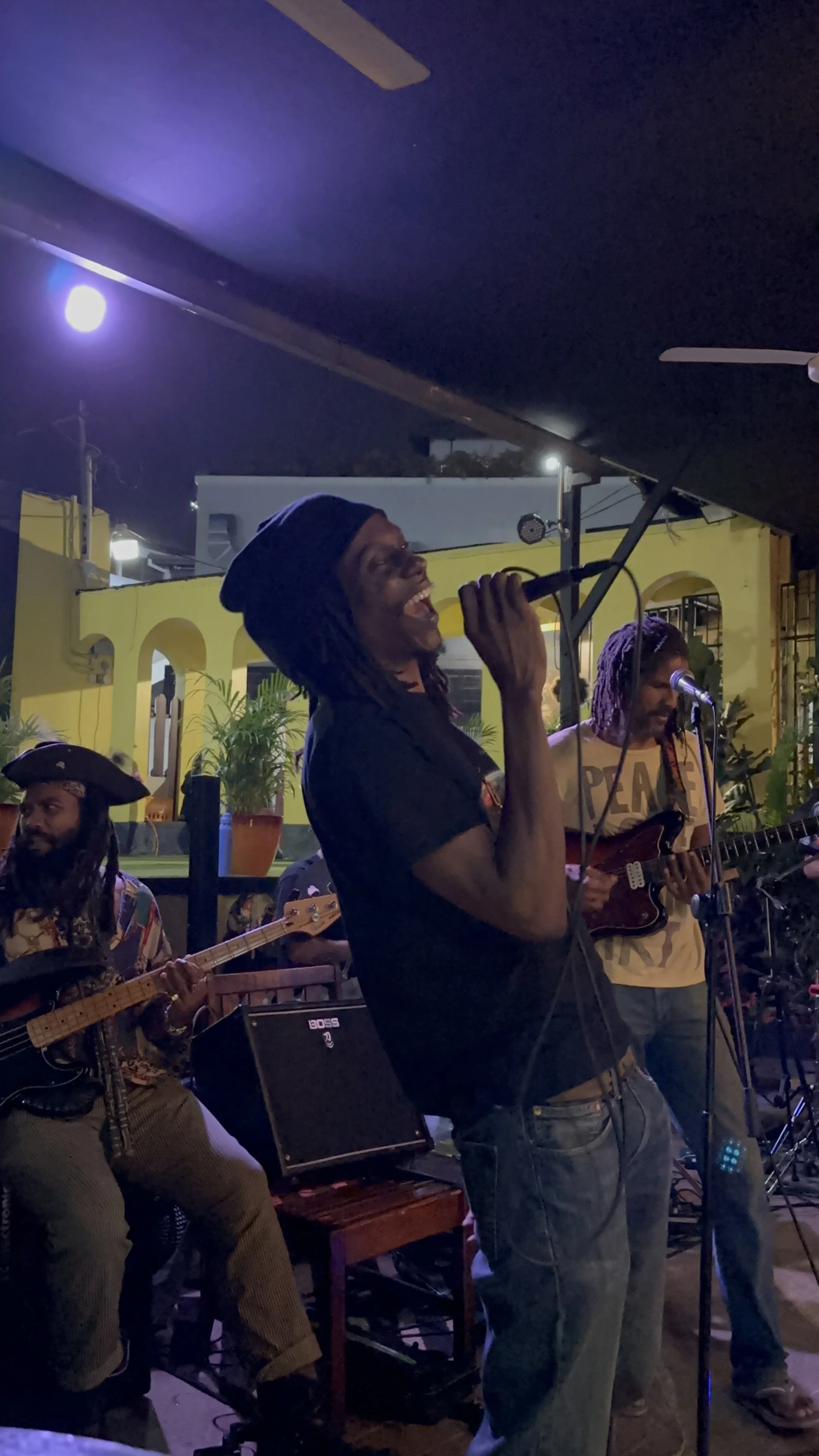
That’s how we started our first night in Kingston, since we landed in the afternoon. Listening to Jamaican jazz, amazing!
I am talking about the 22JerkPlus, a beautiful dining restaurant with live band music playing or djs.
We loved their Thursday event here with jazz music playing. You can check their instagram account to see when they host this event weekly.
Day 2
Hellshire Beach & lobster
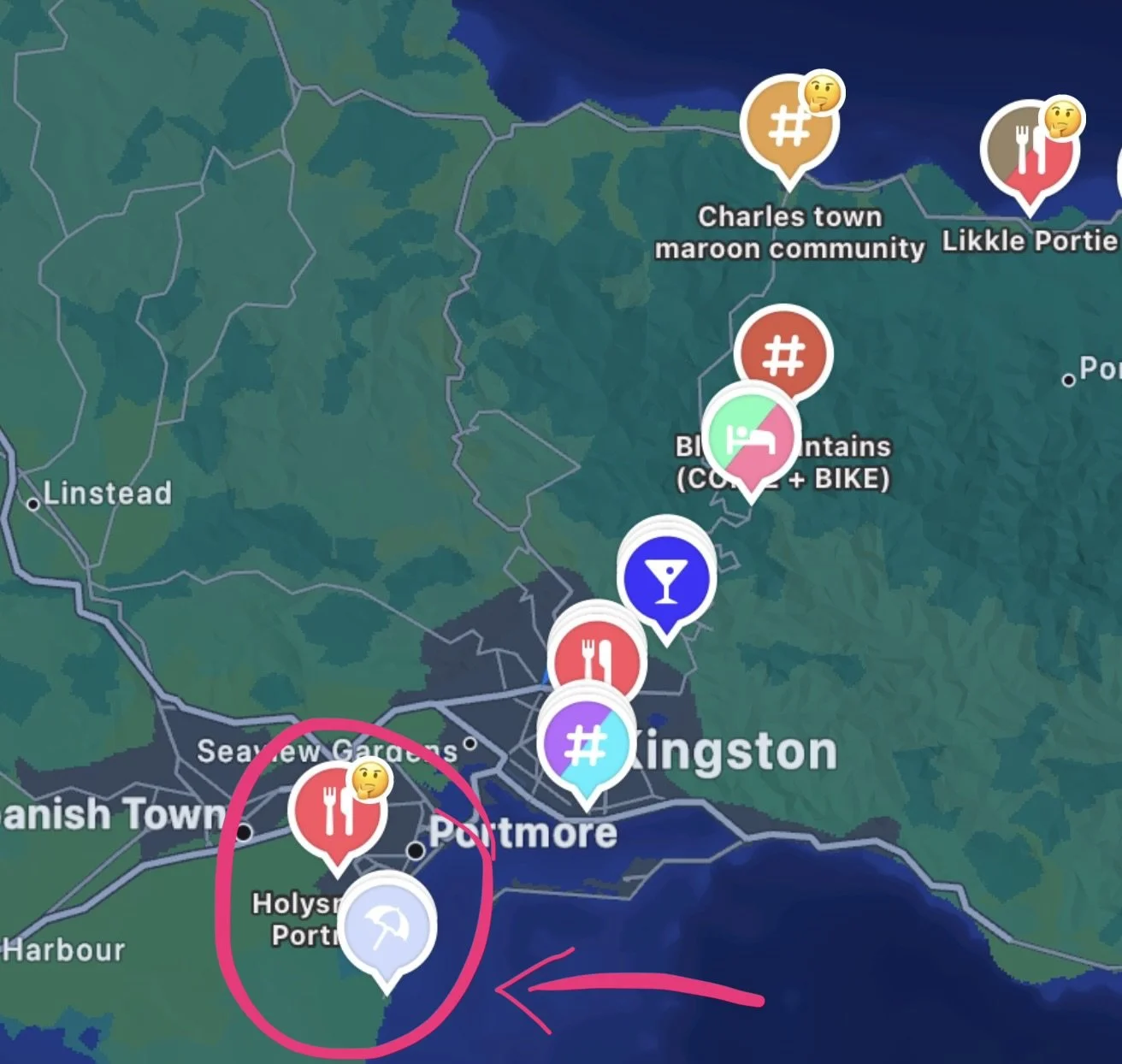
If you wish to find my map pins and easily follow them, follow me on mapstr!
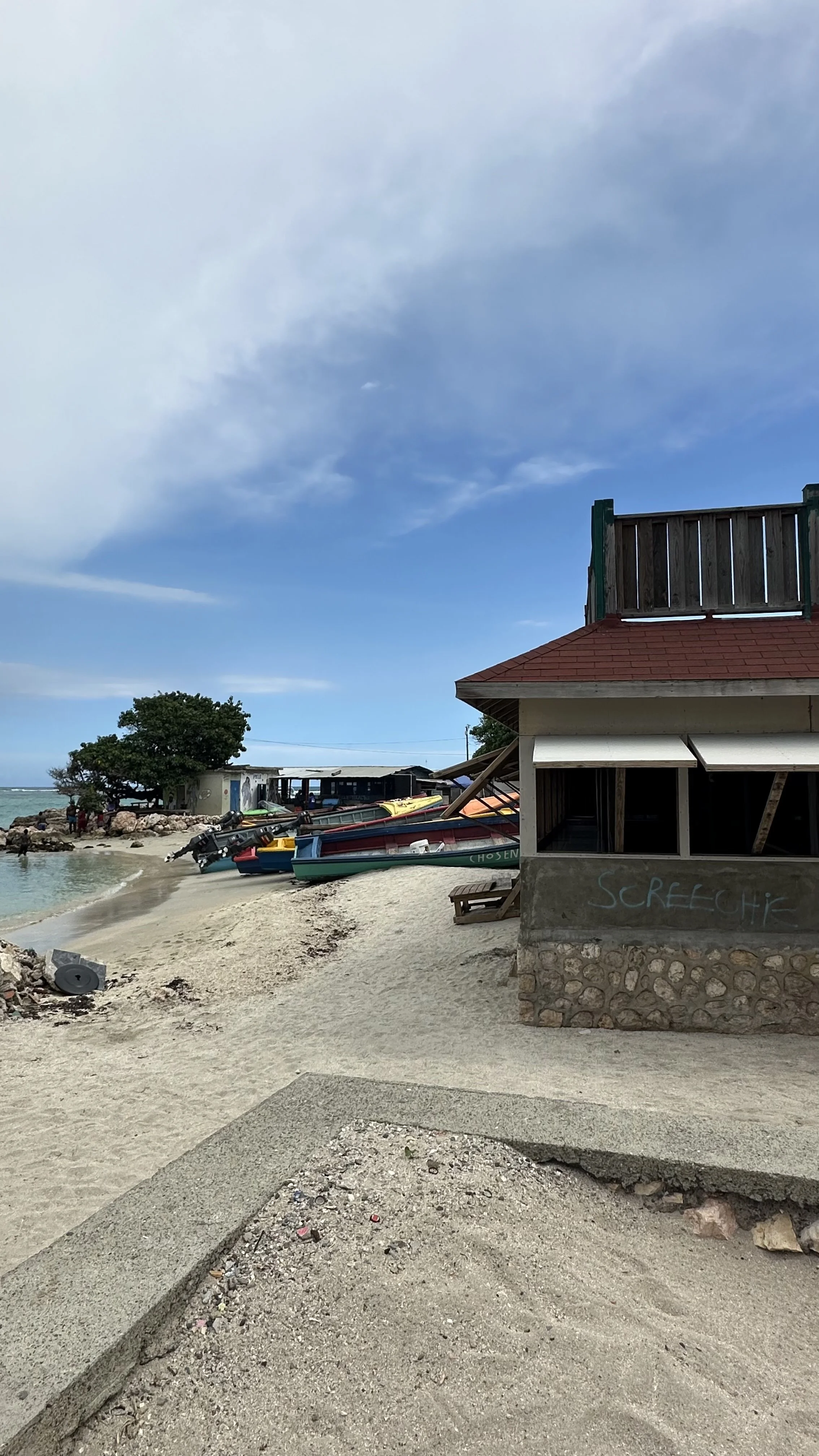
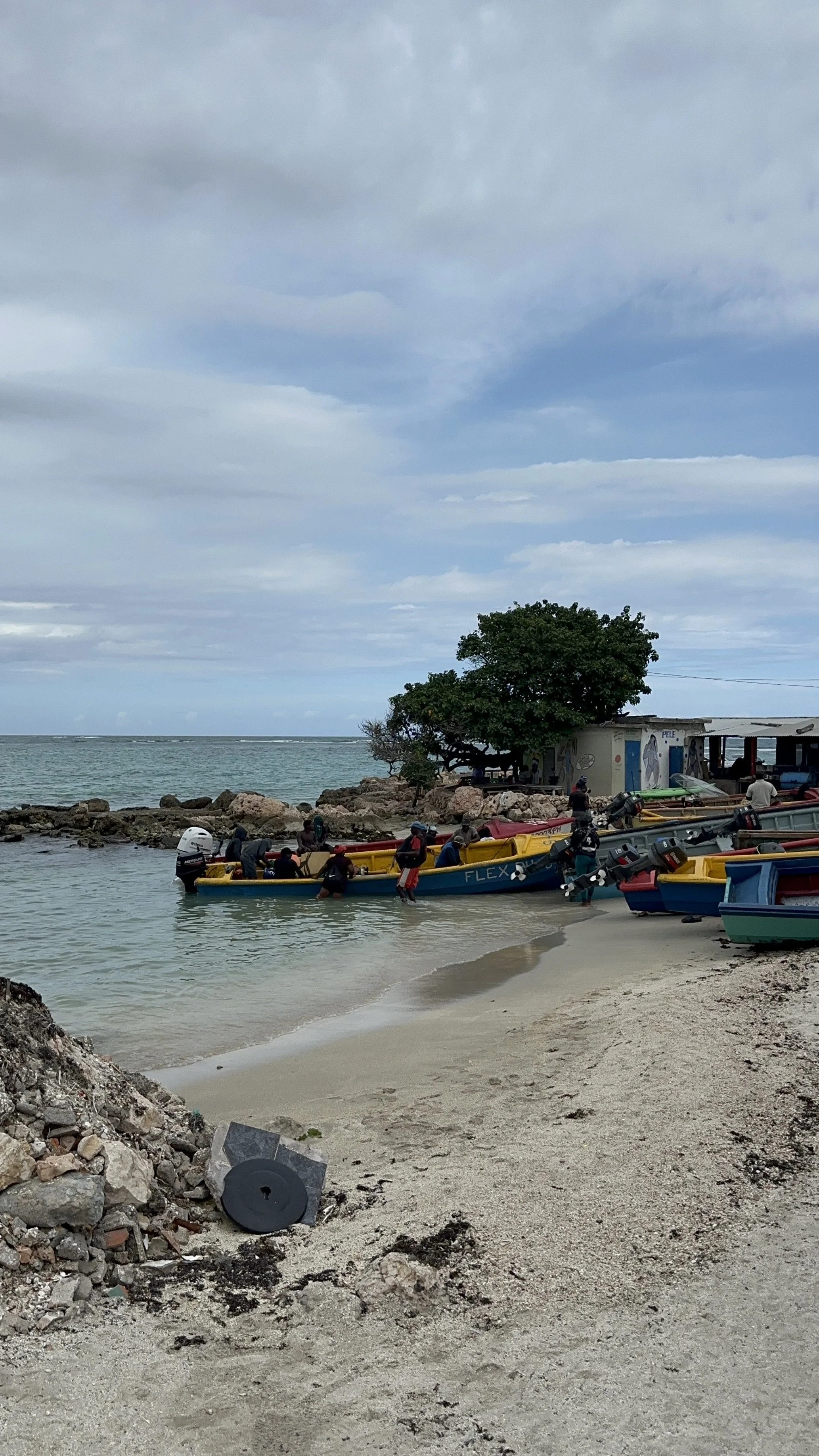
Best lobster at screechies
If you’re in Kingston, there’s honestly not that much to do, so it’s definitely worth moving a bit outside the city—and that’s how we found Screechies at Hellshire Beach, about a 30-minute drive away.
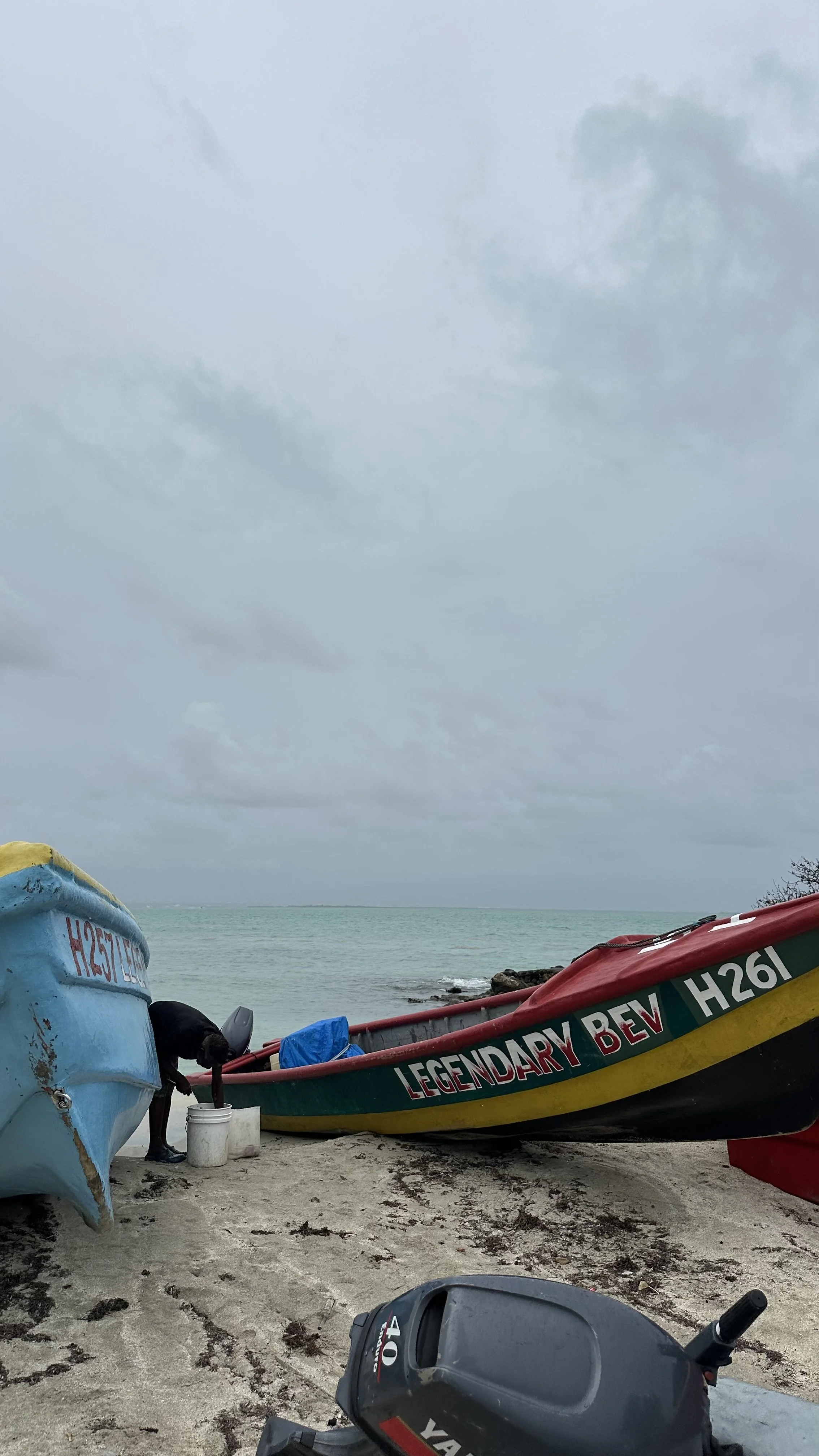
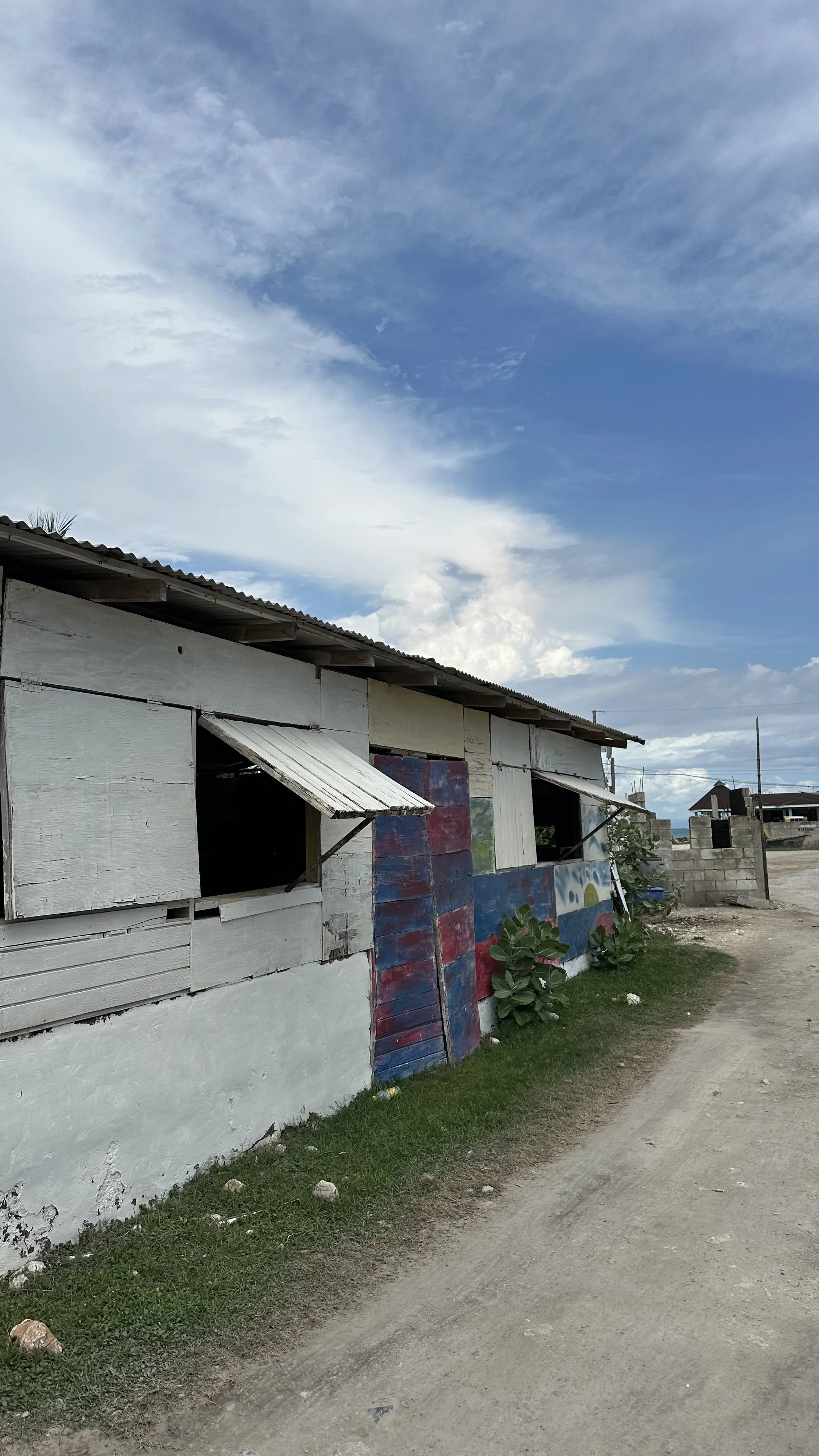
This small beach feels super local, with a tiny harbor where fishermen arrive right in front of the restaurant to drop off their catch of the day. The fish is as fresh as it gets, cooked right on the spot, and you can really taste the difference.
The lobster here is something you absolutely have to try—around €15/kg compared to €60/kg in Europe, and honestly one of the best I’ve had. It’s also one of the cheapest fish on the island, which makes it even more worth it.
The whole place has a very authentic, local vibe—nothing touristy, just good food, the sea, and real Jamaican life.
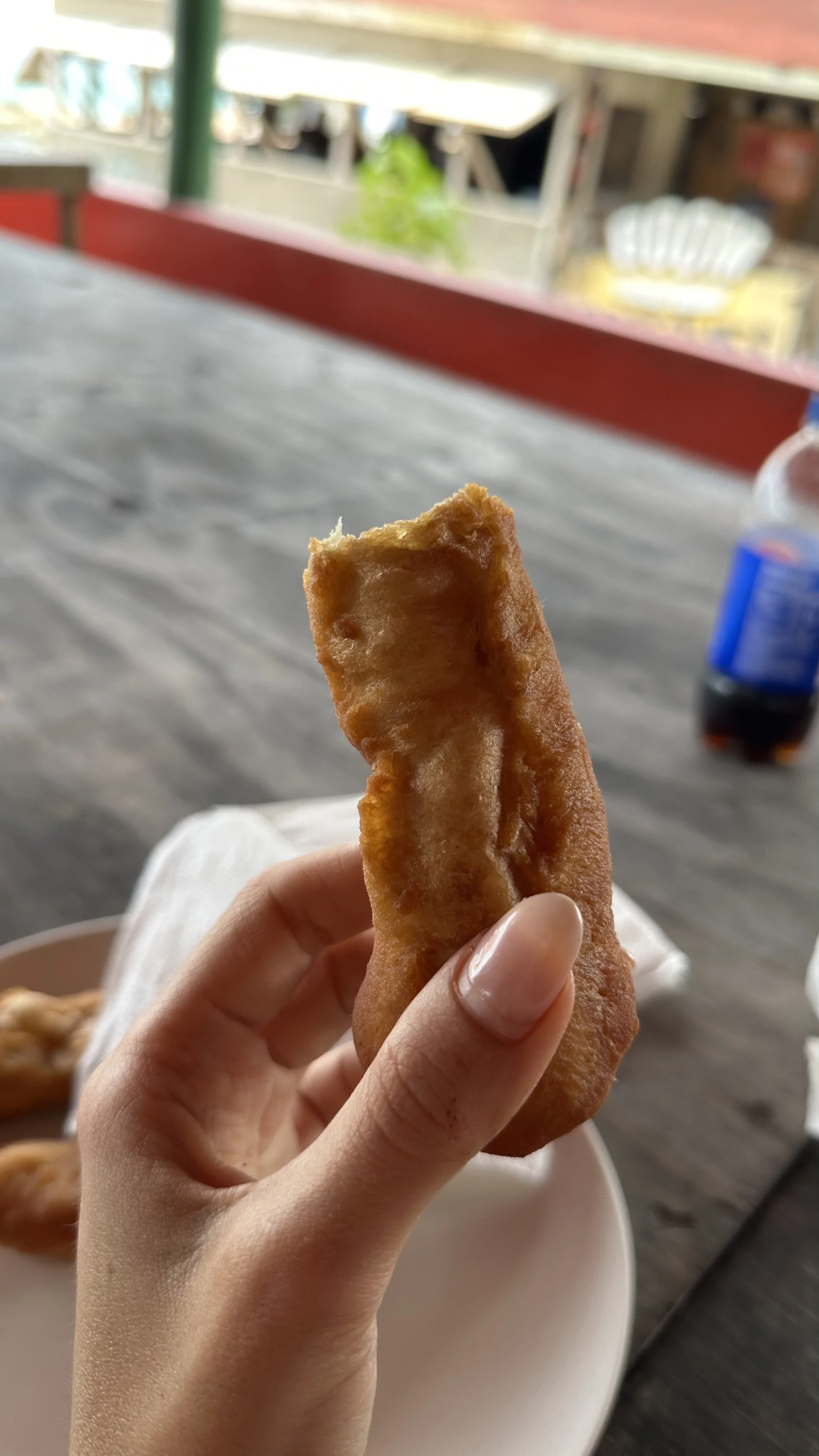
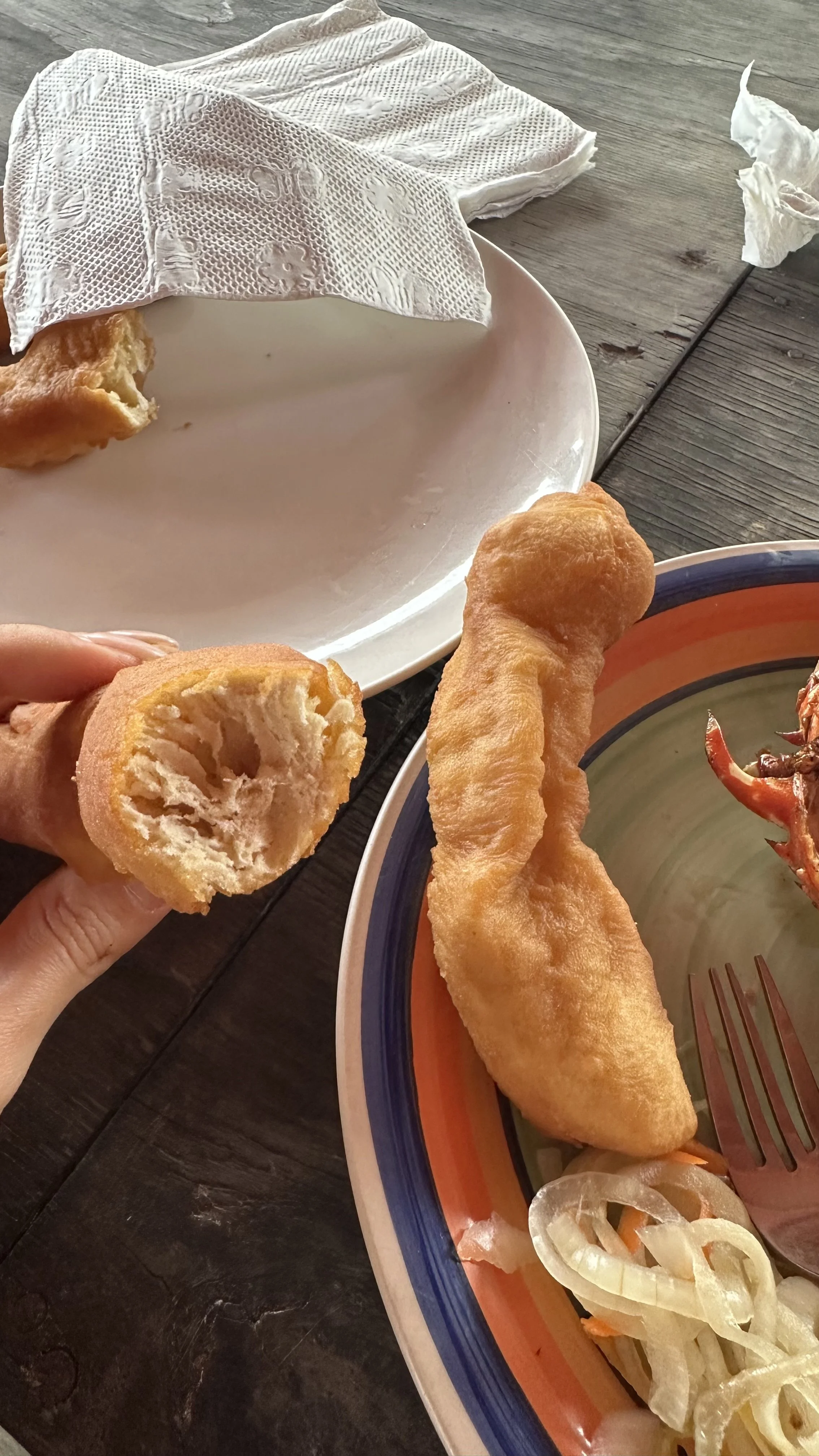
Also here they make amazing Festivals, their sweet salty bread, they will make the dough right in front of you and fry it!
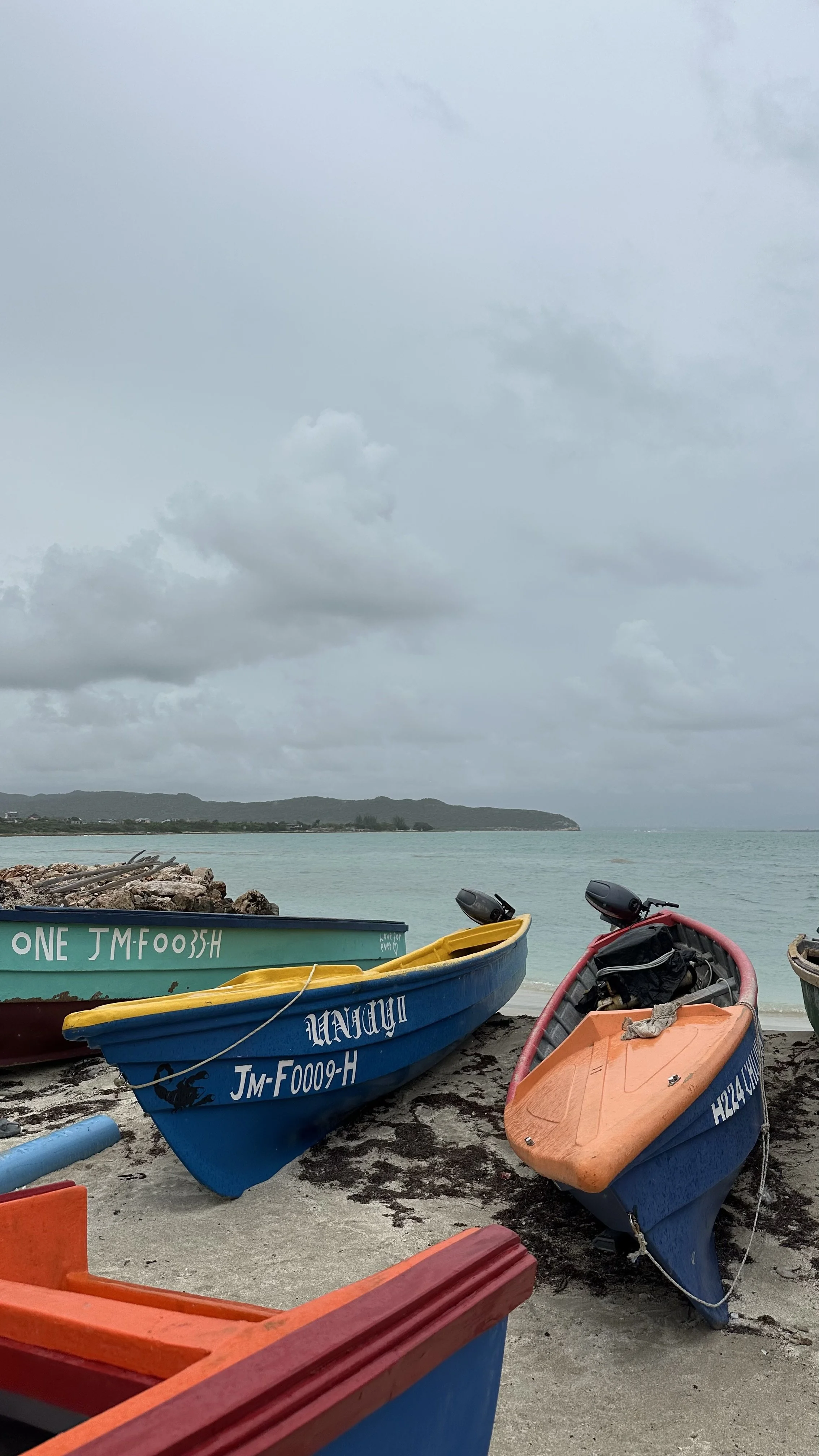
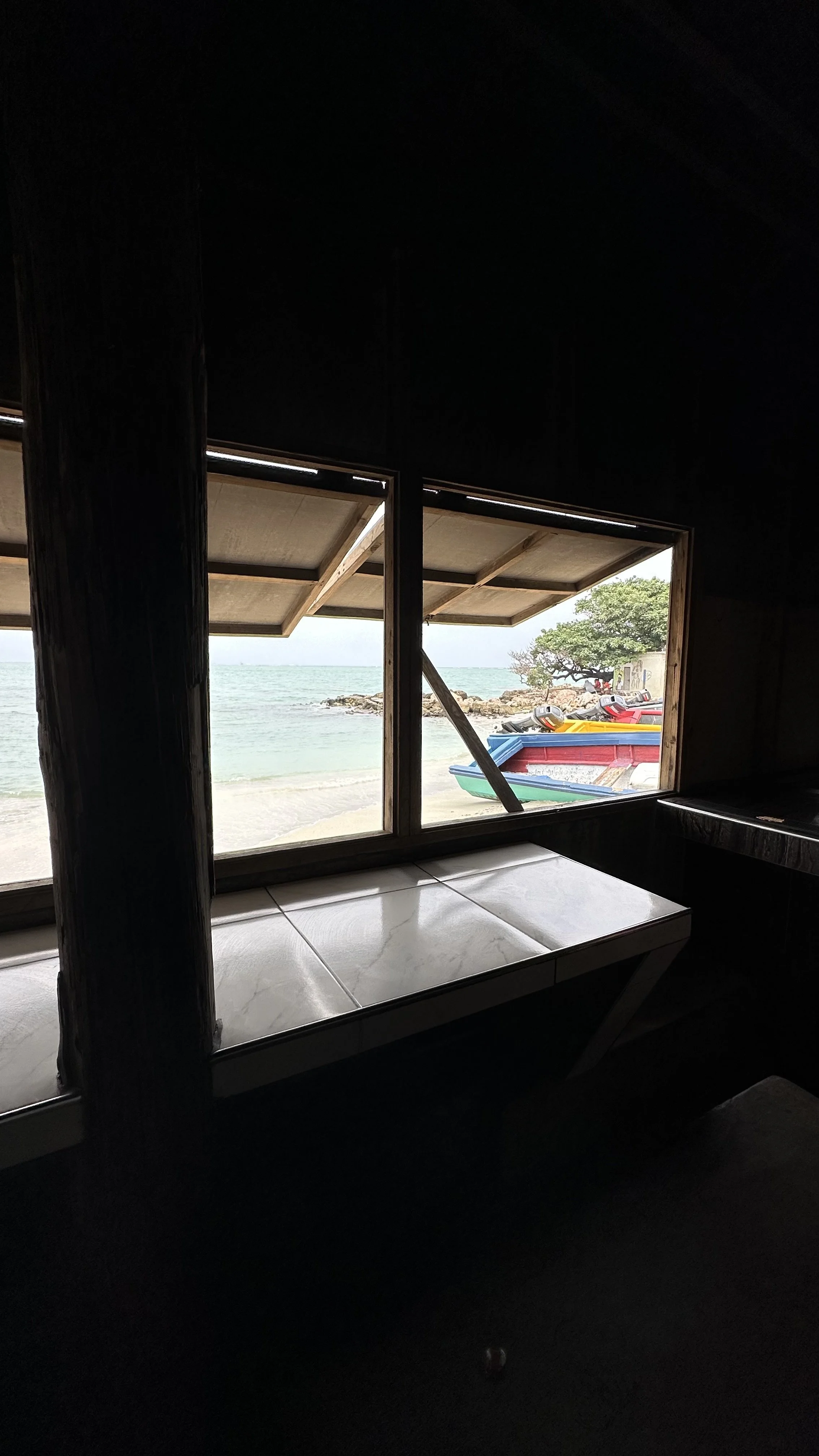
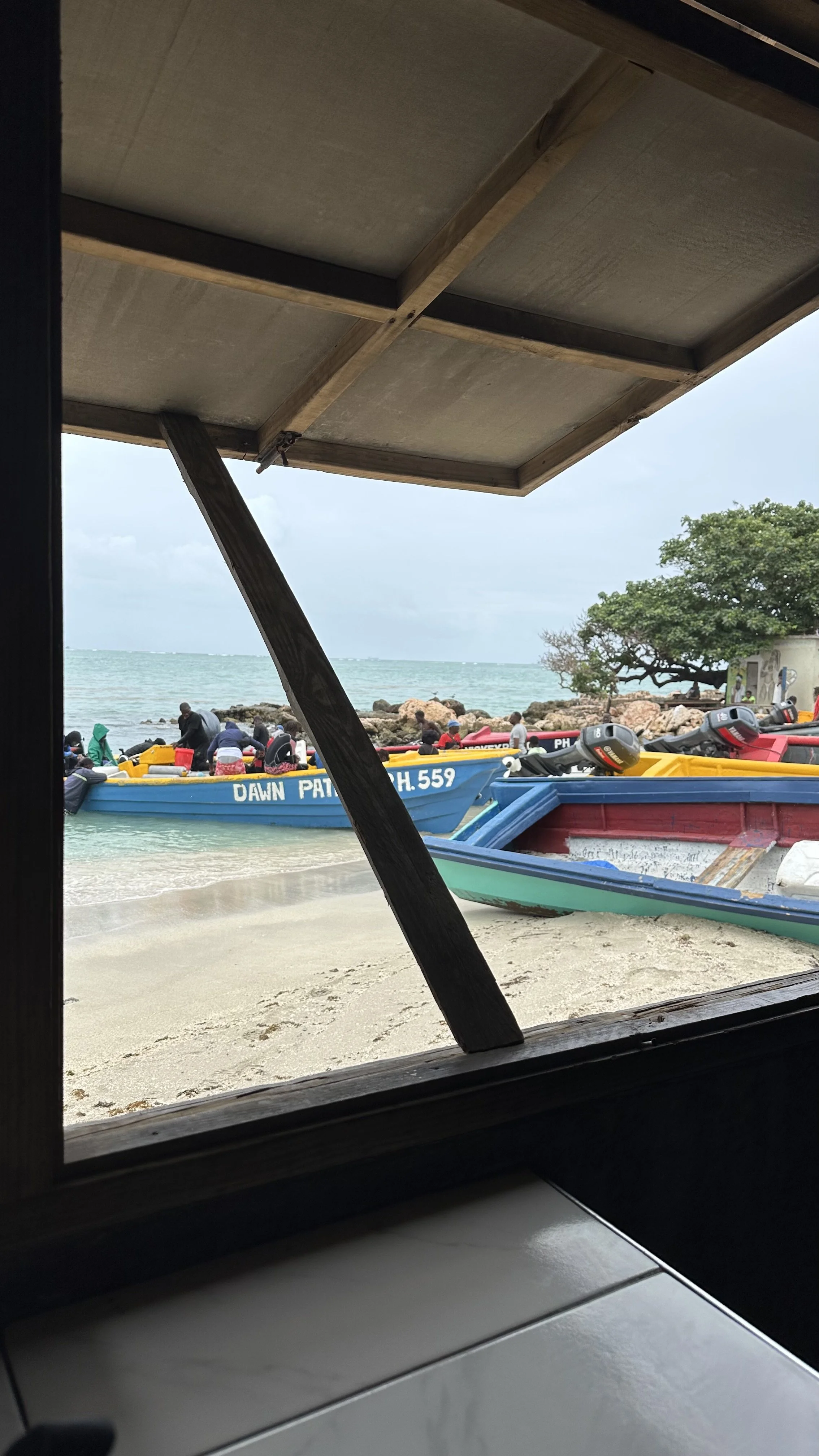
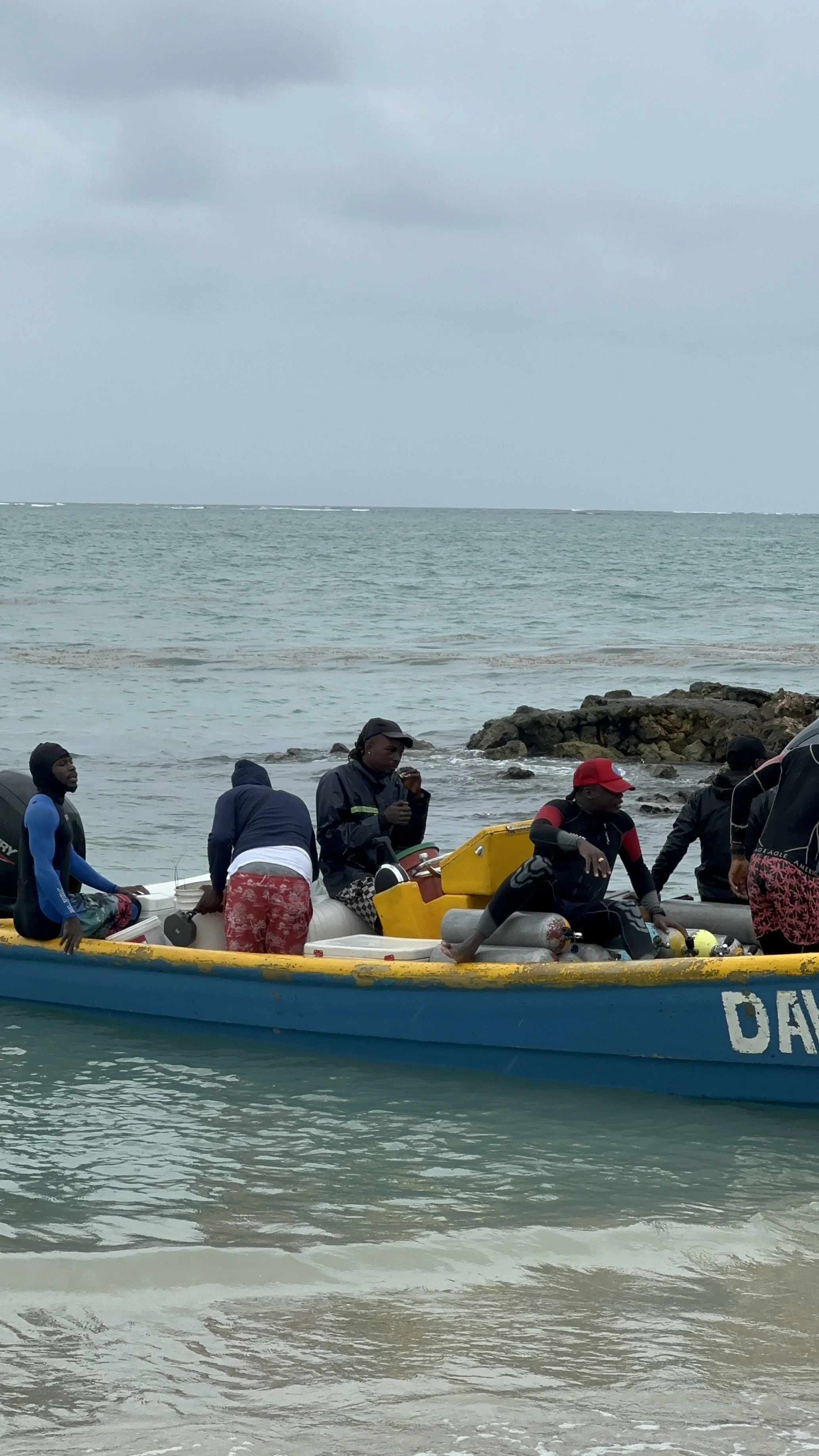
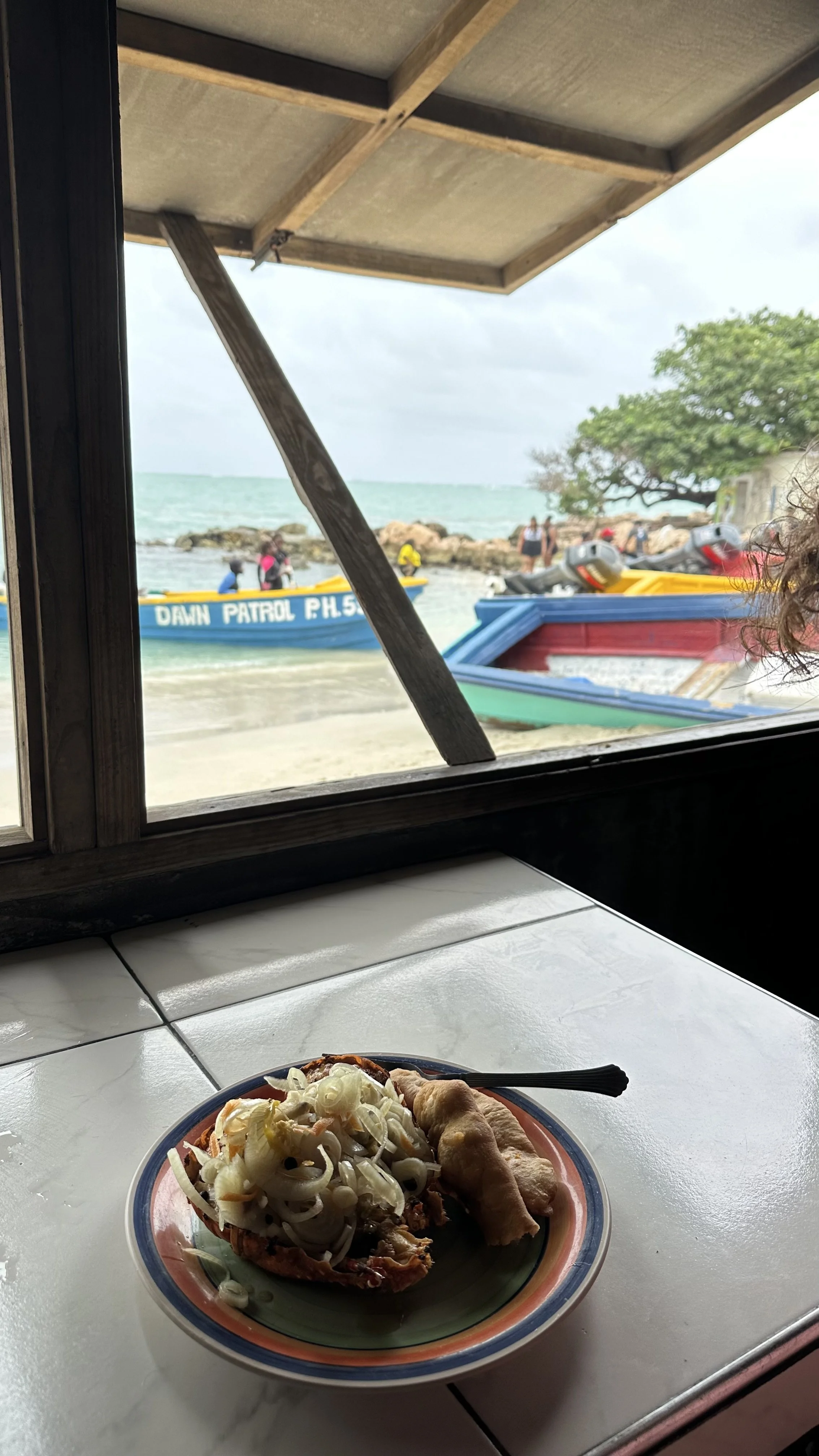
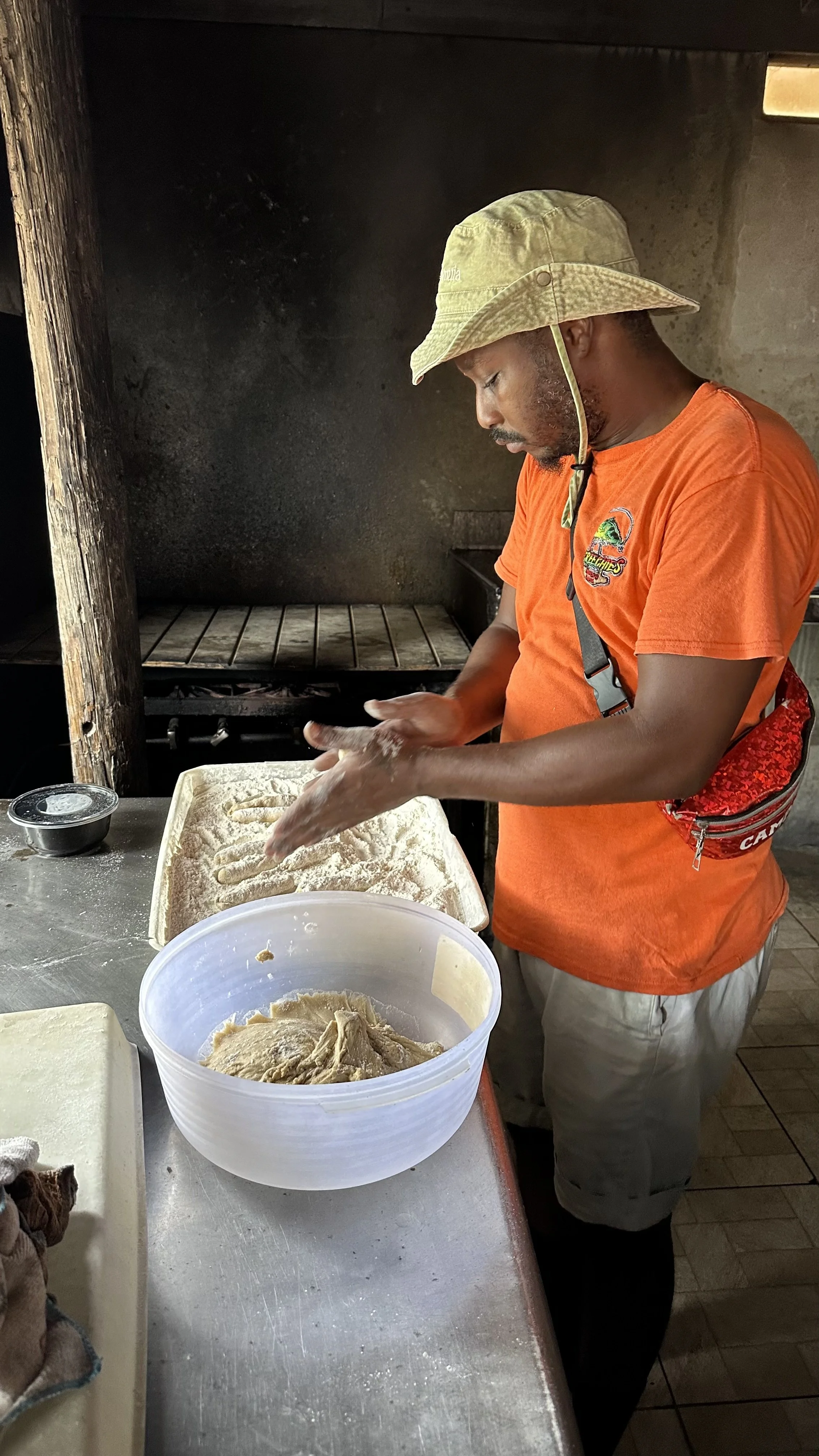
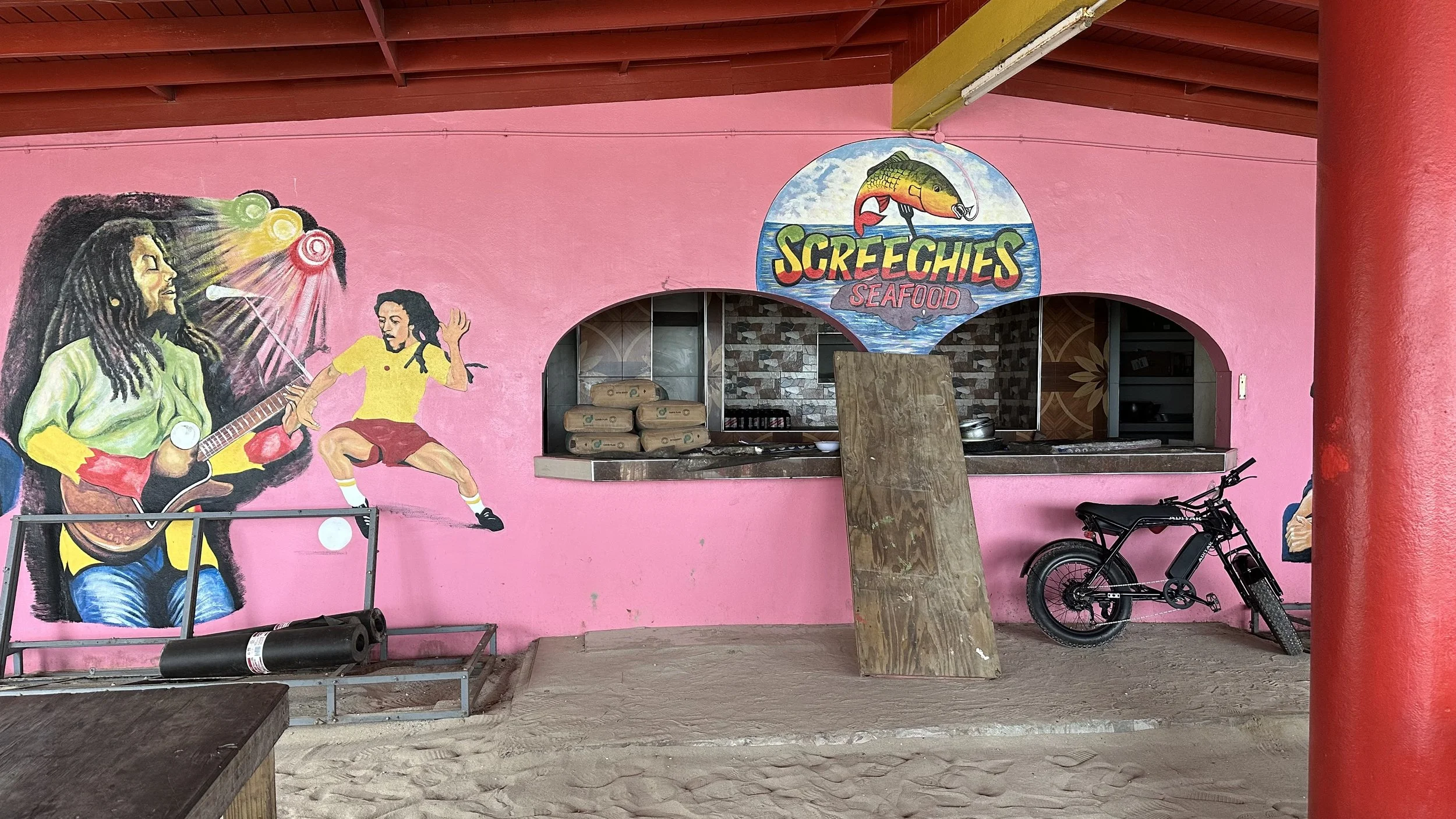
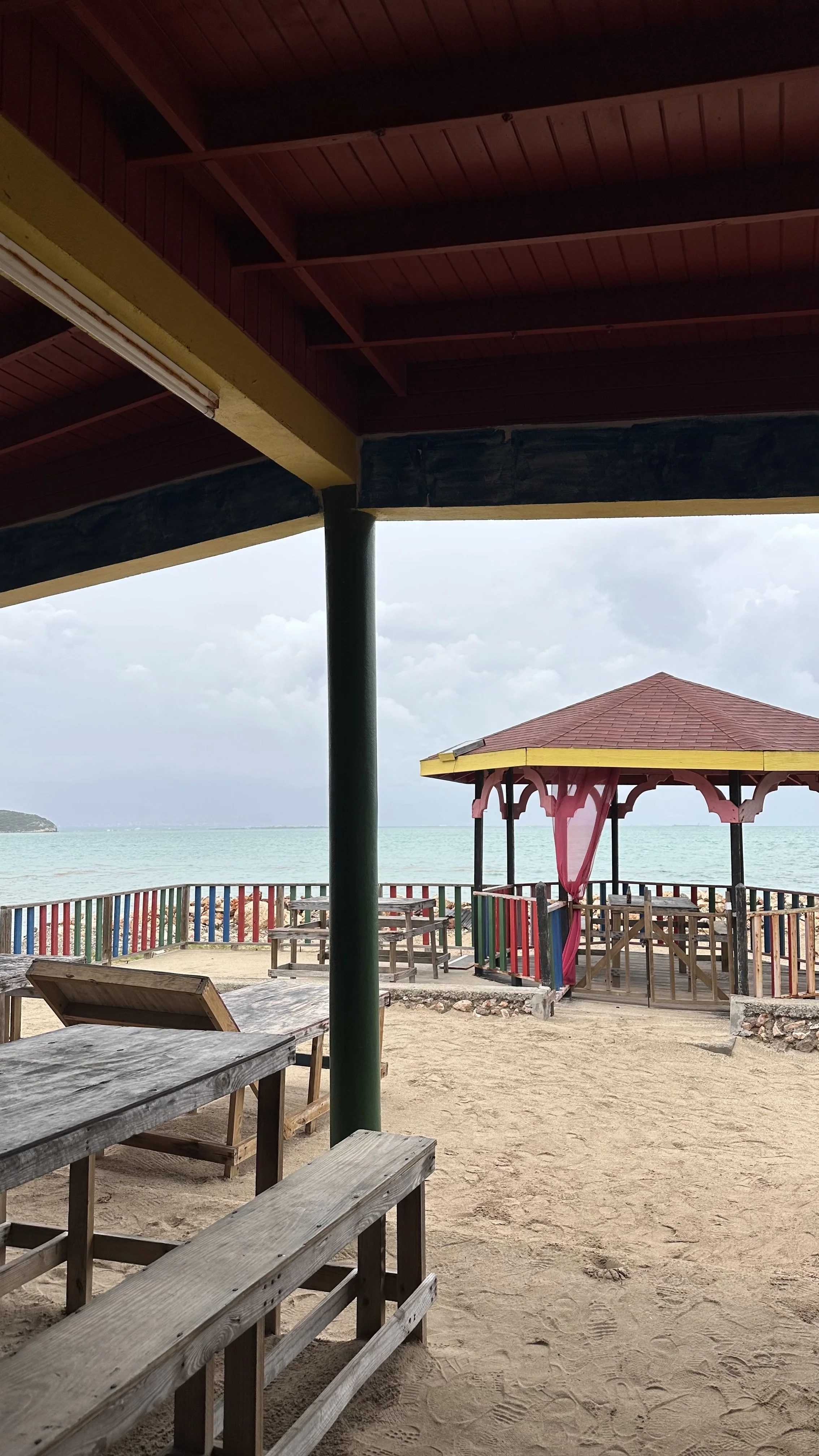
Festival is a typical Jamaican street food—basically a fried dough that’s slightly sweet, but always eaten with savory dishes, which is what makes it so special. It’s usually paired with things like chicken or fish, and you use it to soak up all the juices and sauces. We had some of the best festivals on the island at this spot—they make them fresh right there in front of you, frying them on the spot, so they come out crispy outside and soft inside. It’s simple, but so good.
Visit Downtown market
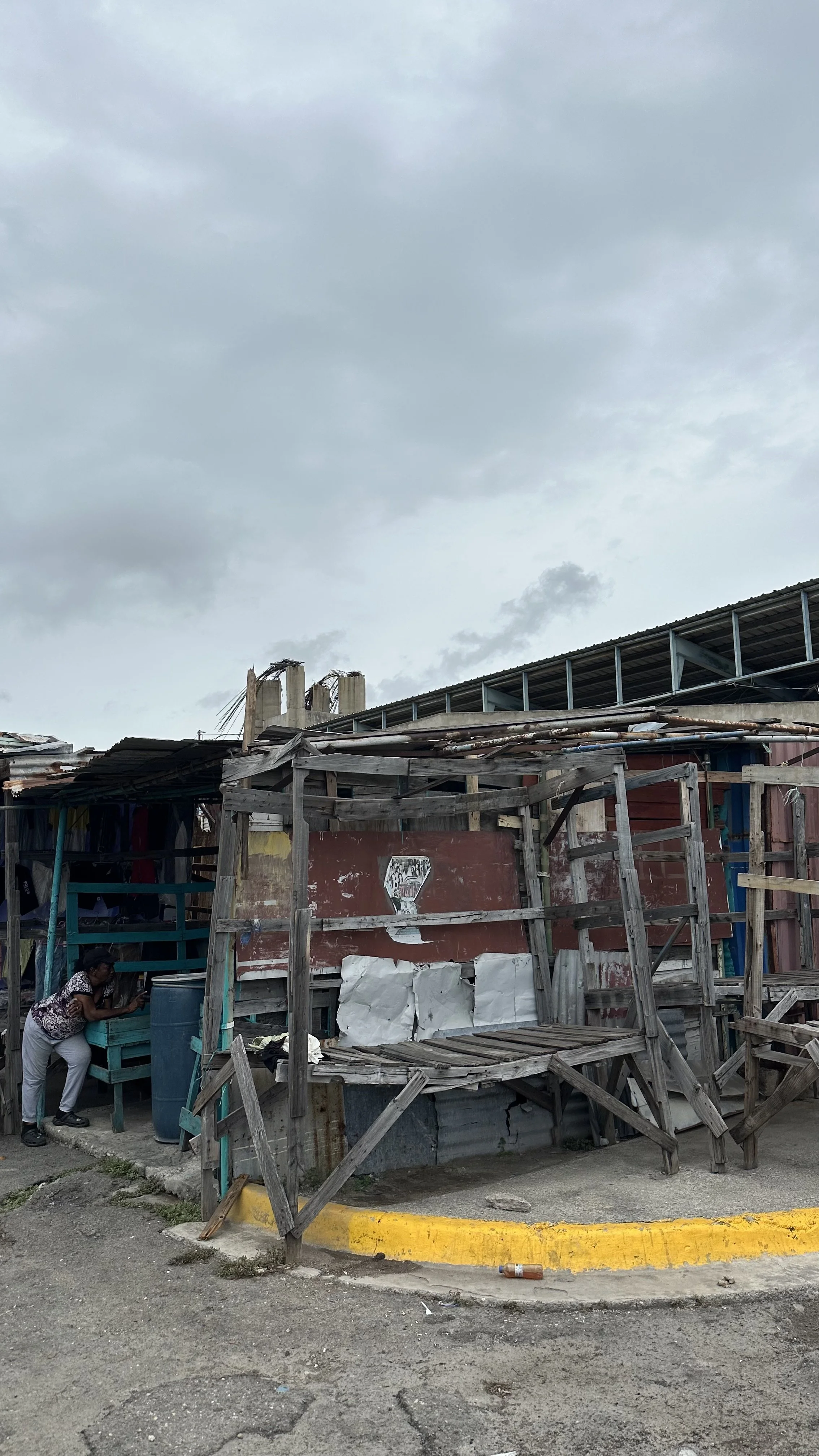
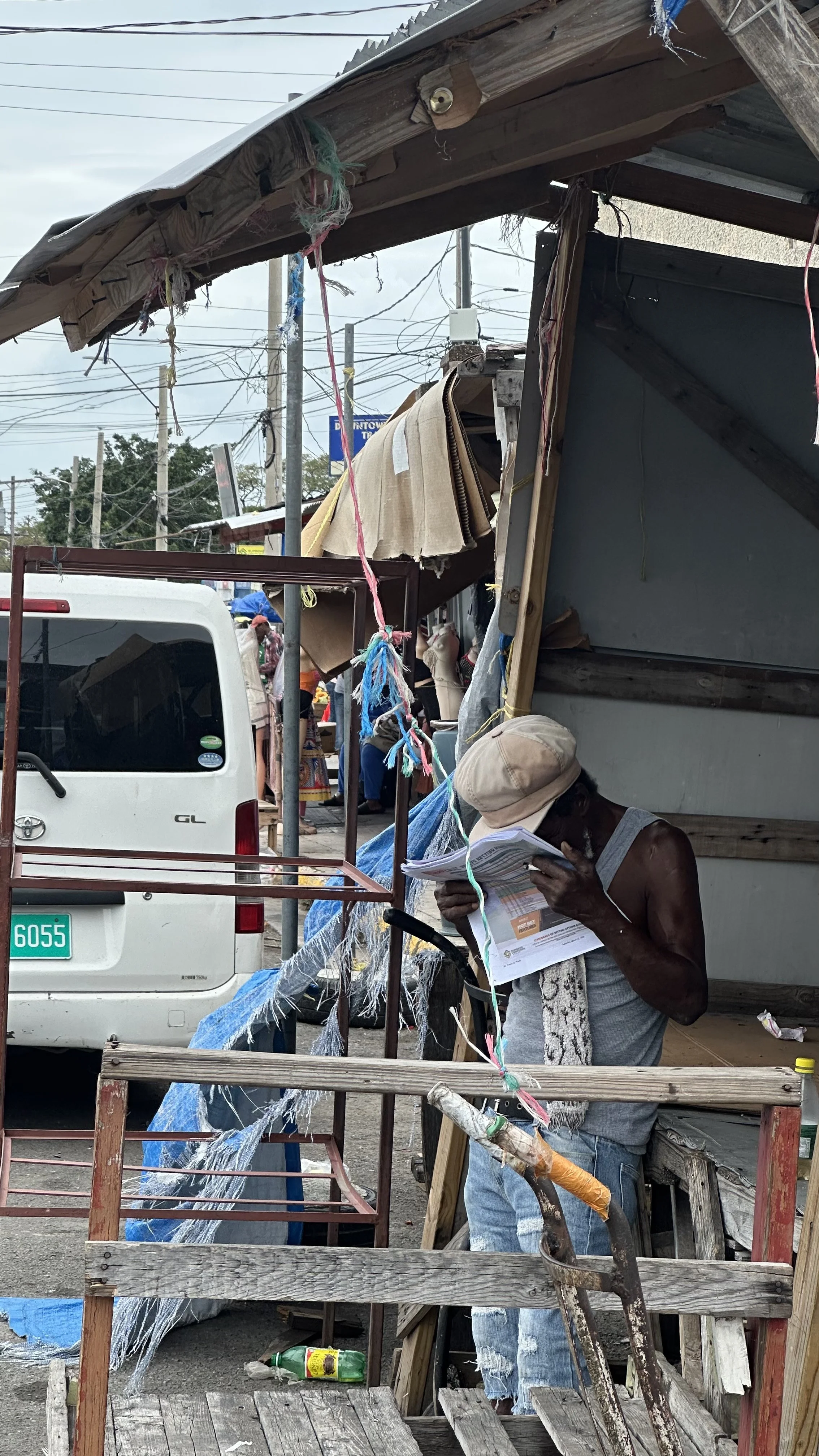
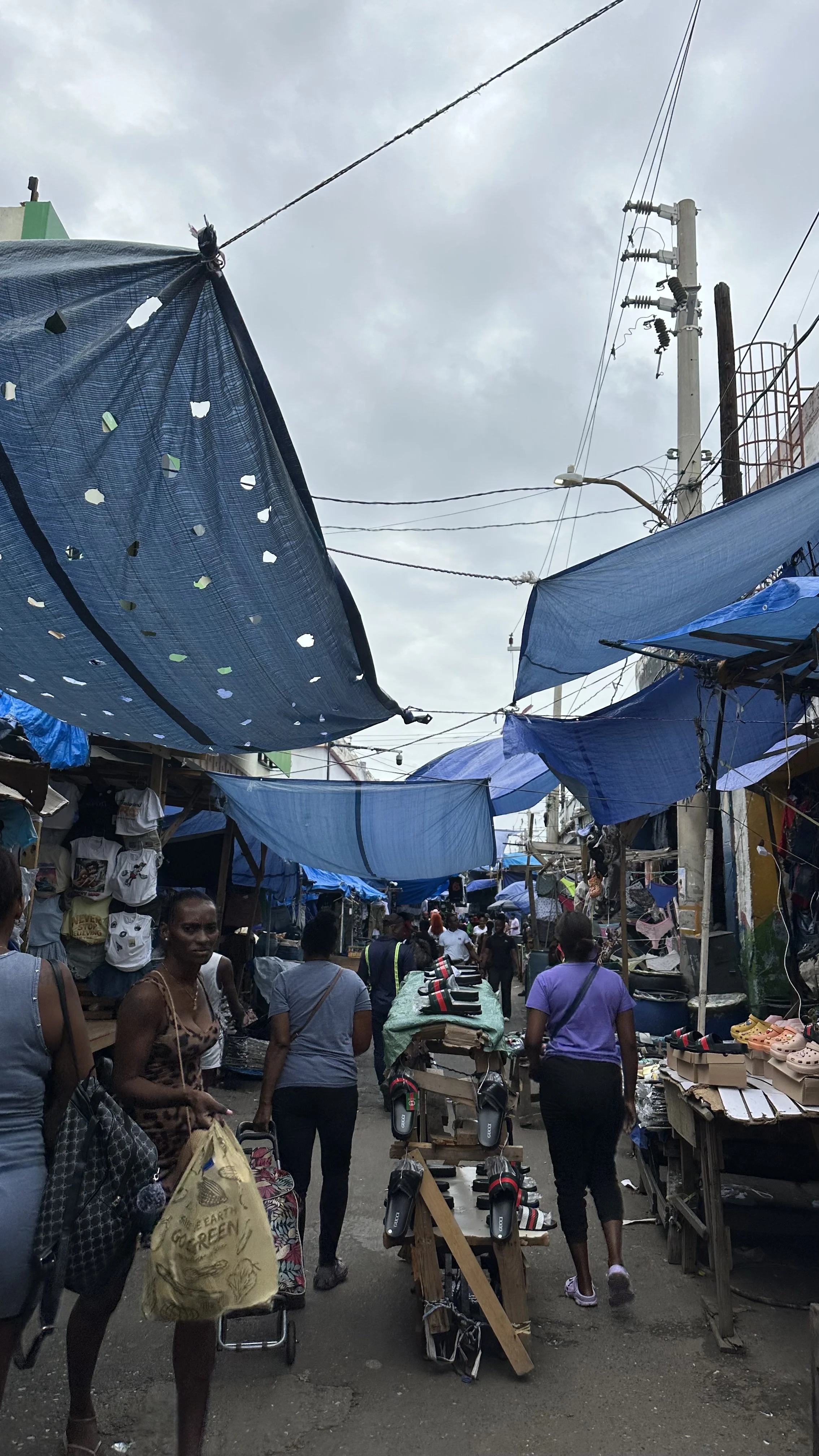
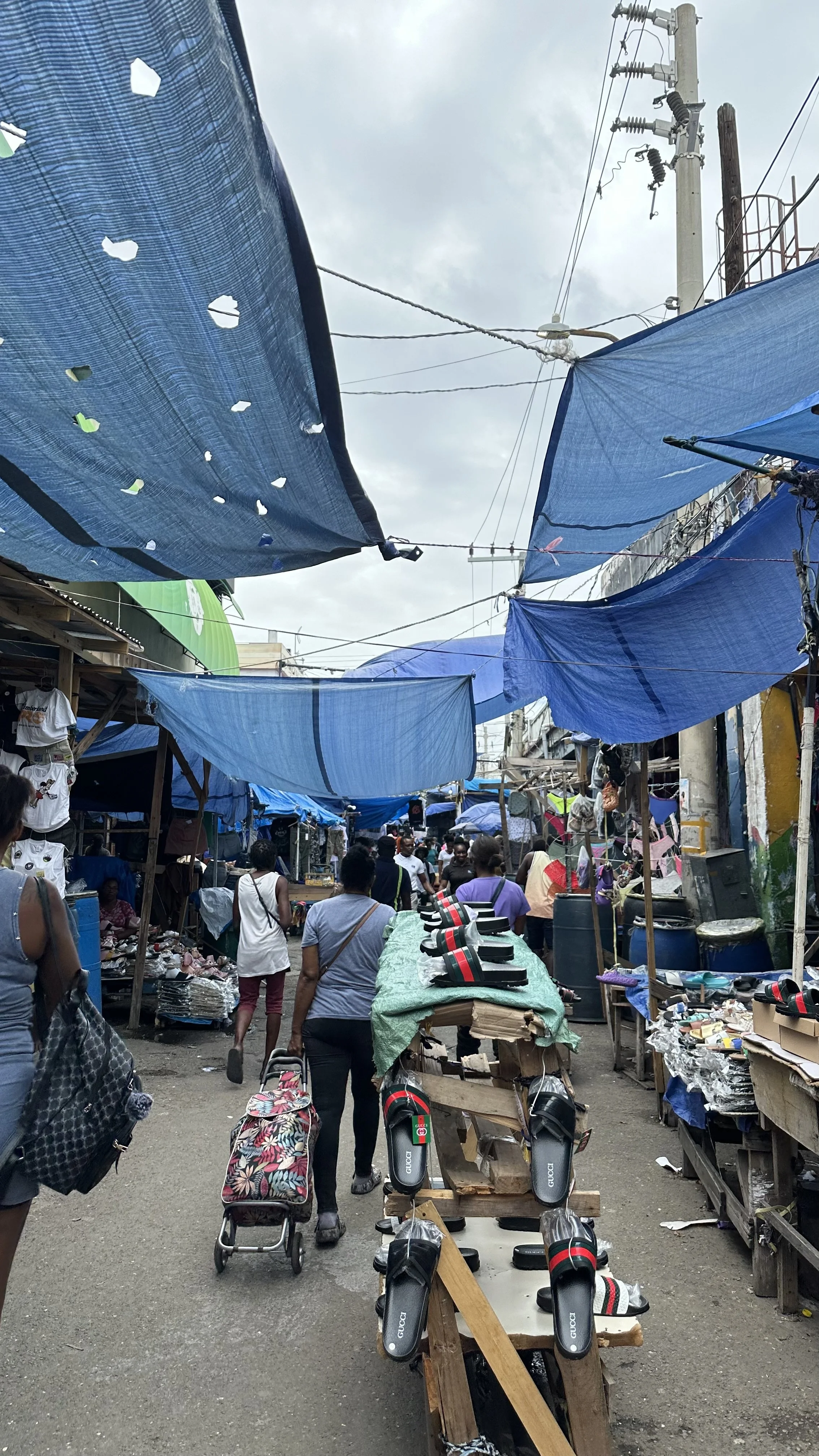
The downtown market in Kingston is definitely an experience—loud, chaotic, and full of energy.
It’s not the safest place on the island, and even locals told us to be careful with our phones and belongings, so it’s important to stay aware and maybe park a bit further away. That said, it’s still something worth seeing, even just for a short walk. Walking through it gives you a real glimpse into everyday Jamaican life—the colors, the noise, the movement—it’s raw, intense, and very local.
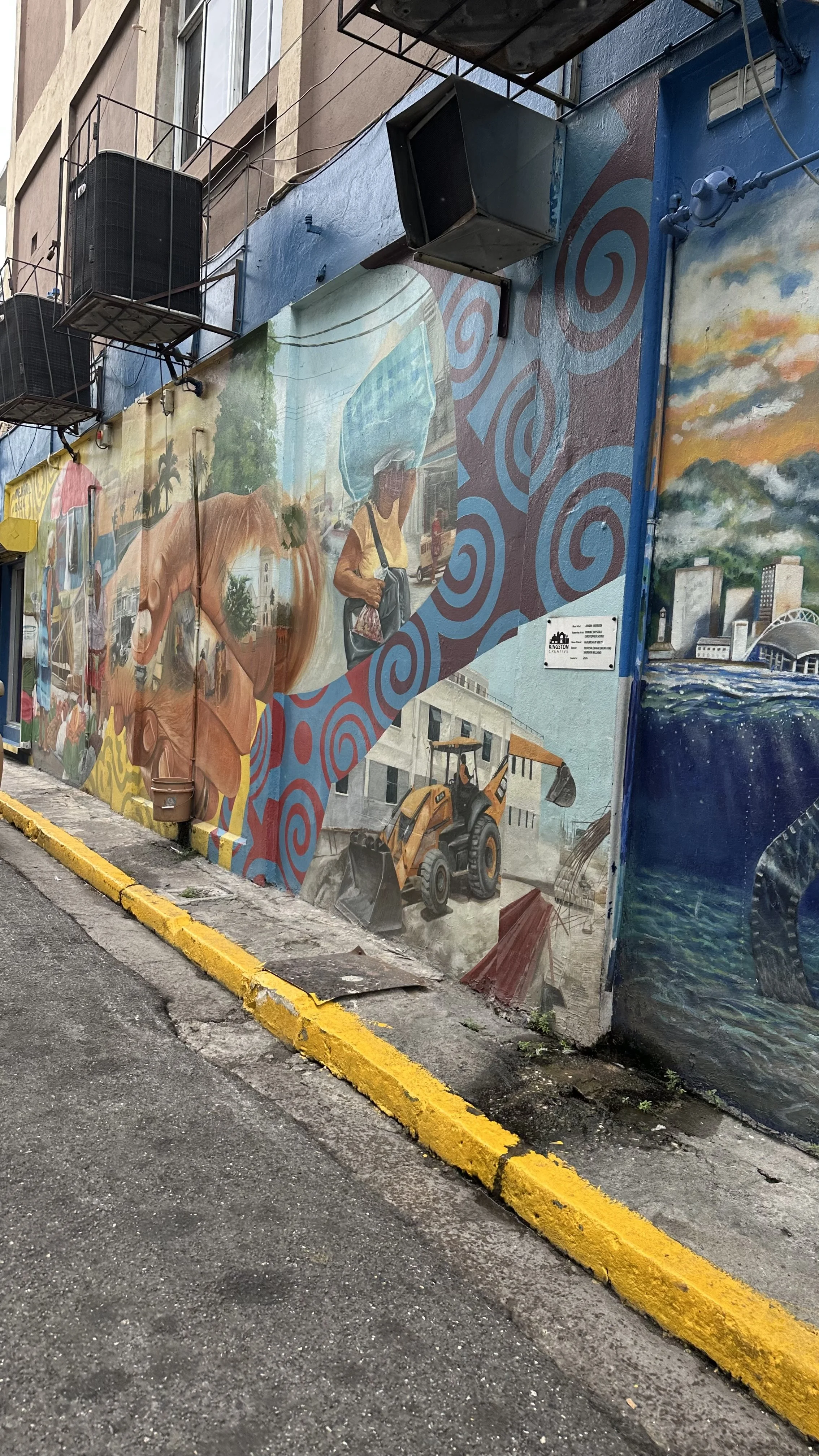
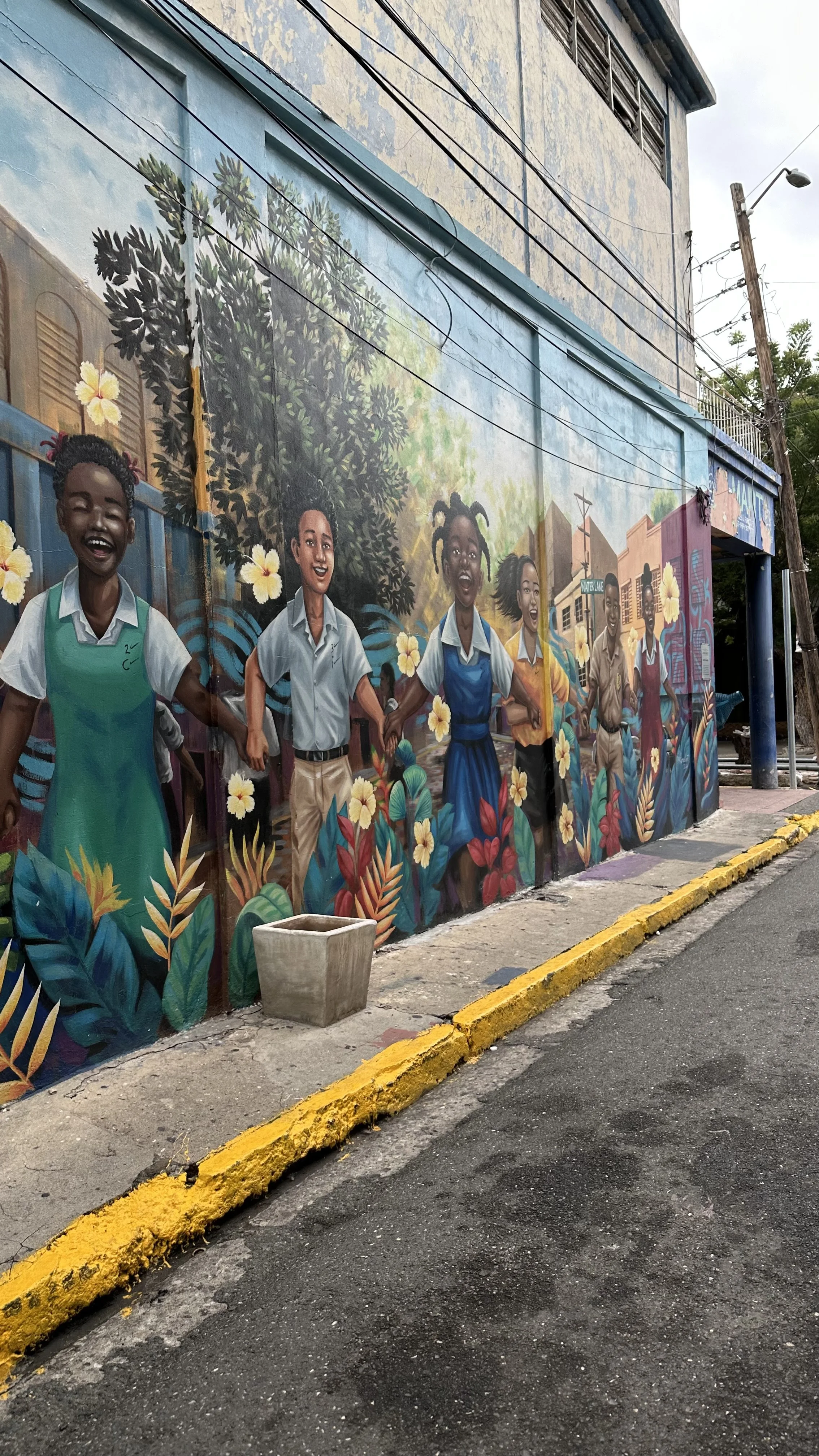
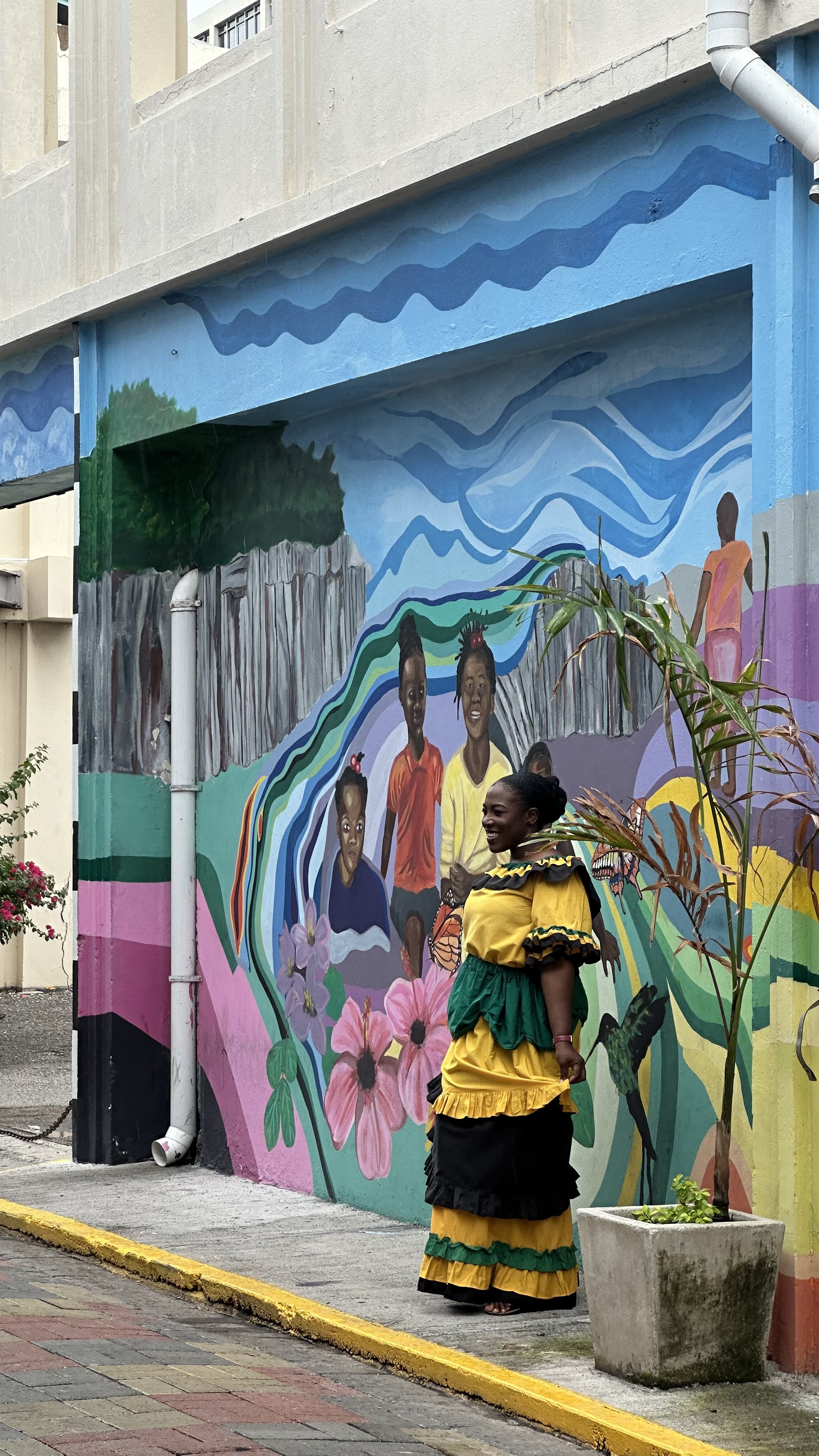
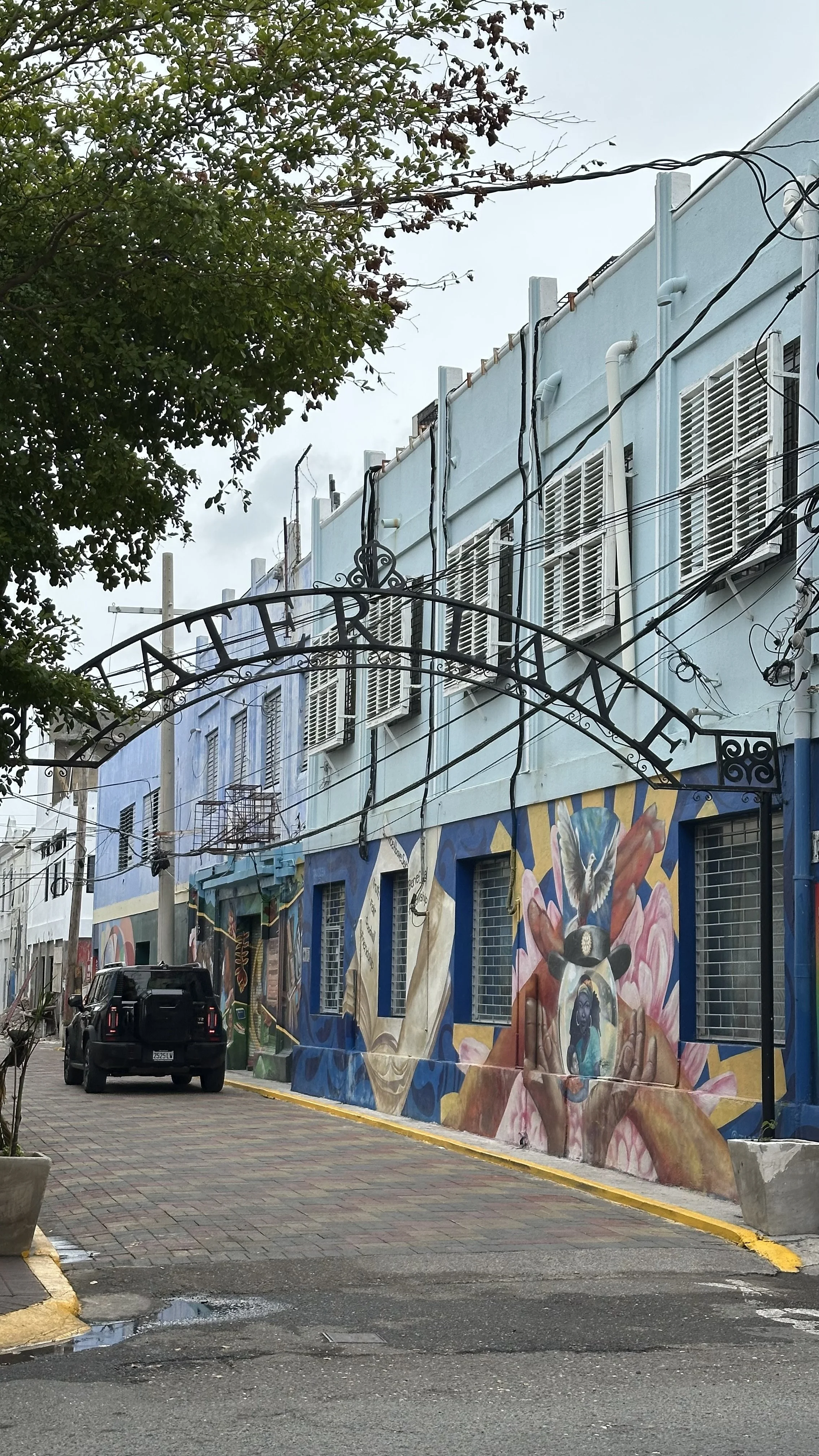
Walk on Water Lane and see their graffiti
Take a short walk along Water Lane, the street known for its graffiti in Kingston—it’s nice, nothing too special, but since you’re already in the area for the market, it’s worth passing by.
Watch stick game
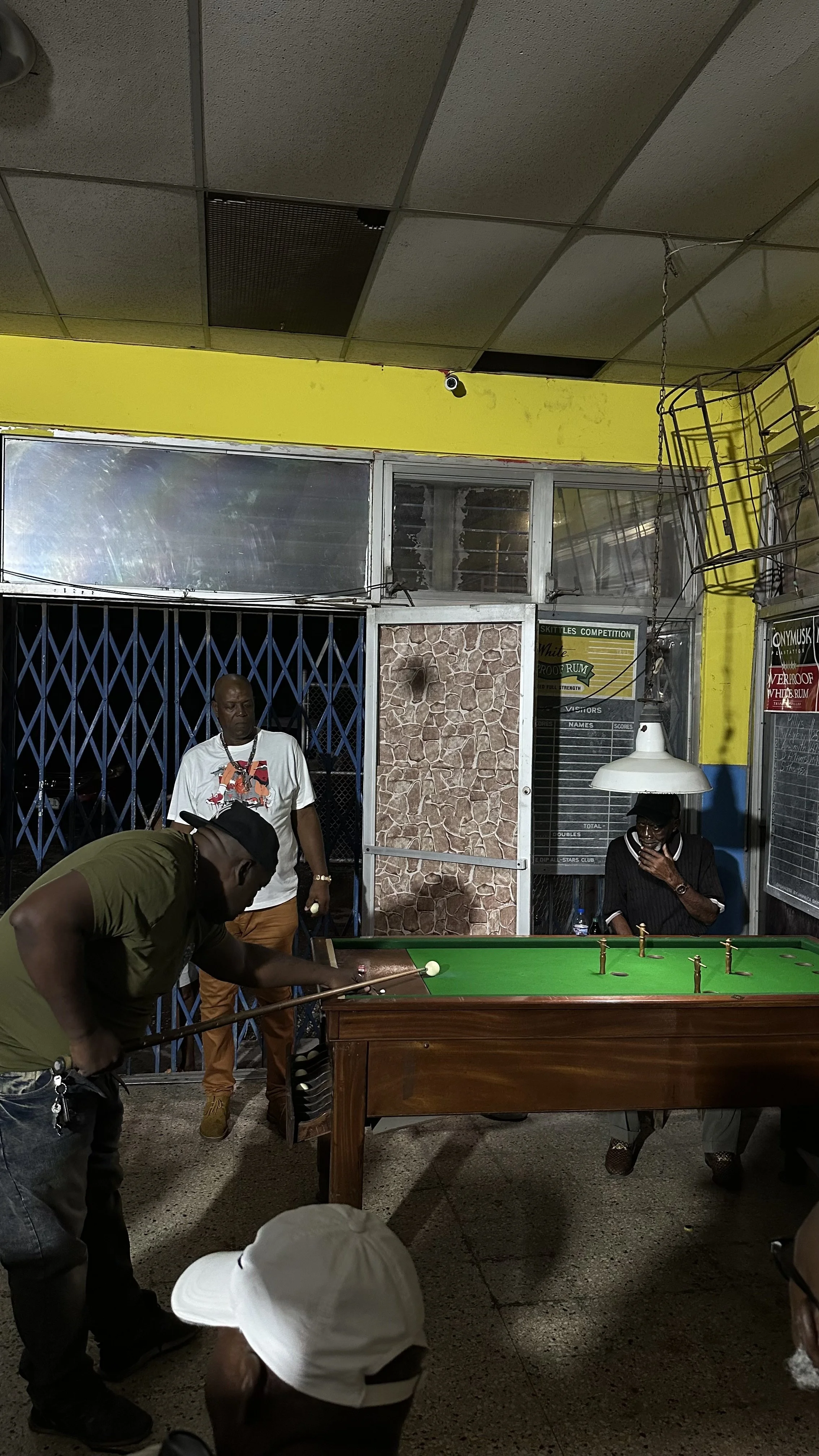
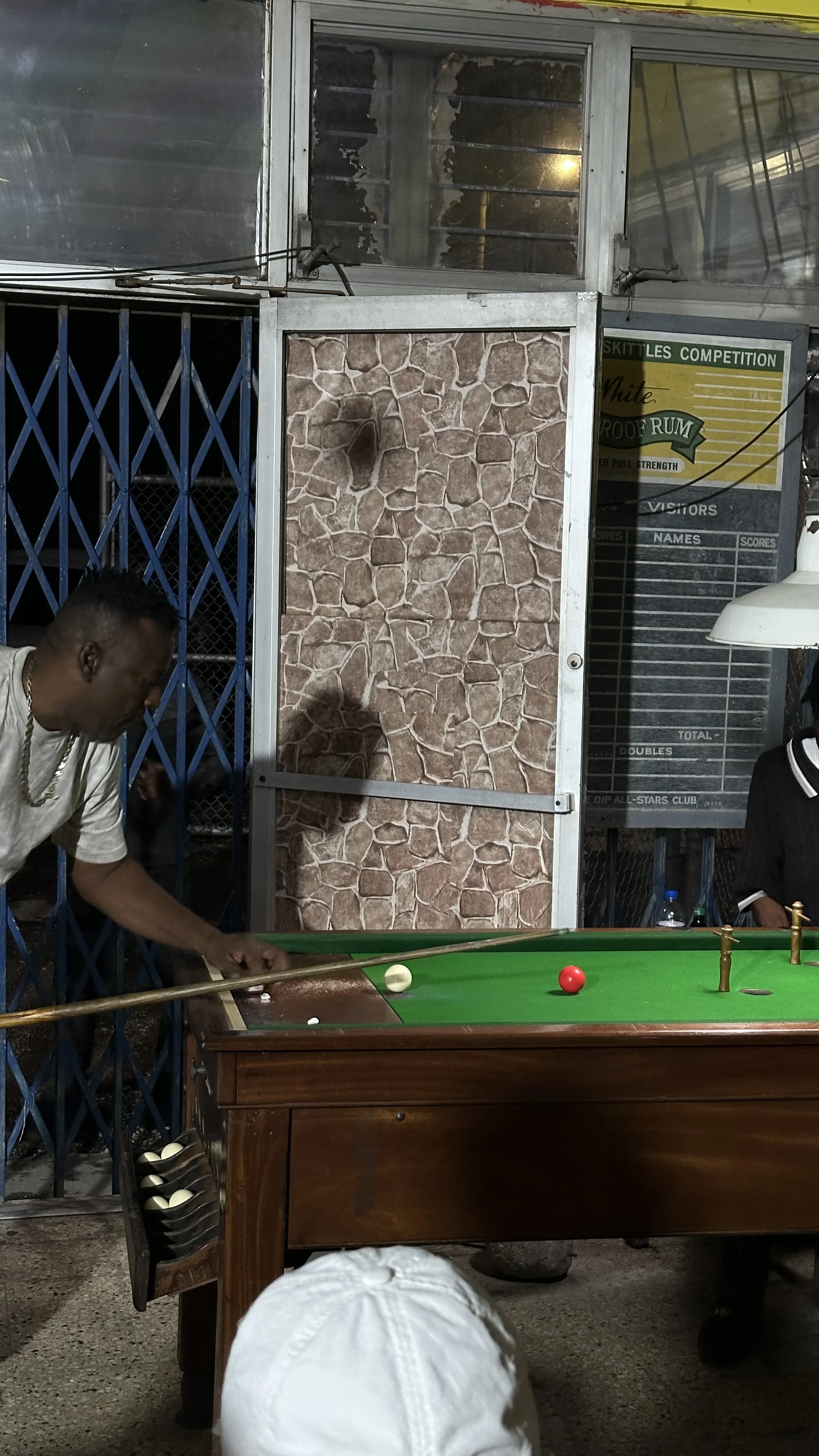
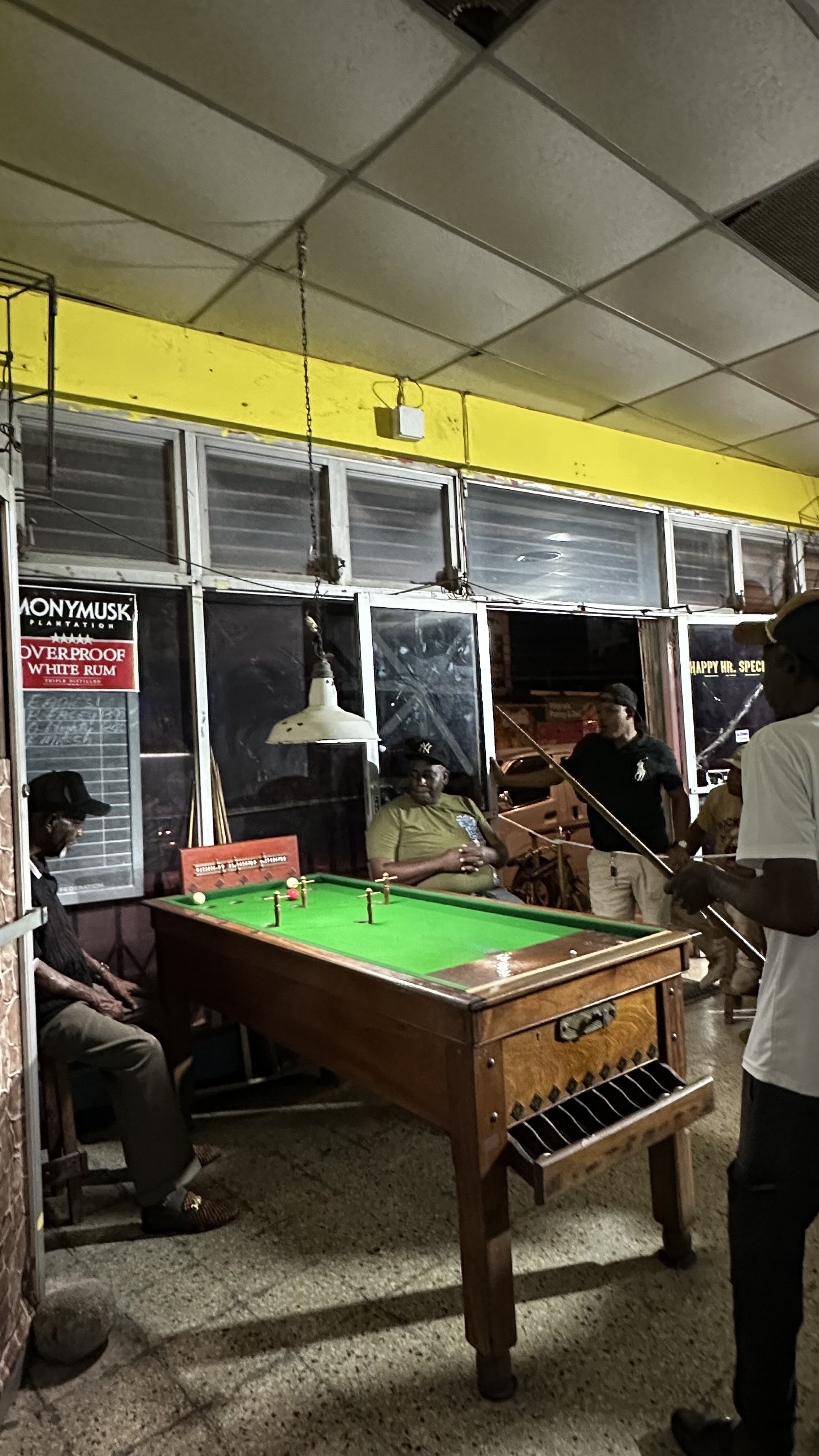
One of the most unexpected and authentic experiences was going to a local bar to watch a stick game (stickers) match.
It’s a traditional Jamaican domino game, played with a lot of intensity—players slam the tiles hard on the table (that’s where the “stick” name comes from), and it becomes almost like a performance, with noise, energy, and a lot of pride.
The place we went to wasn’t even on Google Maps—I’ll leave you the location—and it felt completely off the radar, just locals gathered around, fully into the game, with drinks, music, and that raw Jamaican vibe. I was also really lucky because that day there was an actual tournament going on, which made everything even more intense and exciting. If you can, try to find out when and where these tournaments happen and go check one out—it’s such a unique and real experience.
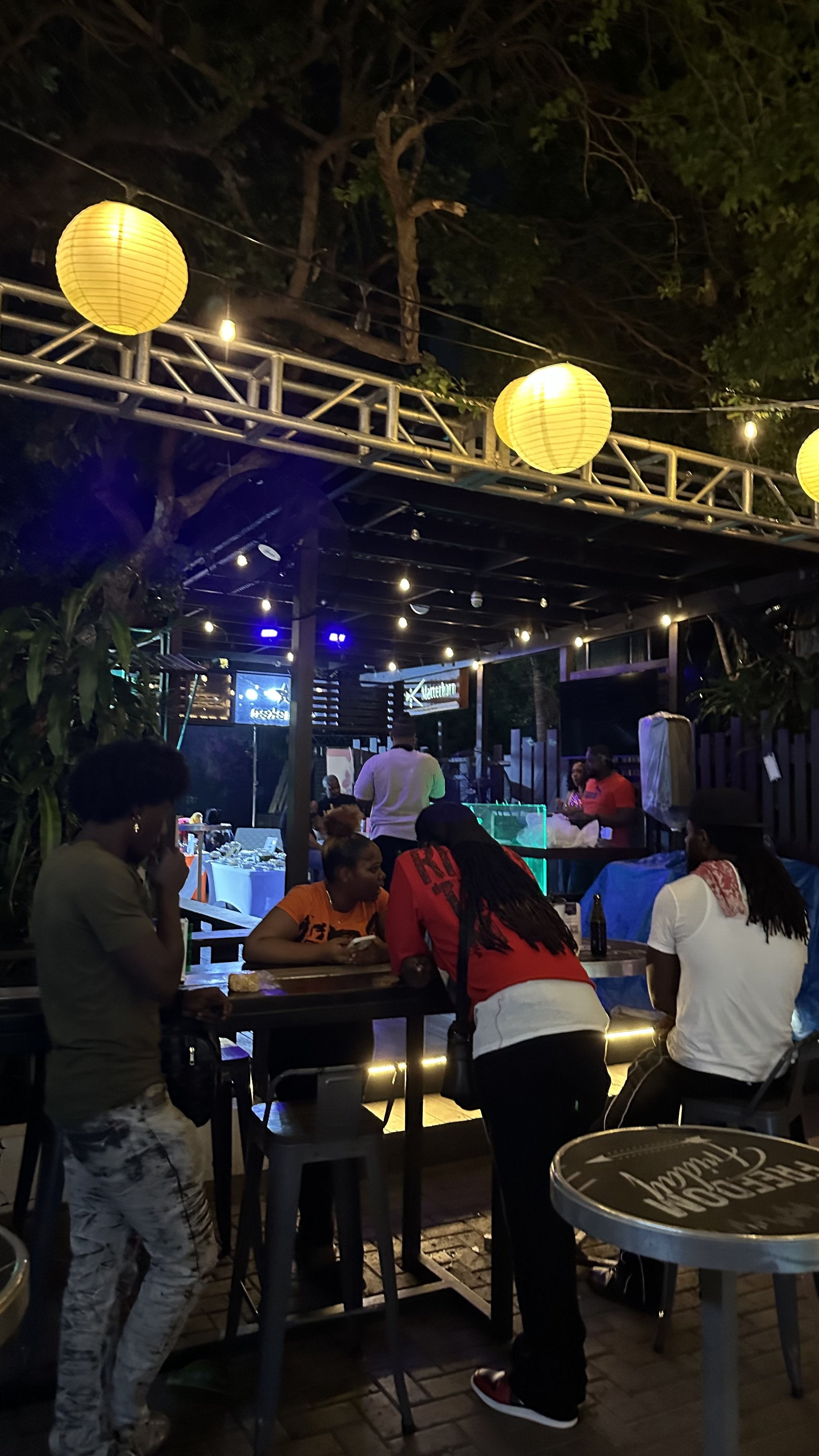
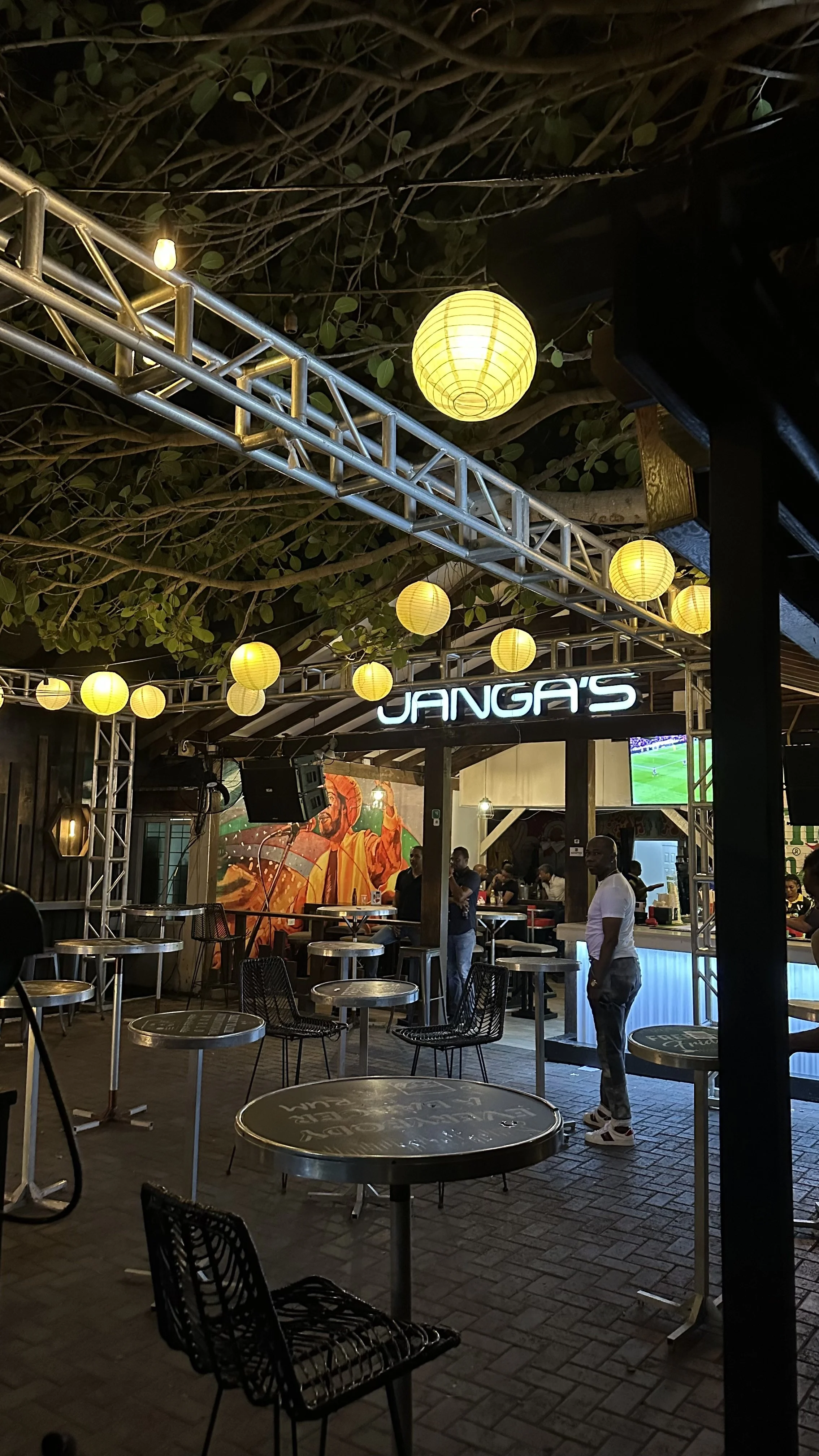
Have dinner and listen to dj music at Janga’s Sound Bar
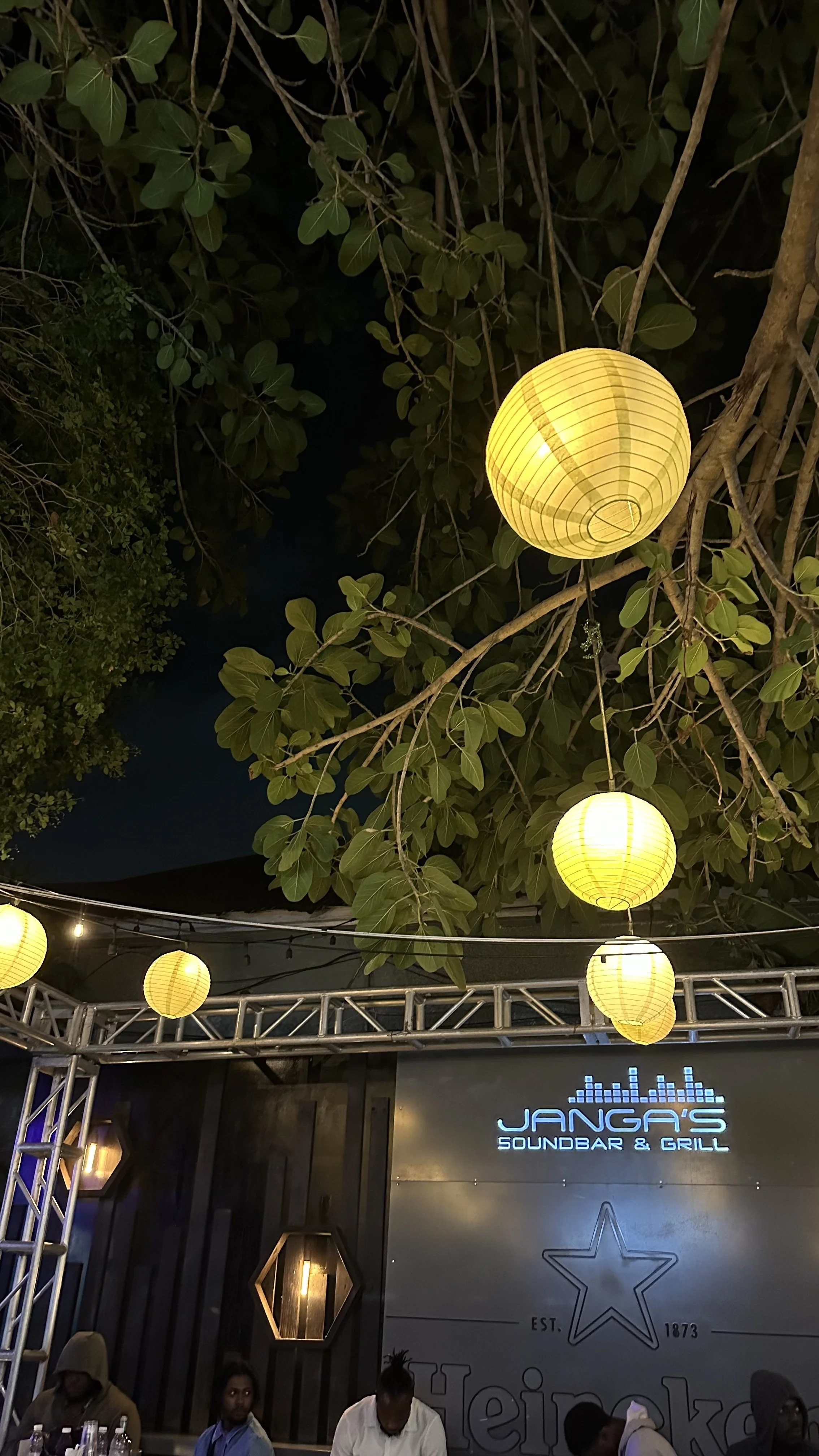
Going to eat at Jangas Sound Bar in Kingston is more than just dinner—it’s a full local experience.
There’s always live DJ music, and the place is mainly frequented by locals, which makes it feel very real and unfiltered. You really get to see people living their everyday nightlife, the way they actually enjoy it.
Day 3
Track & Field (Champs)
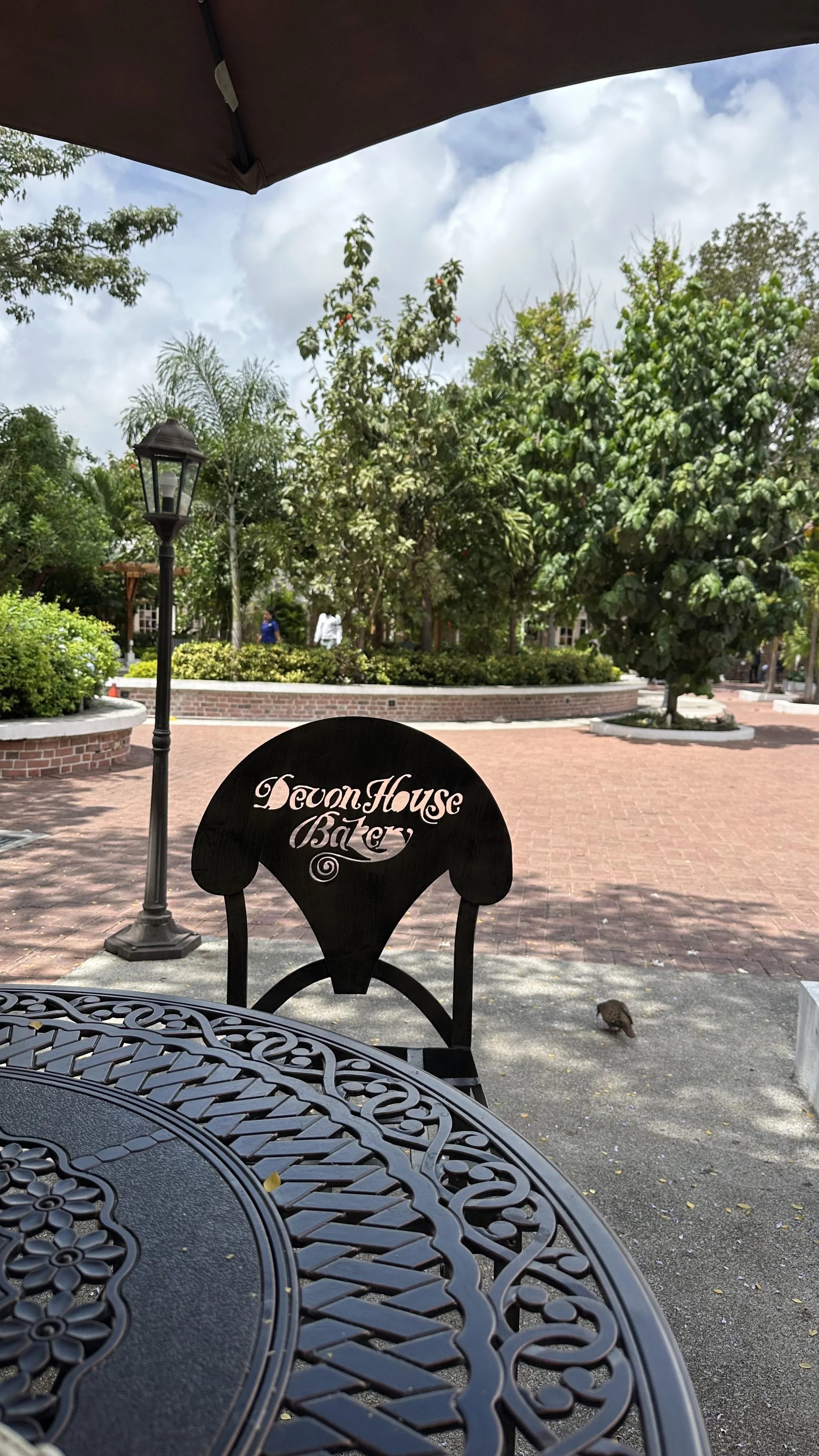
Breakfast at Devon House
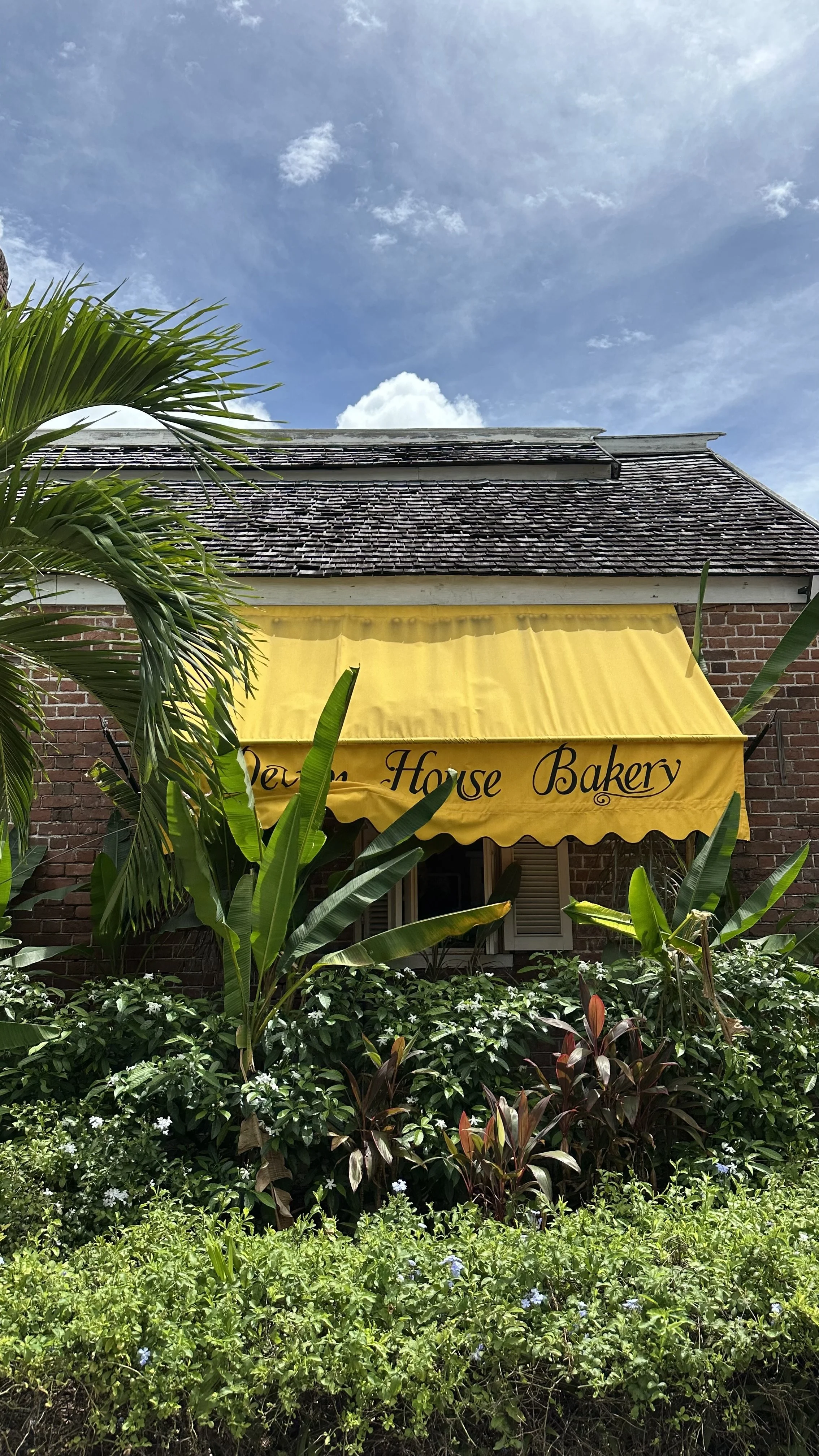
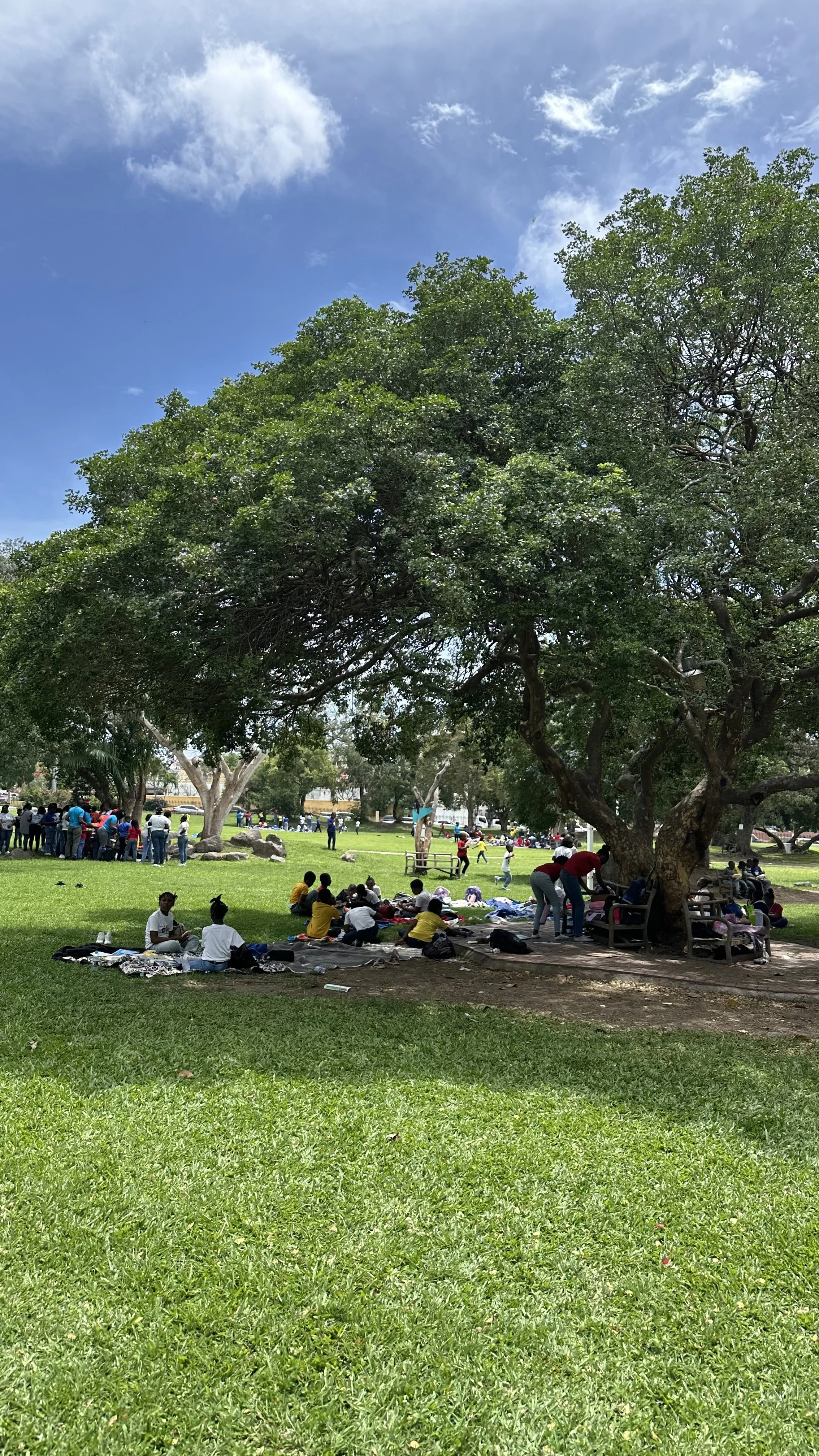
Devon House in Kingston is one of those places where locals actually hang out, especially families. It’s like a little hub where you can find a bit of everything—there’s a big garden with a kids area where children play, and all around you have different spots to eat.
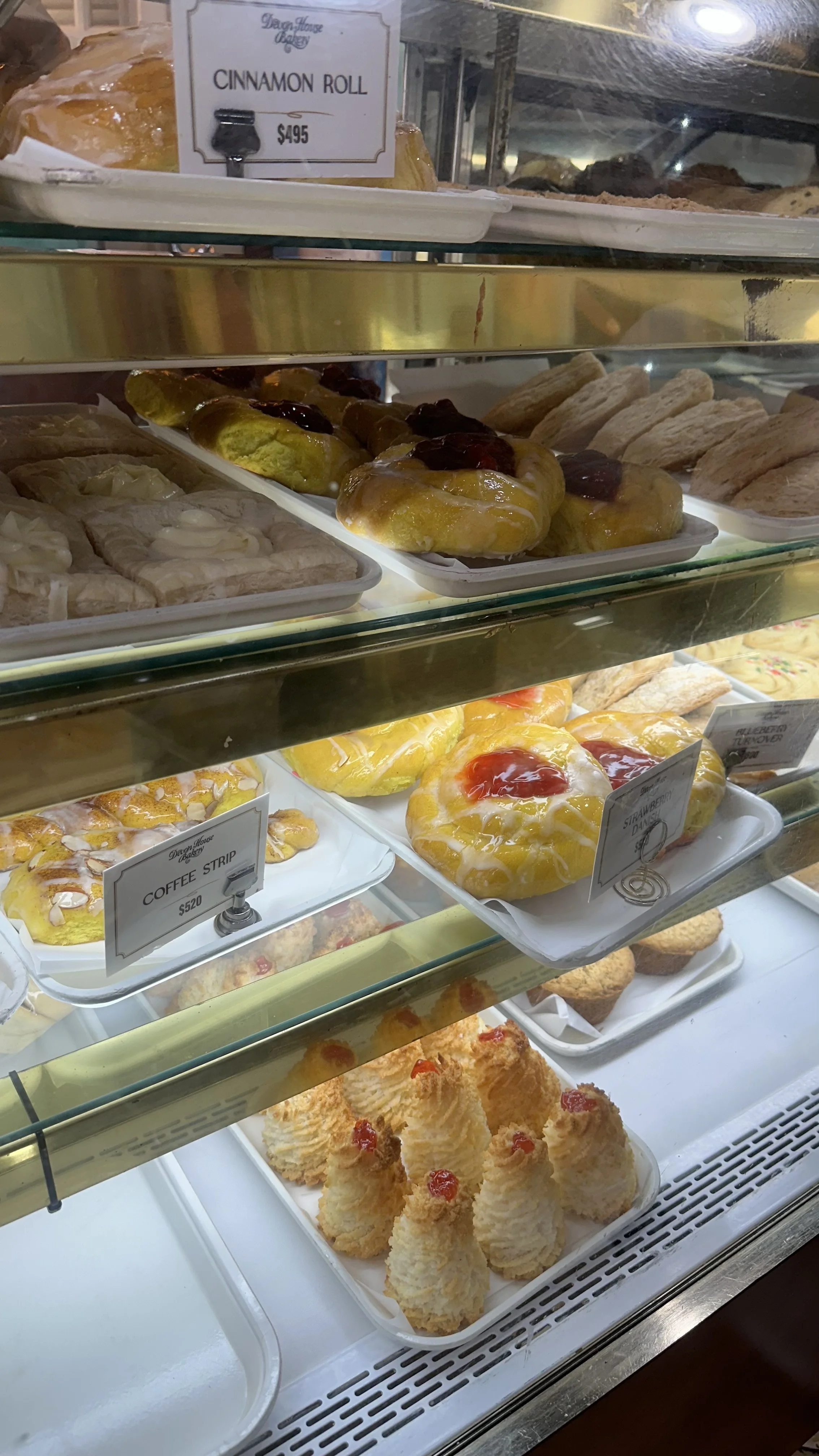
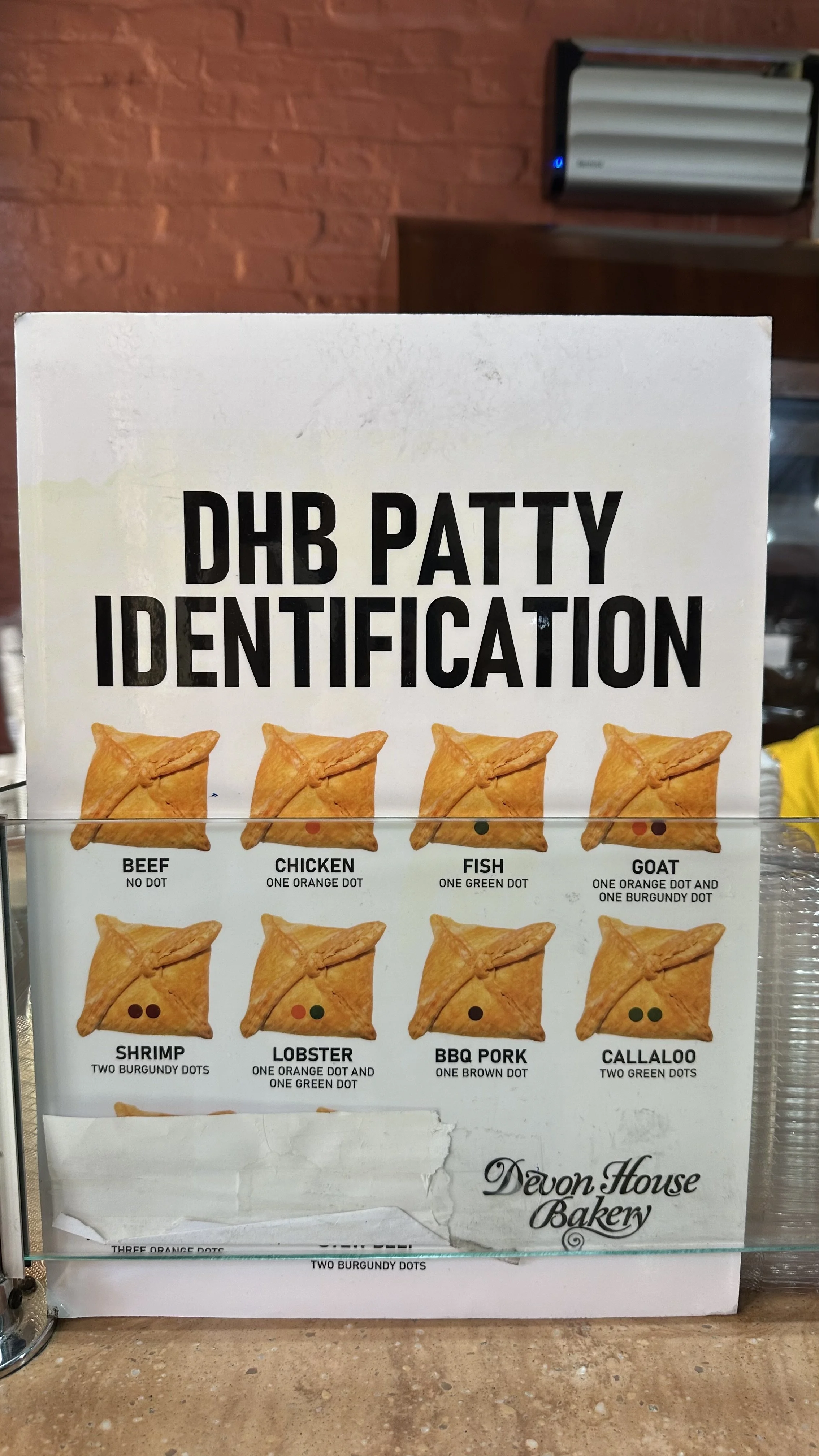
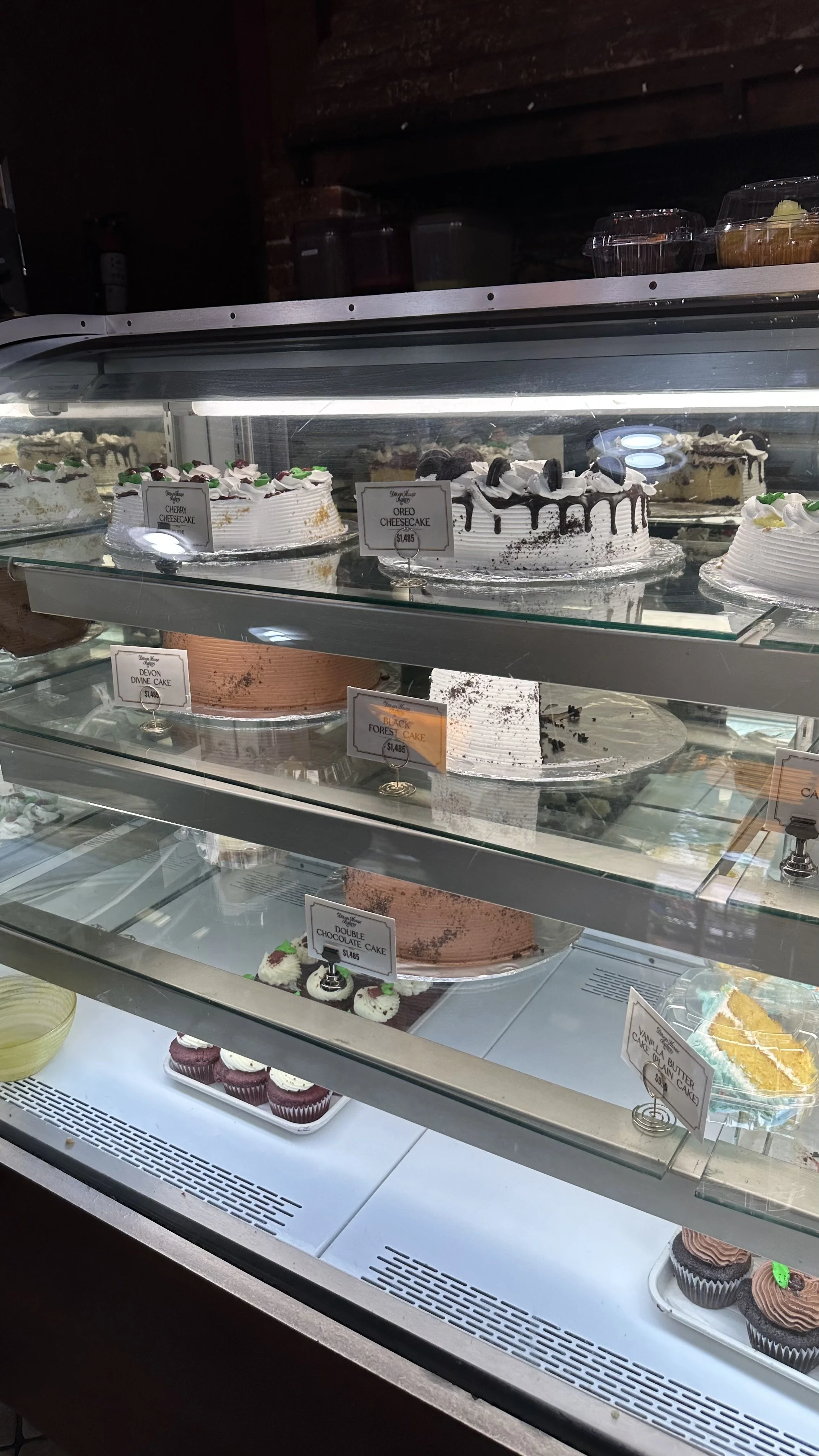
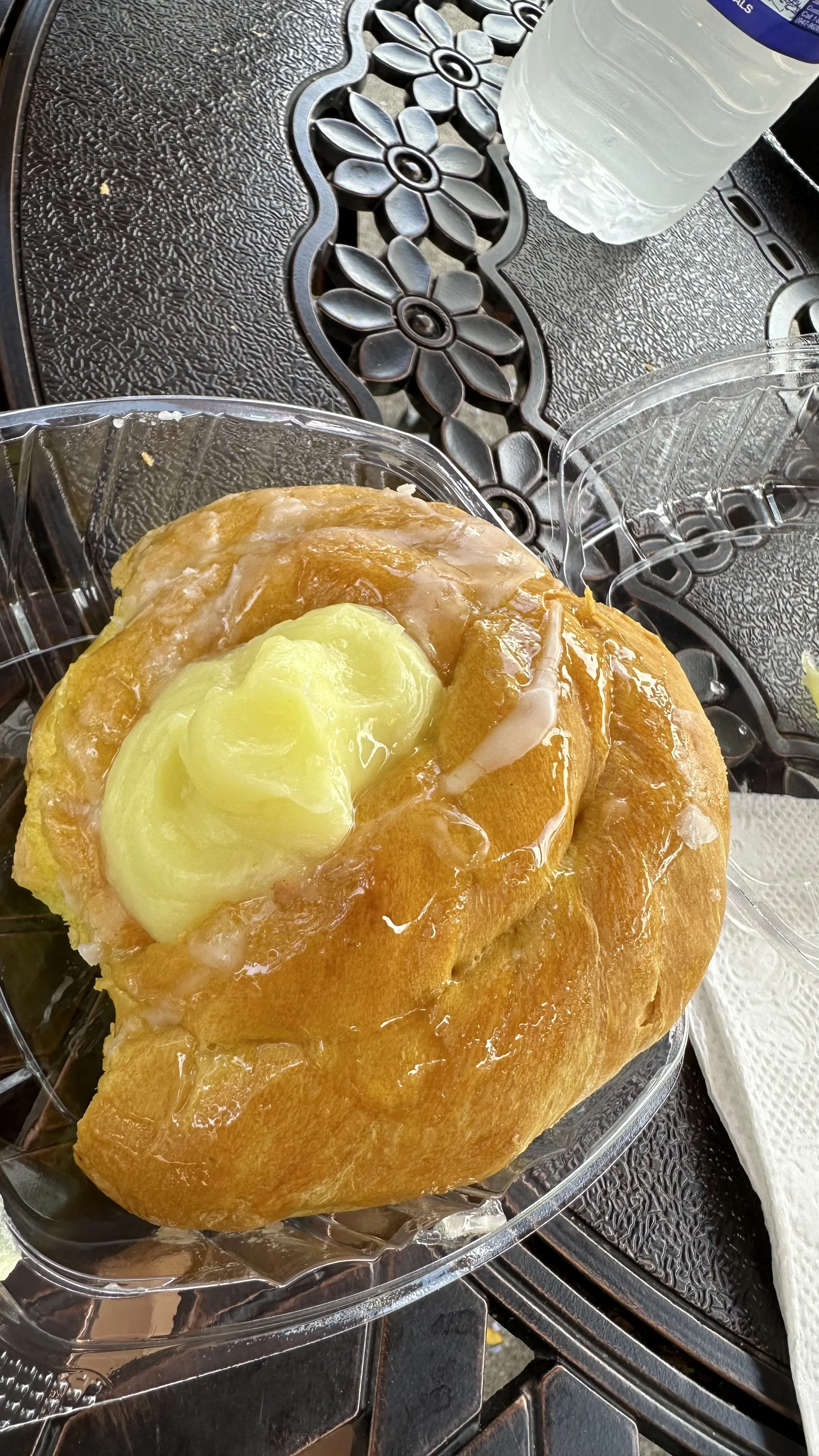
It’s worth stopping at Devon Bakery, where you’ll find very American-style desserts, super big (XXL size), but honestly really good—we loved the brownie and the lemon danish.
You can also try patties here, the typical Jamaican savory Patties filled with juicy meat, perfect as a quick snack.
Inside Devon House you’ll also find the famous ice cream shop, said to be one of the best on the island, and a juice spot called Coco Raw, which is very popular among locals.
It’s the kind of place where you can spend a couple of relaxed hours and just enjoy the everyday vibe of Kingston.
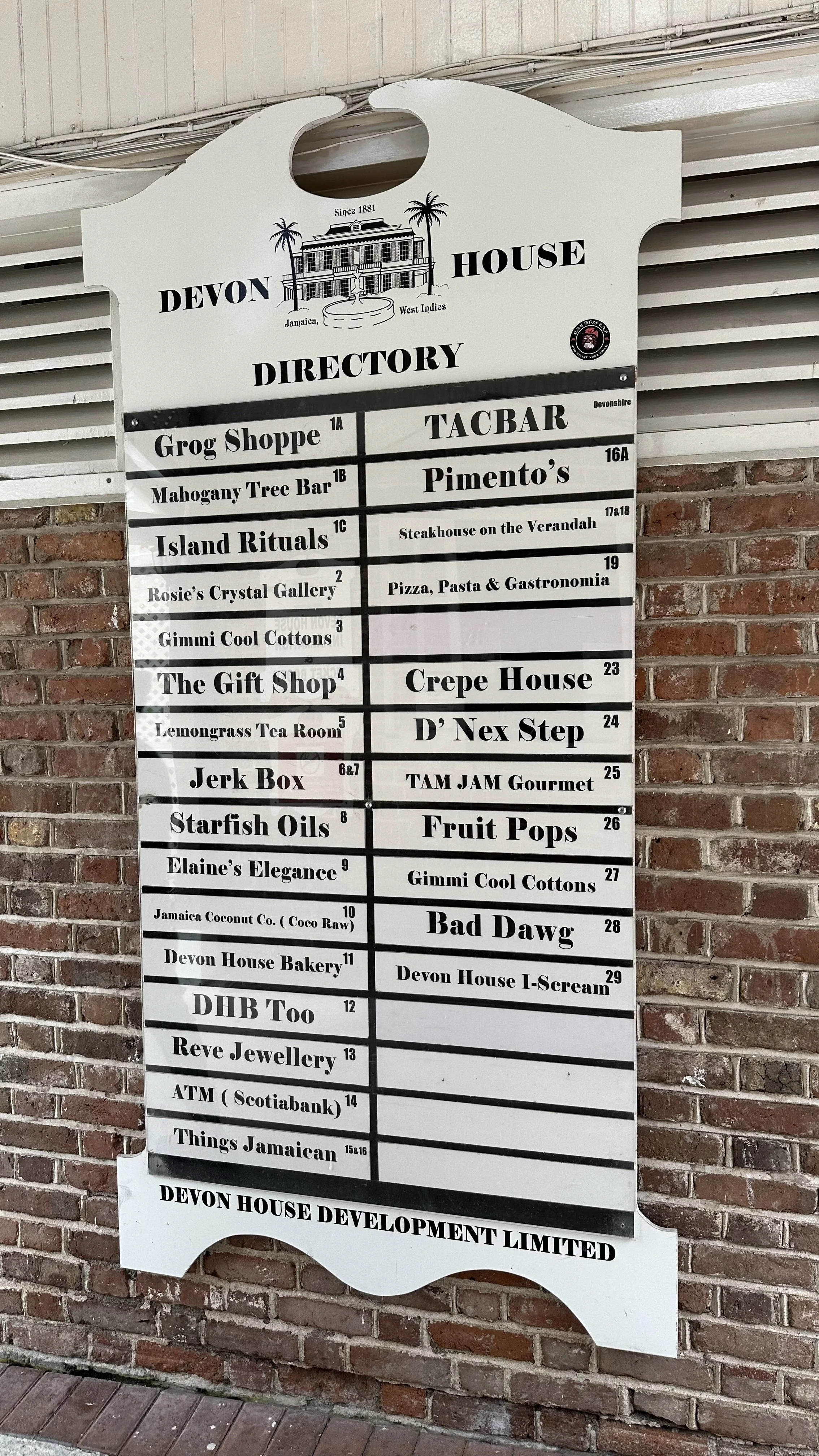
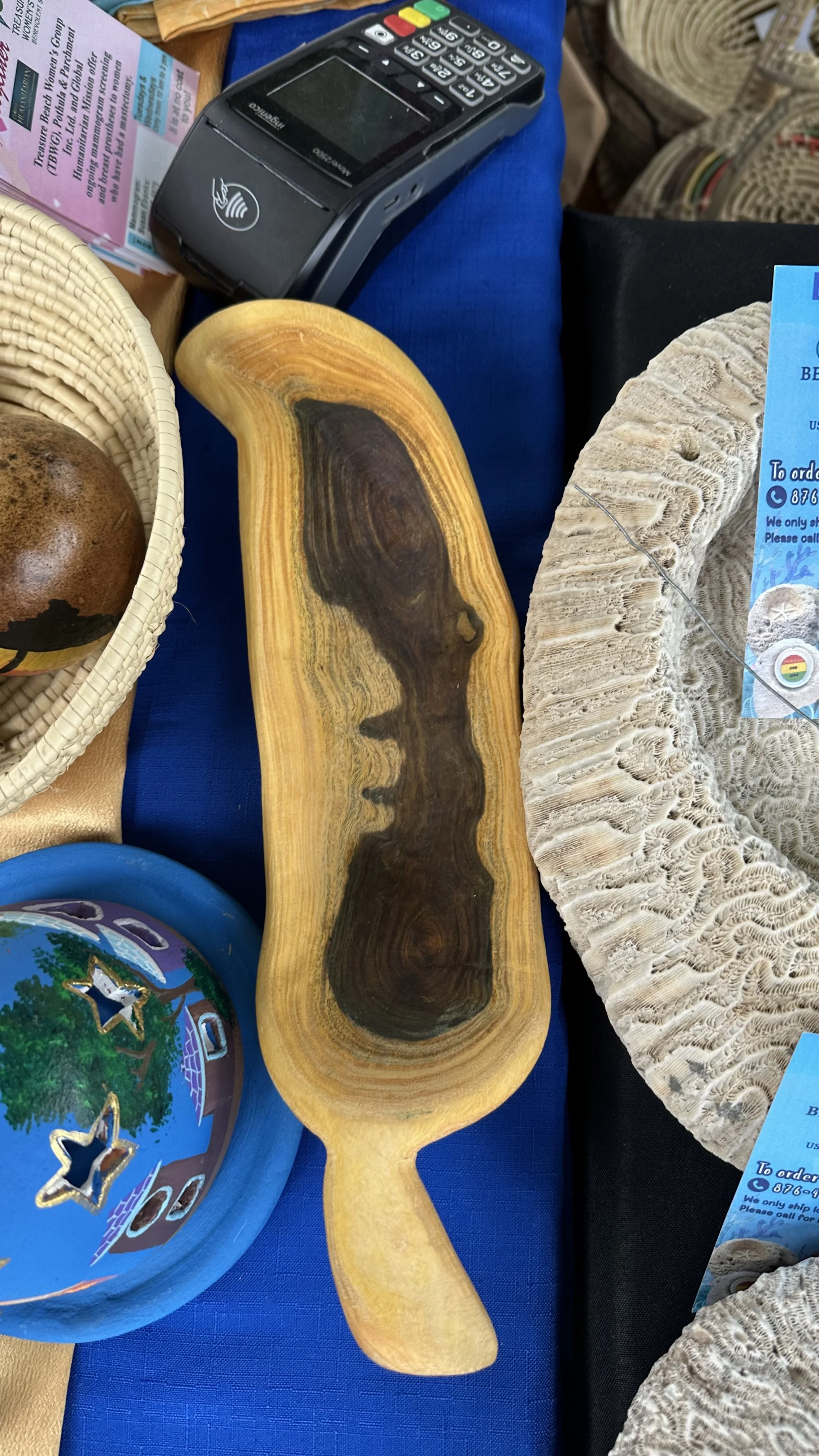
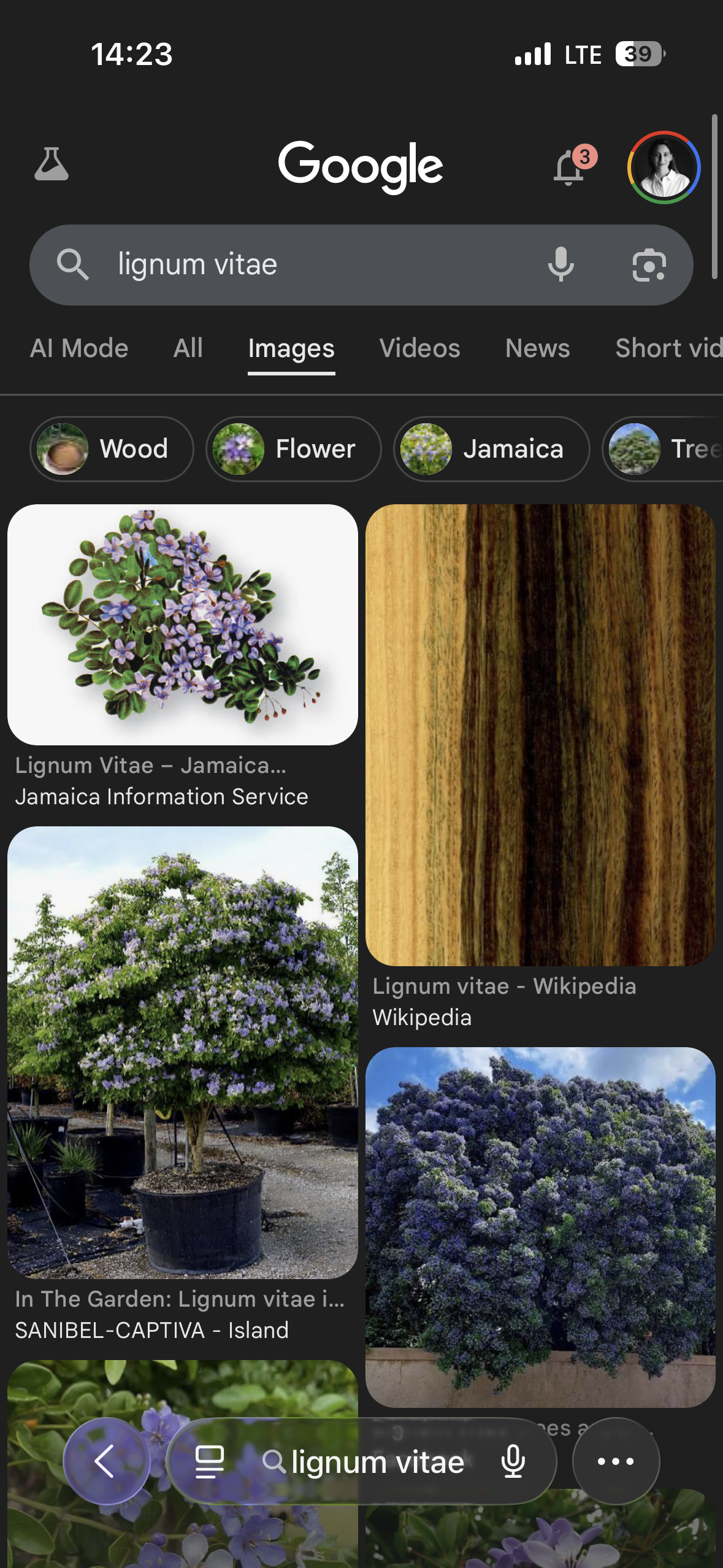
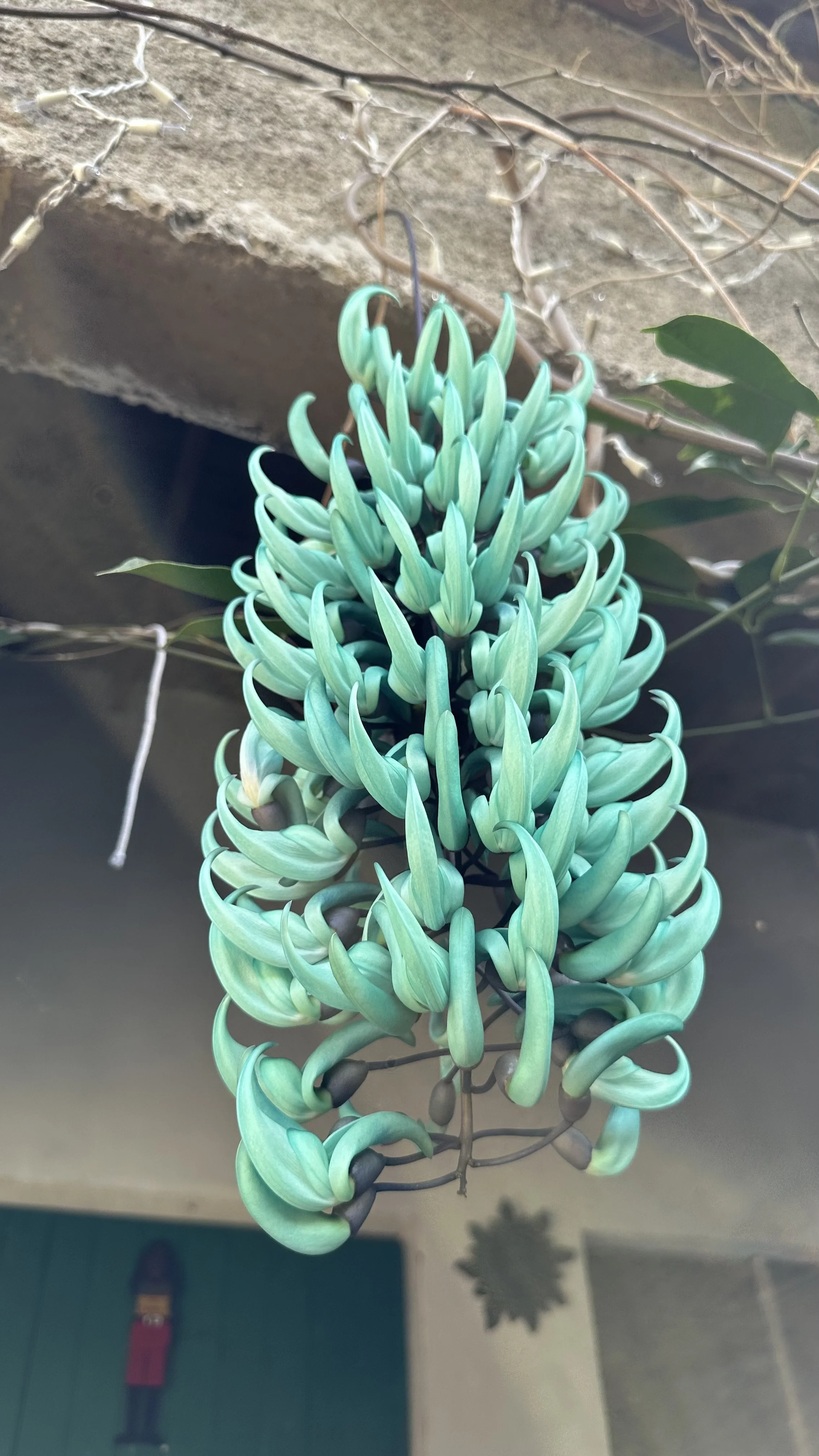
On Sundays, Devon House also hosts small markets with local artisans selling handmade pieces, and it’s definitely worth stopping by. You can find really unique things, all crafted locally. I got a very special fruit bowl made from lignum vitae, which is a tree native to Jamaica. It’s actually the national tree of the island, known for its incredibly dense and durable wood, but also for its beautiful blue-purple flowers that you can spot around the island—even in the gardens of Devon House. It’s a really nice way to take home something meaningful and local.
Watch a Track and Field event
Track and field is deeply part of Jamaican culture and identity—it’s not just a sport here, it’s almost a way of life. The island is known worldwide for producing some of the fastest athletes ever, and this passion starts from a very young age. For many kids, running is a real dream and opportunity, sometimes even a way to build a future beyond the island.
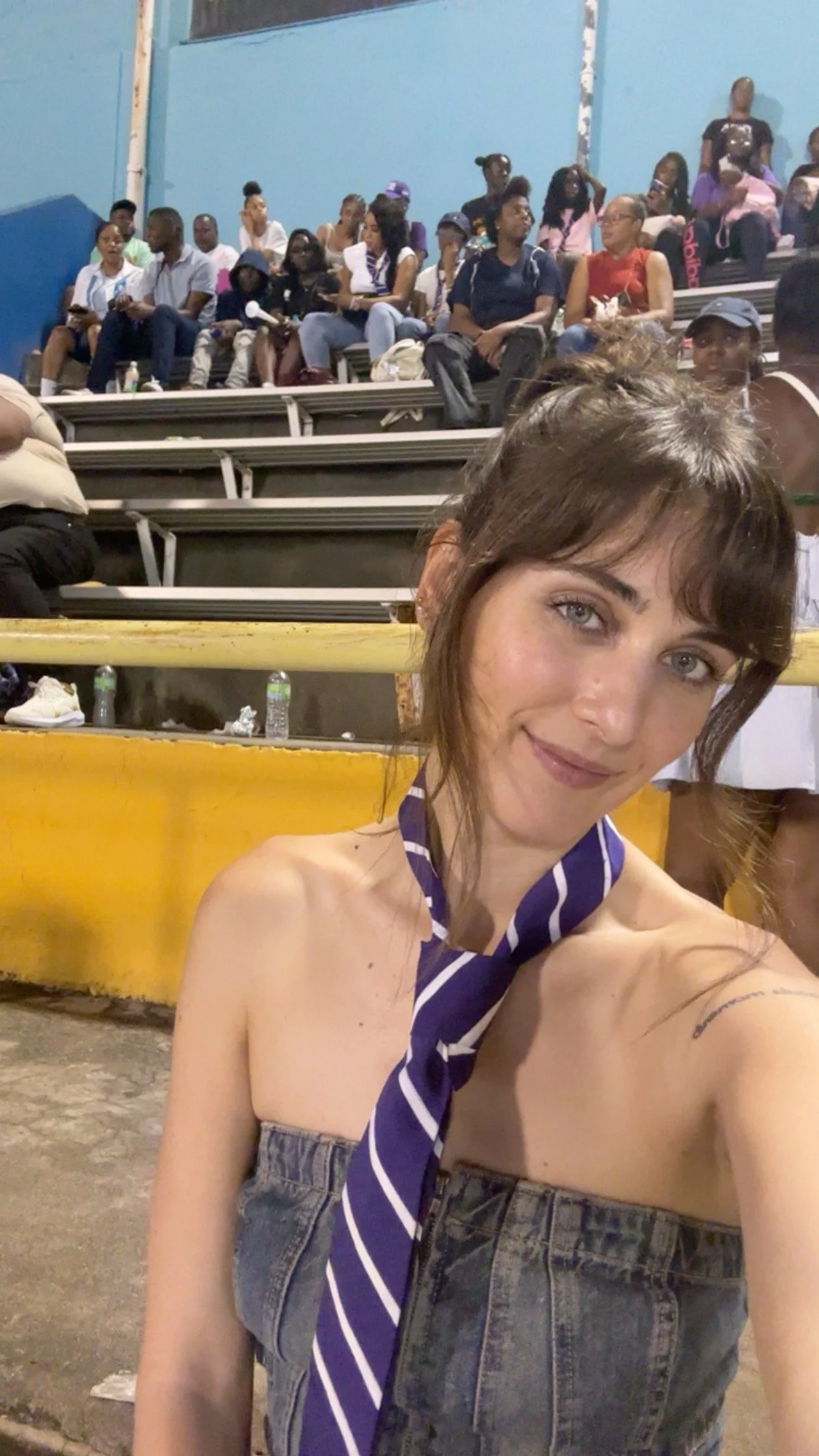
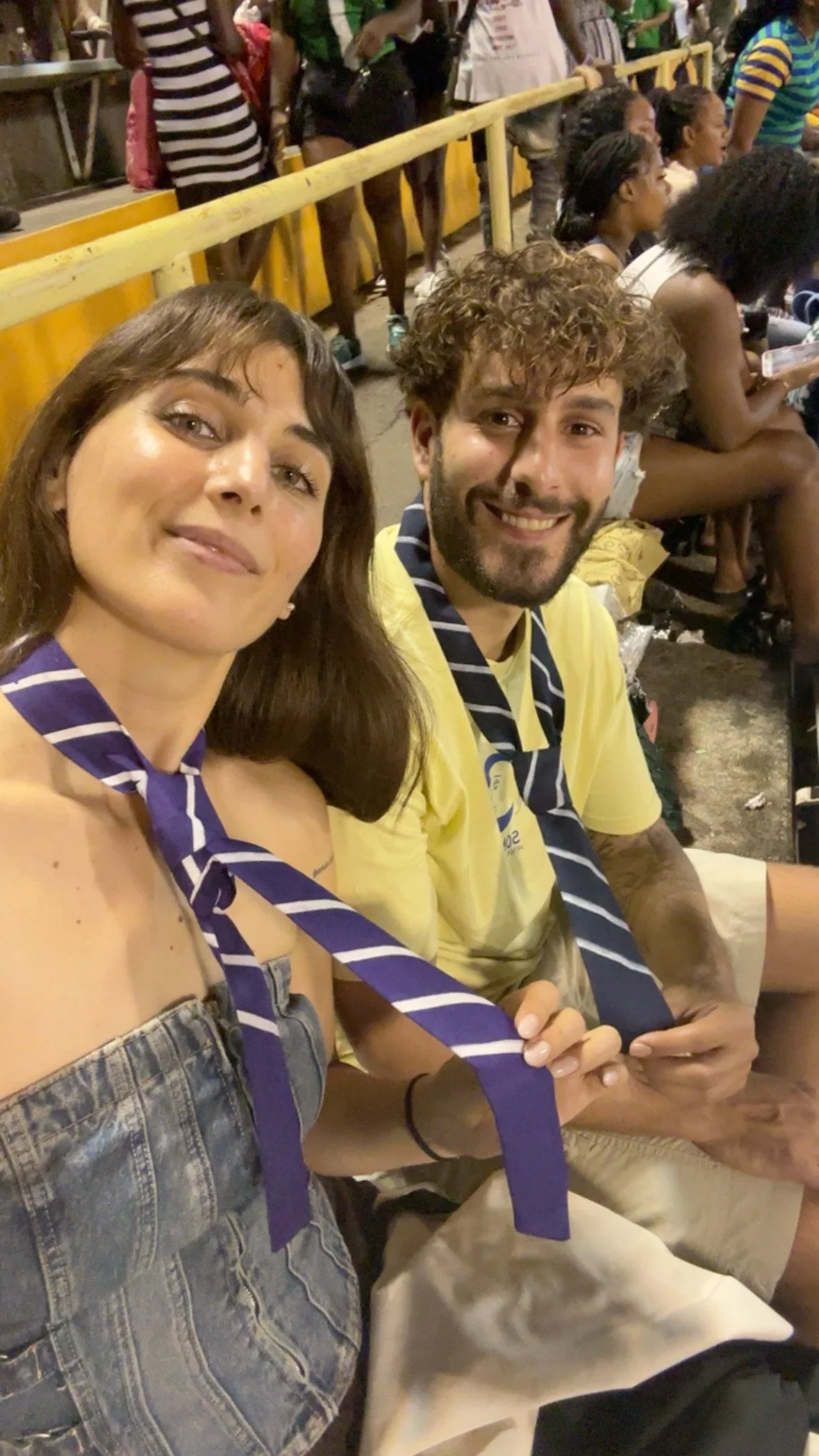
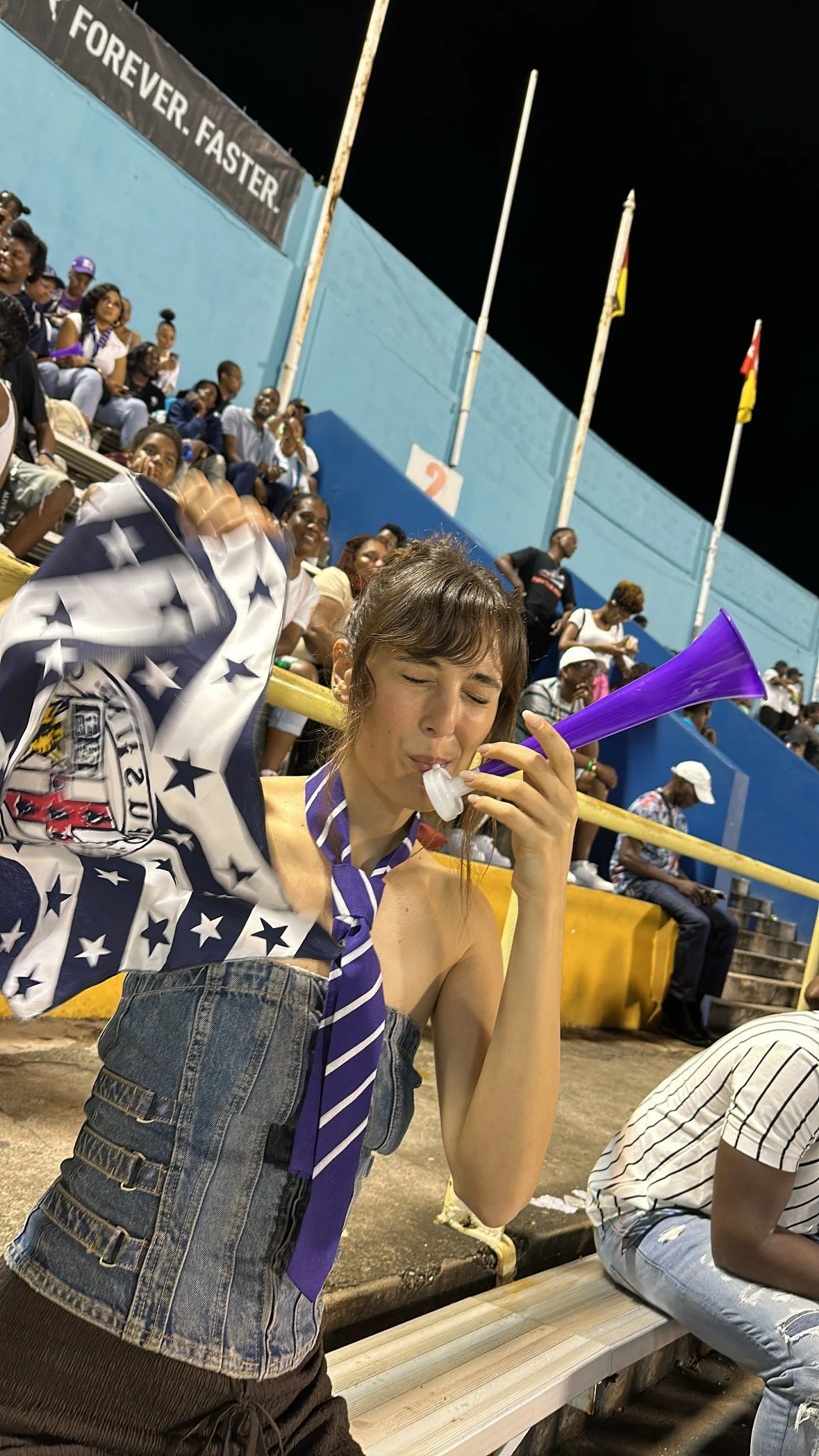
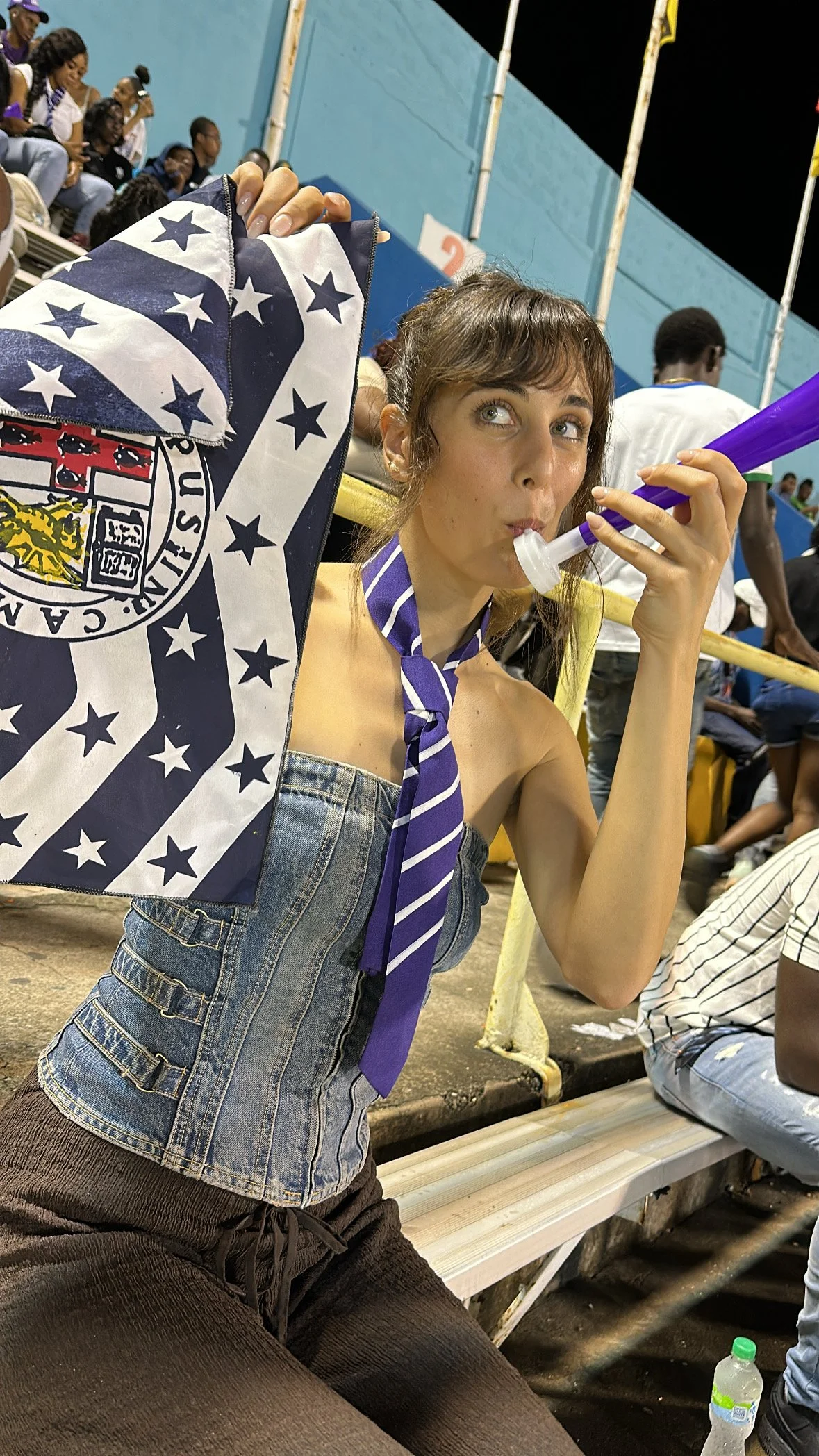
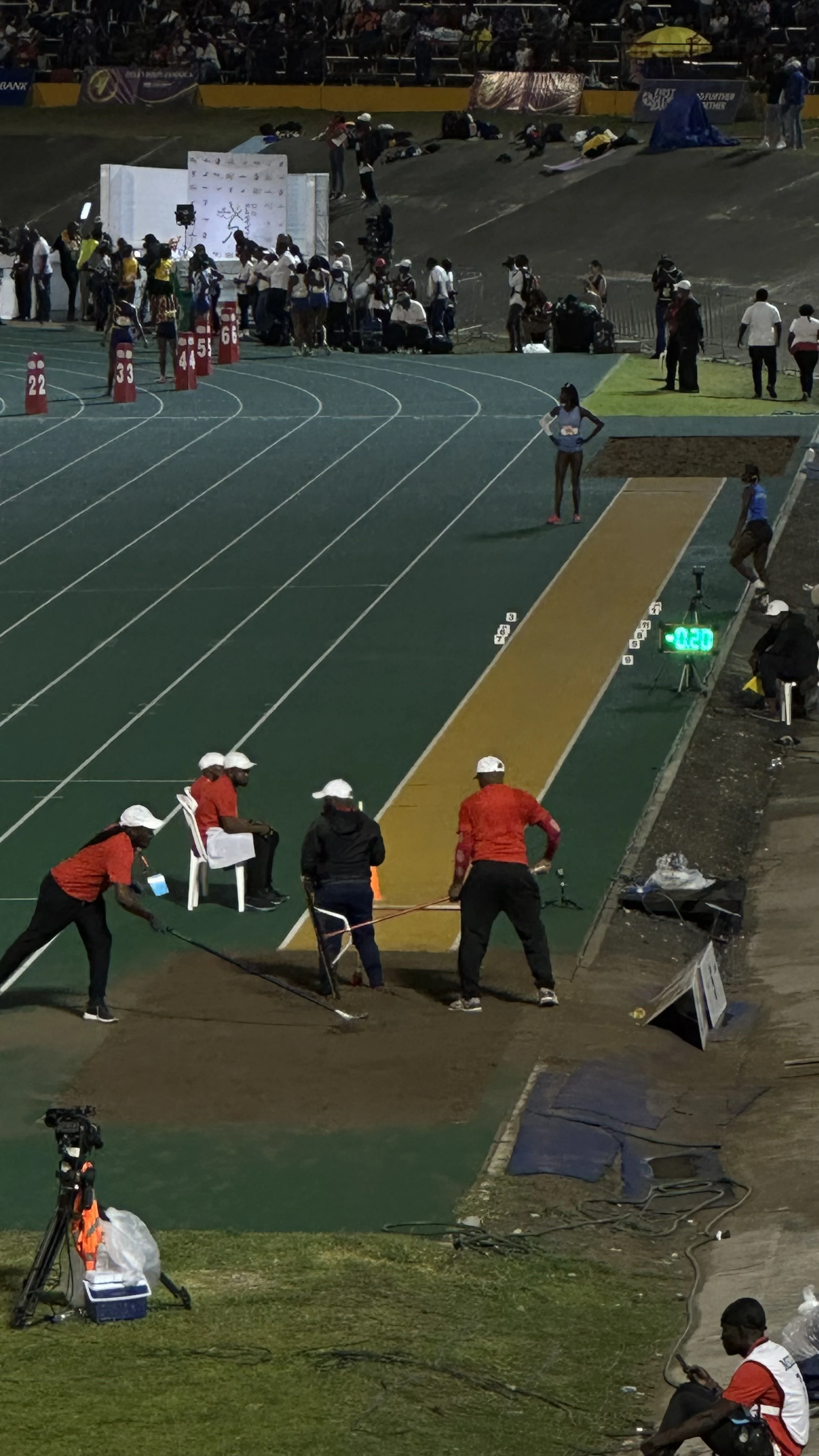
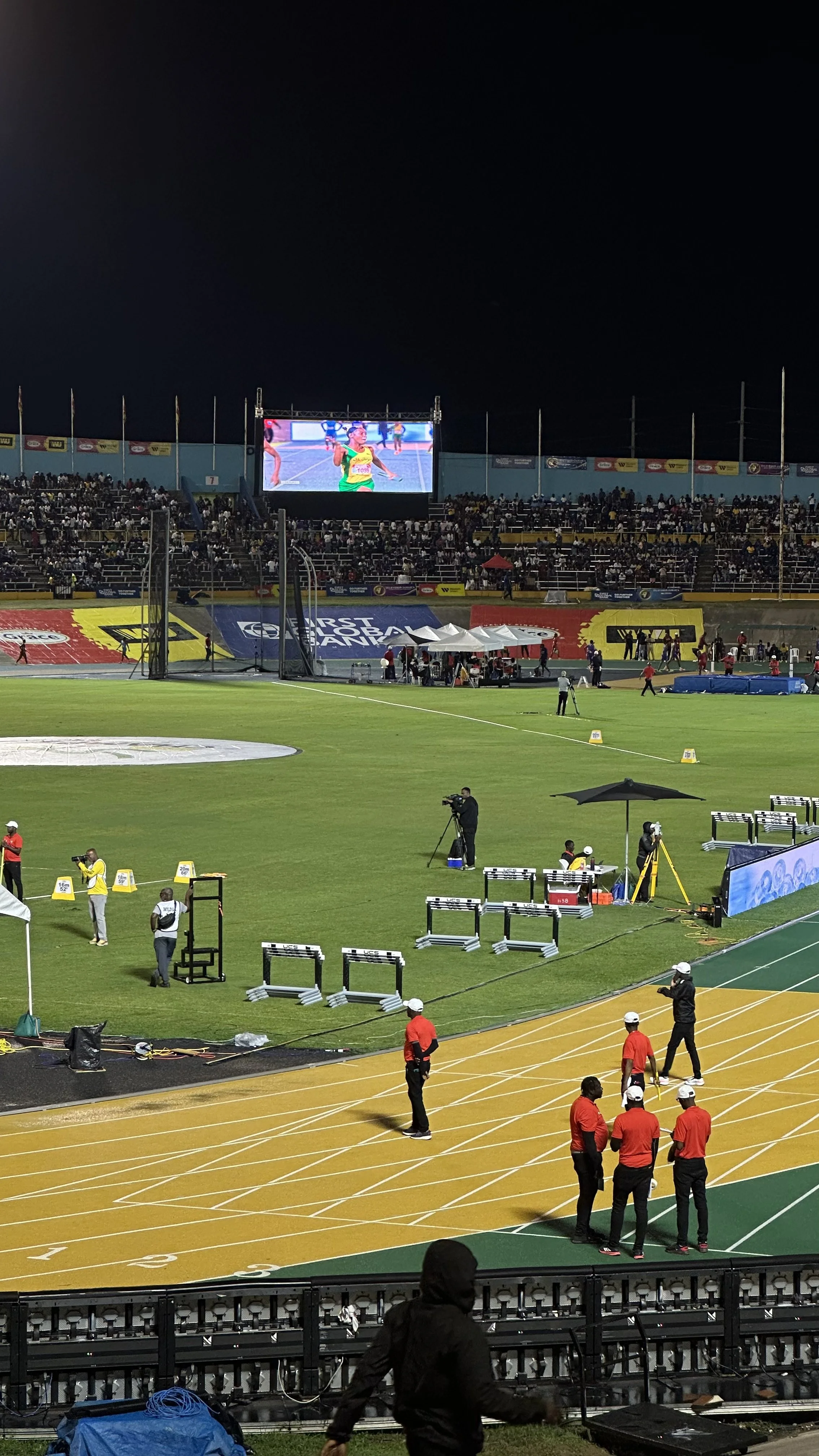
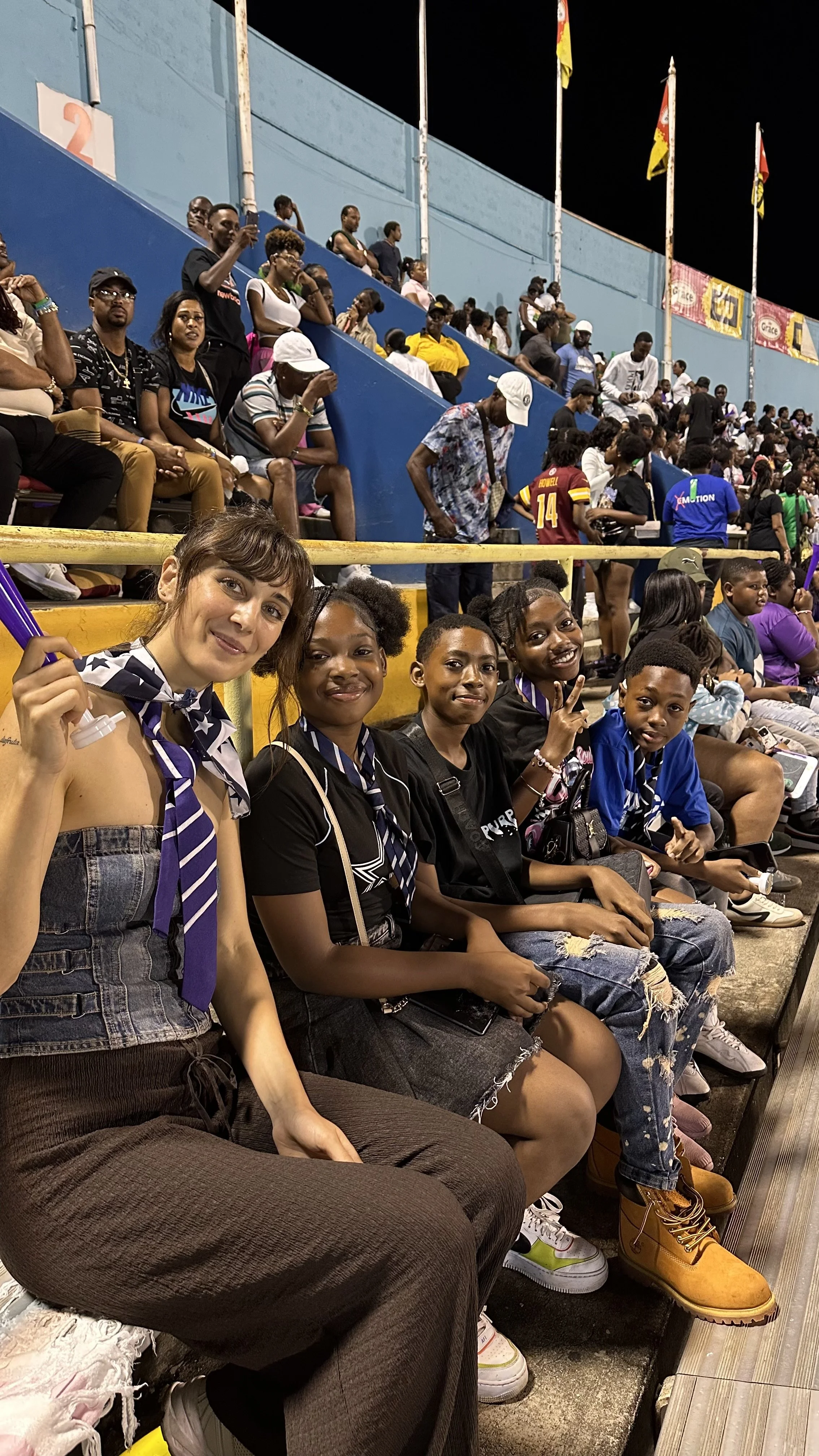
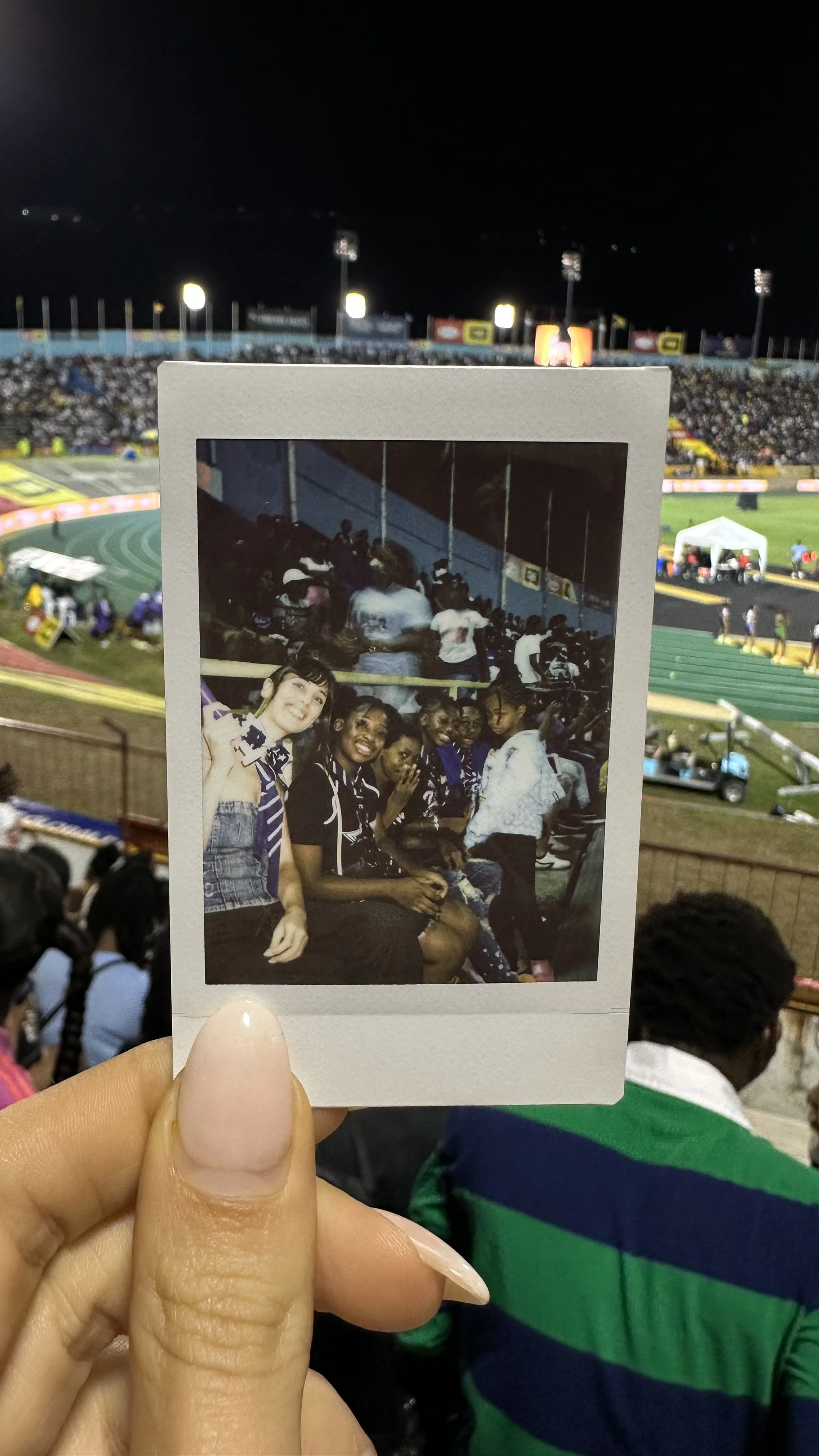
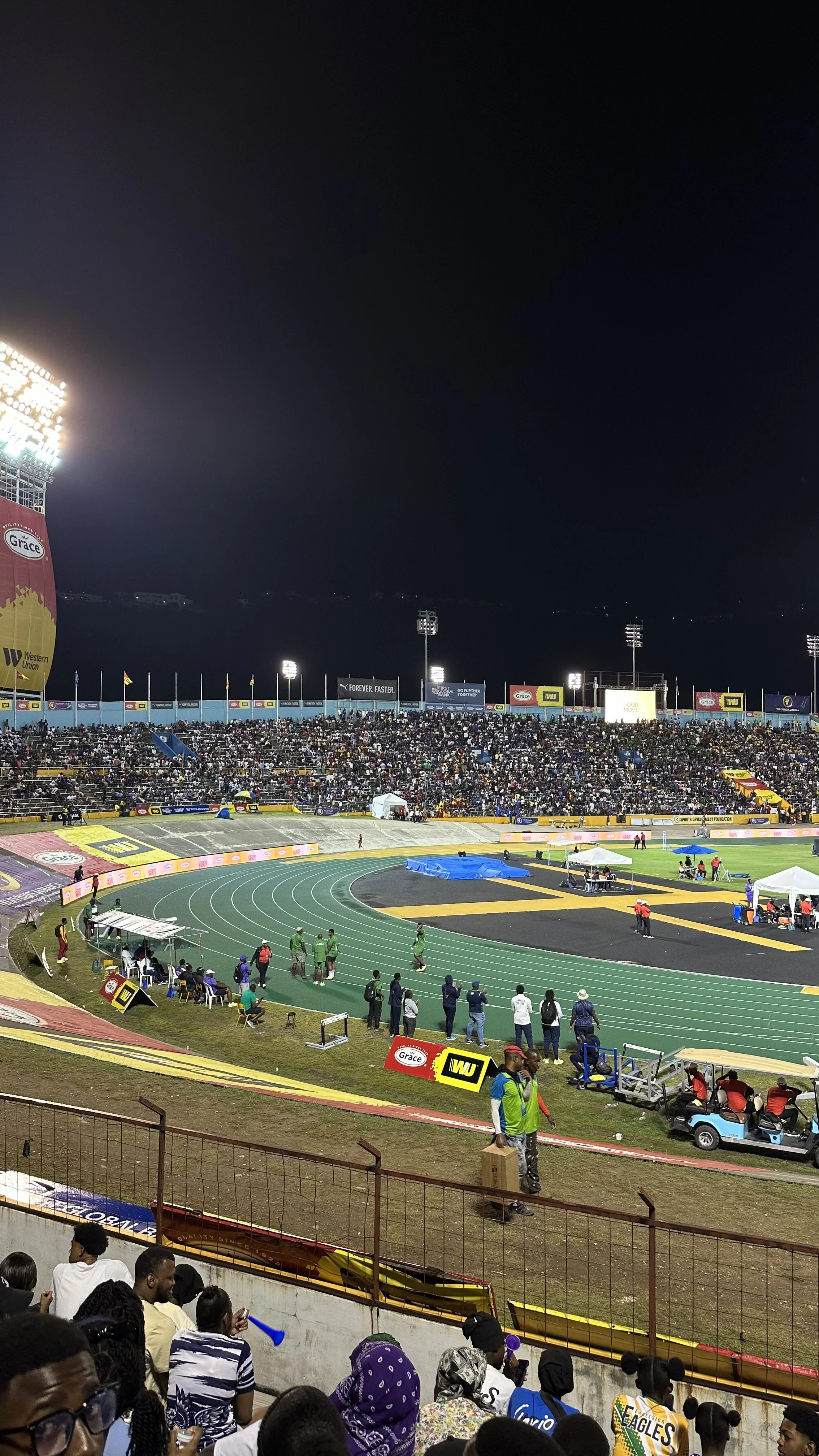
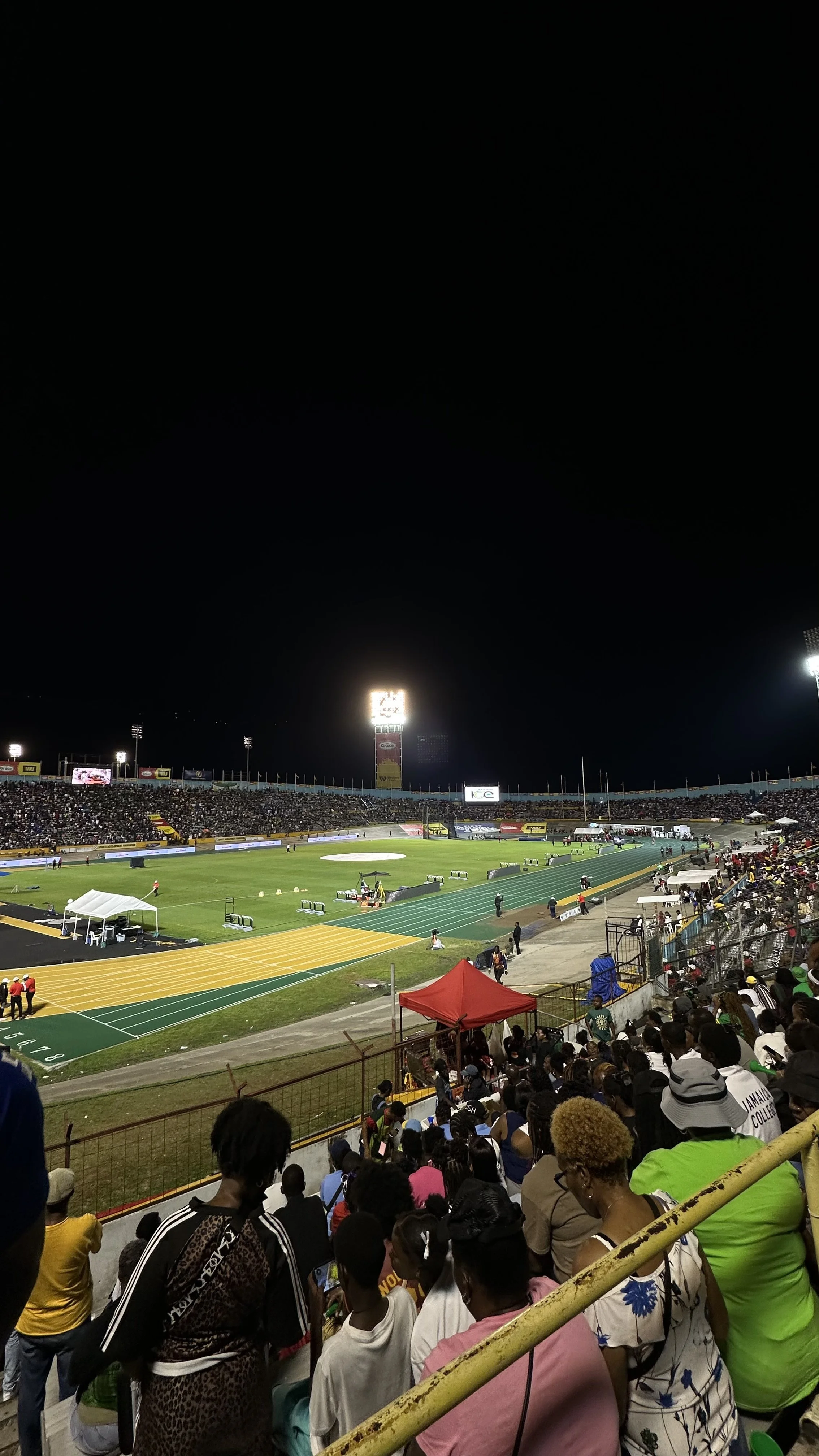
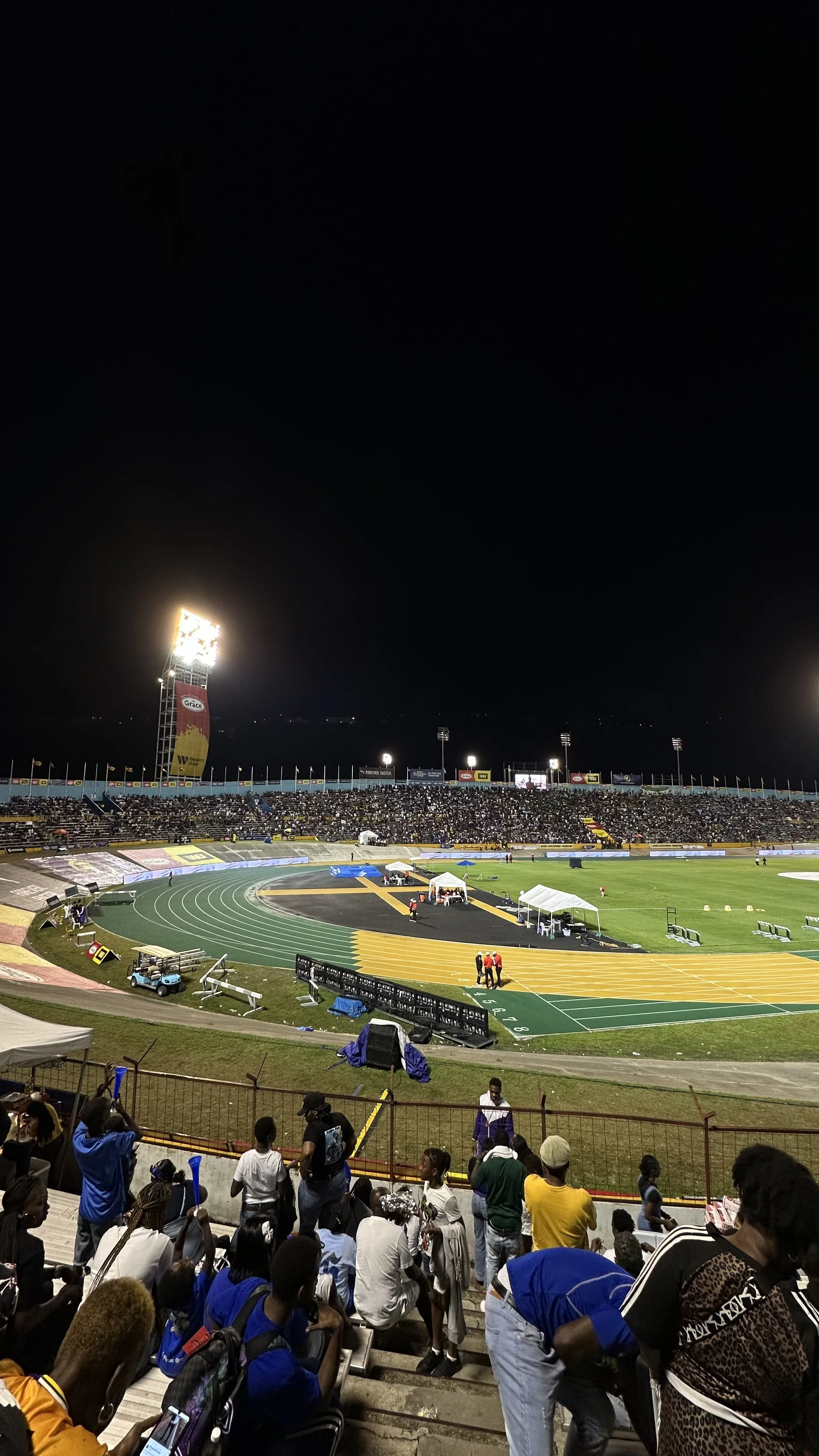
The most important event of the year is the ISSA/GraceKennedy Boys and Girls Championships, known as “Champs”, a national high school competition that takes place over several days, usually at the end of March. It’s a huge event—almost like a national celebration—where schools compete and the entire country follows with pride.
I was lucky enough to be in Jamaica during this period and attend some of the races, and it was honestly one of the most intense and real experiences I had. The stadium is full, the energy is insane, and you can feel how much it means—not just for the athletes, but for families, schools, and the whole community.
Even outside of Champs, it’s worth looking for smaller track and field events around the island, just to experience how deeply rooted and alive this sport is in everyday Jamaican life.
Pan Chicken Man
You’ll often come across the Pan Chicken Man, especially outside the National Stadium after matches, but they’re actually found all over the island. They’re street food vendors who cook chicken in large metal pans or makeshift grills, right there on the spot, usually over charcoal. The chicken is marinated with local spices, often similar to jerk flavors, and then slowly cooked until it’s super smoky and flavorful. It’s very simple, very local, and usually surrounded by music, people hanging out, and that typical Jamaican street vibe.
✿
Have dinner, drinks and music in Kingston
Here is a list of some other places you can check out in Kingston, choose your favorite!
Clubbing at the Dub Club on Sundays
This is the main event locals go to on Sundays, and it’s where uprising artists play!
Day 4
Blue Mountains, Living in a Tree House
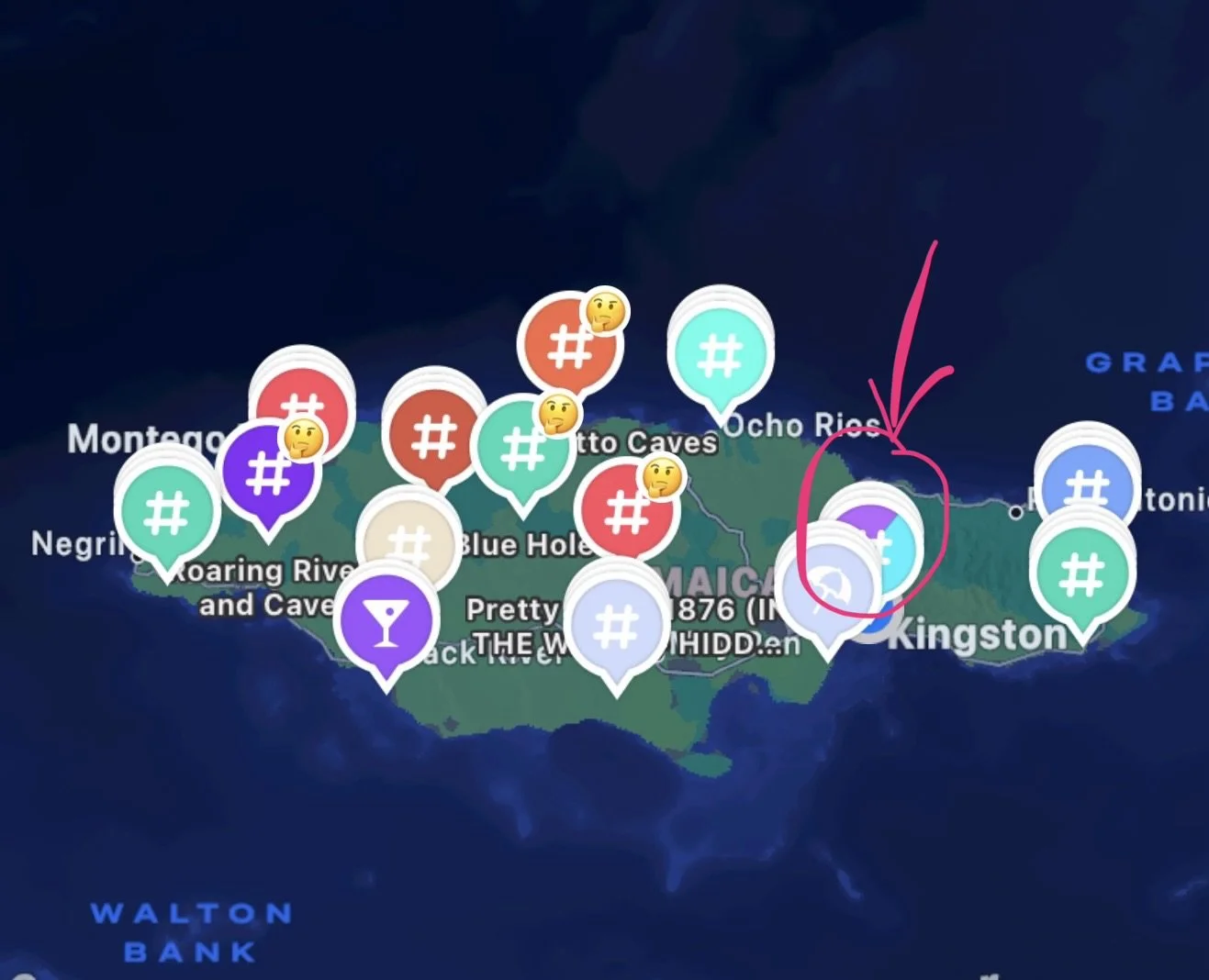
If you wish to find my map pins and easily follow them, follow me on mapstr!
Drive through Blue Mountains from Kingston
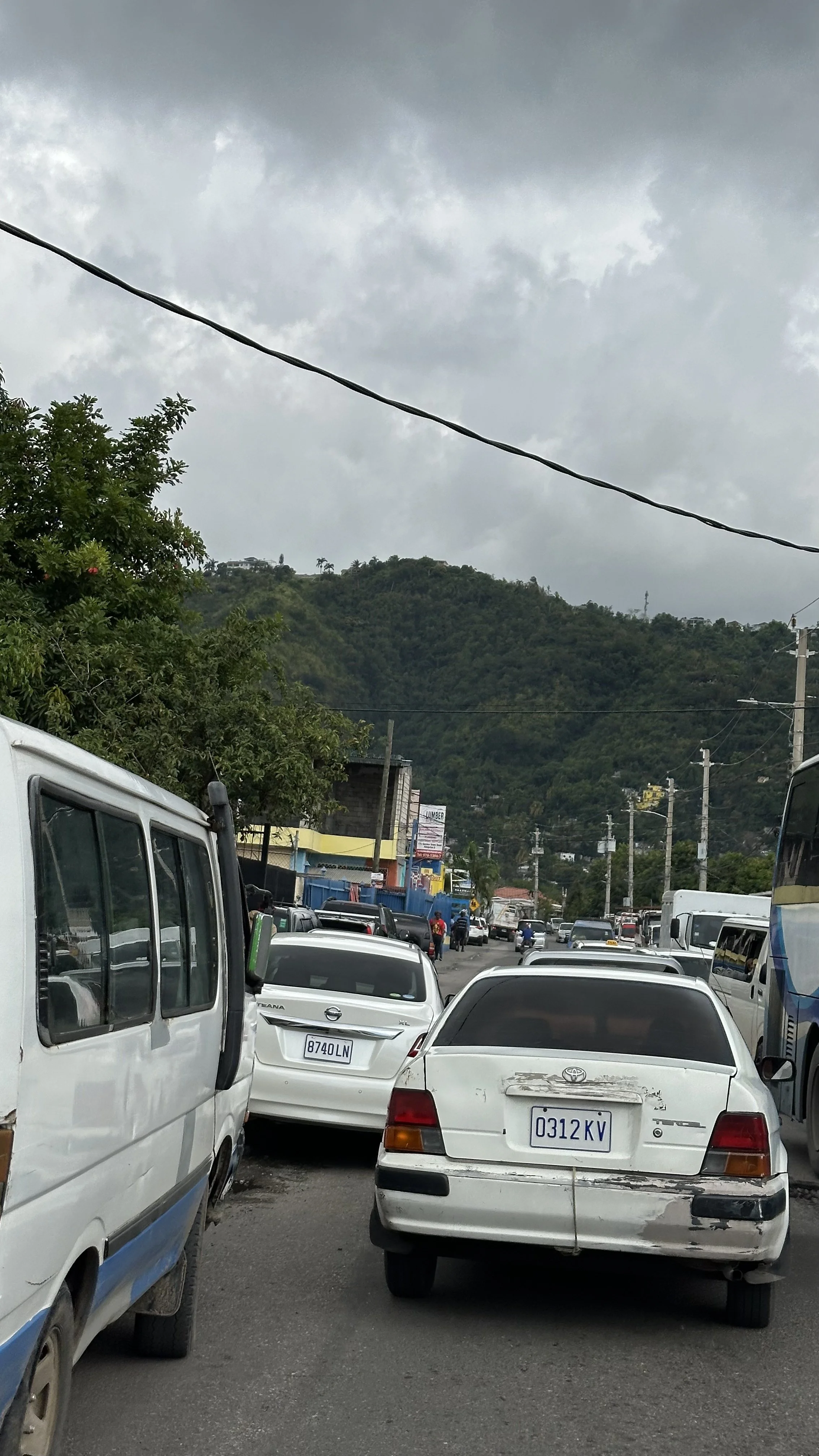
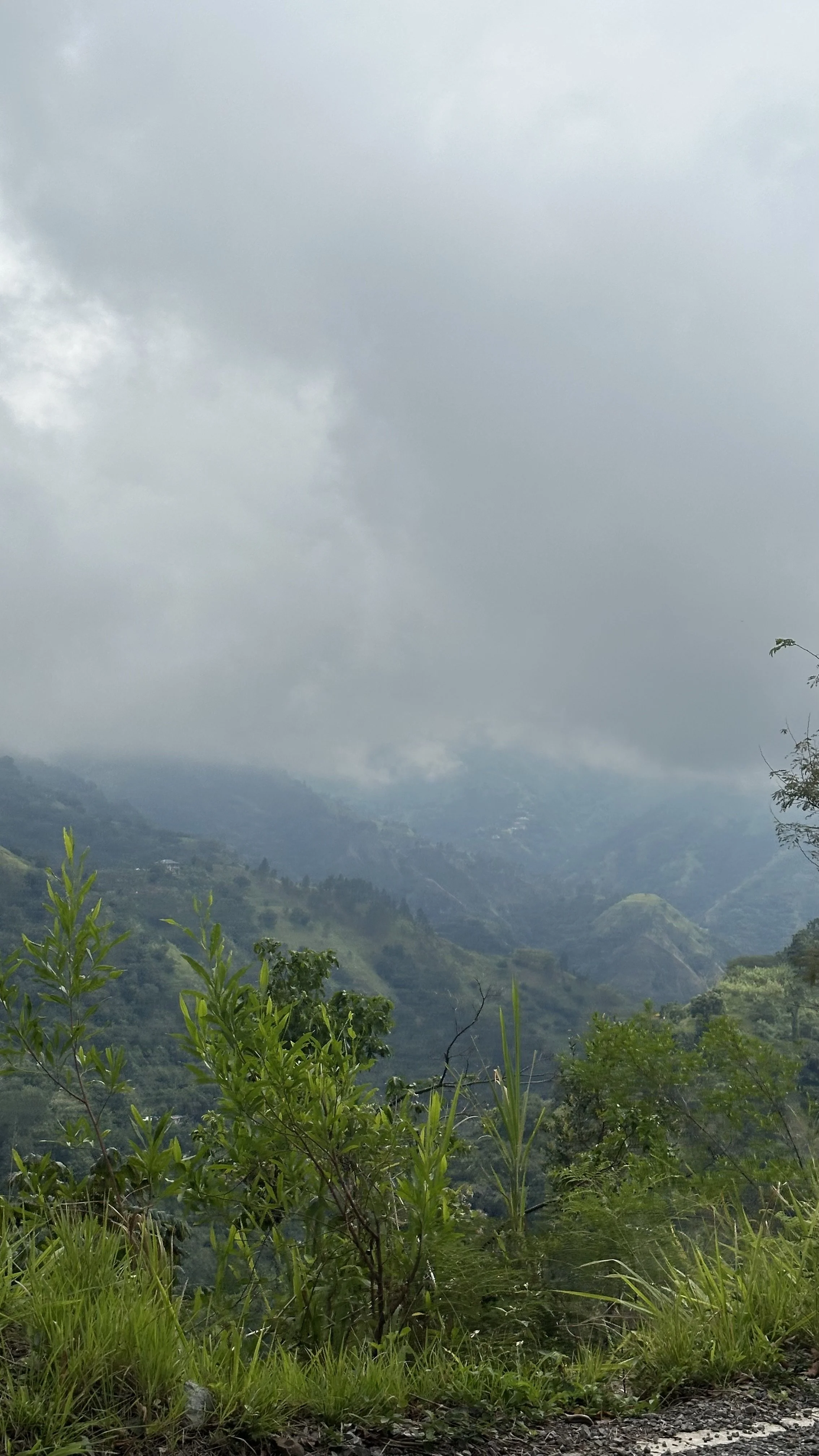
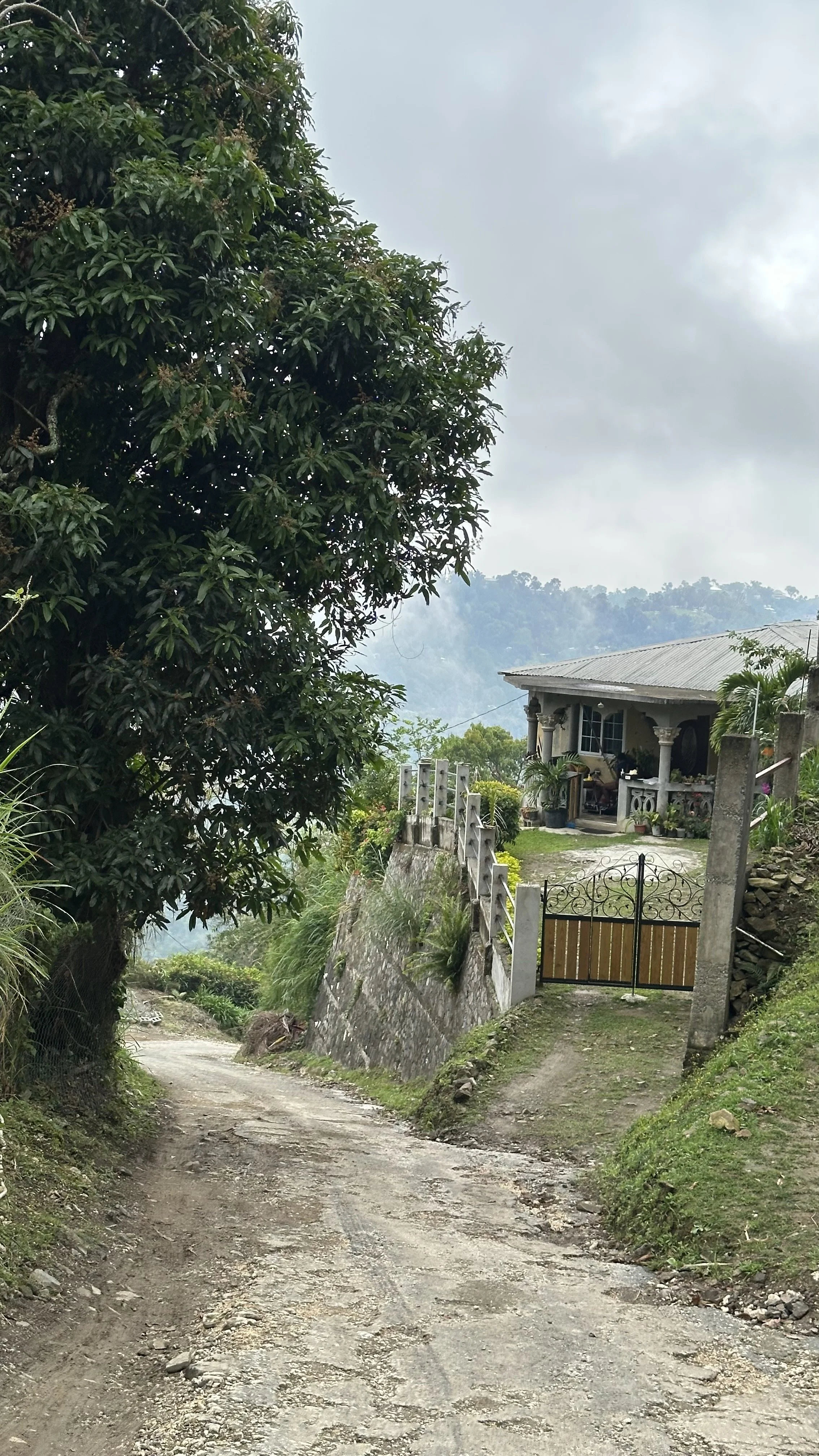
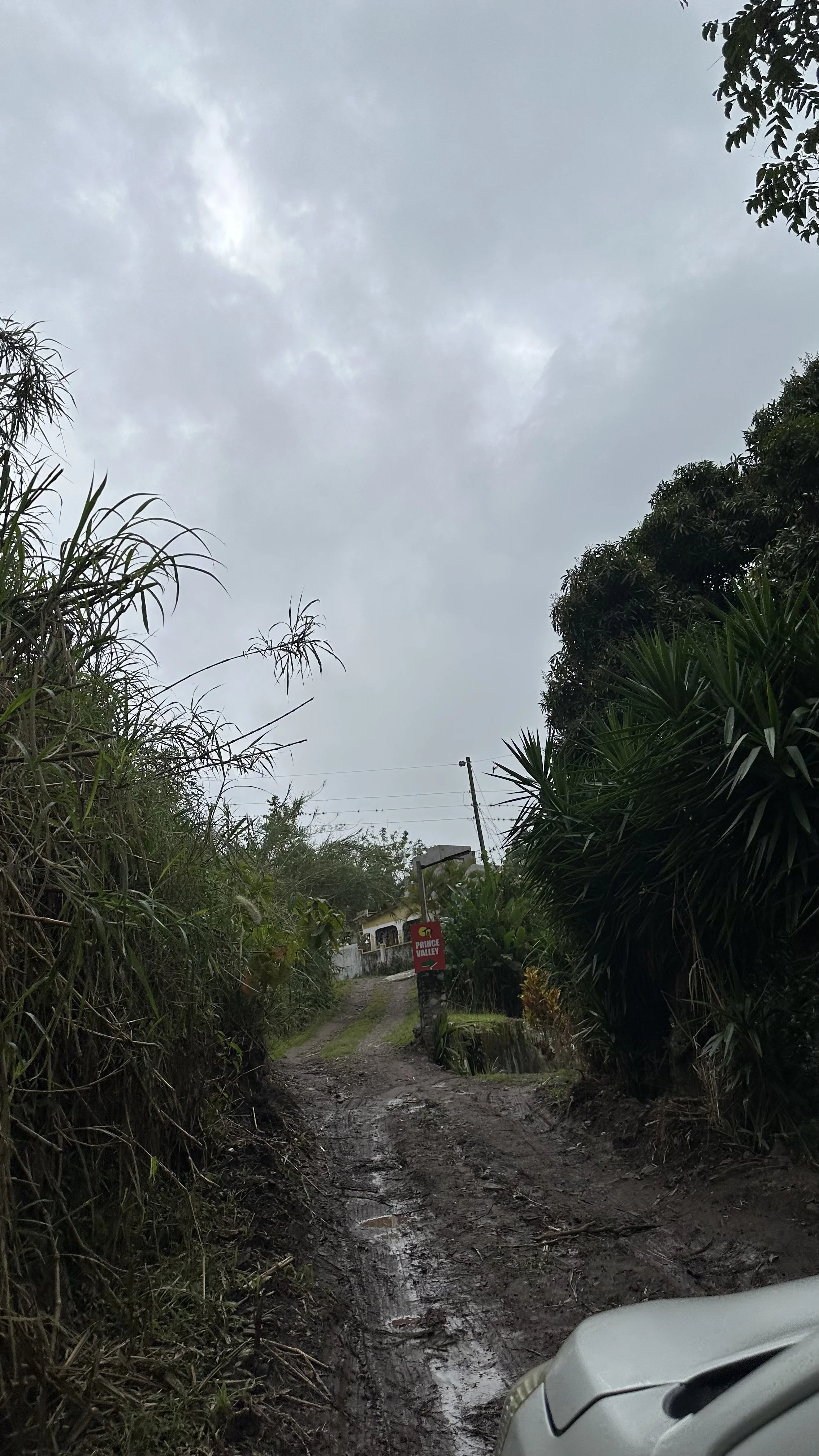
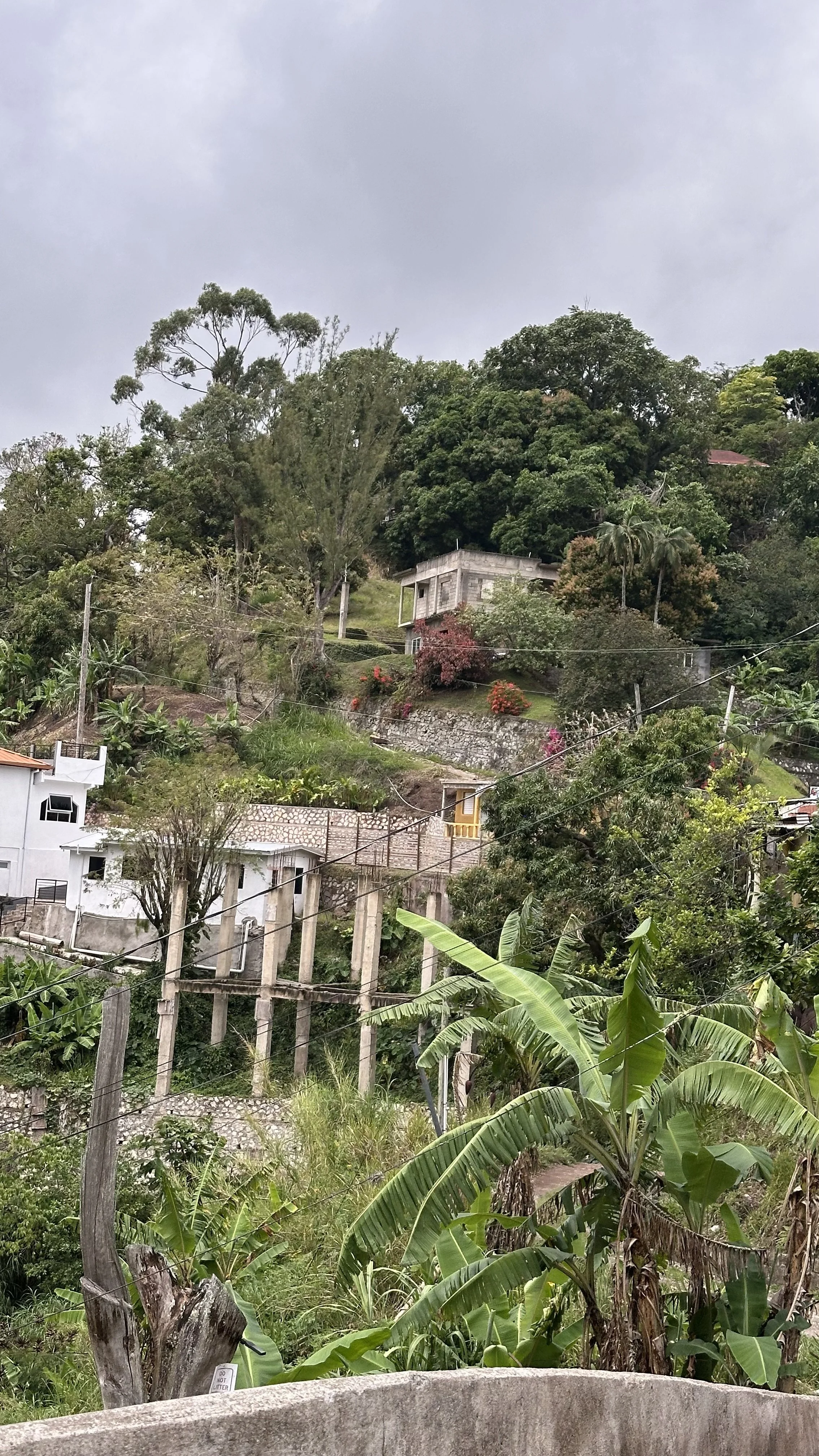
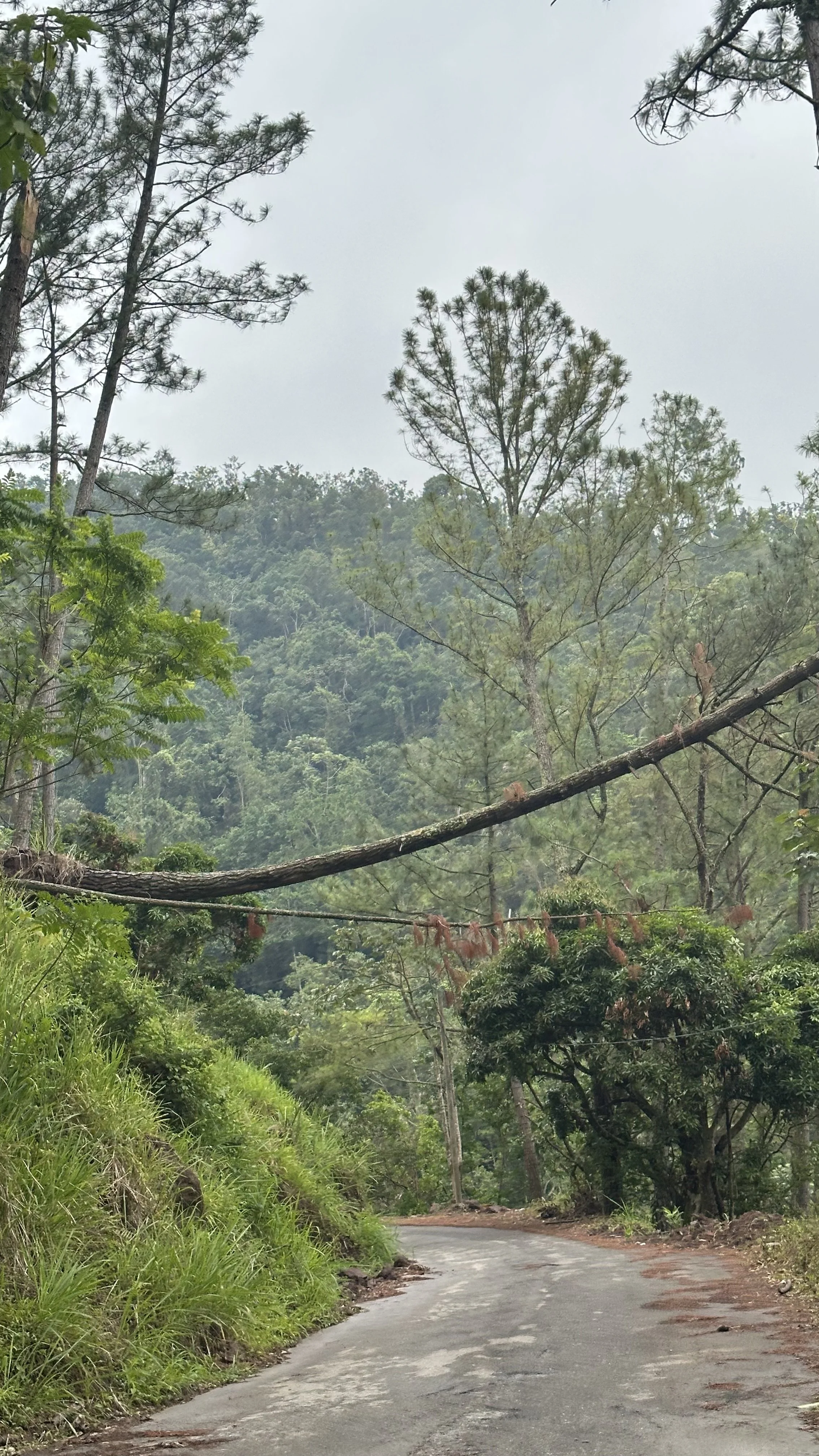
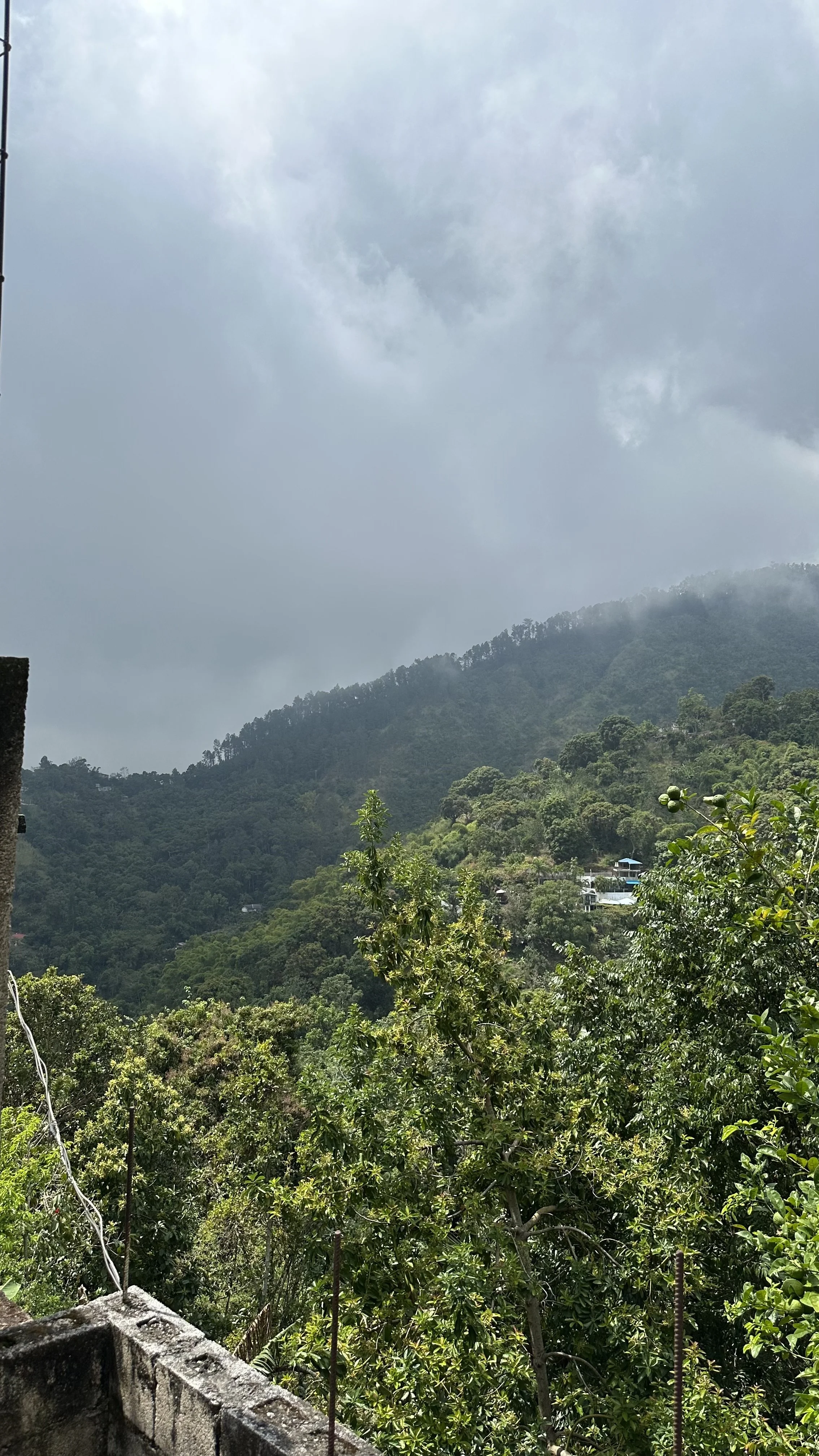
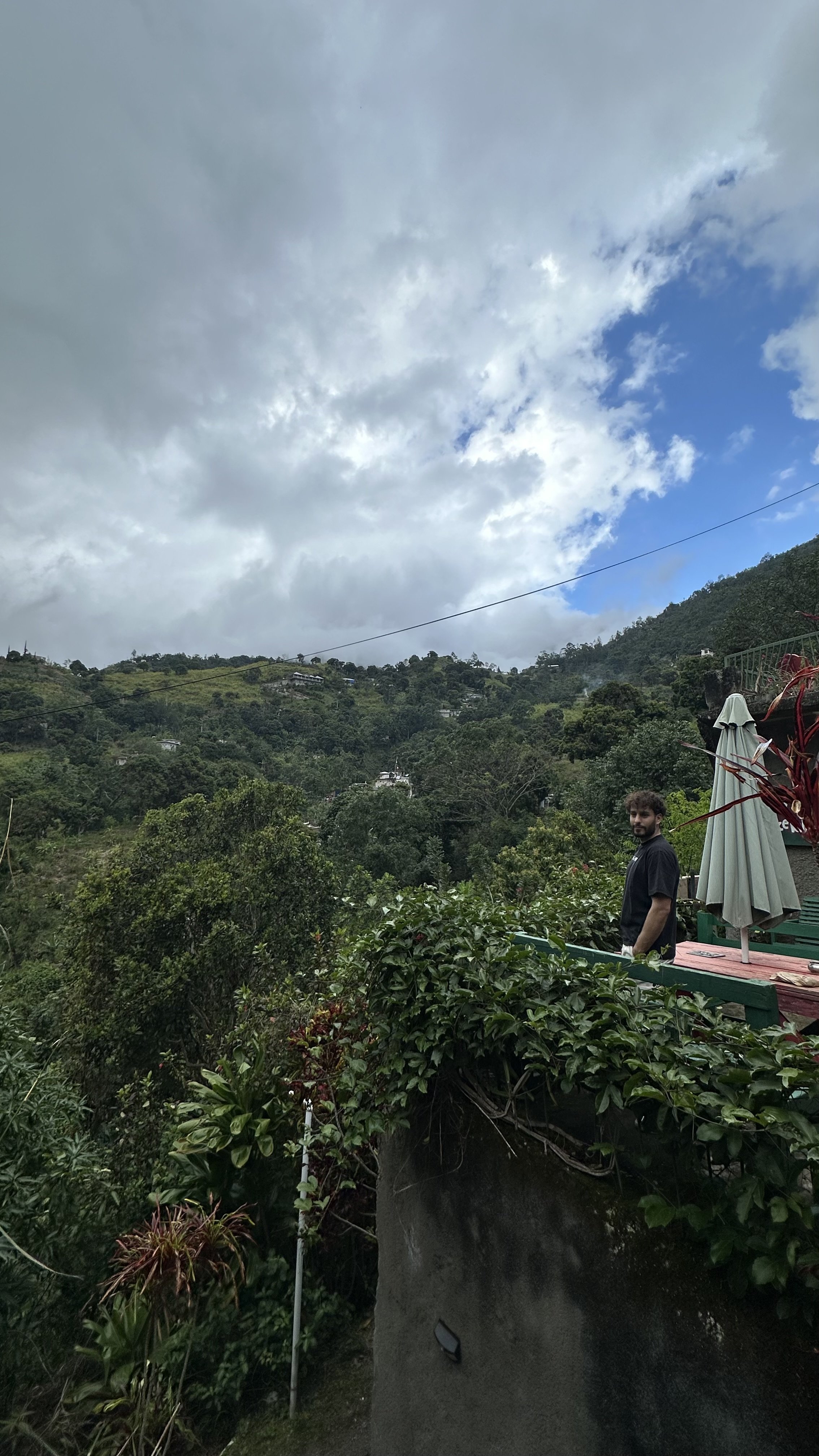
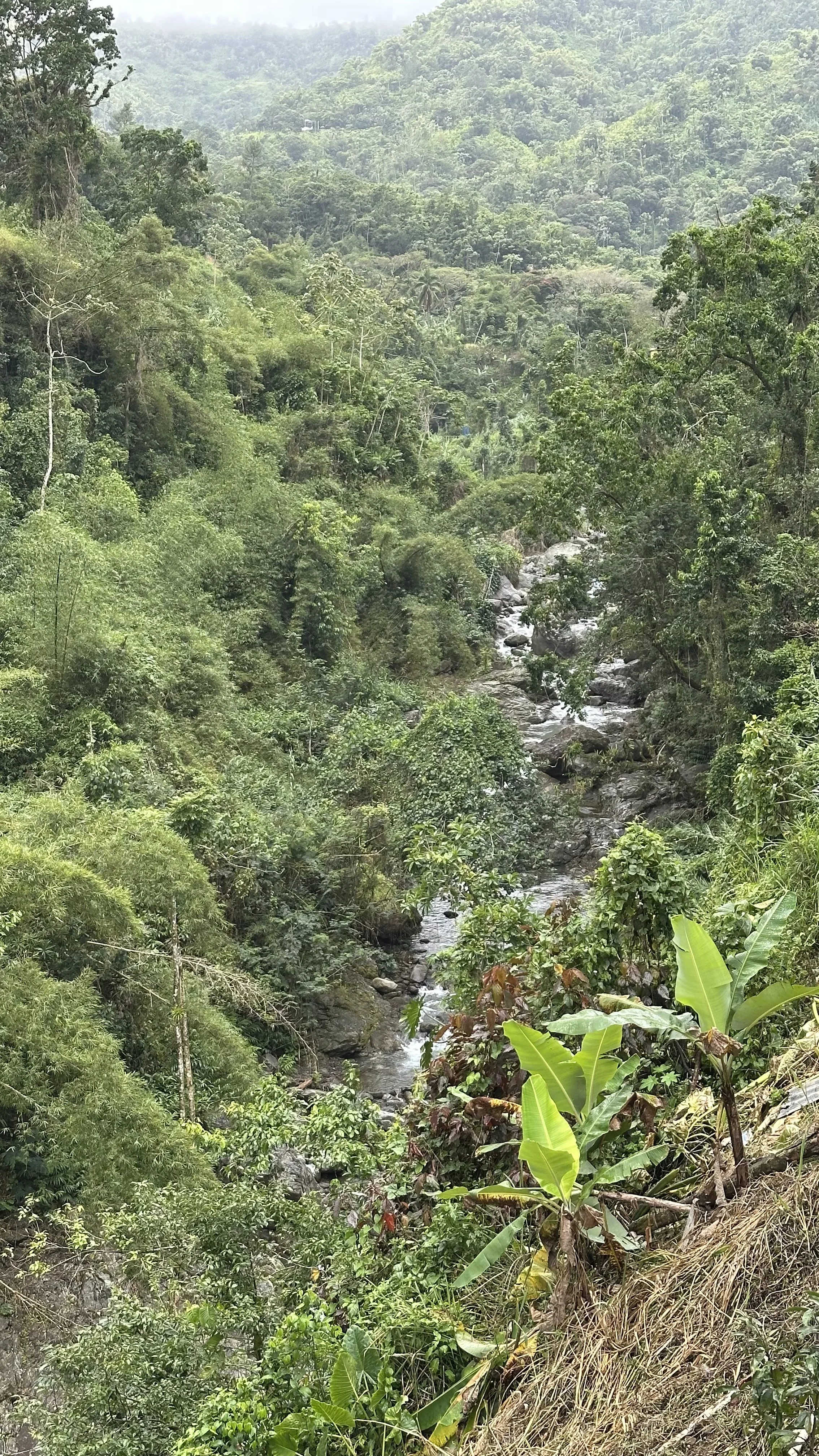
Driving from Kingston up to Prince Valley Guest House is already an experience on its own. You leave the city and slowly enter this lush, green jungle landscape, with narrow roads winding through the mountains and views that keep opening up along the way. The scenery is honestly beautiful, very raw and tropical.
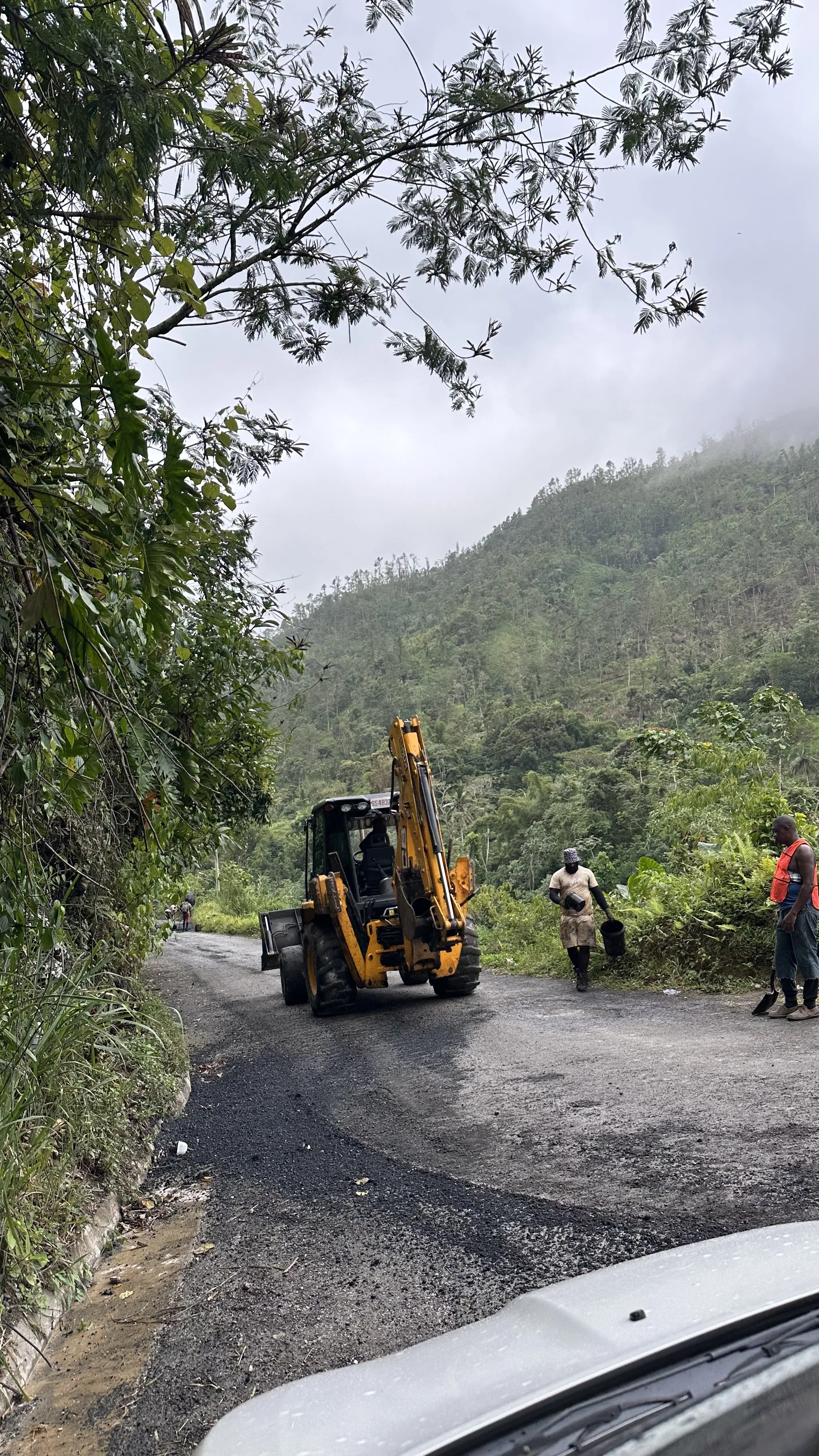
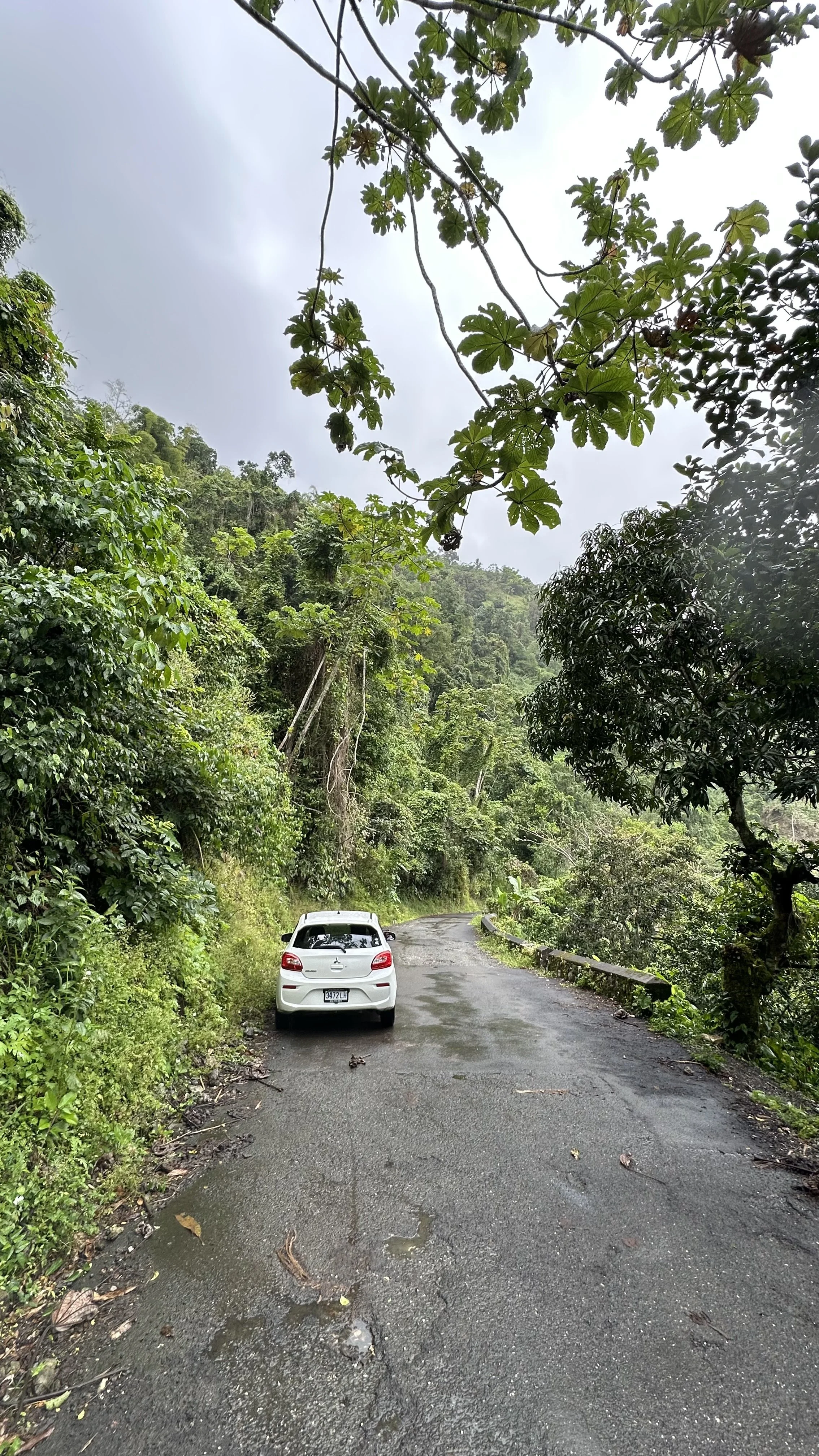
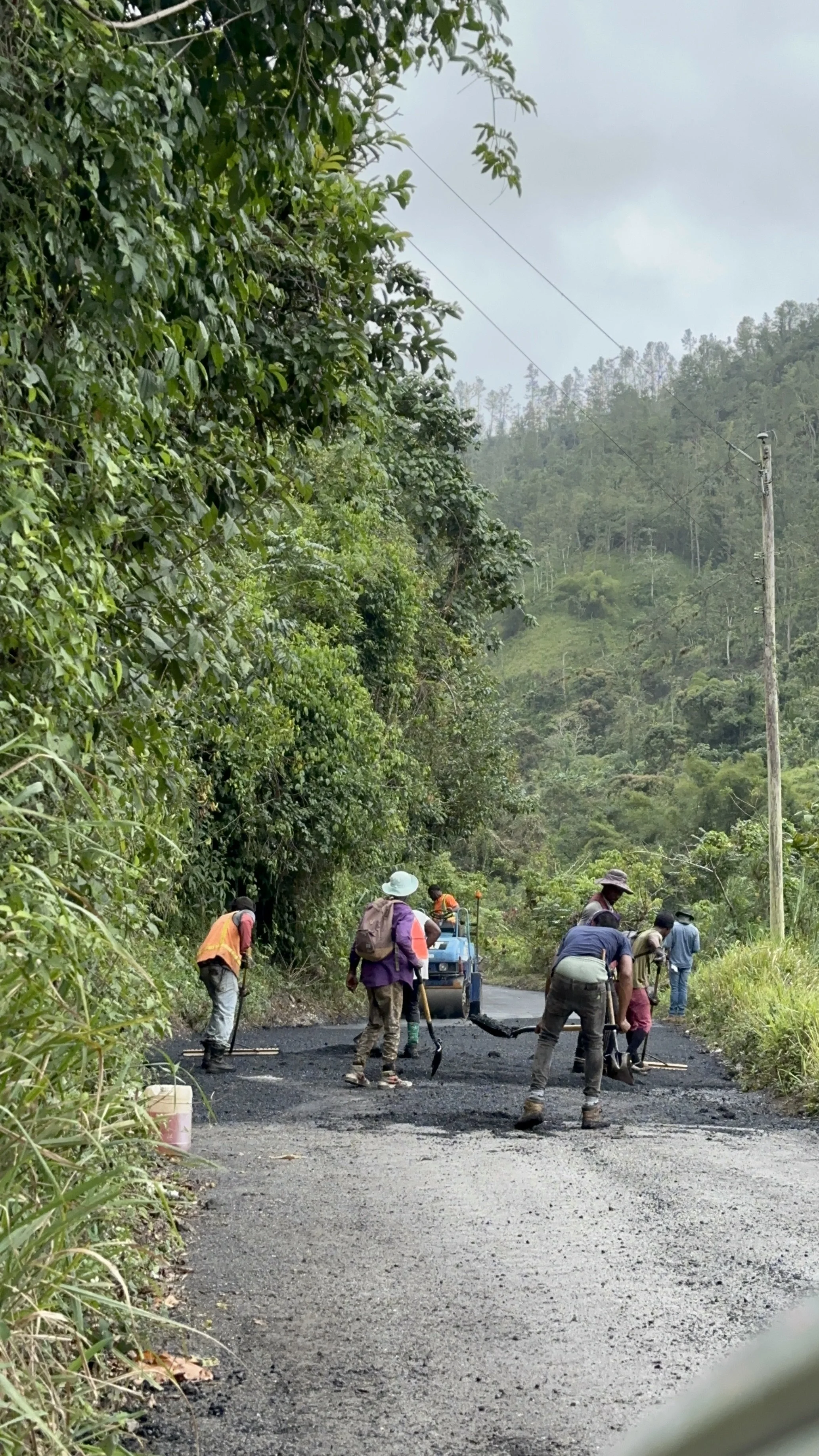
That said, the roads are quite rough in many parts—damaged, uneven, and sometimes tricky. After Hurricane Melissa (end of 2025), several roads collapsed or were still under construction, so we had to take a few detours. Still, we did it with a very small city car (a Mitsubishi), so it’s definitely doable—you just need to take it slow and be a bit careful.
Blue Mountains Coffee
Blue Mountain coffee is one of the most famous and exclusive coffees in the world, grown only in the Blue Mountains of Jamaica thanks to a very specific climate—cool temperatures, frequent rain, and rich soil.
What makes it special is its smooth, balanced taste, with almost no bitterness, which is quite rare for coffee. A big part of the production is actually exported to Japan, which is why it can be quite expensive elsewhere.
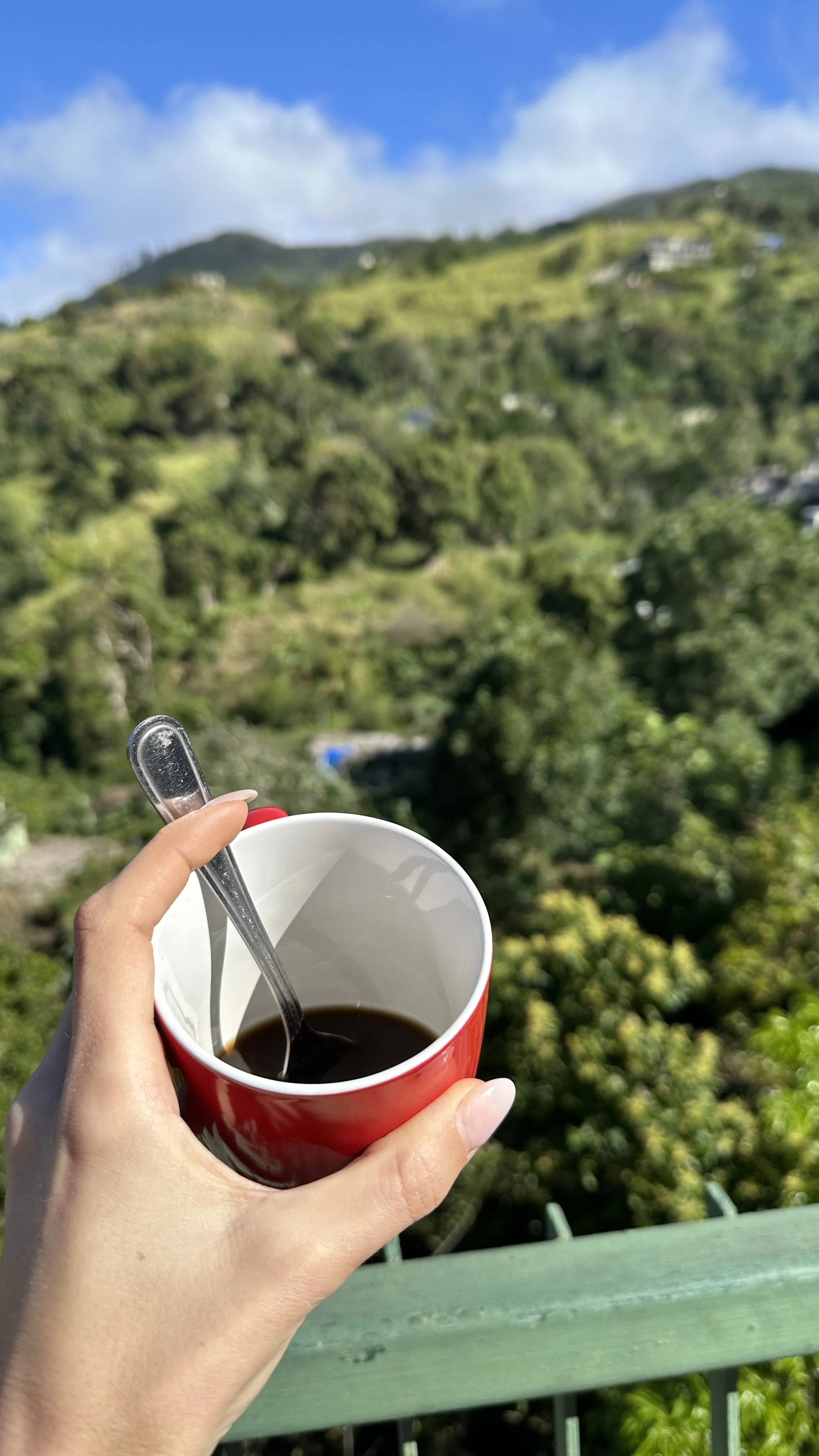
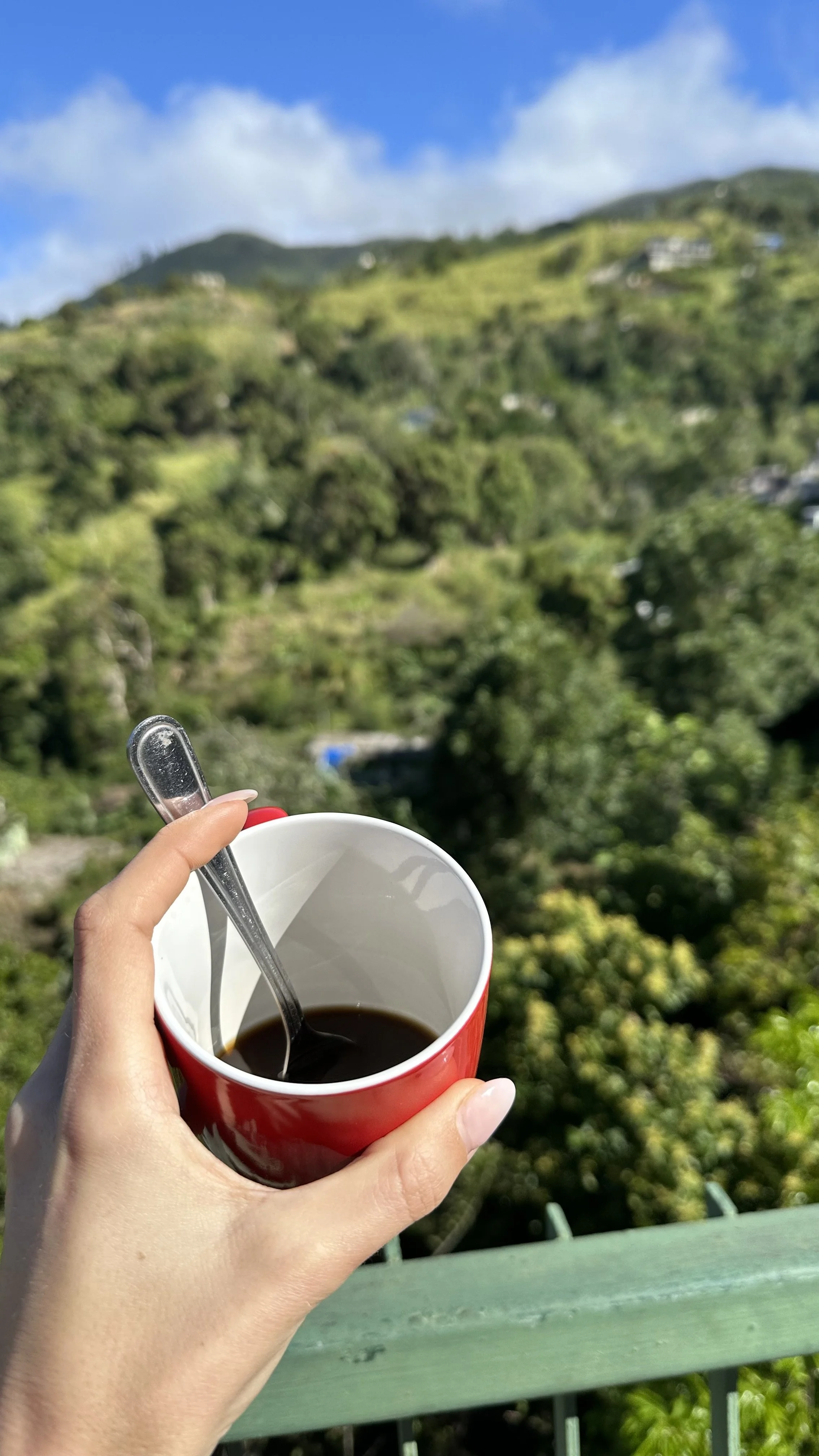
The best way to experience it, though, is right here—drinking it directly where it’s grown, surrounded by the plantations. It tastes completely different, fresher and more authentic, and it becomes more than just coffee—it’s part of the whole experience of the mountains.
And I have a place to do that: read this blog further to find out as it’s part of the next day.
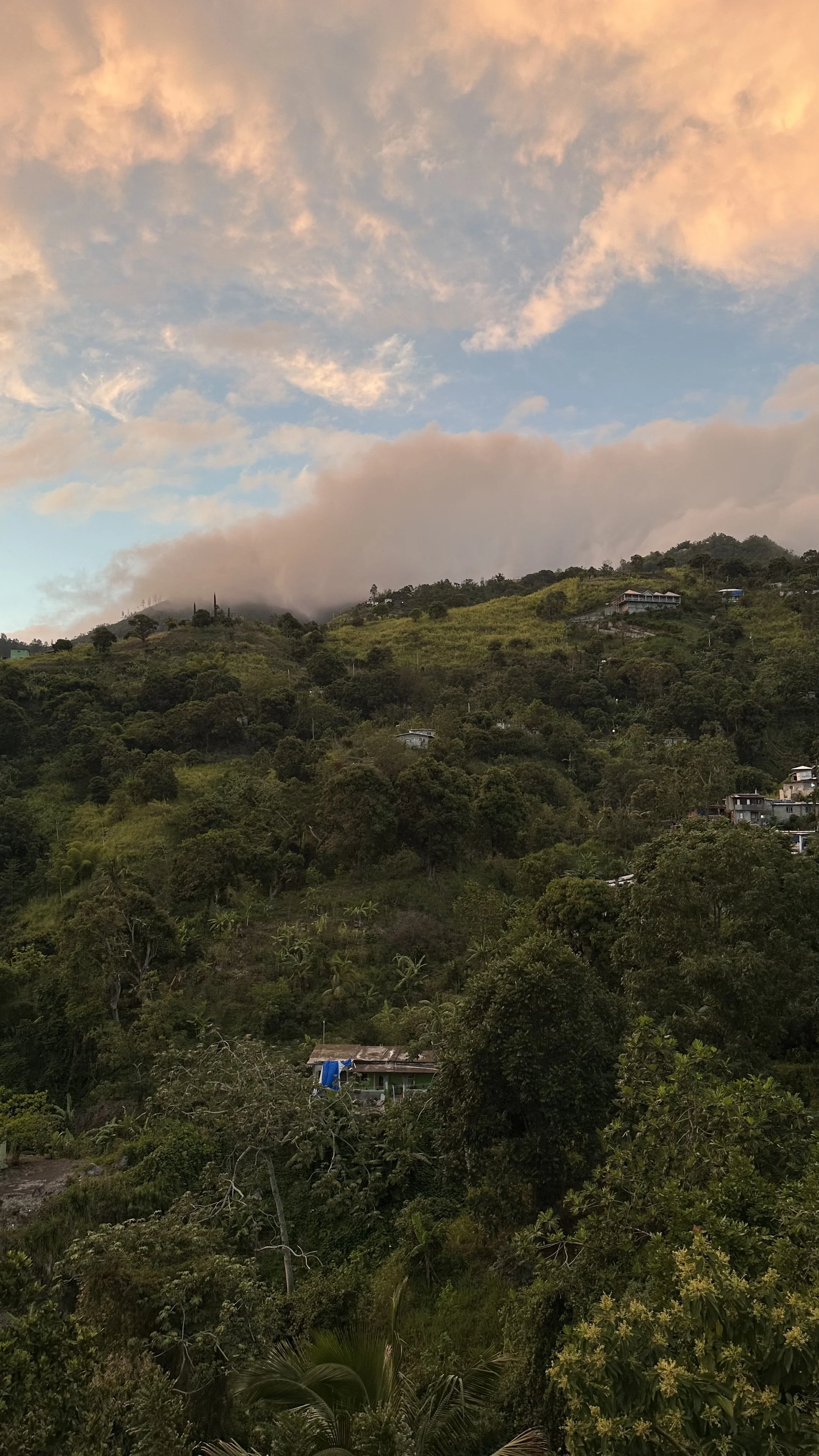
Stop at Middleton Coffee Bar
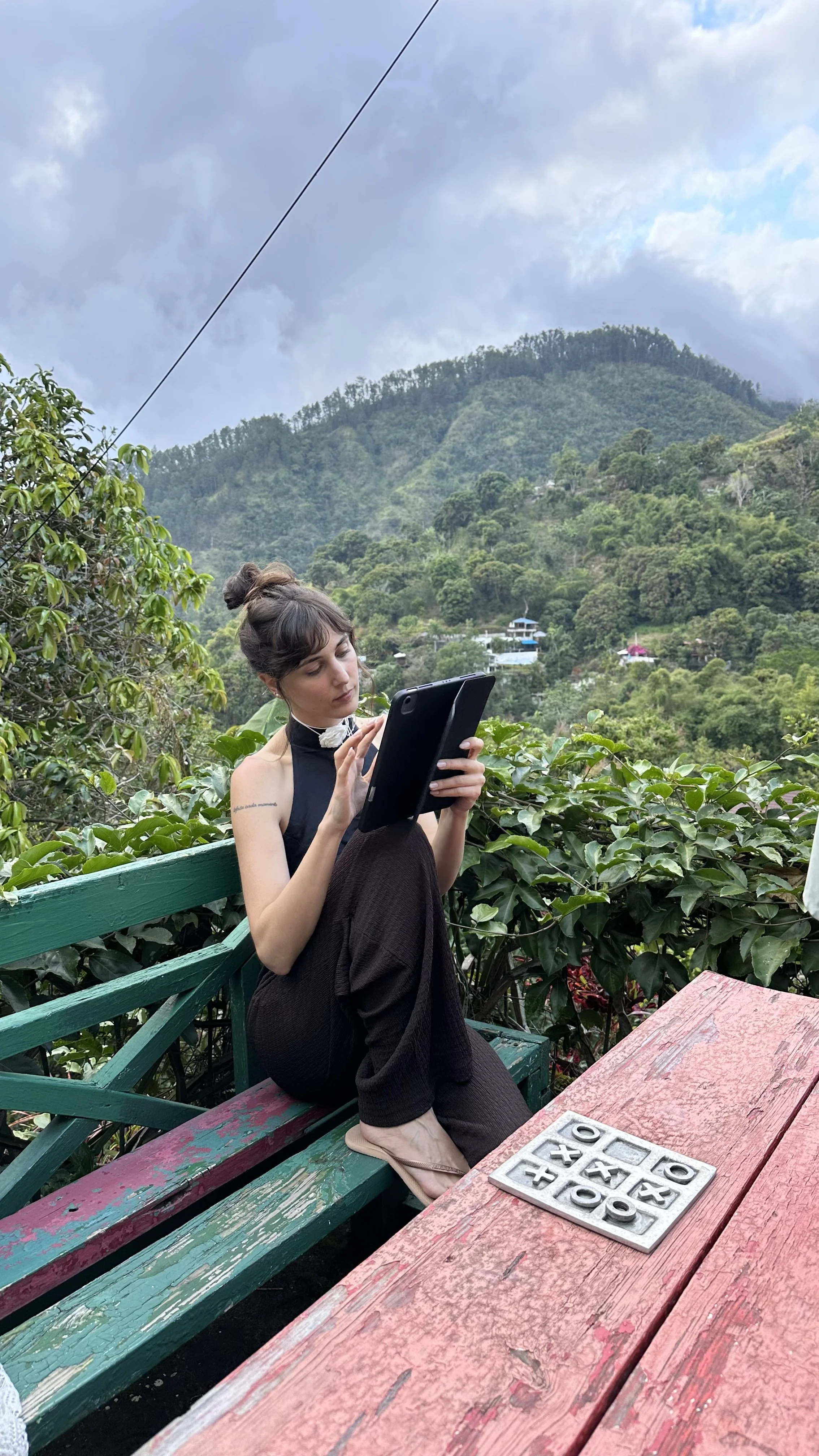
A nice bar built on top of a tree, like a tree house, very particular!
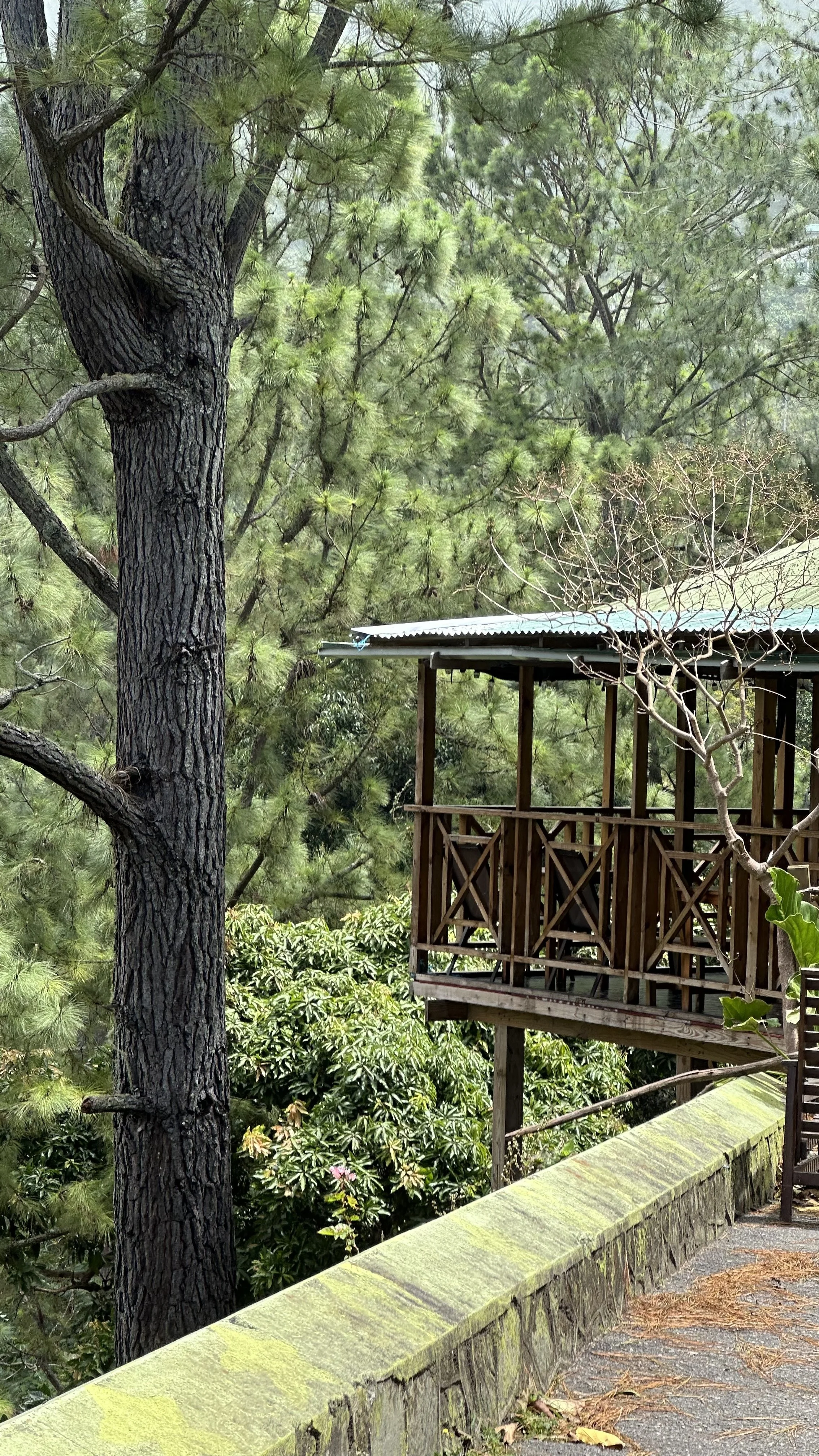
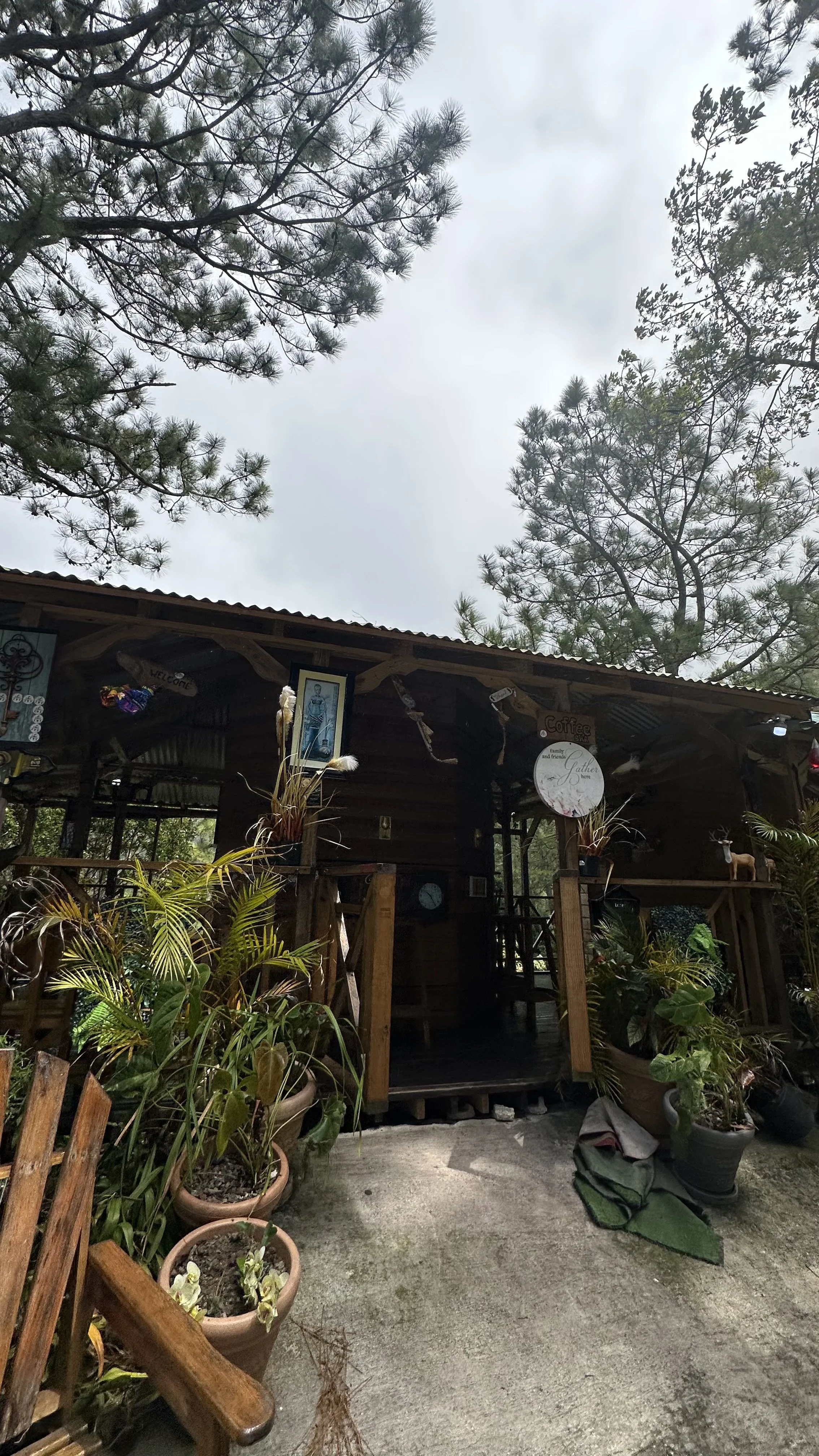
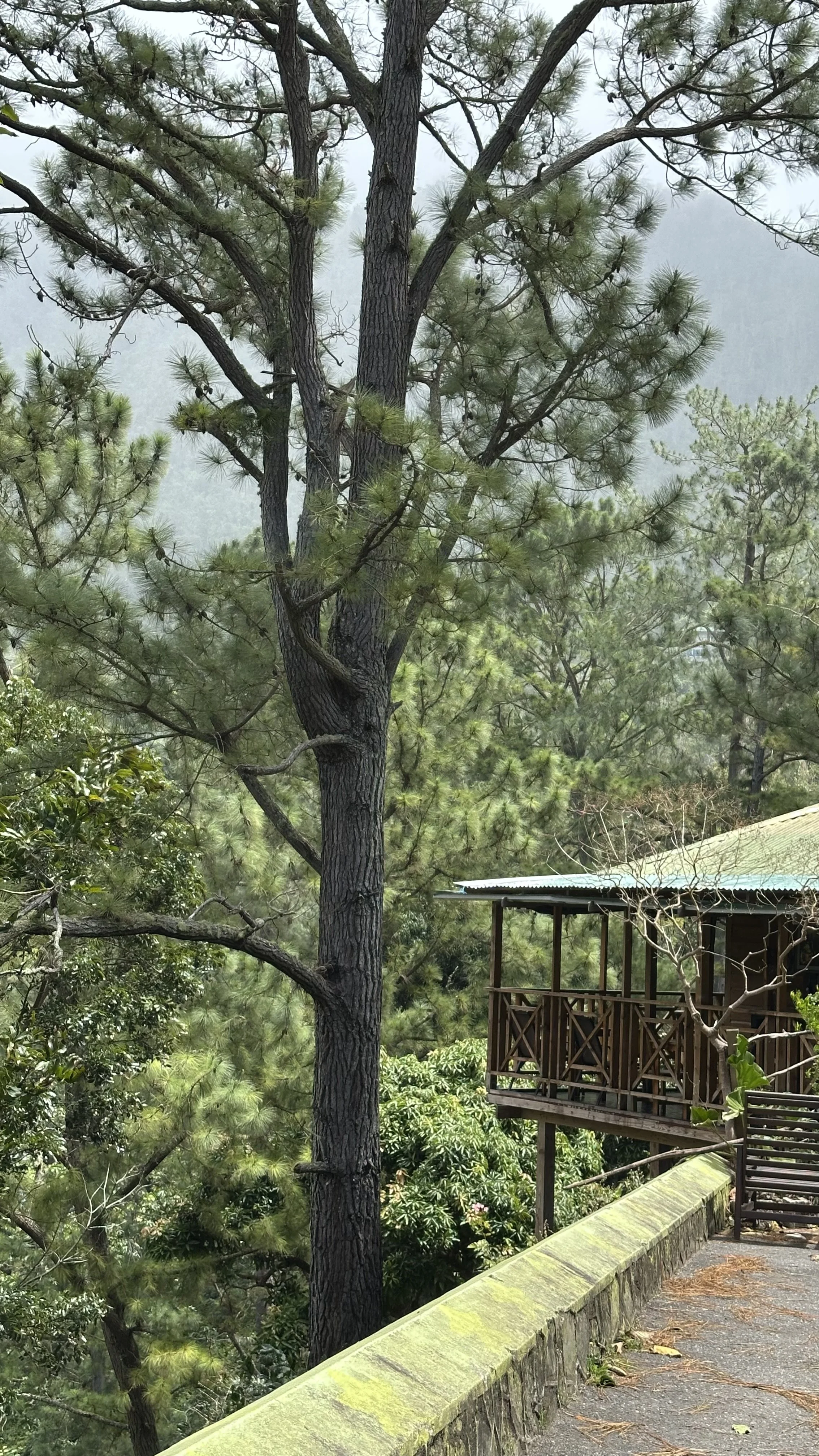
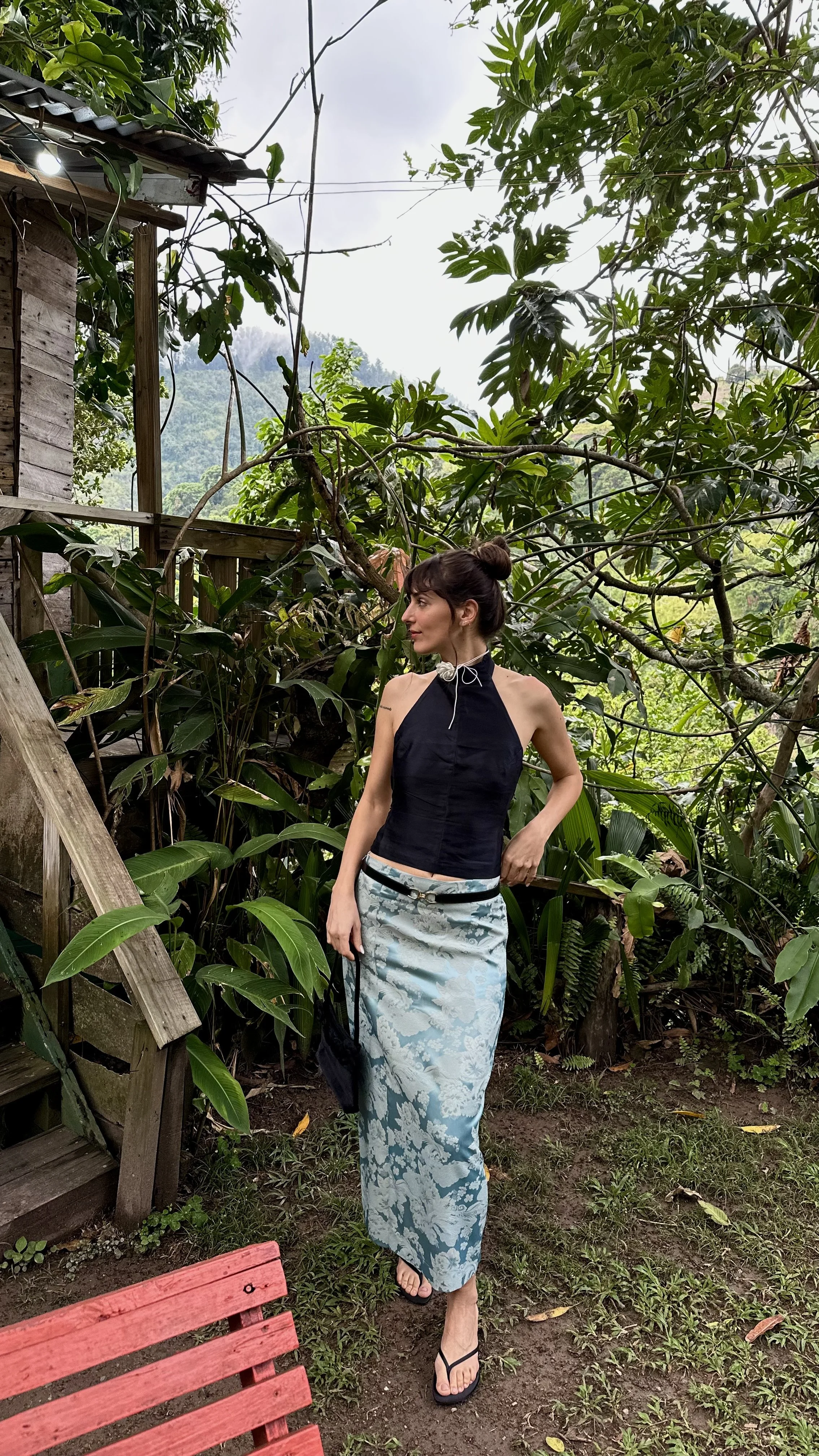
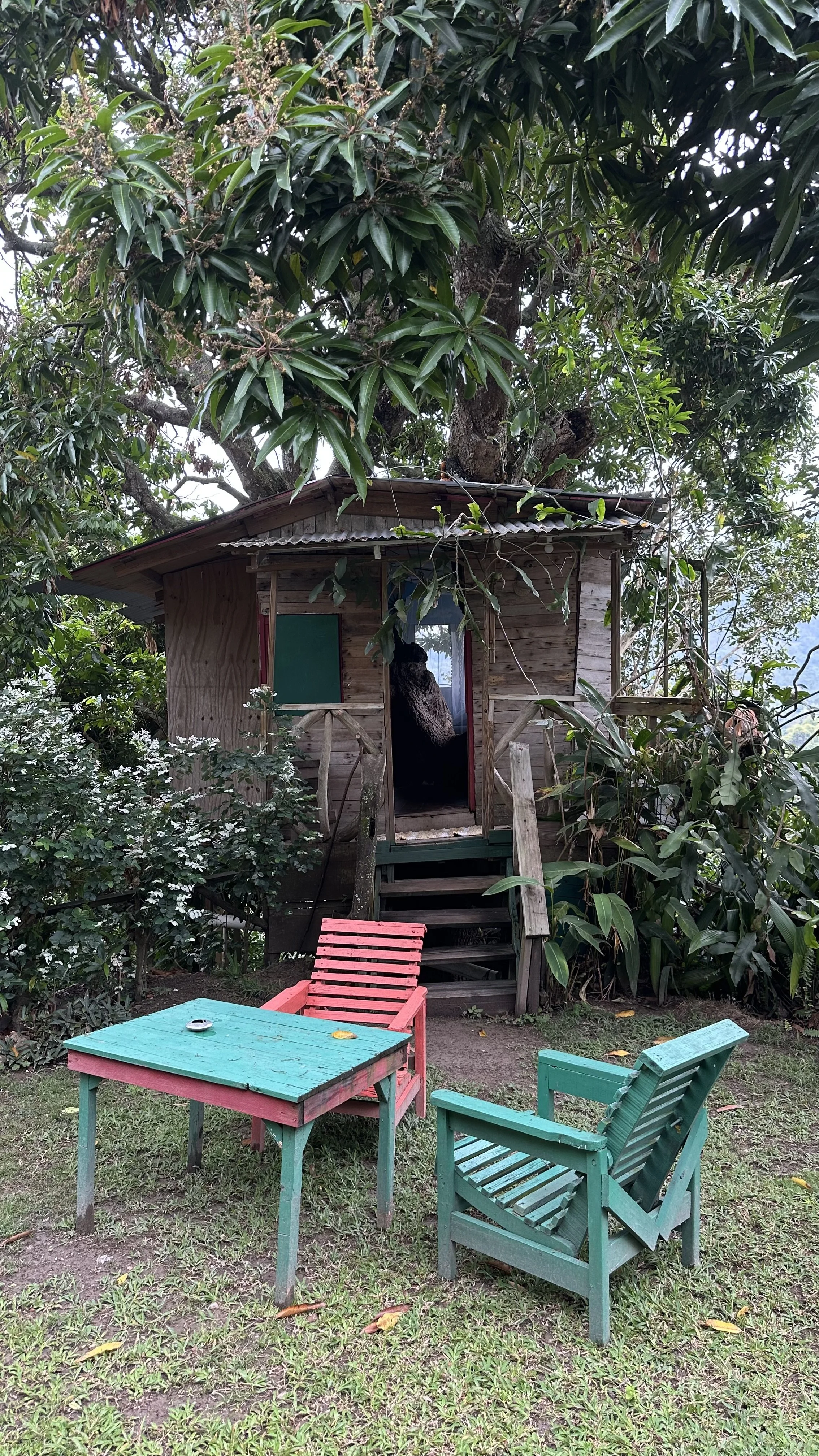
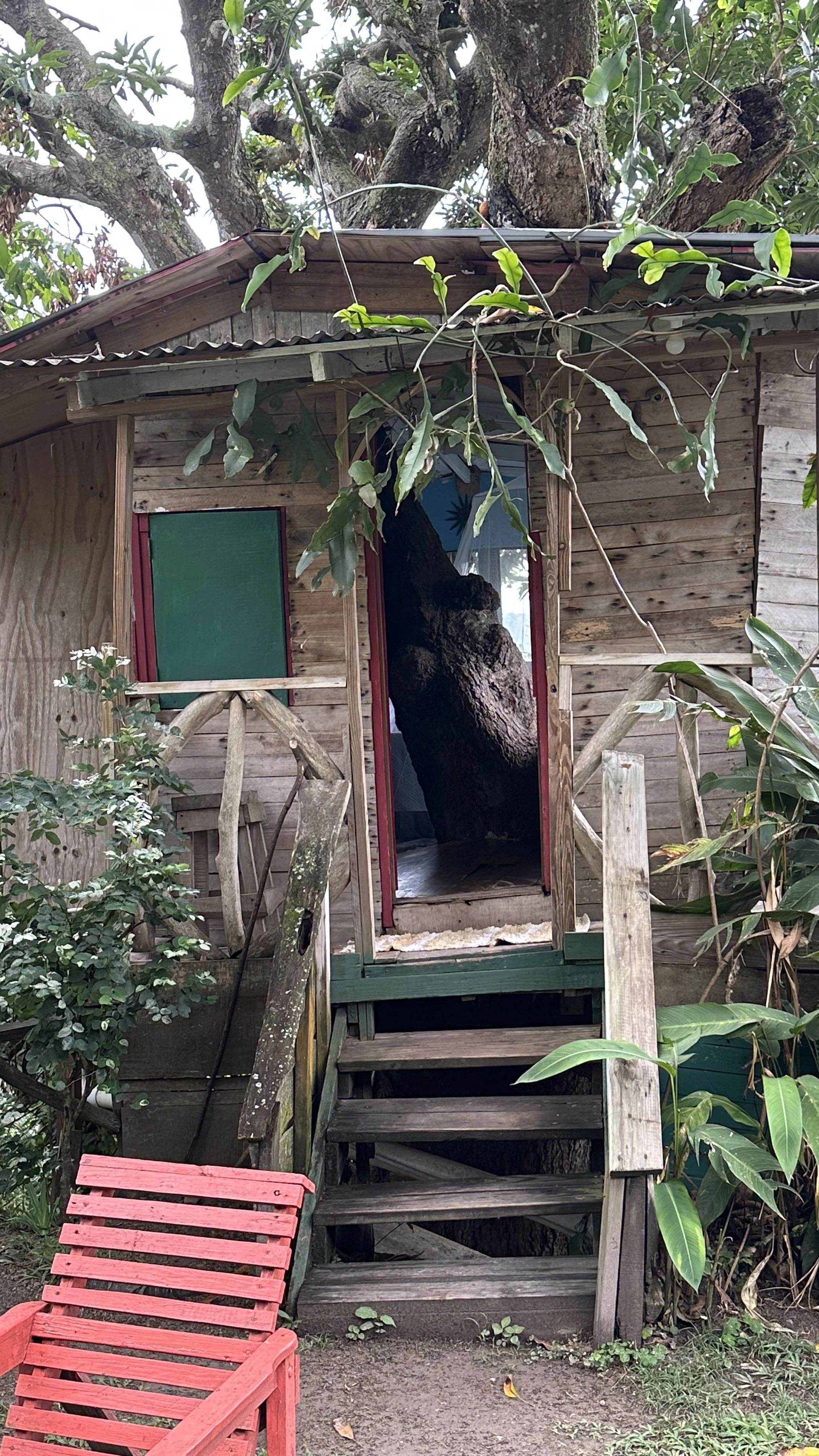
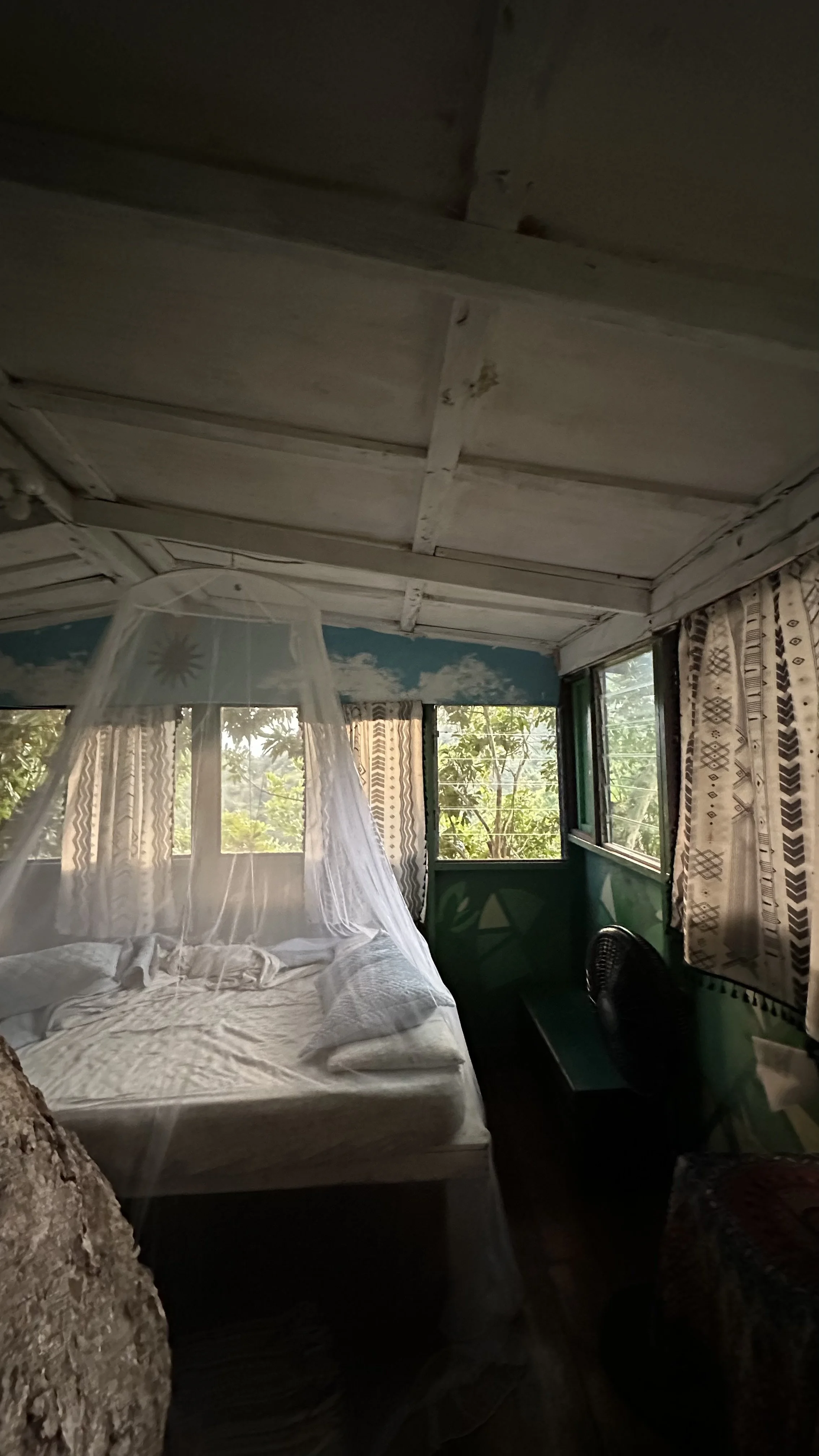
Sleep at Prince Valley, the tree house
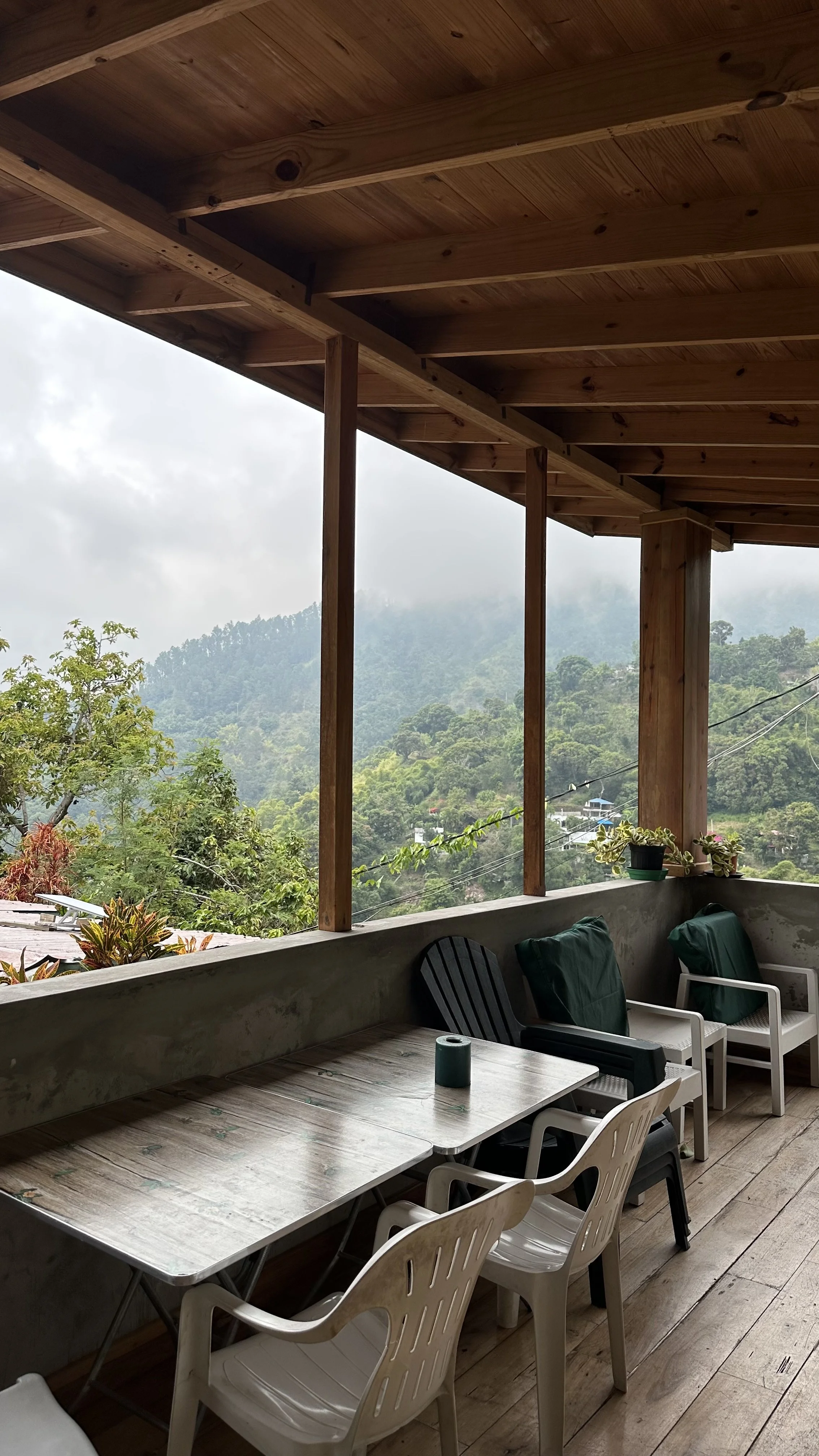
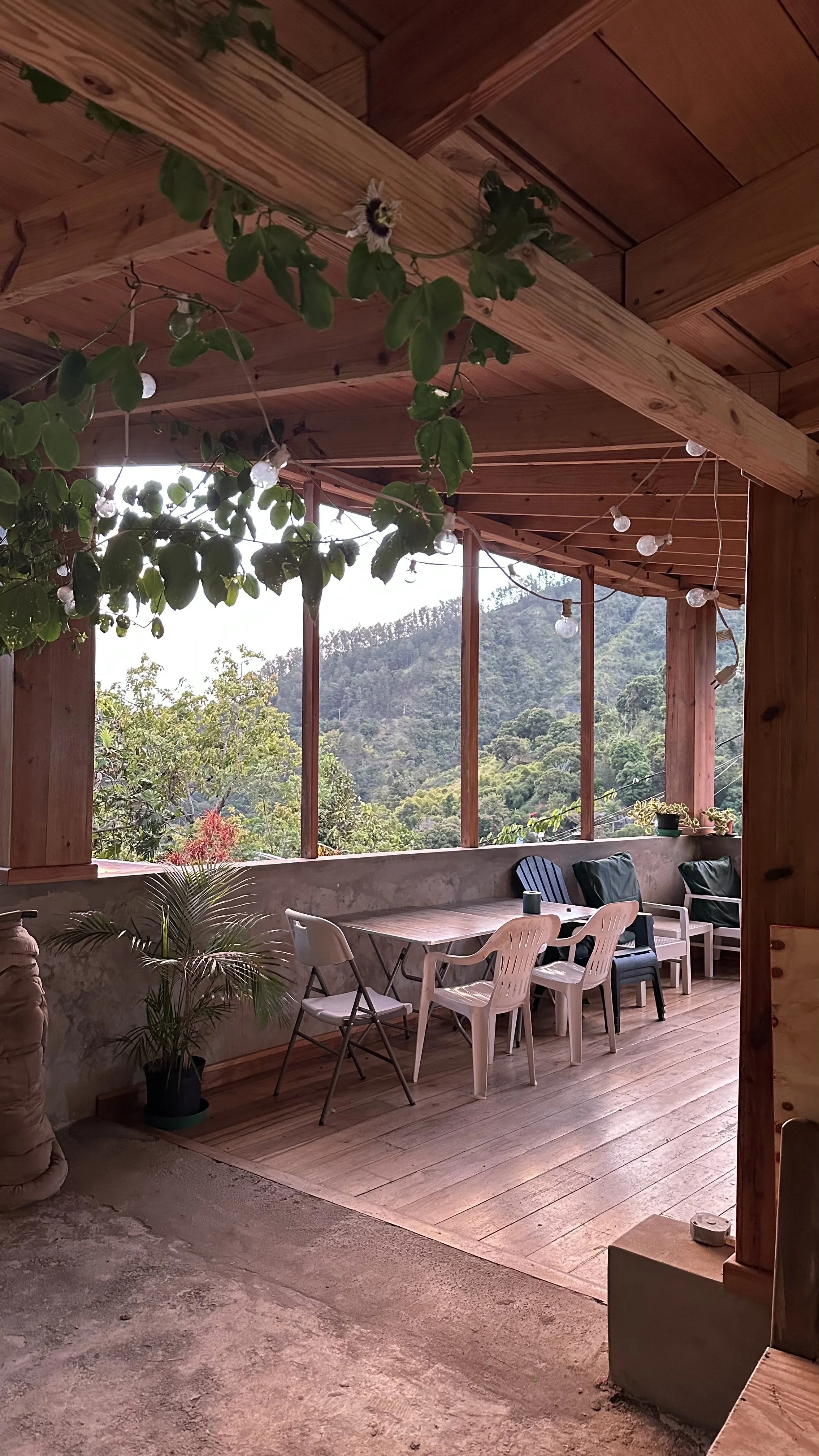
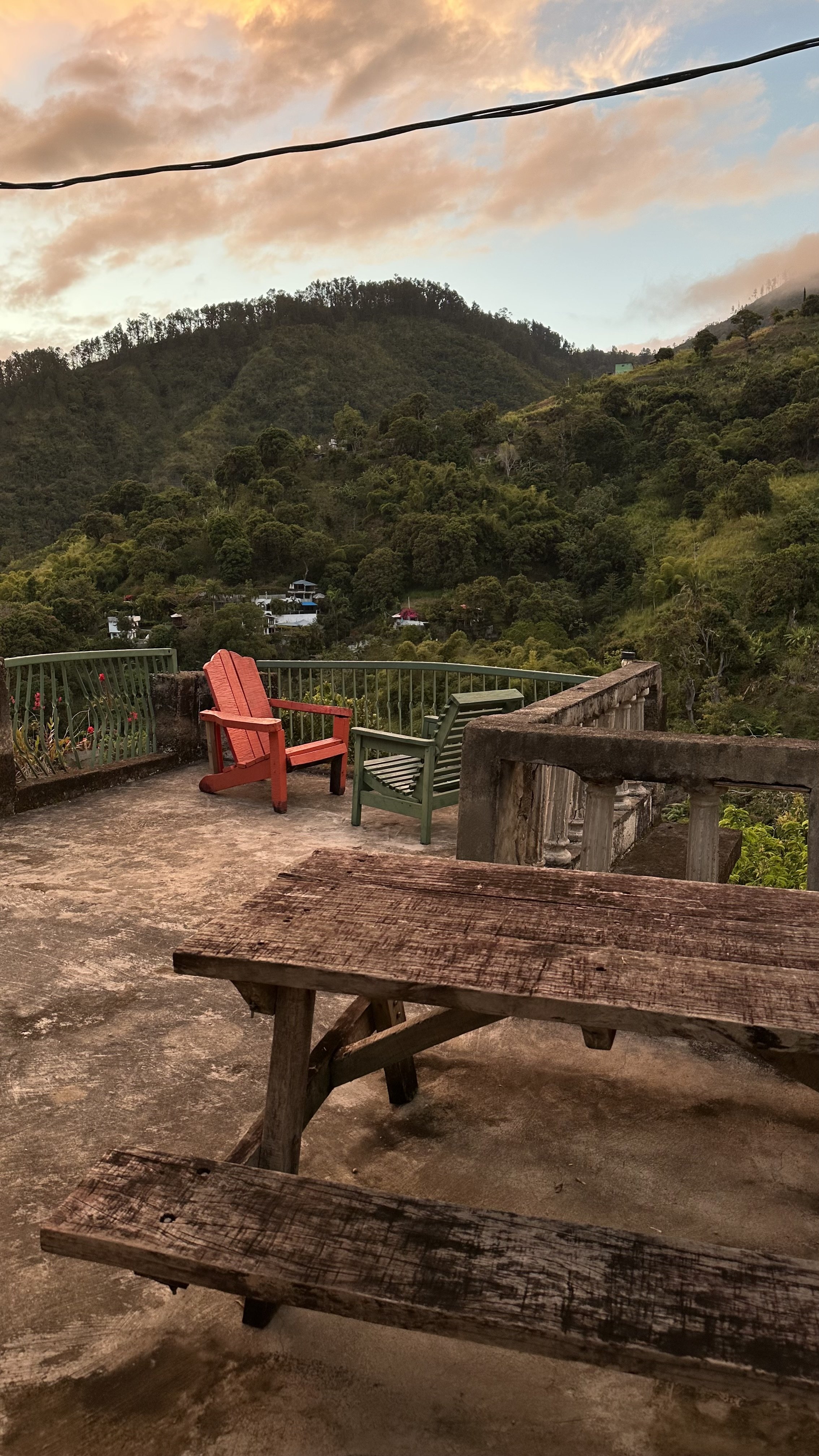
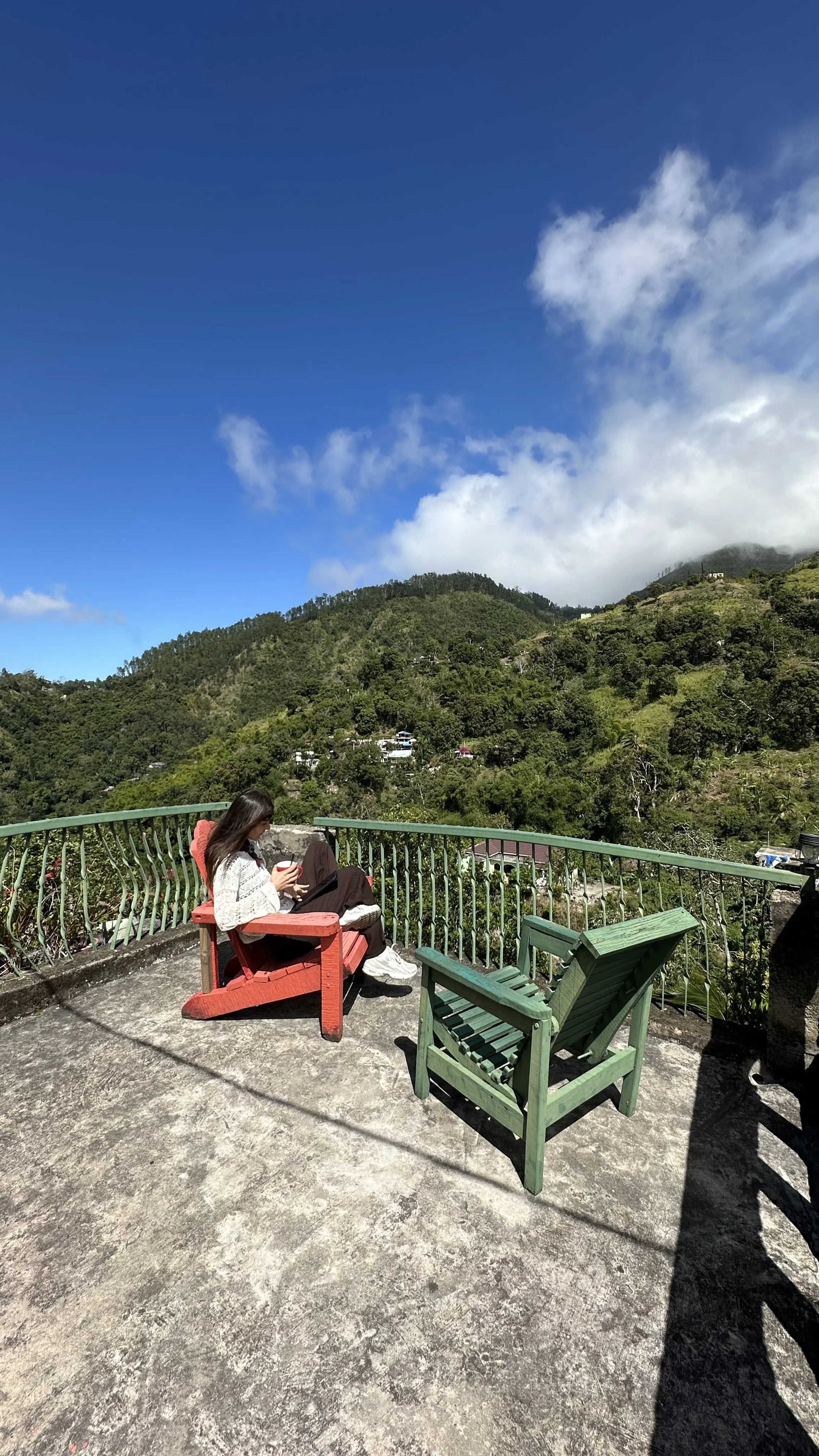
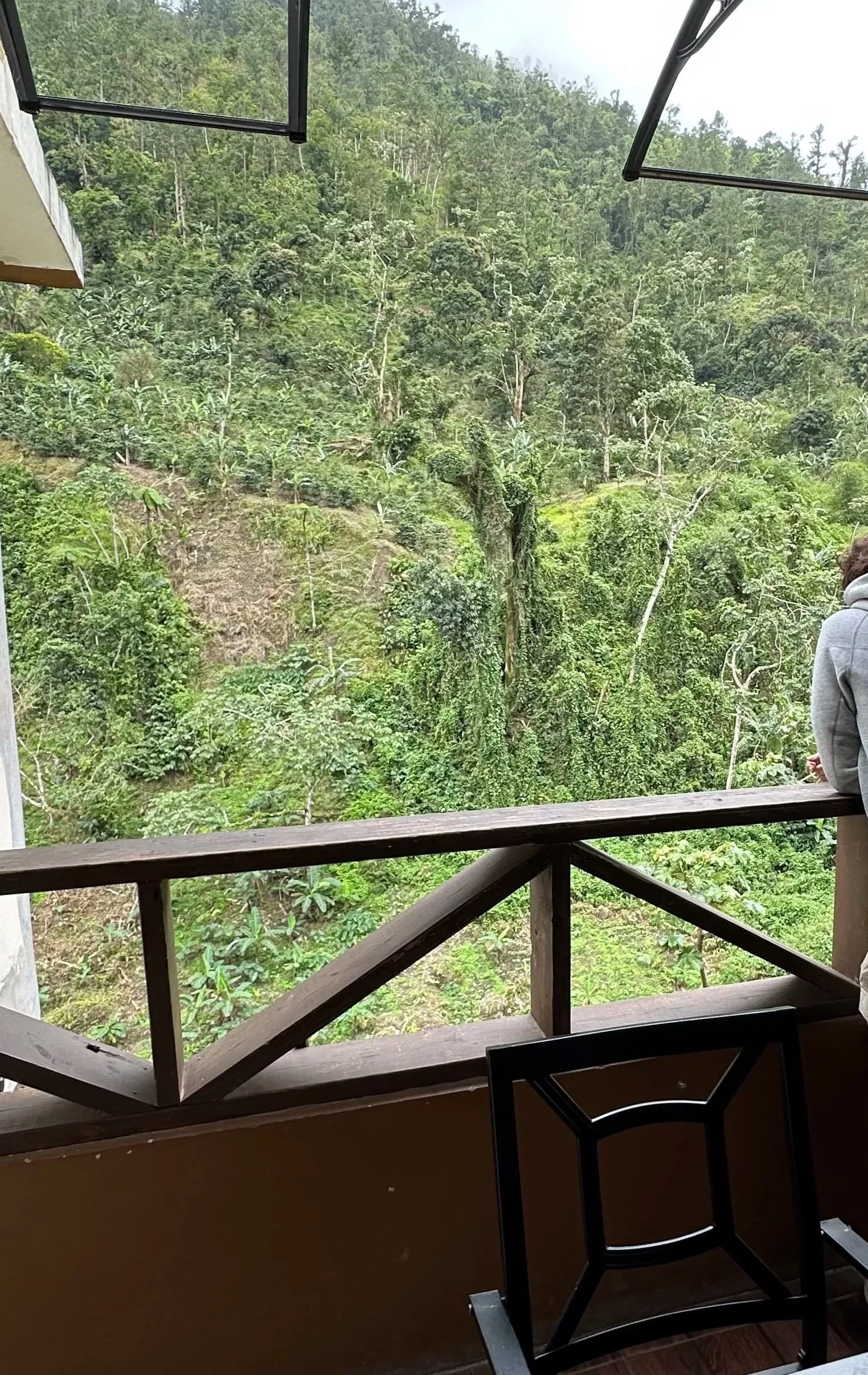
Staying in the Blue Mountains at Prince Valley Guest House is a truly special experience, completely immersed in nature and far from everything.
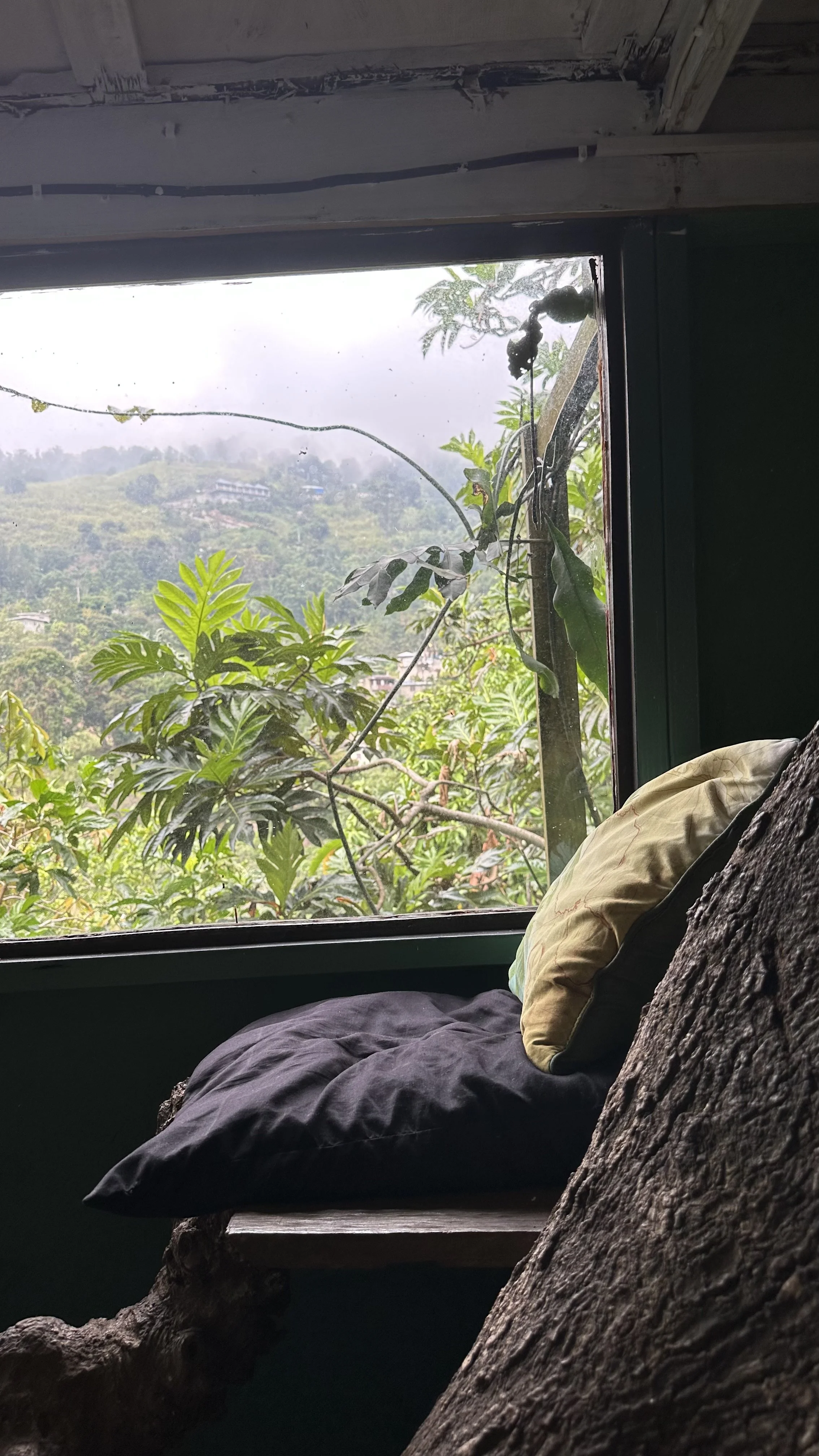
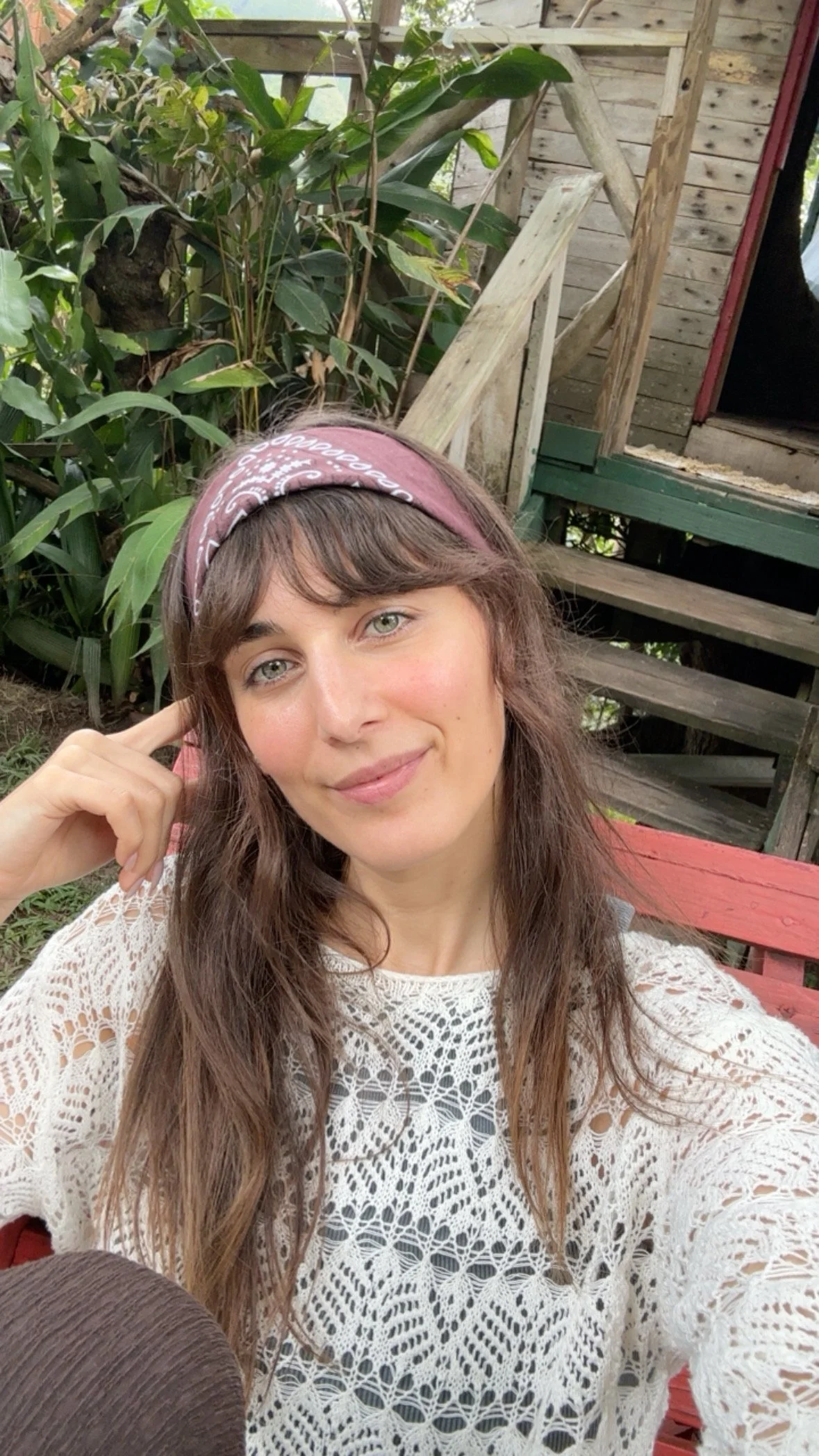
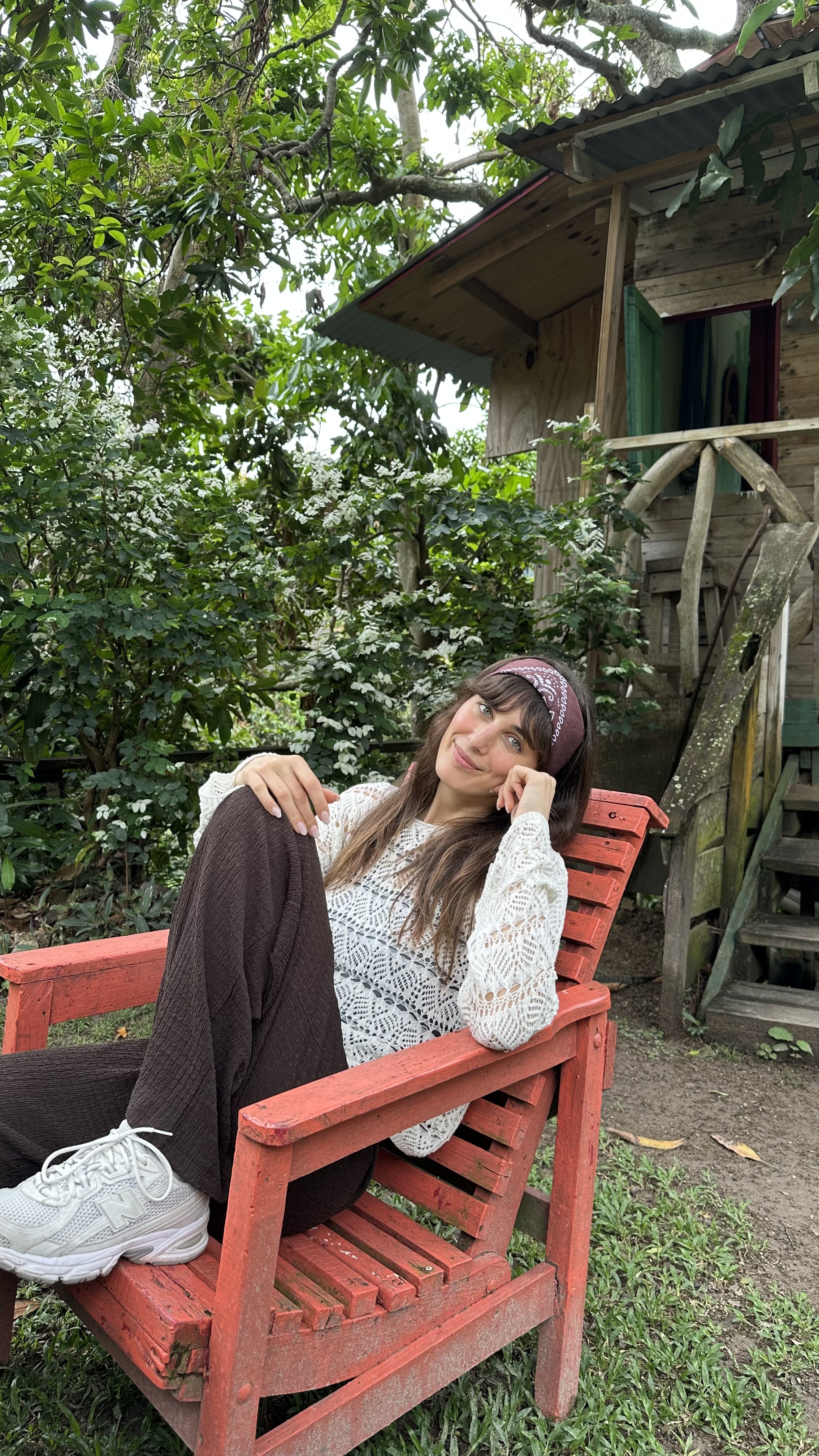
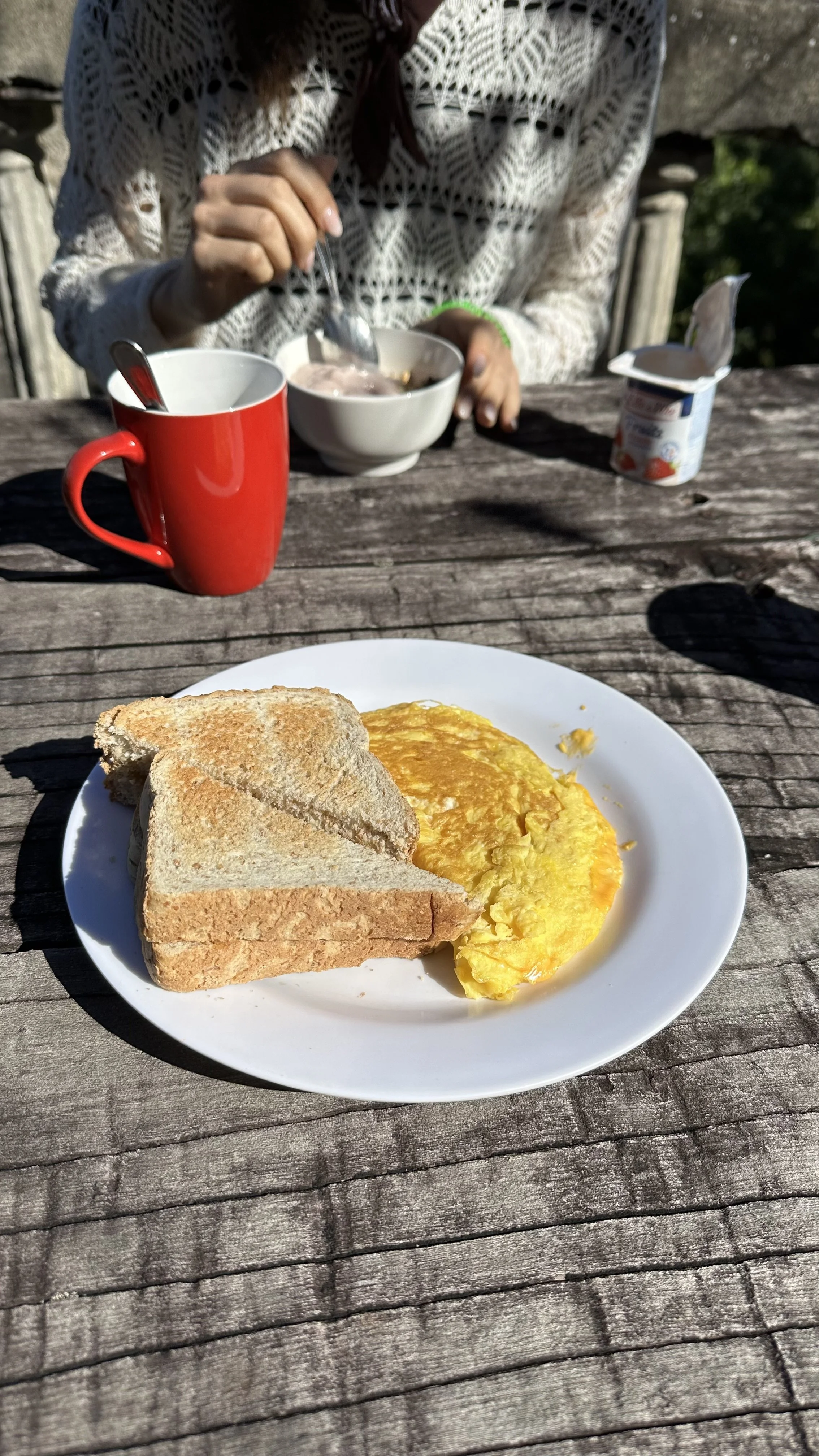
The place is entirely handmade, simple but beautiful, and you really feel how remote and peaceful it is. We stayed in the tree house, booked through Airbnb, and it was such a cute and unique experience—an actual tree house built on a huge tree, not one of those “fake” ones you often see.
For comfort, I’d recommend staying one or two nights max, but it’s definitely worth it for something different.
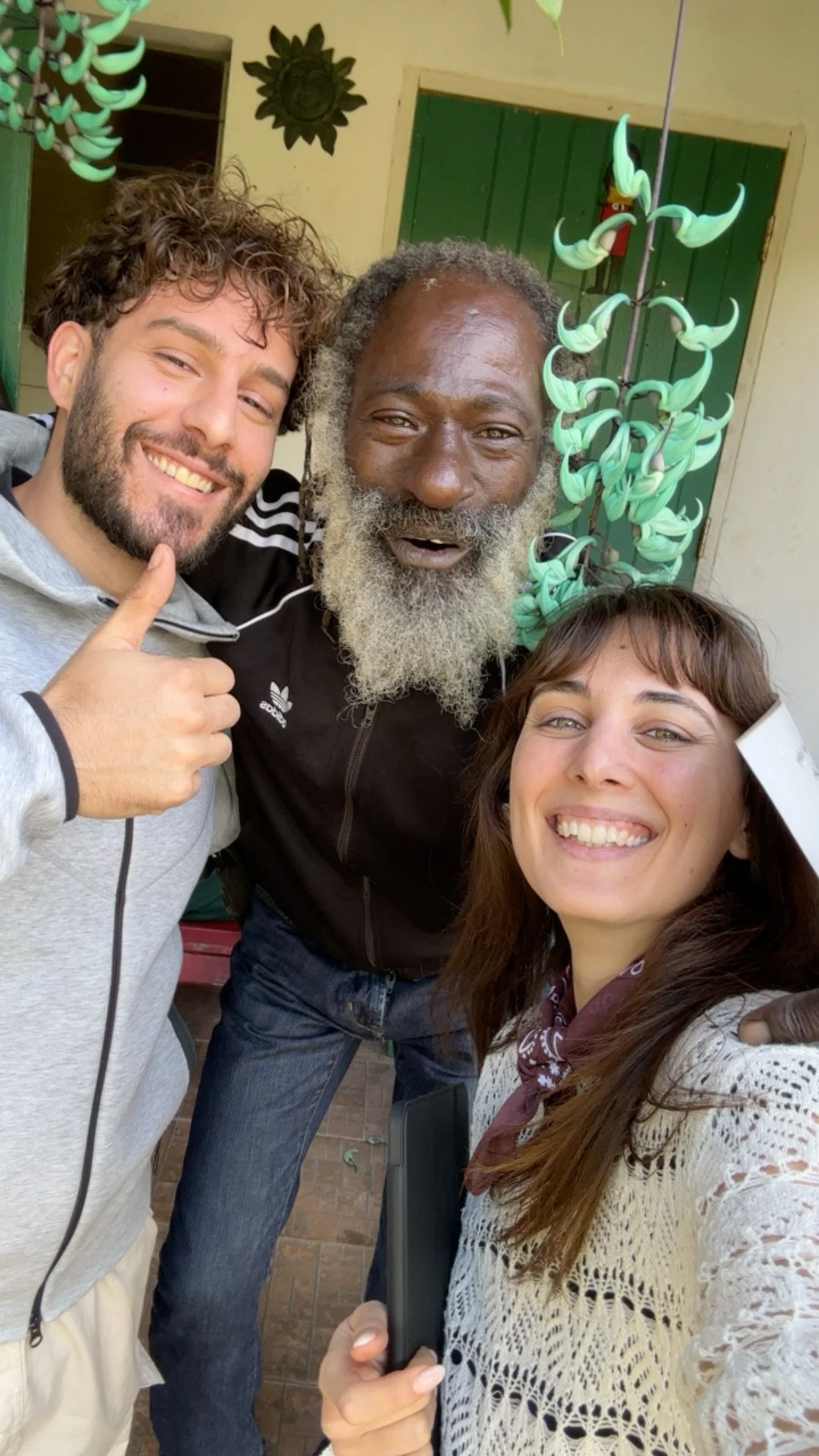
The guest house sits in a valley, so you wake up surrounded by coffee plantations and incredible views all around. The owner, Bobby, is super kind and always available, making you feel at home right away.
You can also have dinner there (just make sure to book in advance), and they cook simple, local dishes. From the house, you can start different walks through the coffee plantations, which are already beautiful to explore on your own.
We skipped the classic coffee tour, but instead asked Bobby if he knew someone local—and his brother actually has his own farm, so he can take you around and show you the plantations in a much more authentic way. Even just walking around, though, you’ll already get a real feel for this part of Jamaica.
Day 5
Blue Mountains Coffee & Portland
Drive through the Blue Mountains up north towards Portland
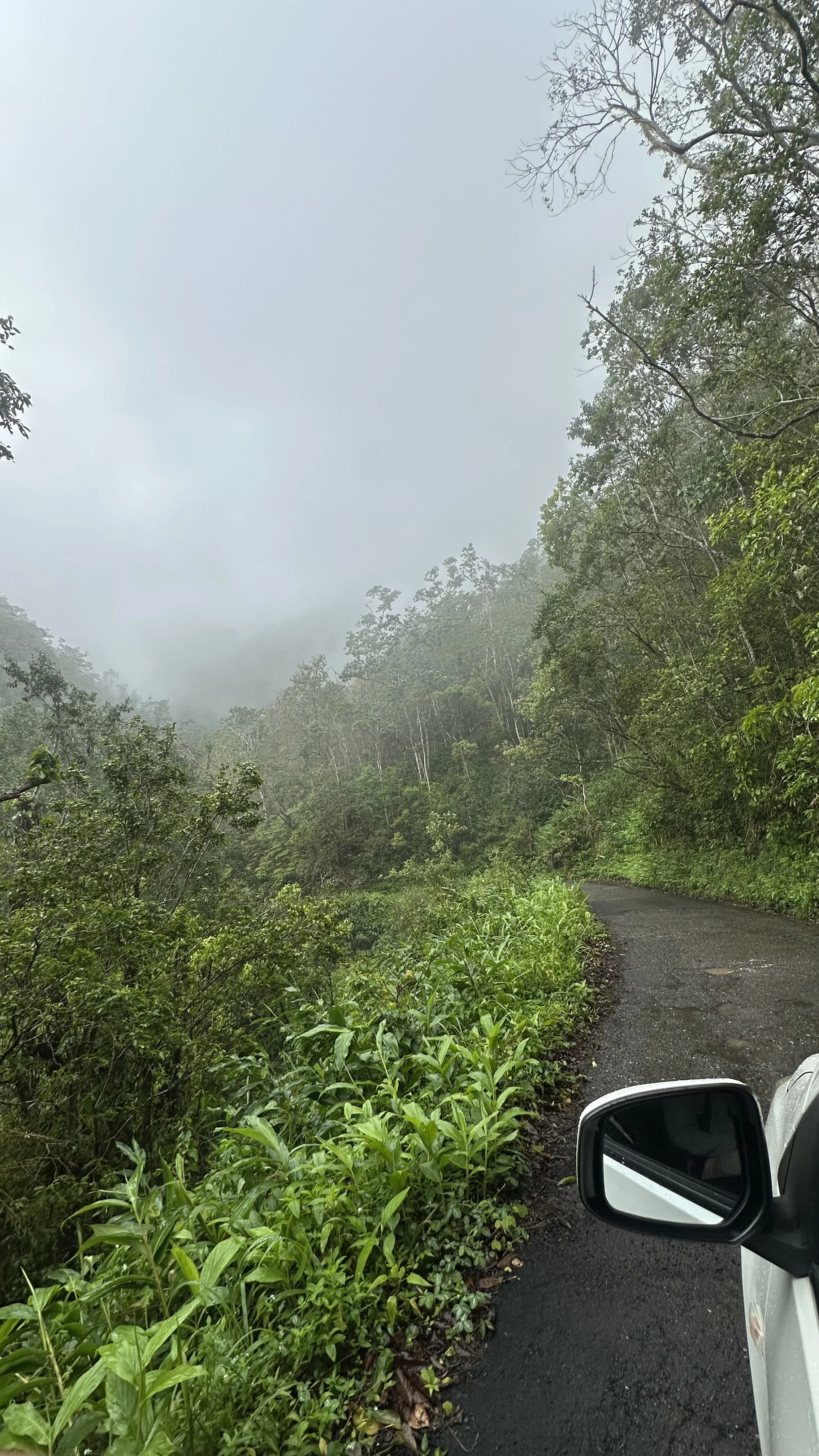
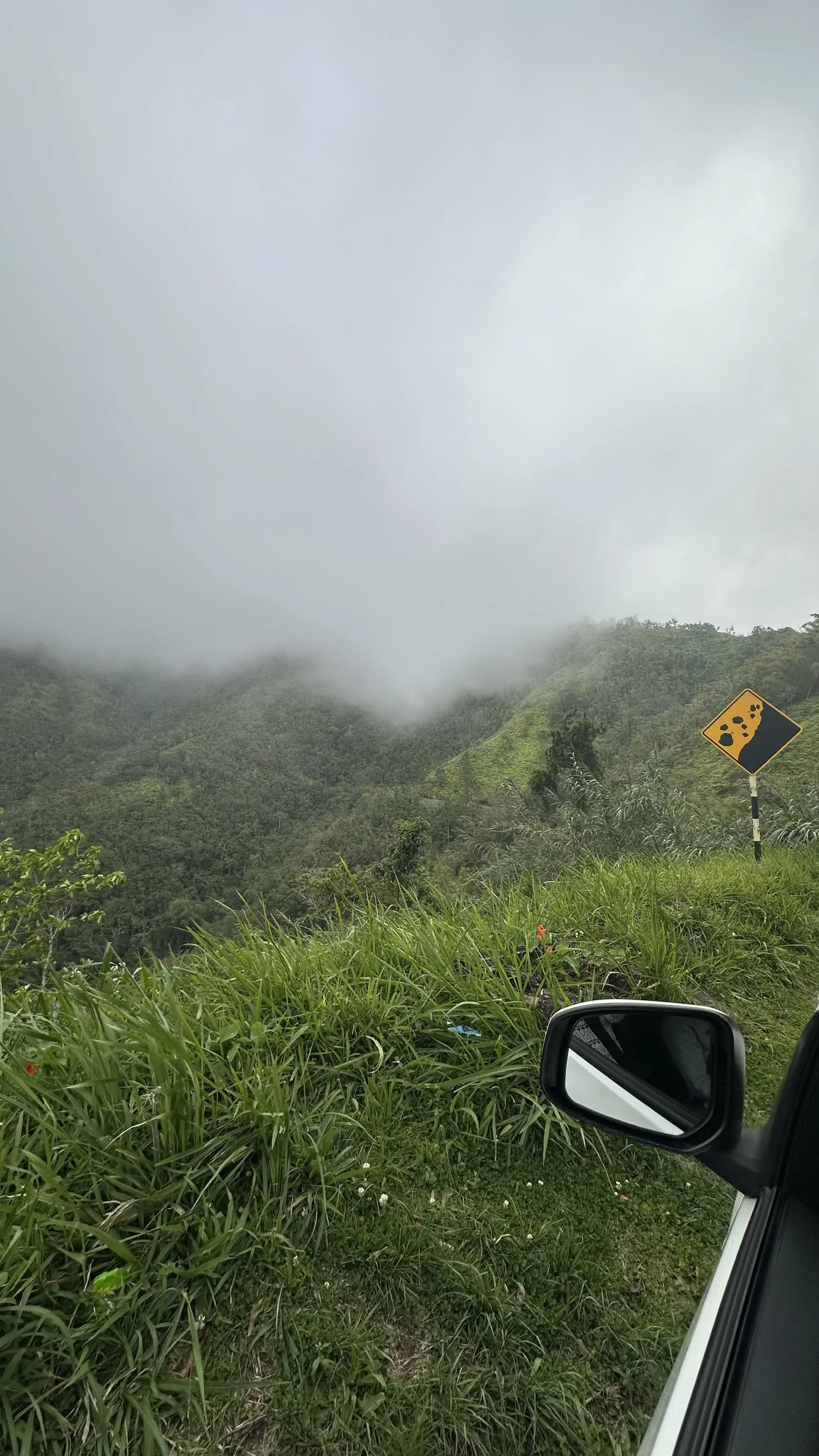
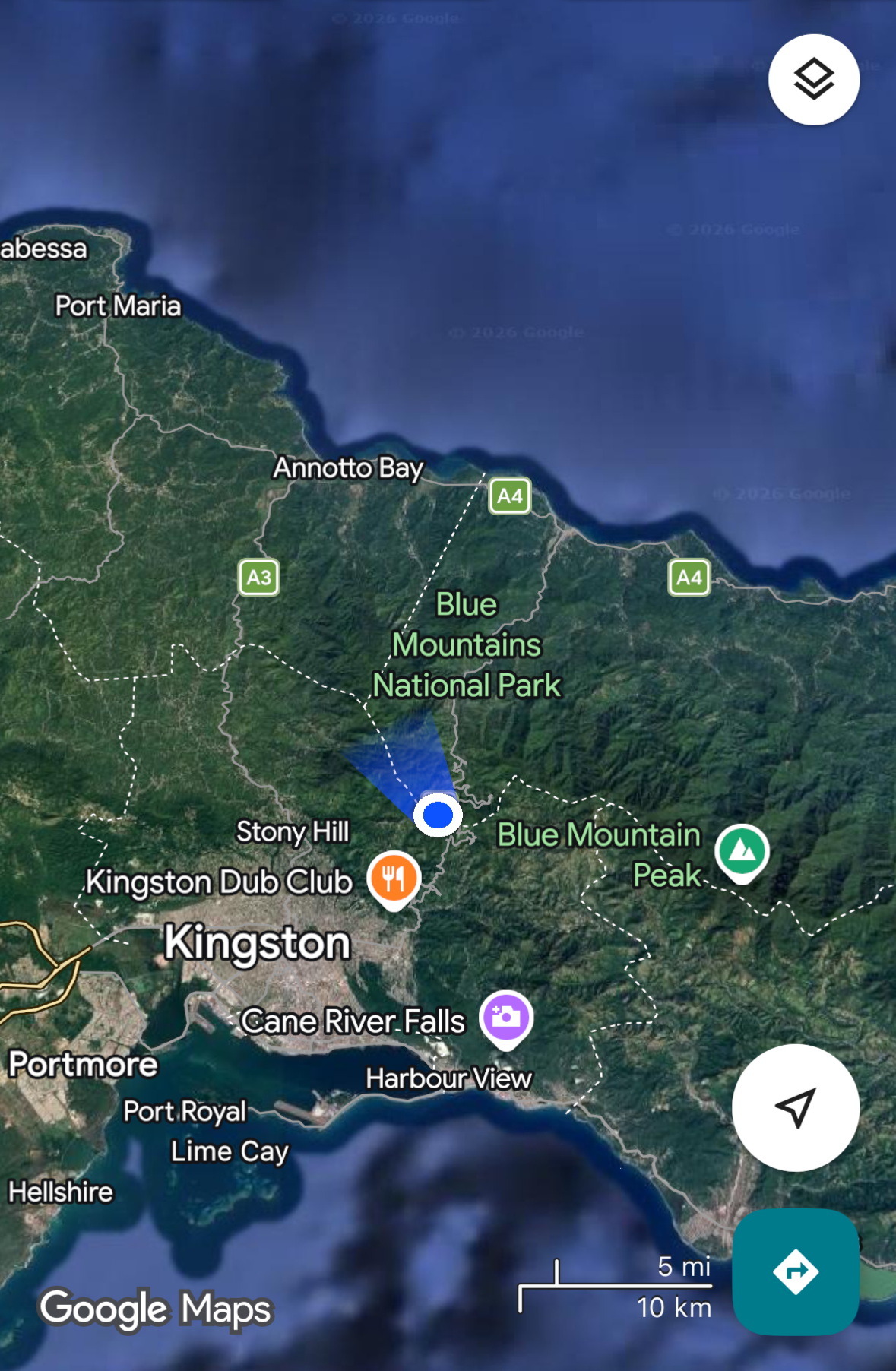
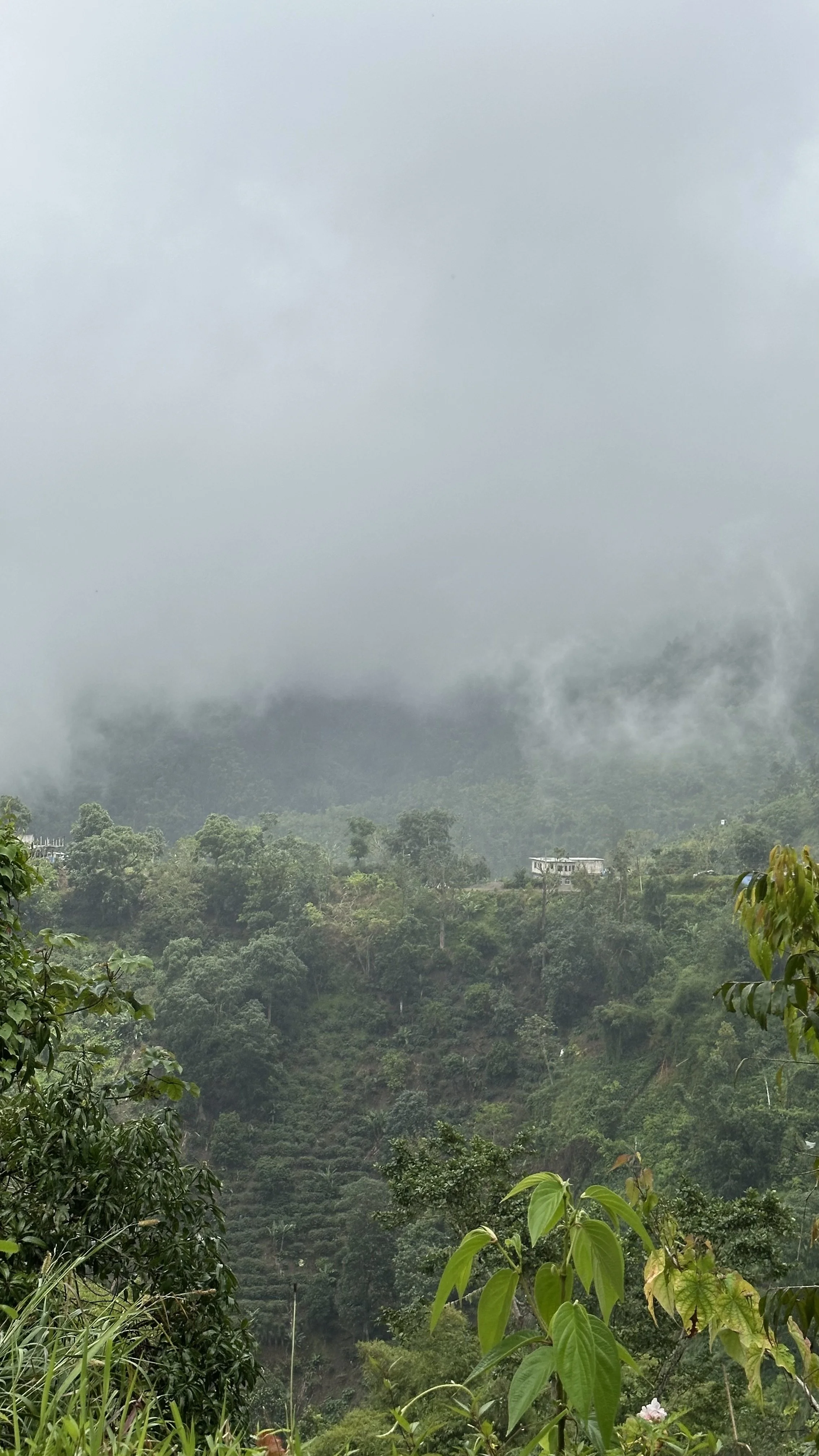
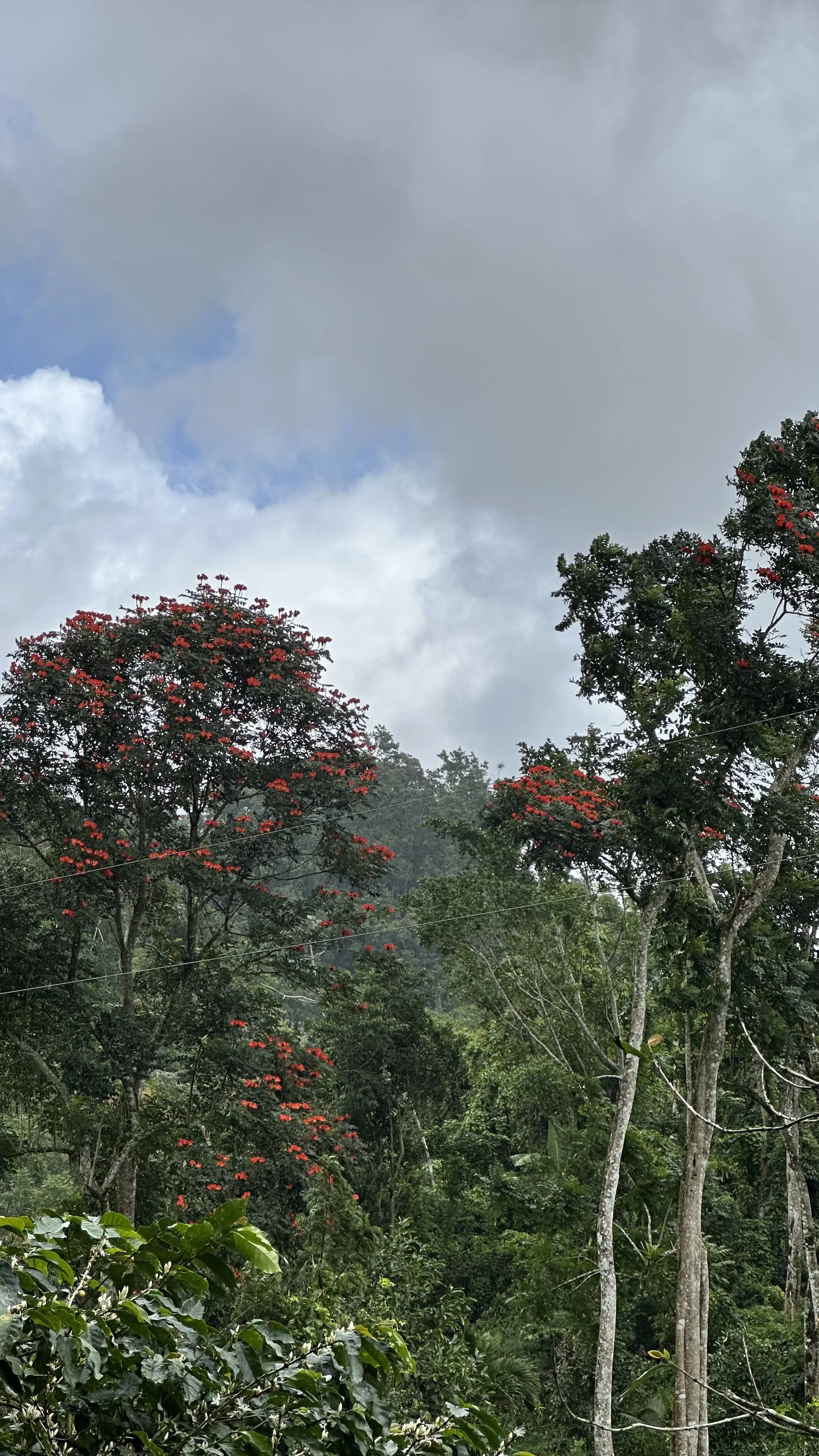
The drive from Prince Valley Guest House to Portland (Port Antonio) is just as stunning, if not even more. You’re constantly surrounded by jungle, with coffee plantations, small villages, and incredible views all the way down toward the coast. It feels very wild and untouched. The road conditions are similar though—again quite rough in some areas, with sections still affected by the hurricane and ongoing works, so expect some bumps and occasional deviations. But even with a small car like ours, it was totally manageable, and honestly part of the adventure.
Drink and buy Blue Mountains Coffee at James Dennis Coffee
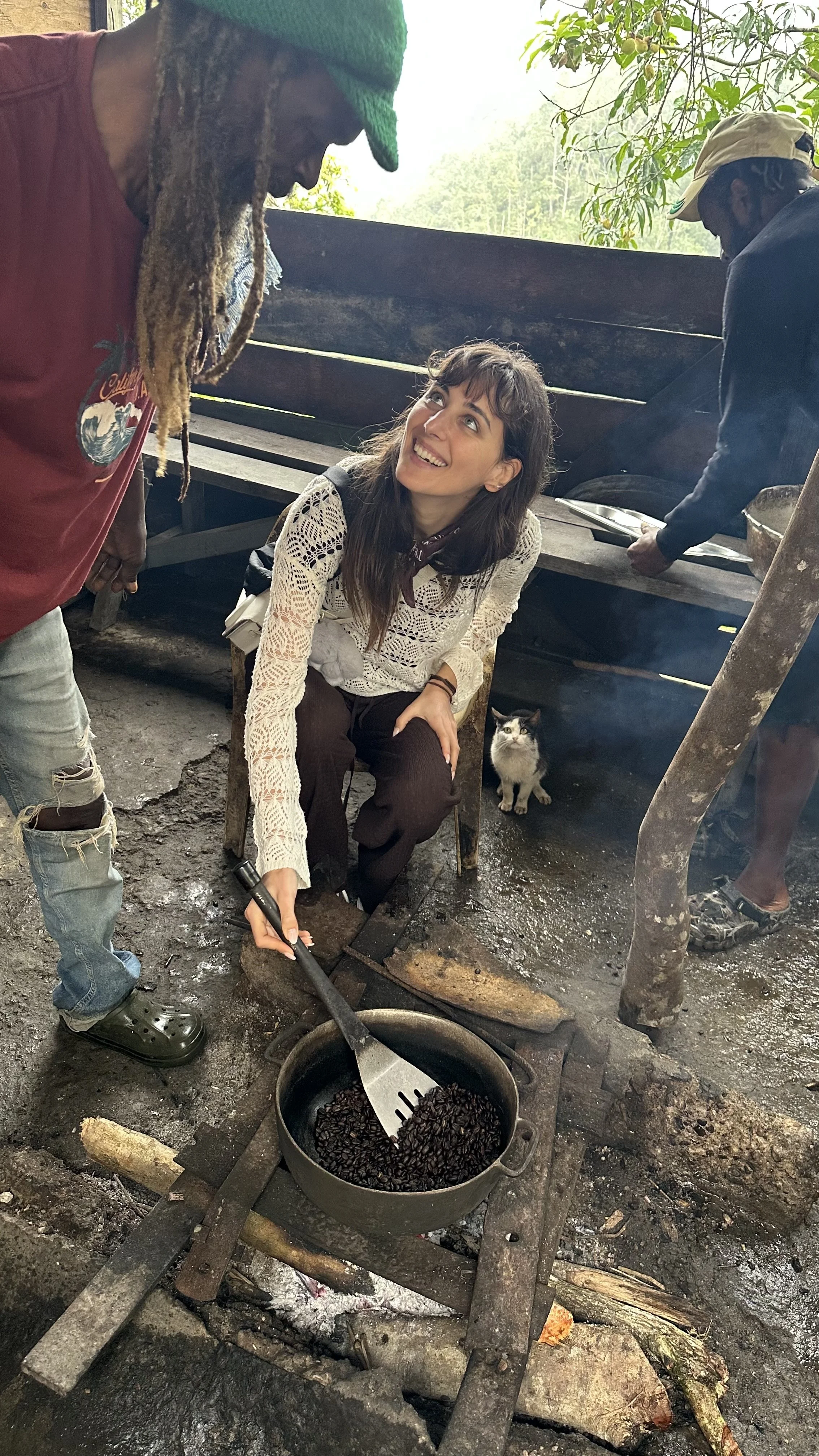
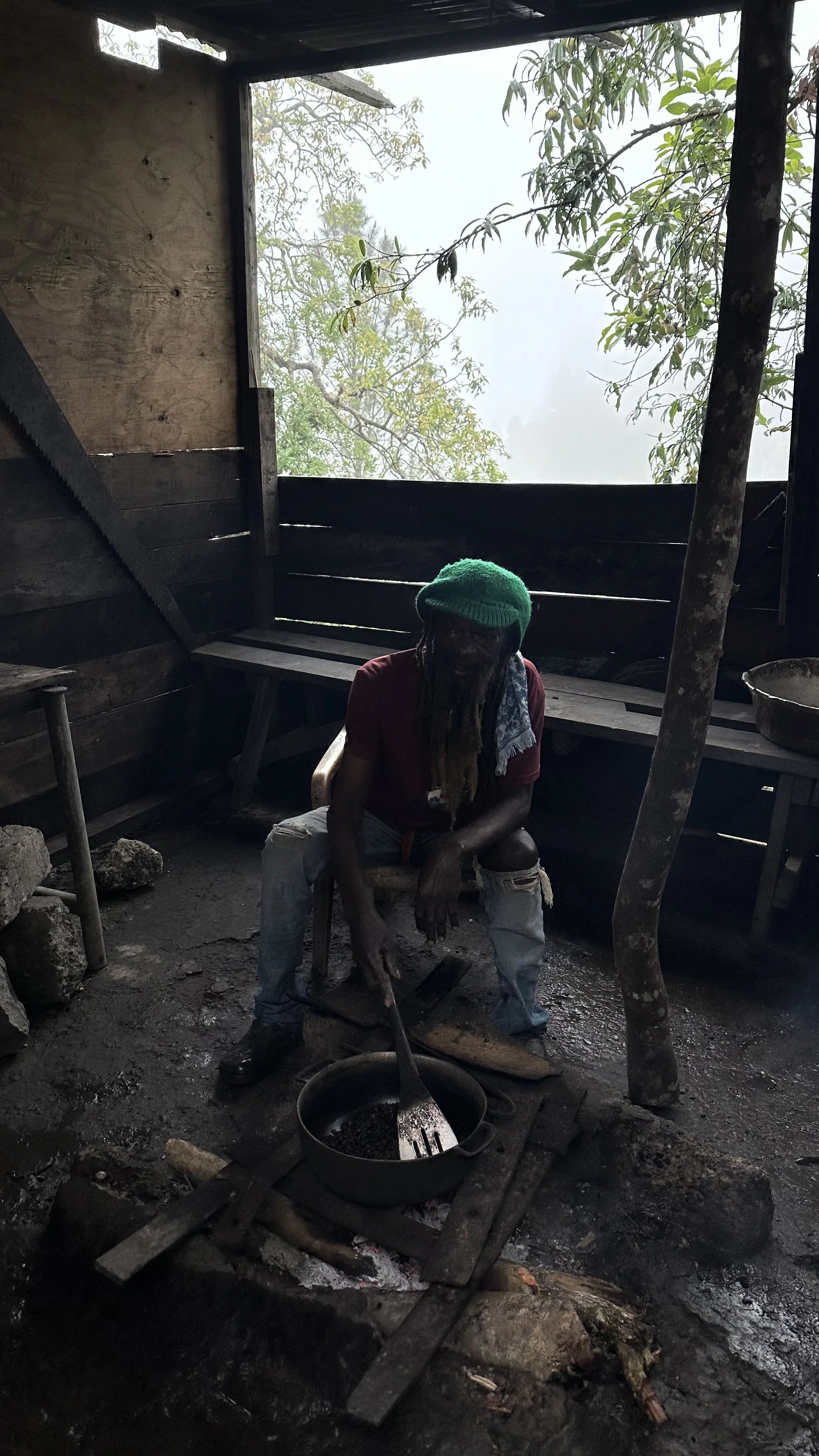
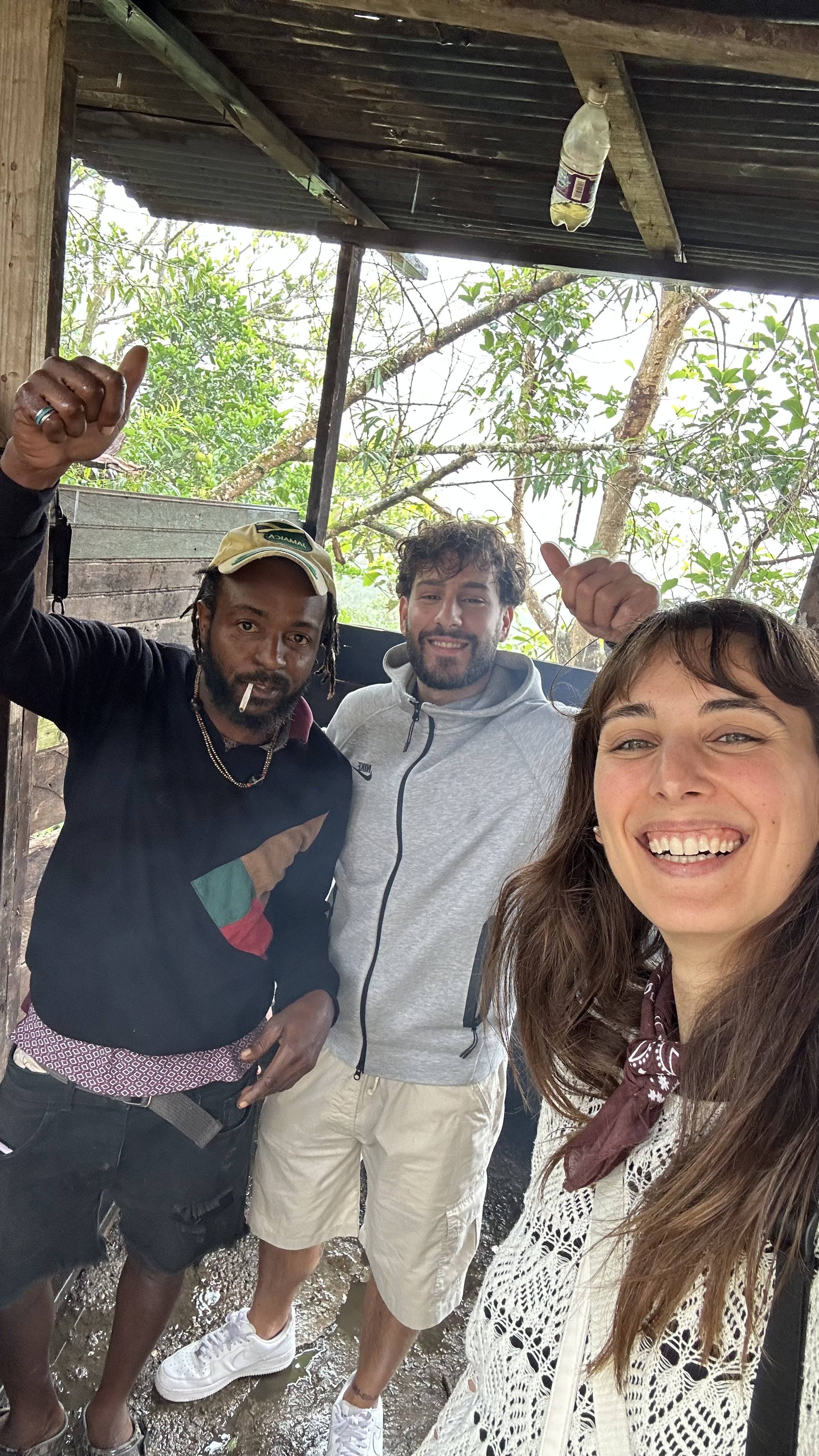
On the way from Prince Valley to Portland, we stopped at James Dennis Coffee House, a small, slightly hidden spot along the road that turned out to be one of the most authentic experiences we had. It’s run by locals who grow their own coffee, and as soon as we arrived, they asked if we wanted to buy some—and ended up guiding us through the whole process.
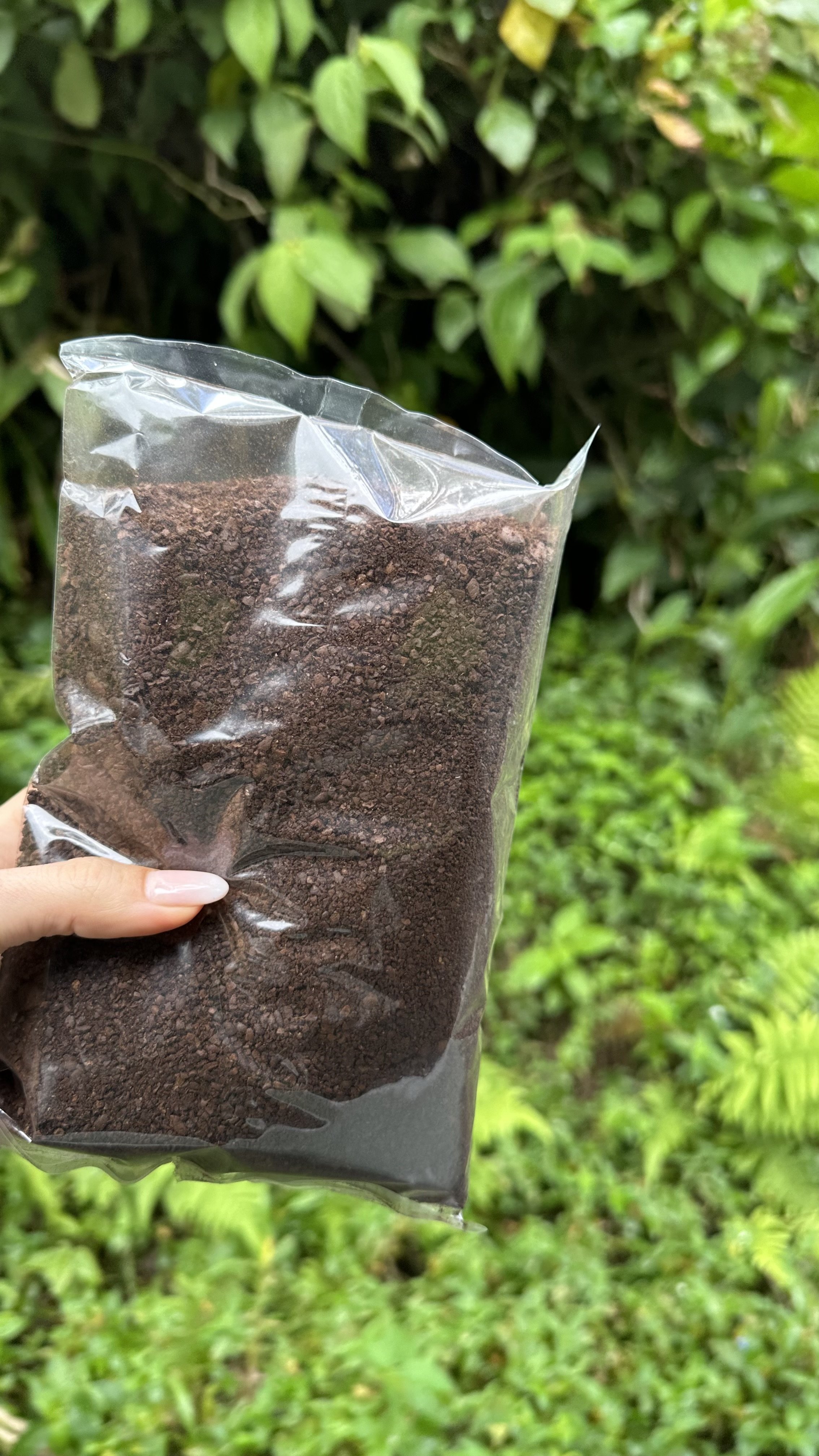
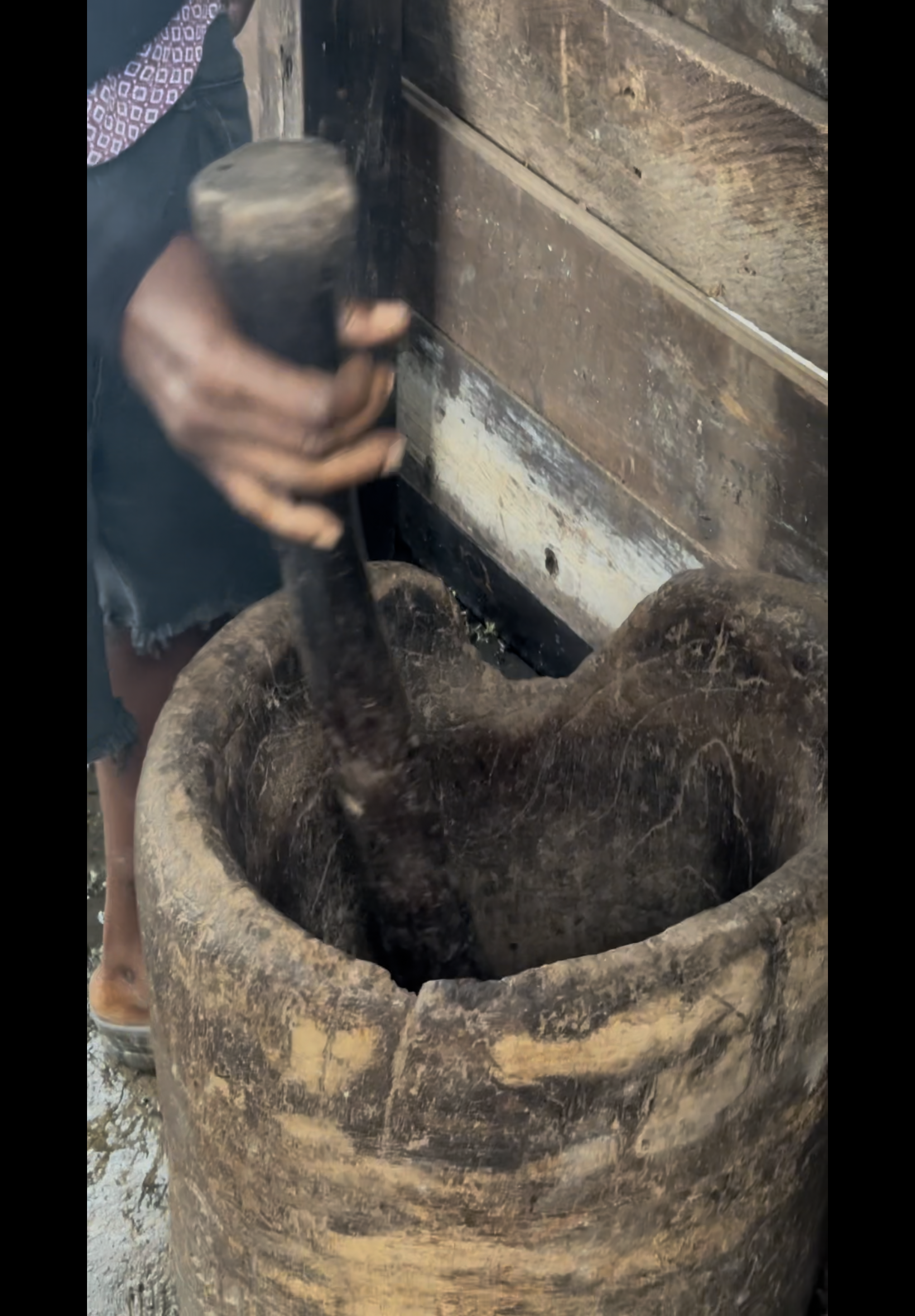
We roasted the beans ourselves, then ground them using a traditional method with a big wooden mortar, crushing everything by hand into powder. They packed it for us in a simple bag, and we bought it right there.
The best part is that it was much cheaper than what you usually pay for Blue Mountain coffee around the island—we paid around €30 for half a kilo. They also made us taste the coffee on the spot, freshly prepared, and it was honestly so good—very roasted, intense, with a slightly sweet aftertaste. It almost tasted like chocolate, very close to cocoa, with a deep, rich flavor that really stays with you.
Eat bammies at the Blue Patio
These were, unexpectedly, the best bammies I have eaten in the island! So stop here to try them!
Swim in or just visit the Blue Lagoon
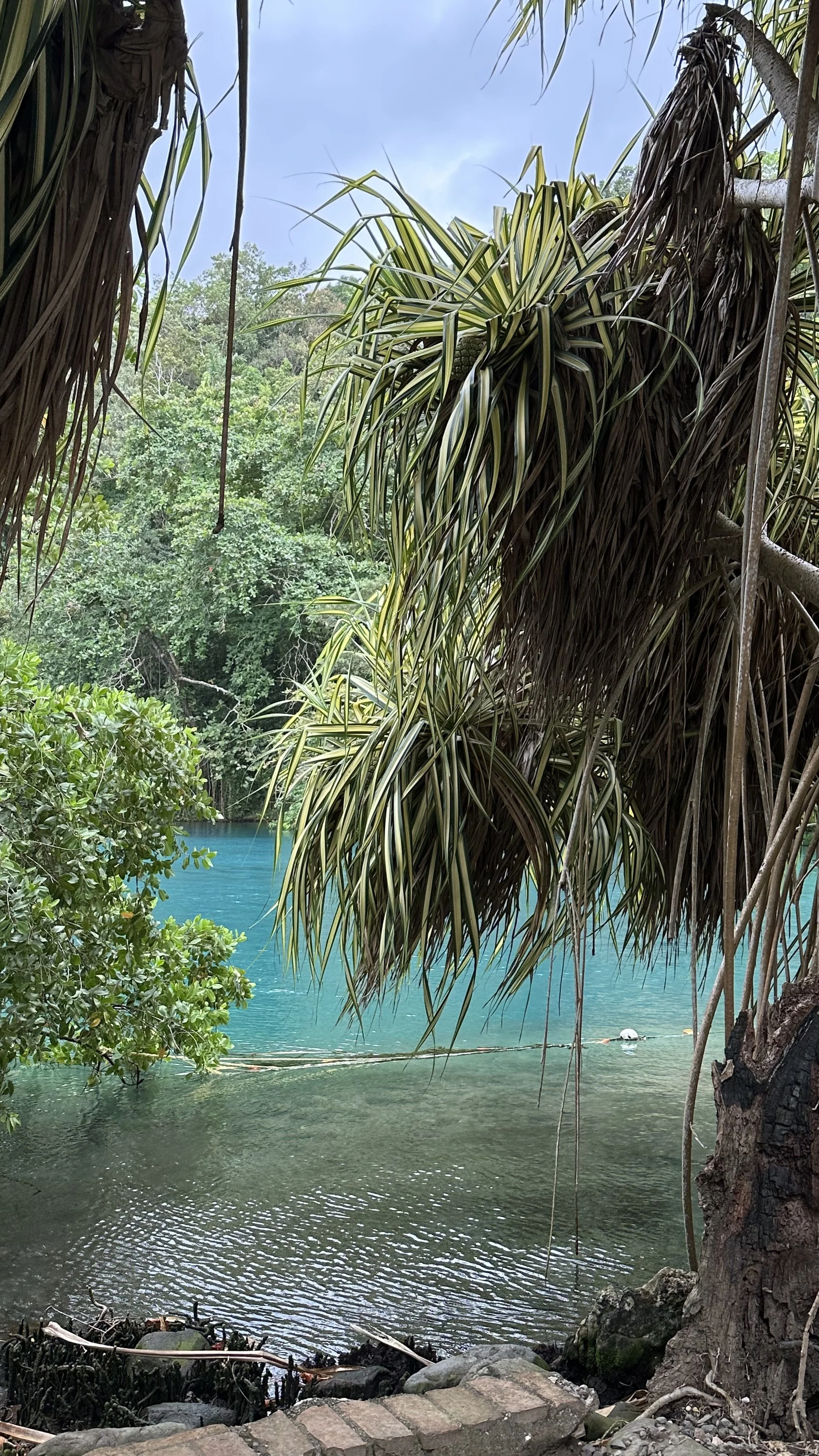
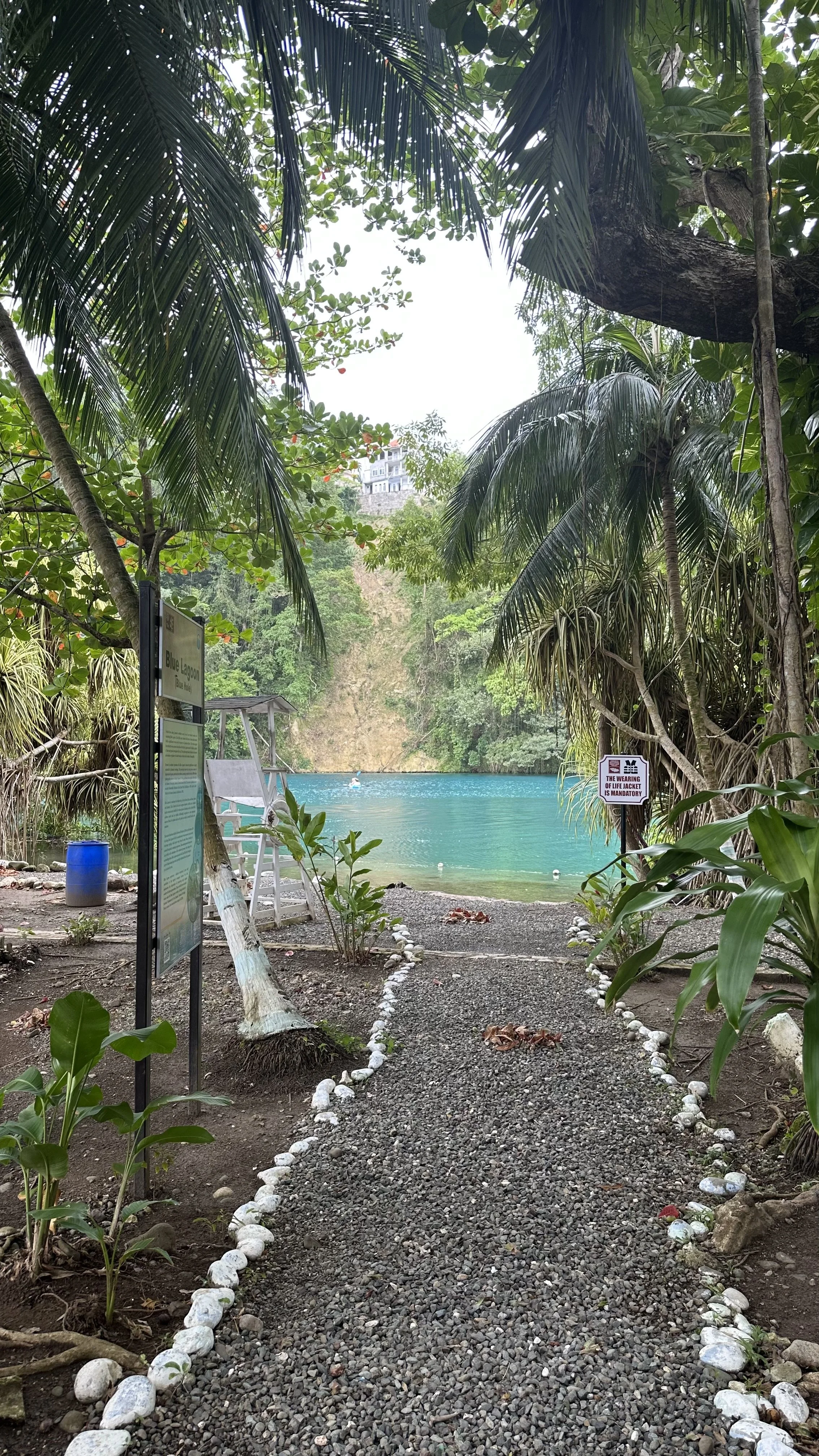
The Blue Lagoon in Portland is probably one of the most vibrant and colorful spots on the island. The water has these intense shades of blue and green that almost don’t look real—and the craziest part is that even on a cloudy day, the colors stay super strong, they don’t turn grey or flat like in most places. You can swim in it, rent a kayak to explore around, or even just go there and take it in—it’s one of those places that’s worth seeing no matter what.
The importance of Jerk Chicken in Jamaica
Before talking about the place, it’s worth understanding what jerk actually is, because it’s one of the most important food traditions in Jamaica.
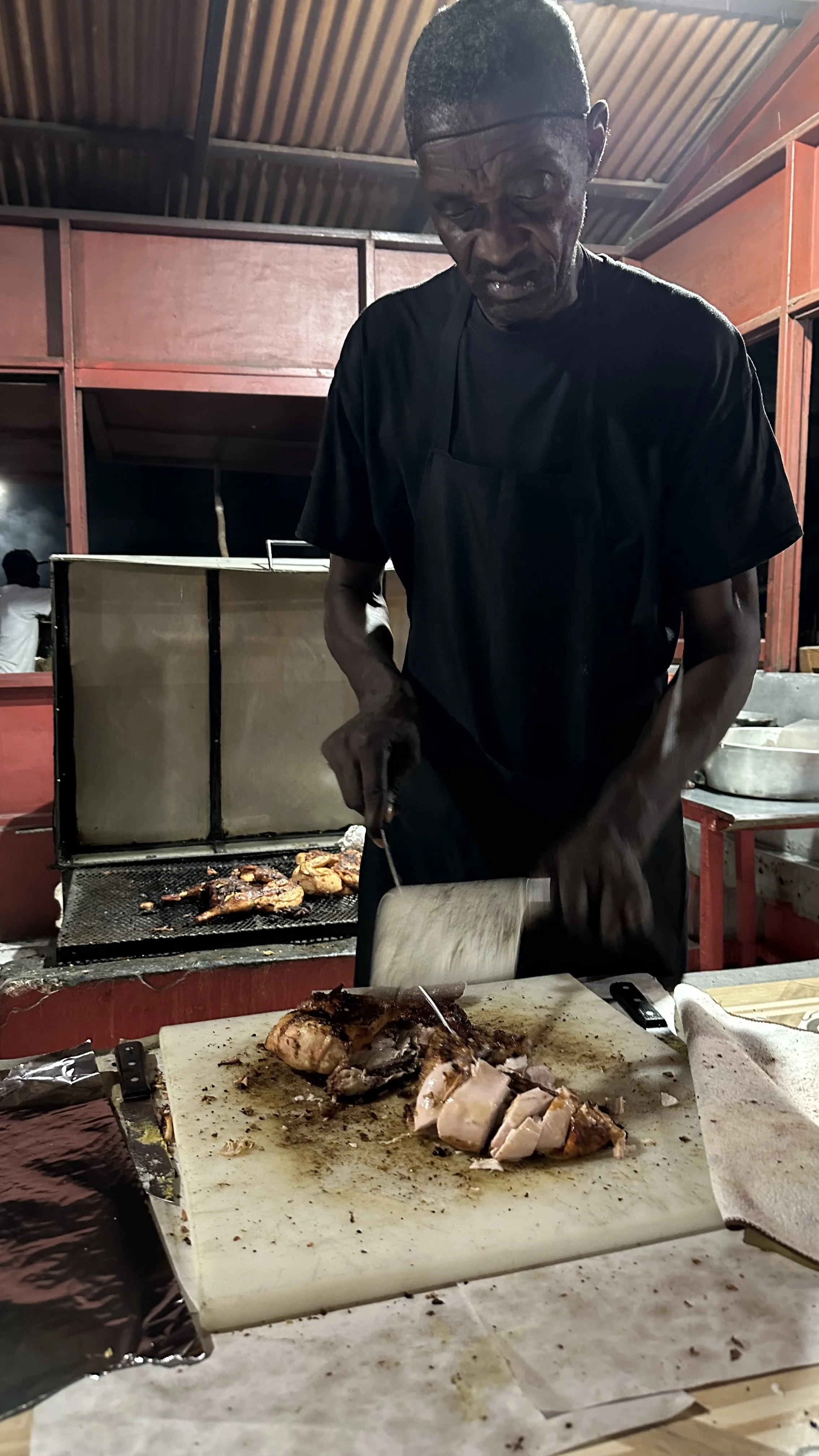
Jerk is not a specific dish, but a way of marinating and cooking meat—usually with a mix of spices, herbs, and peppers, then slow-cooked over wood to give it that smoky, intense flavor. The most famous area for this is Boston, in Portland, which is considered the birthplace of jerk, and where this cooking style is taken very seriously.
Have dinner at the I&R Boston Jerk
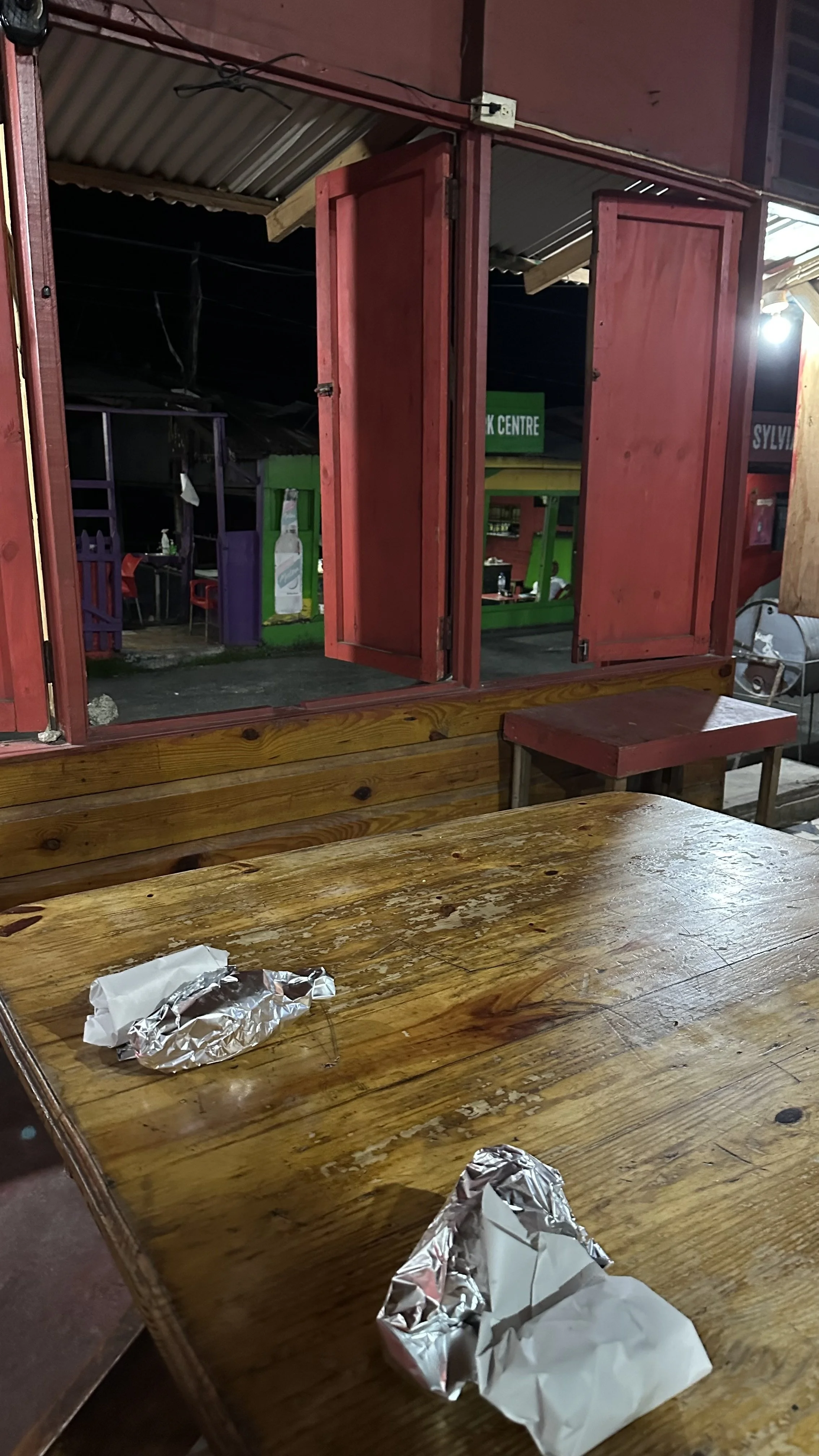
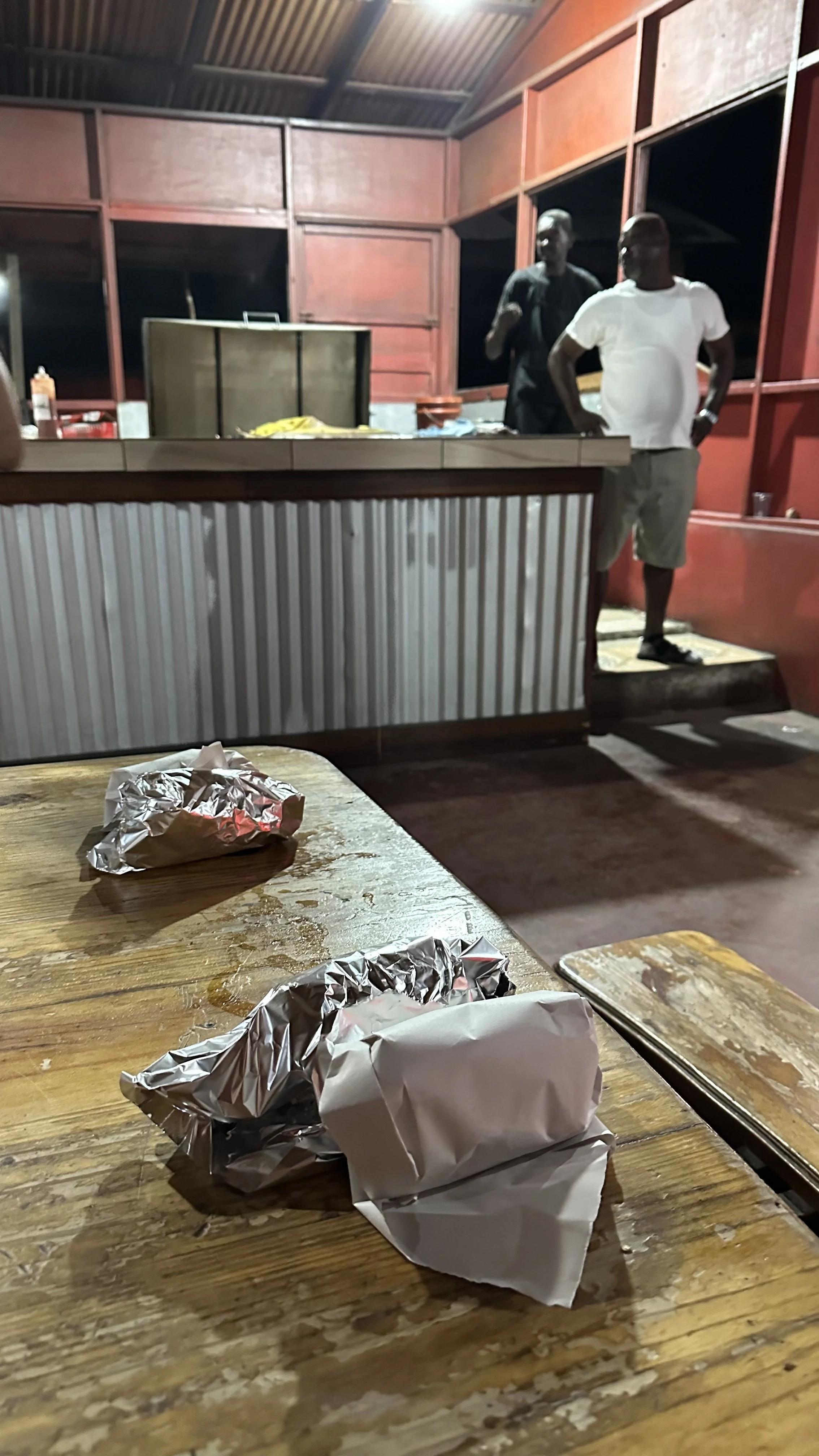
We ate it at I&R Boston Jerk Center, near Boston Beach, and it was hands down the best jerk chicken we had on the island—super juicy inside, perfectly cooked over wood, and full of flavor.
It’s a very local spot, actually recommended by our Jamaican friends who live in the area, who also said it’s the best!
They also told us to try it with jerk pepper, a spicy sauce made with Scotch bonnet peppers (the typical Jamaican chili) mixed with the same spices used for the jerk marinade—it’s intense but so good.
One thing to know is that in that area there are many jerk places, sometimes even right next to each other, so make sure you go to this exact one—it’s the one worth it.
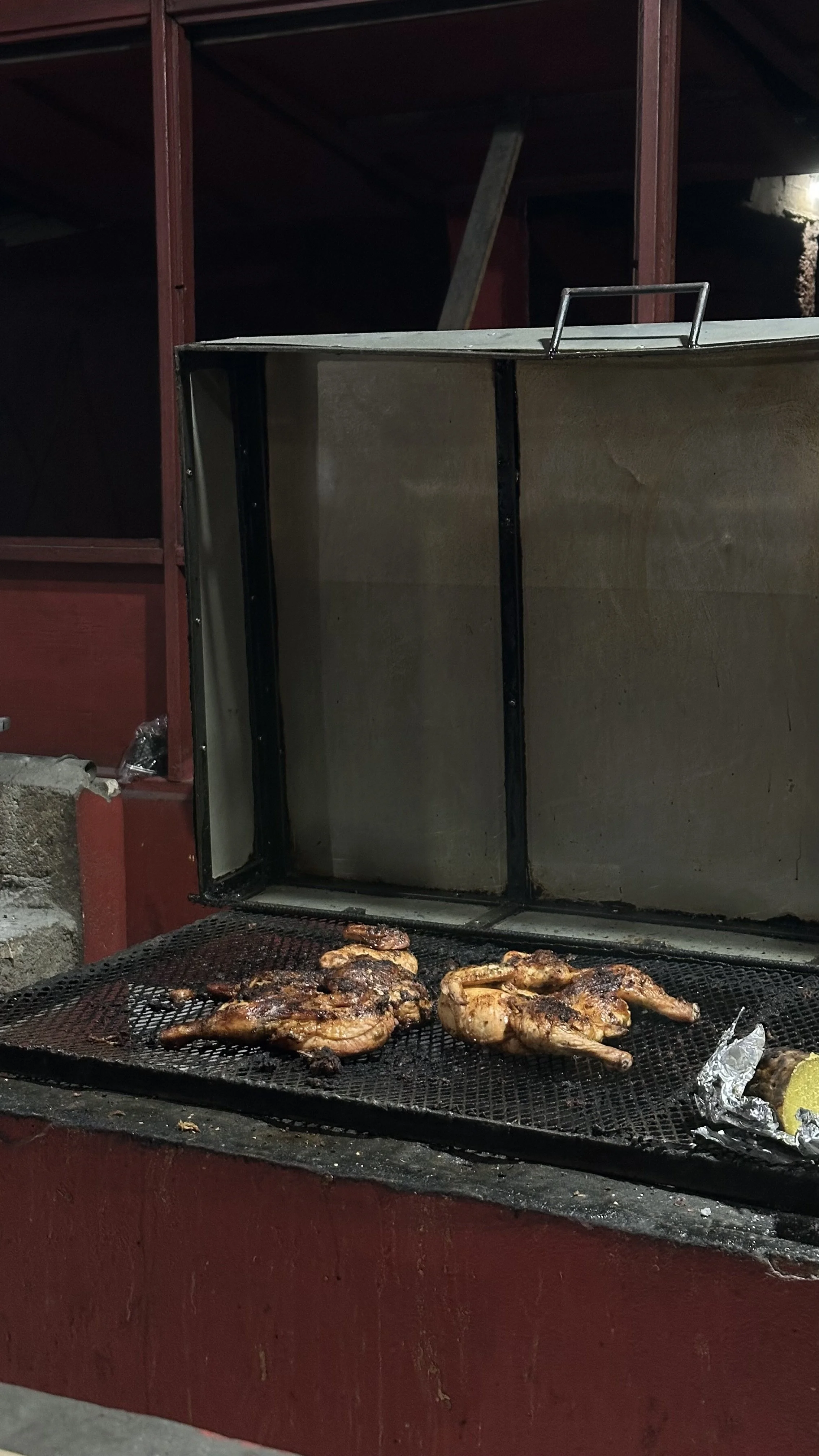
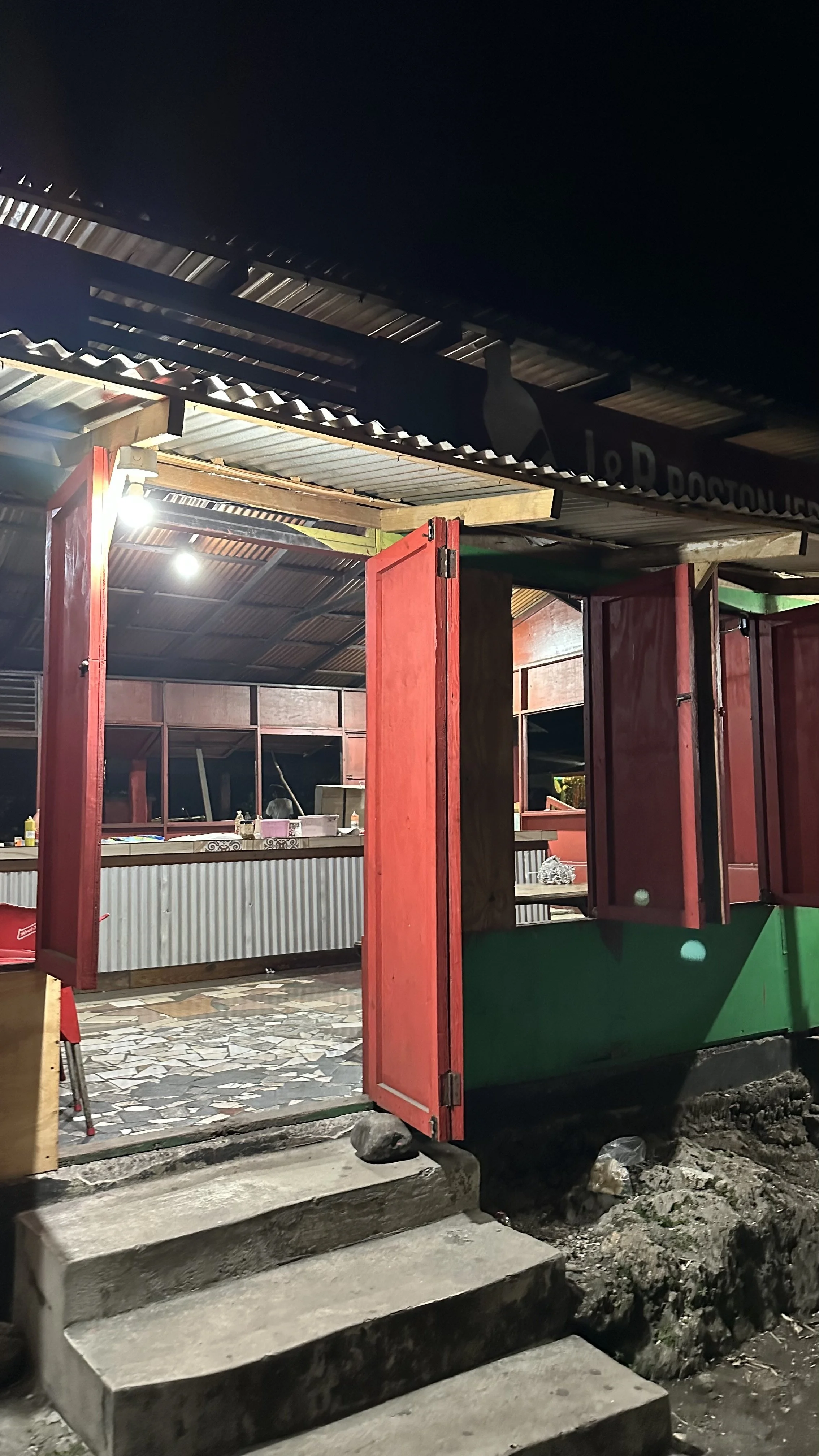
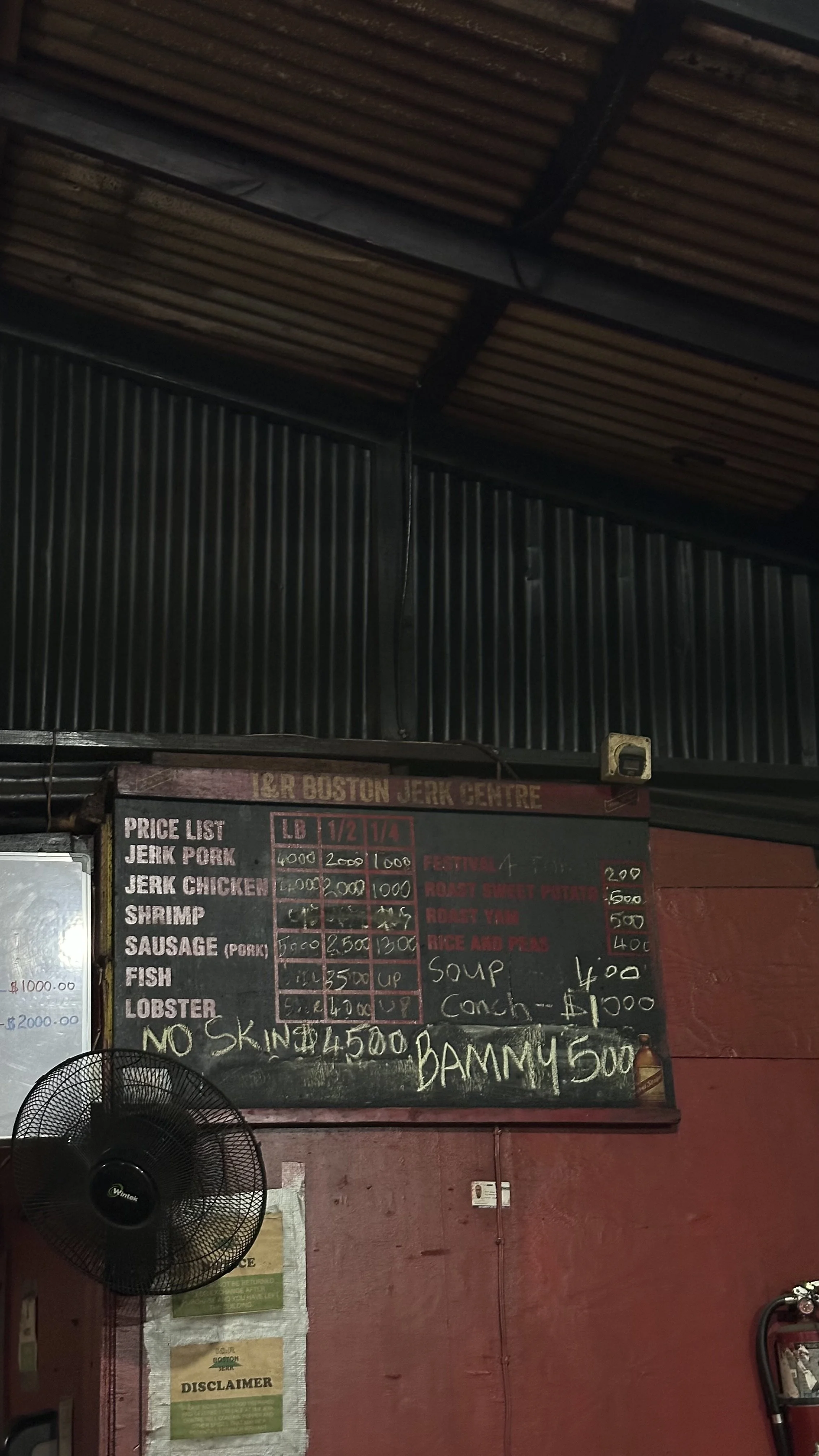
Day 6
Port Antonio, Portland
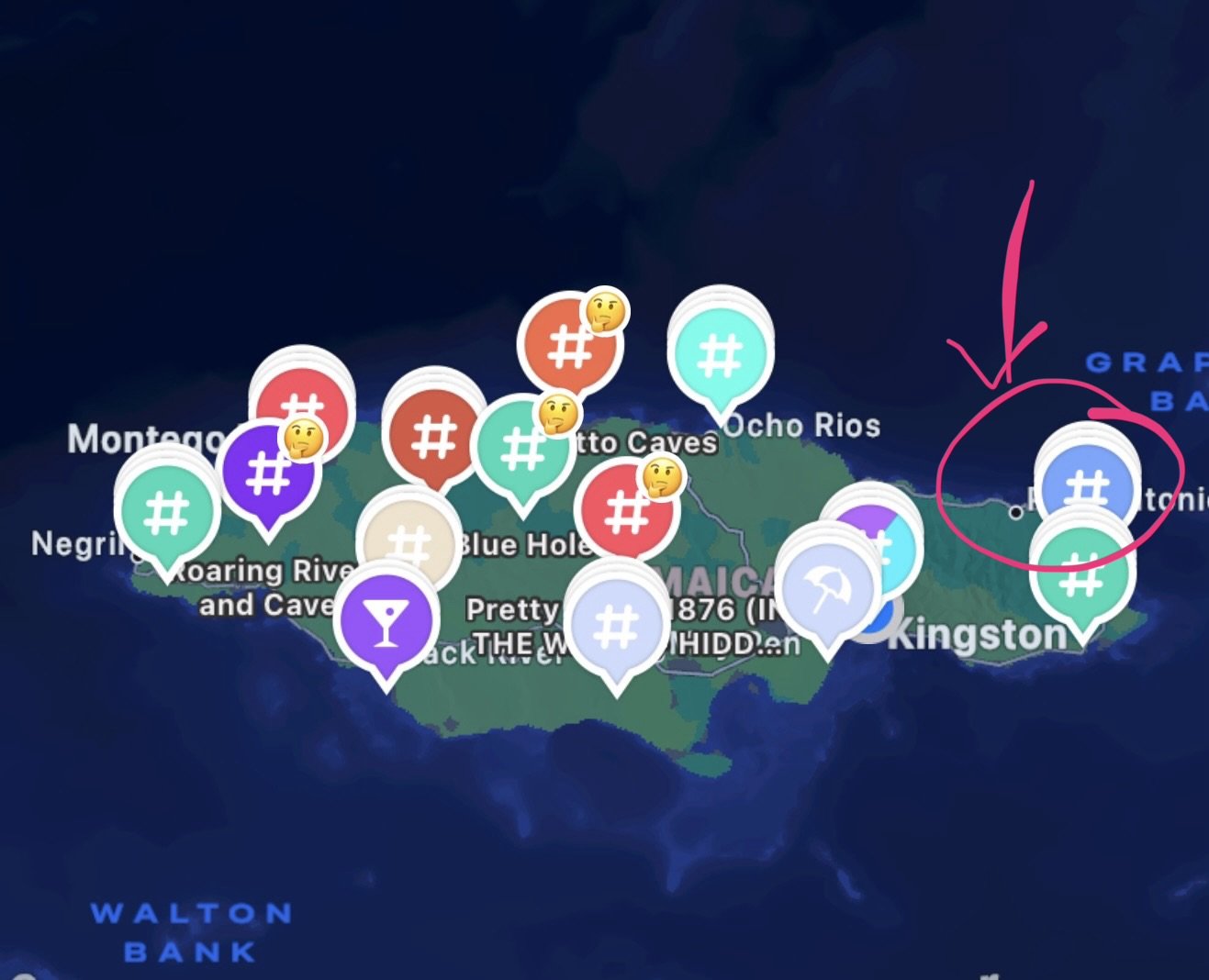
If you wish to find my map pins and easily follow them, follow me on mapstr!
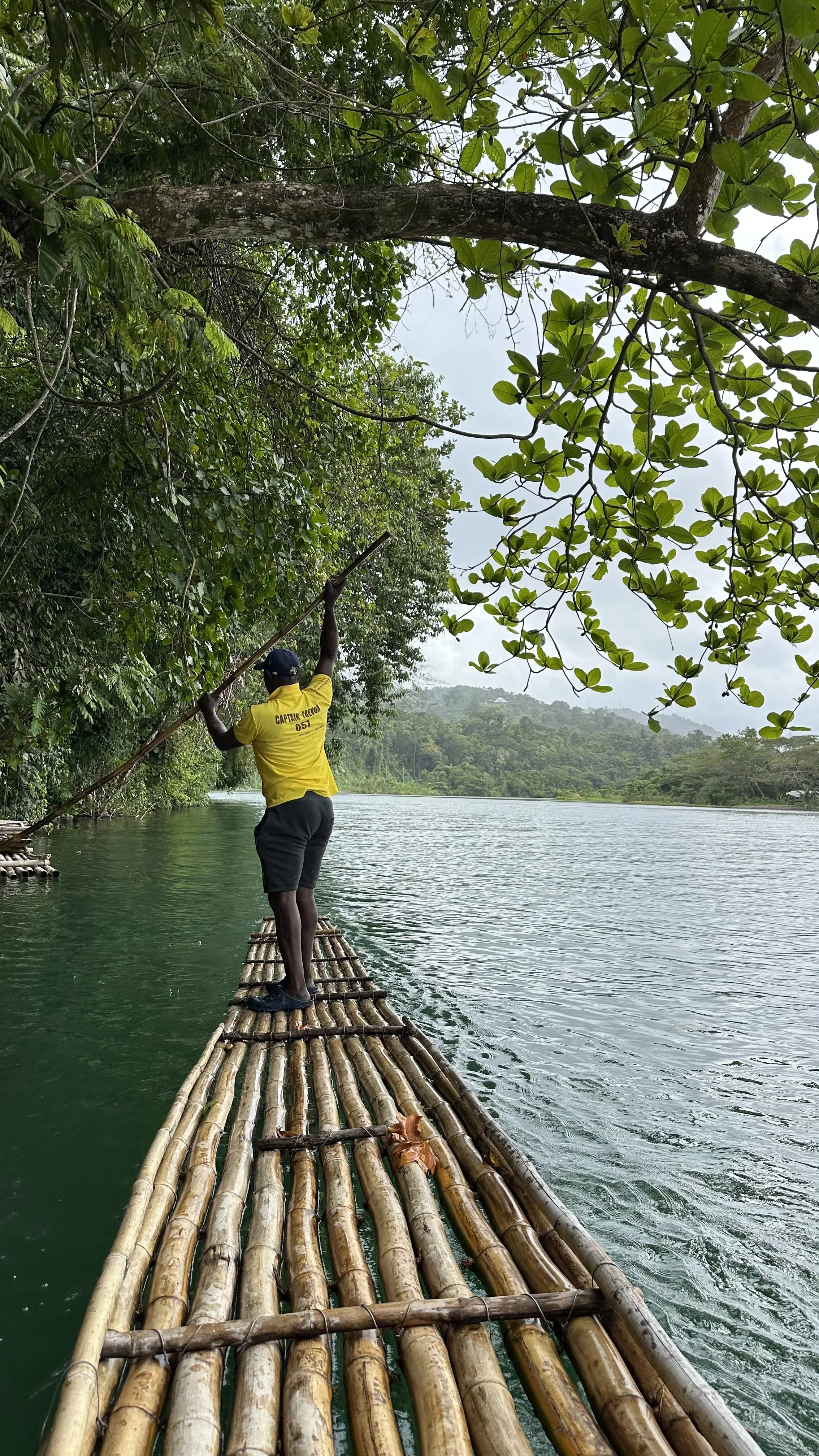
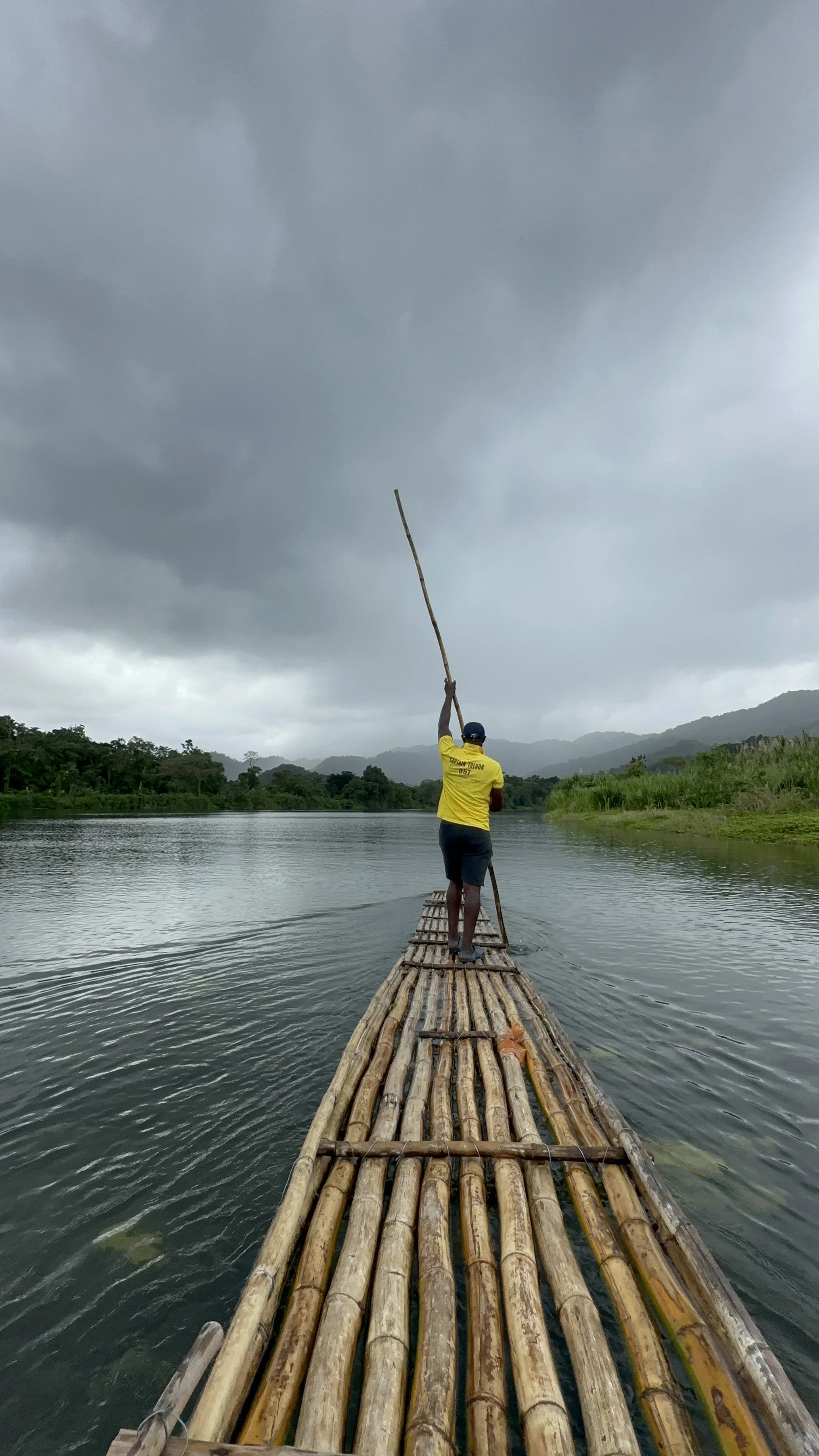
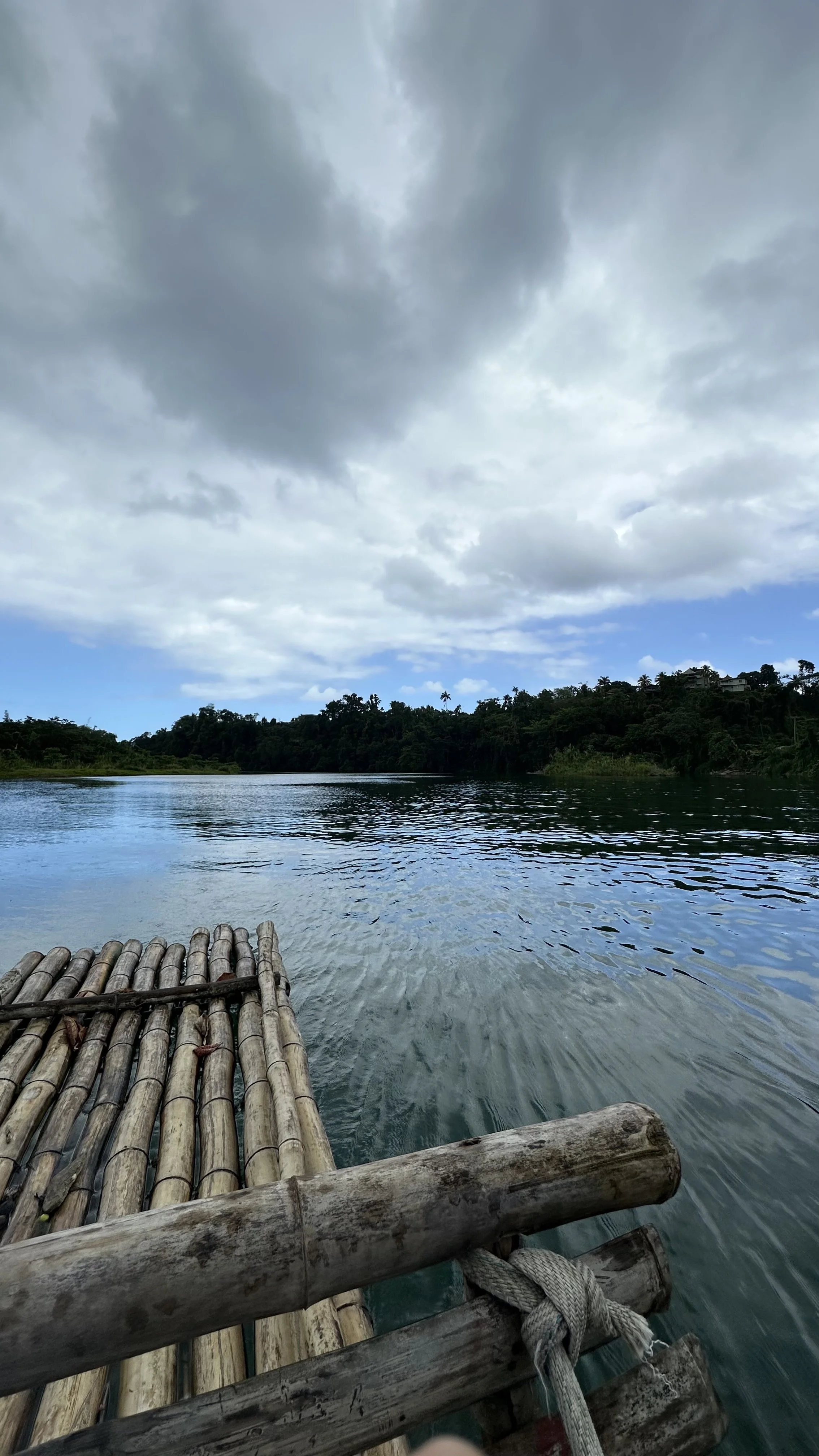
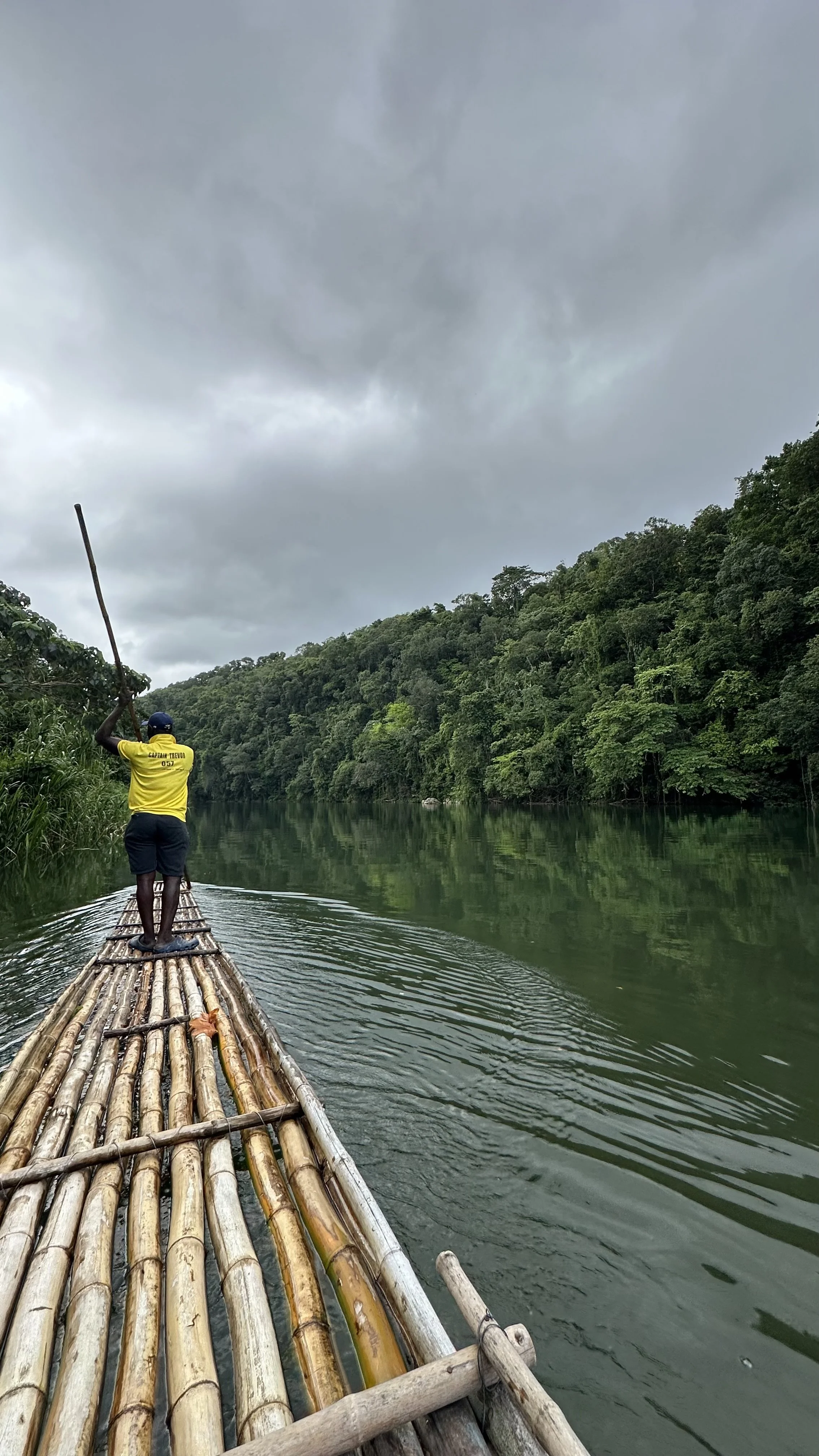
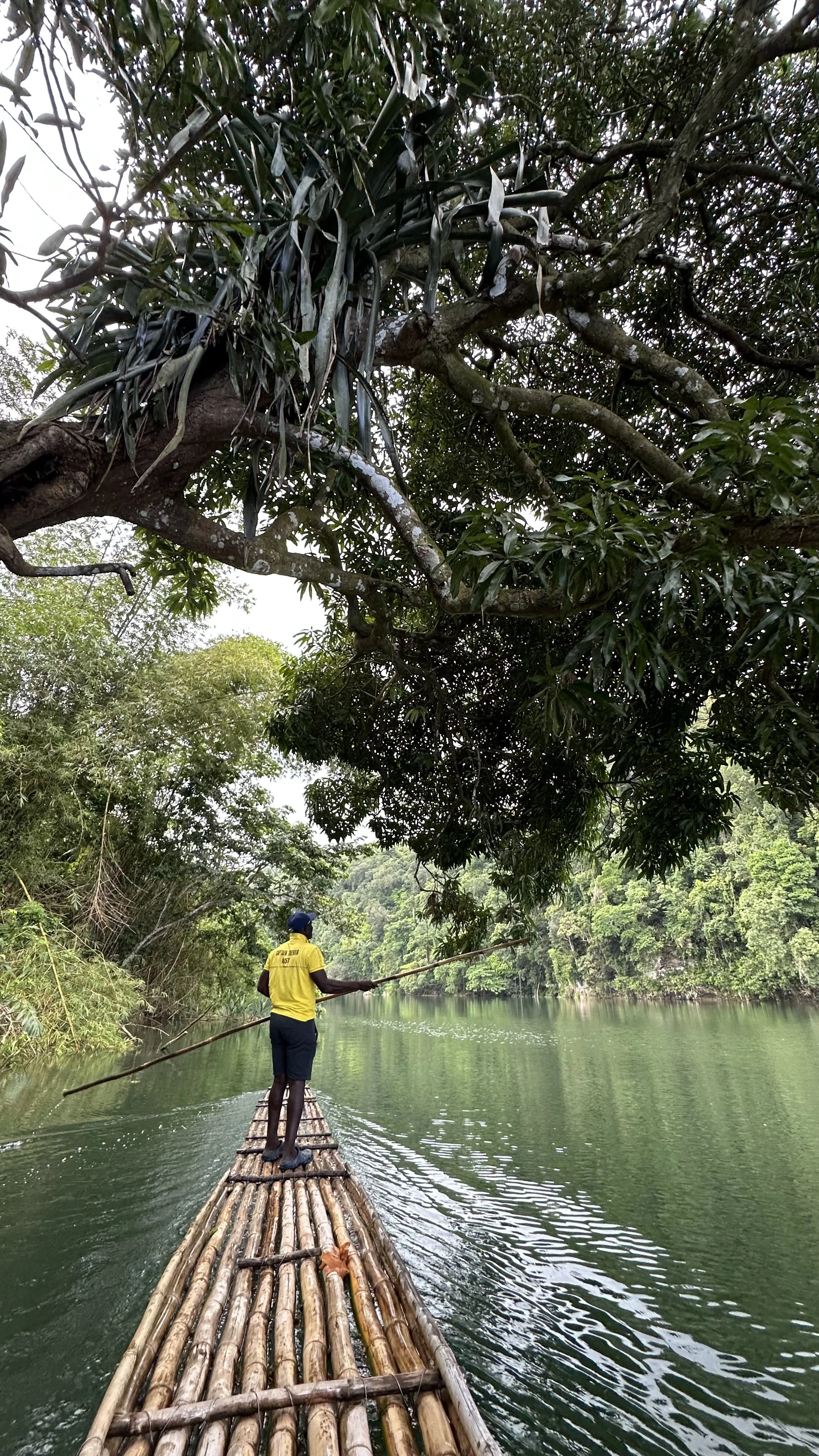
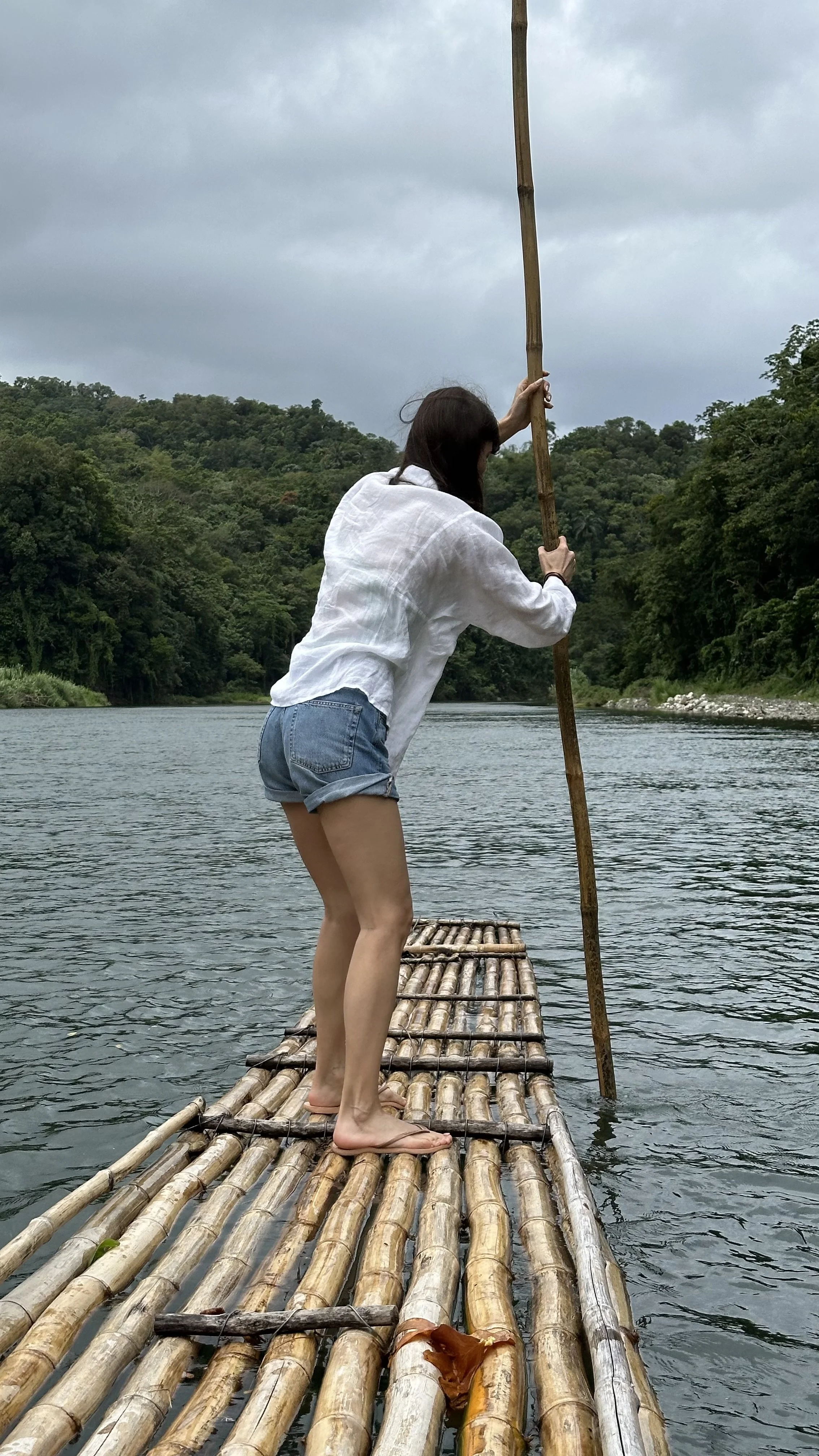
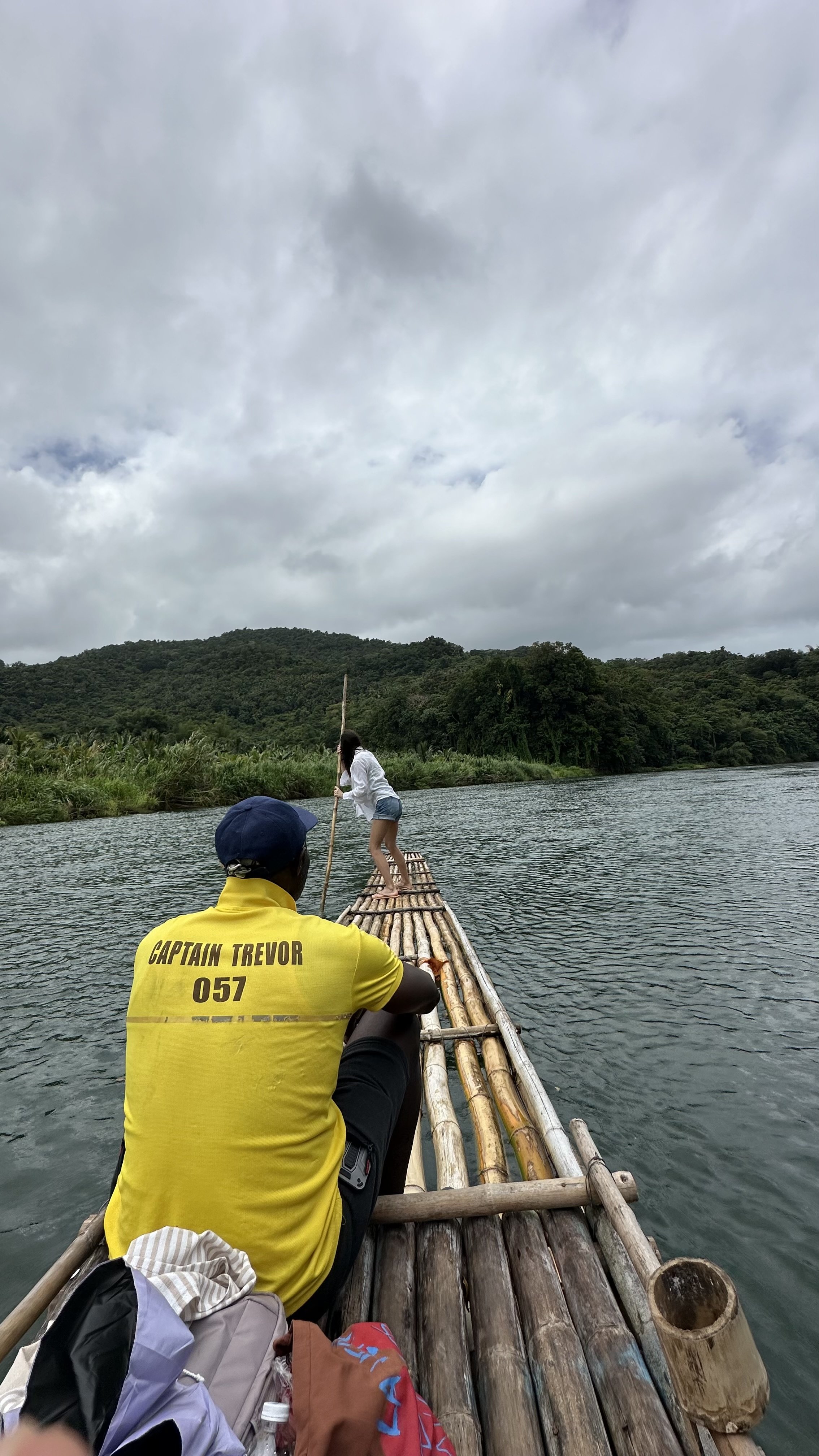
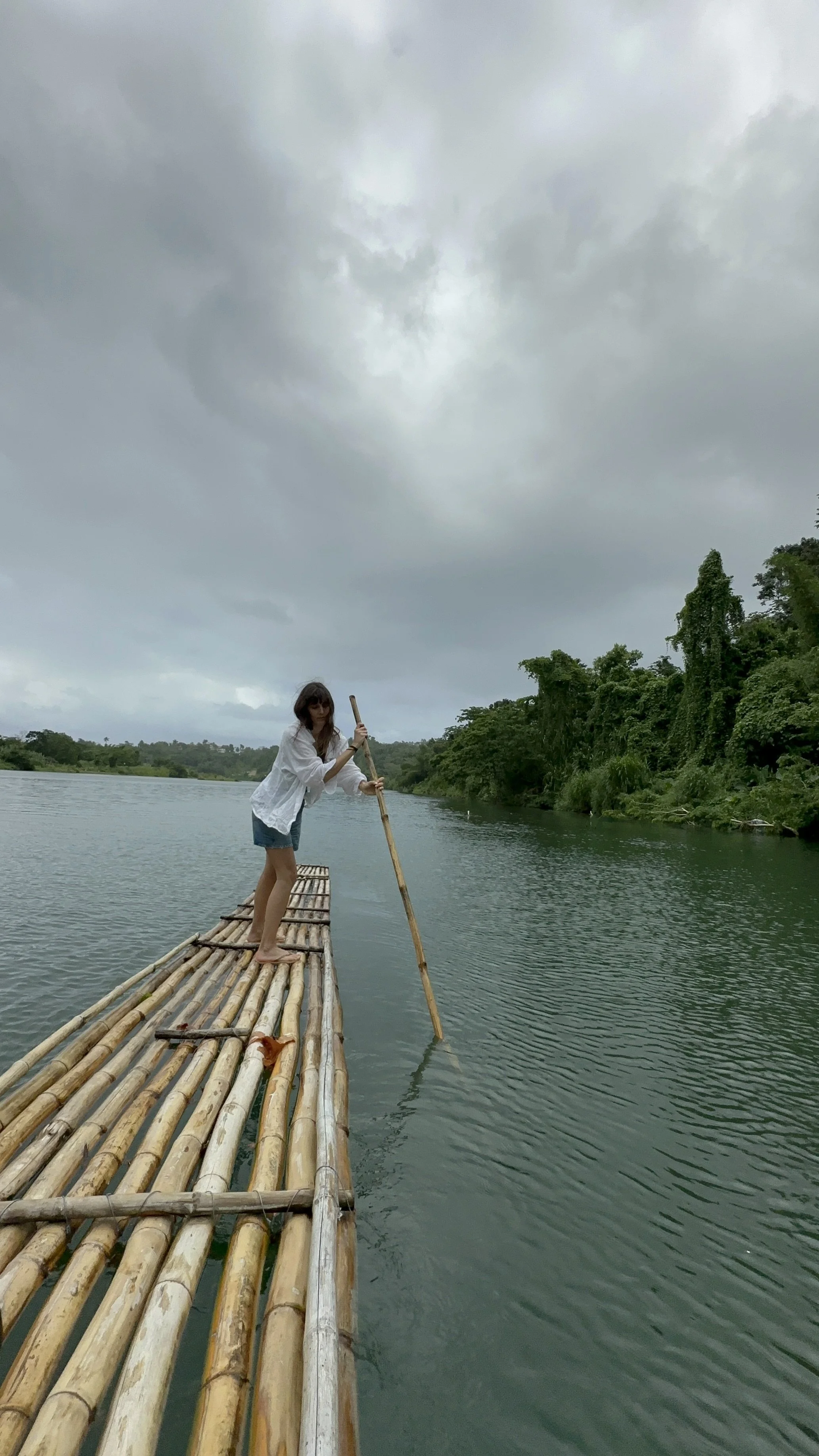
Bamboo Rafting in Rio Grande
Doing bamboo rafting on the Rio Grande is one of the most authentic experiences you can have in Jamaica.
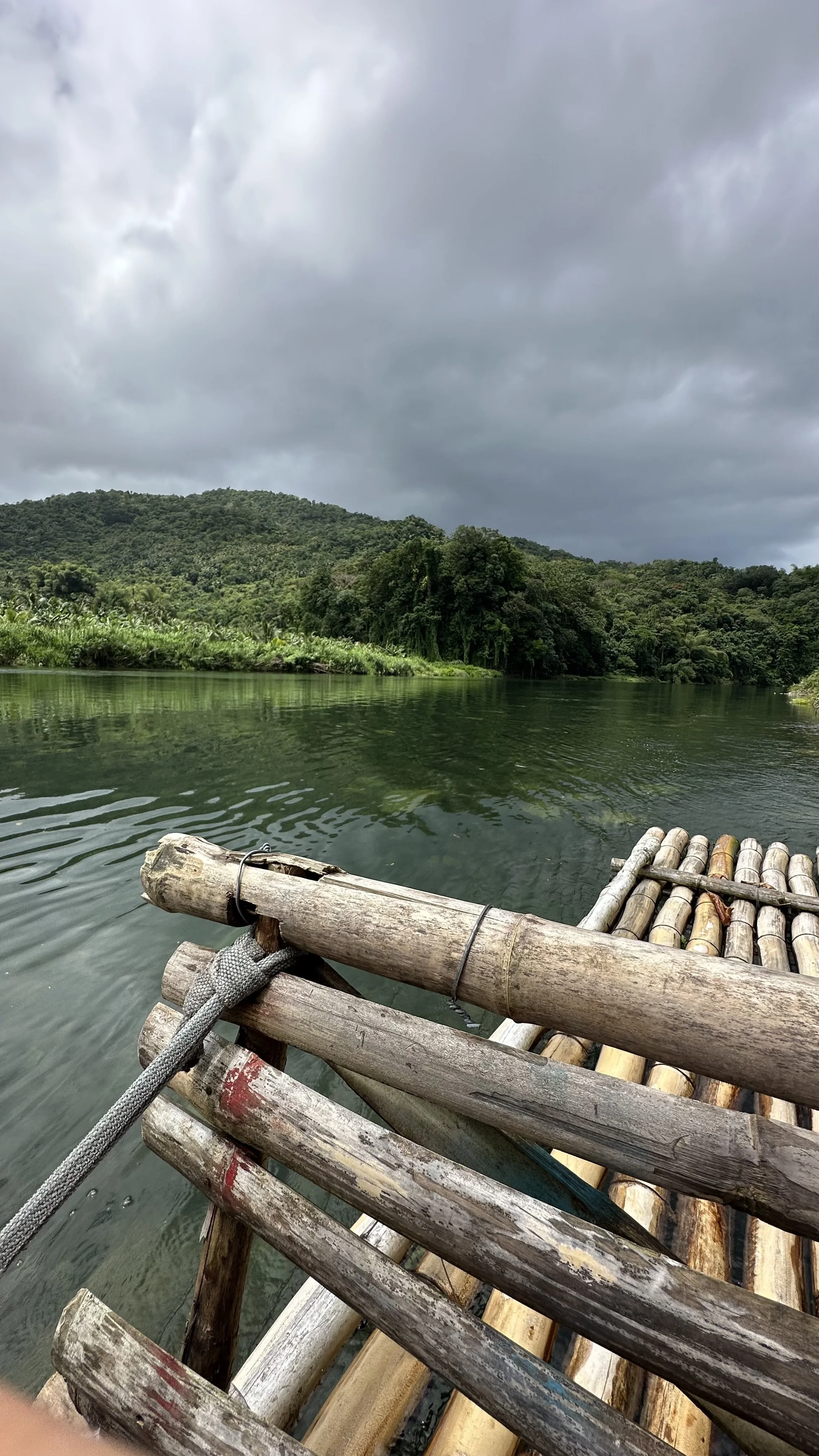
There are a few bamboo rafting experiences around the island (avoid the touristy fake one in Montego Bay), but this one is the original—this is where it all started. Back in the day, farmers used these bamboo rafts to transport their crops along the river to reach the markets, so it wasn’t a tourist activity at all, but part of everyday life.
Today, it’s become a popular experience, but it still keeps that traditional feel. You drive to this specific point, where local captains wait, and you just hop onto one of the rafts and start the journey along the river. You can either start from the lower part and go up and back down, or drive to the top and do the full descent, then take a taxi back—we chose the first option.
What made it even more interesting is the people behind it: as of today (2026), there are around 160 captains doing this job, most of them over 50, because younger generations don’t want to continue it—it’s hard work and not very well paid. Our captain told us they’re actually worried this tradition might disappear in the future.
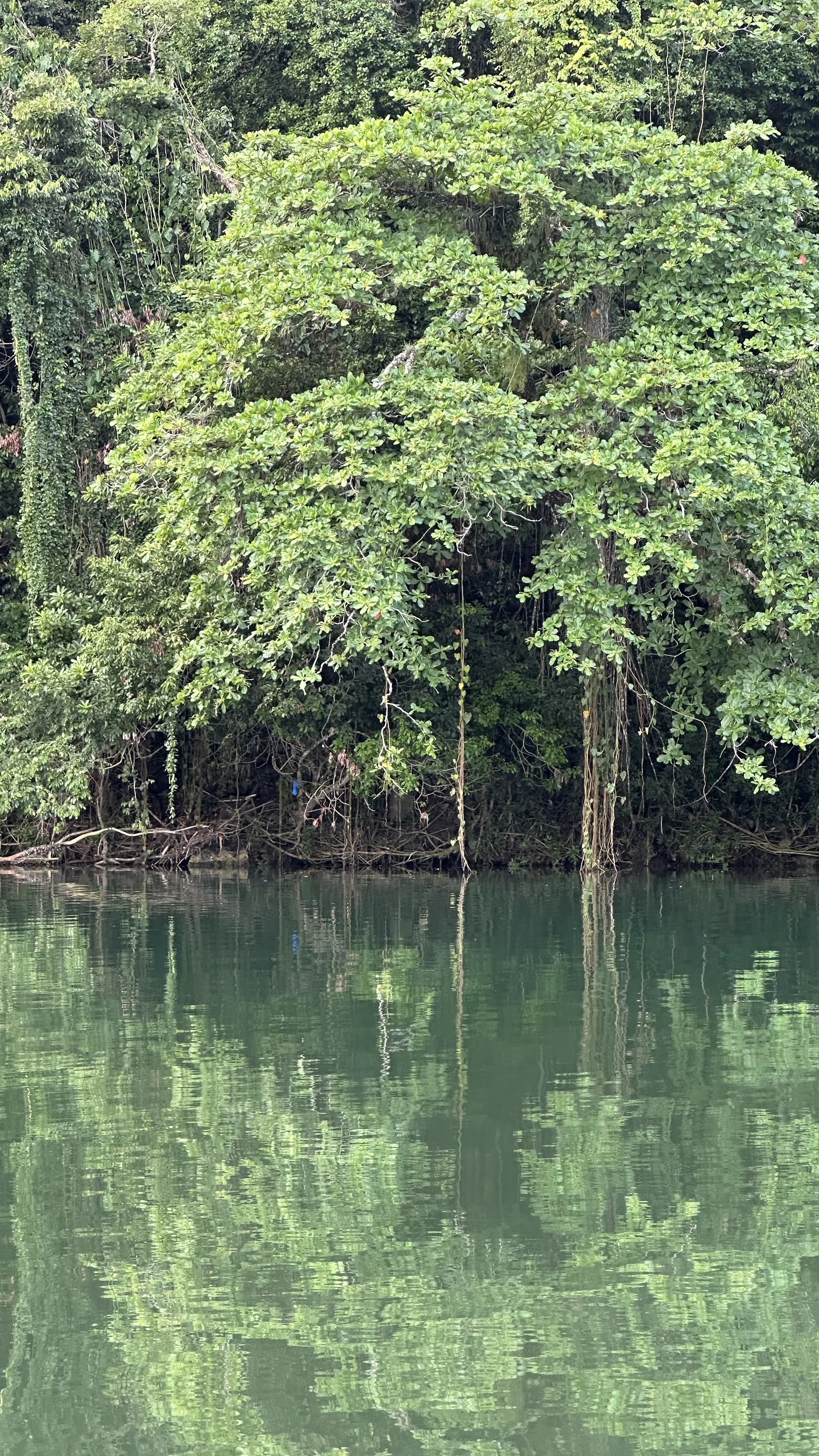
The experience itself is super relaxing, surrounded by lush jungle, and they even let you try to guide the raft yourself, which was really fun.
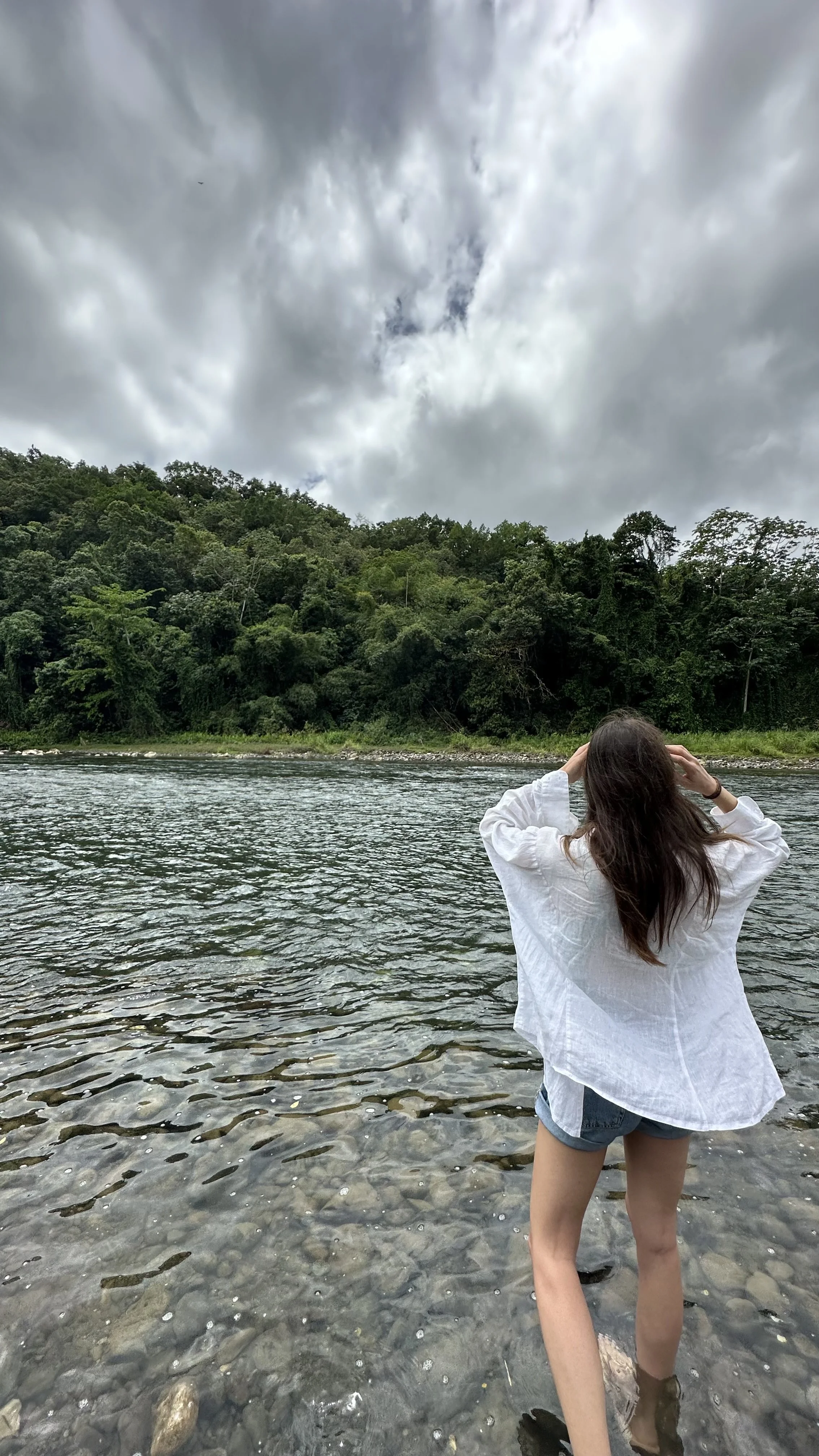
One tip: bring an umbrella—the weather in Portland changes constantly, we had sun one minute and heavy rain the next, but it usually passes quickly.
It’s also one of the most expensive experiences on the island (around $95 per raft for two people), and even if I’m not usually into touristy activities, this is one I’d still recommend—especially if you’ve never done it before, because it really gives you a glimpse of how life used to be here.
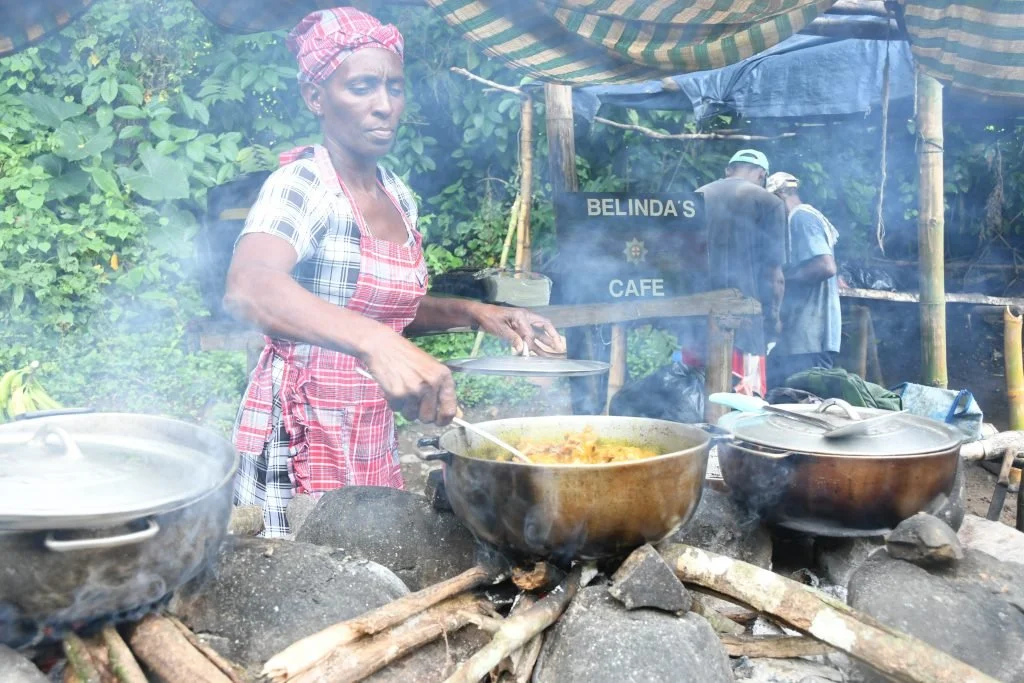
Lunch on the river
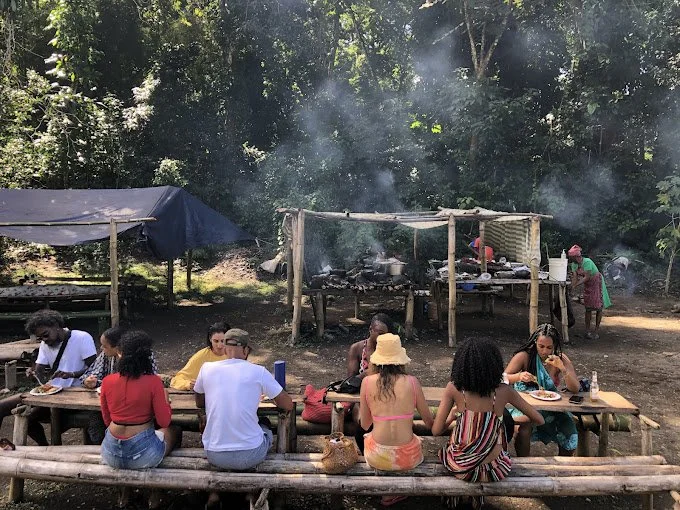
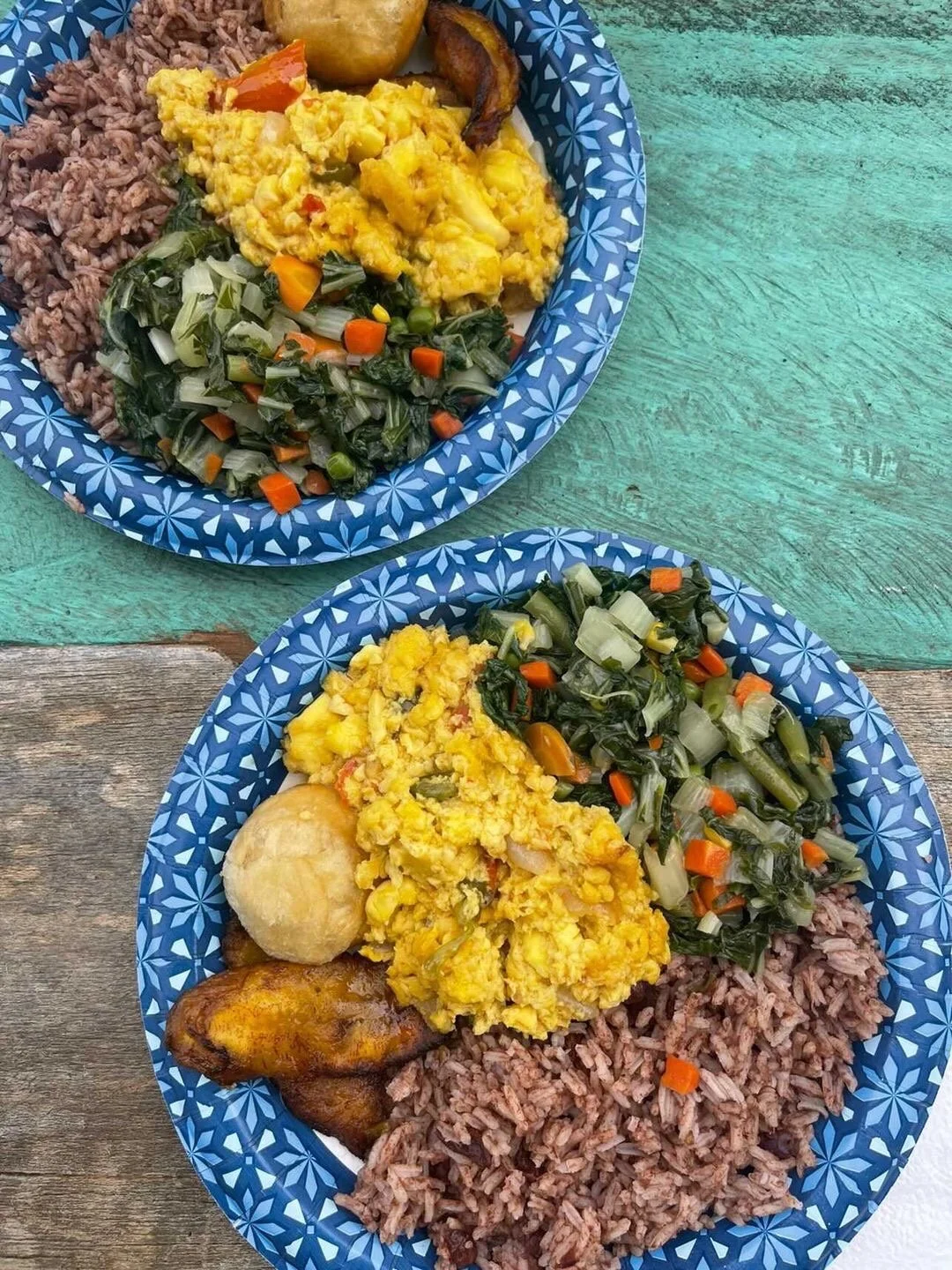
Having lunch at Belinda’s River Restaurant is one of those very local, authentic experiences you don’t easily find. The restaurant is set right on the river and run by Belinda herself, who lives there and cooks everything fresh. Because of the location, you can’t just show up—you need to book in advance, so she can organize the food and quantities for the day. It feels very personal and simple, but that’s exactly what makes it special—good home-cooked food, surrounded by nature, and a real connection to local life.
Watch soccer matches with a Jamaican spirit
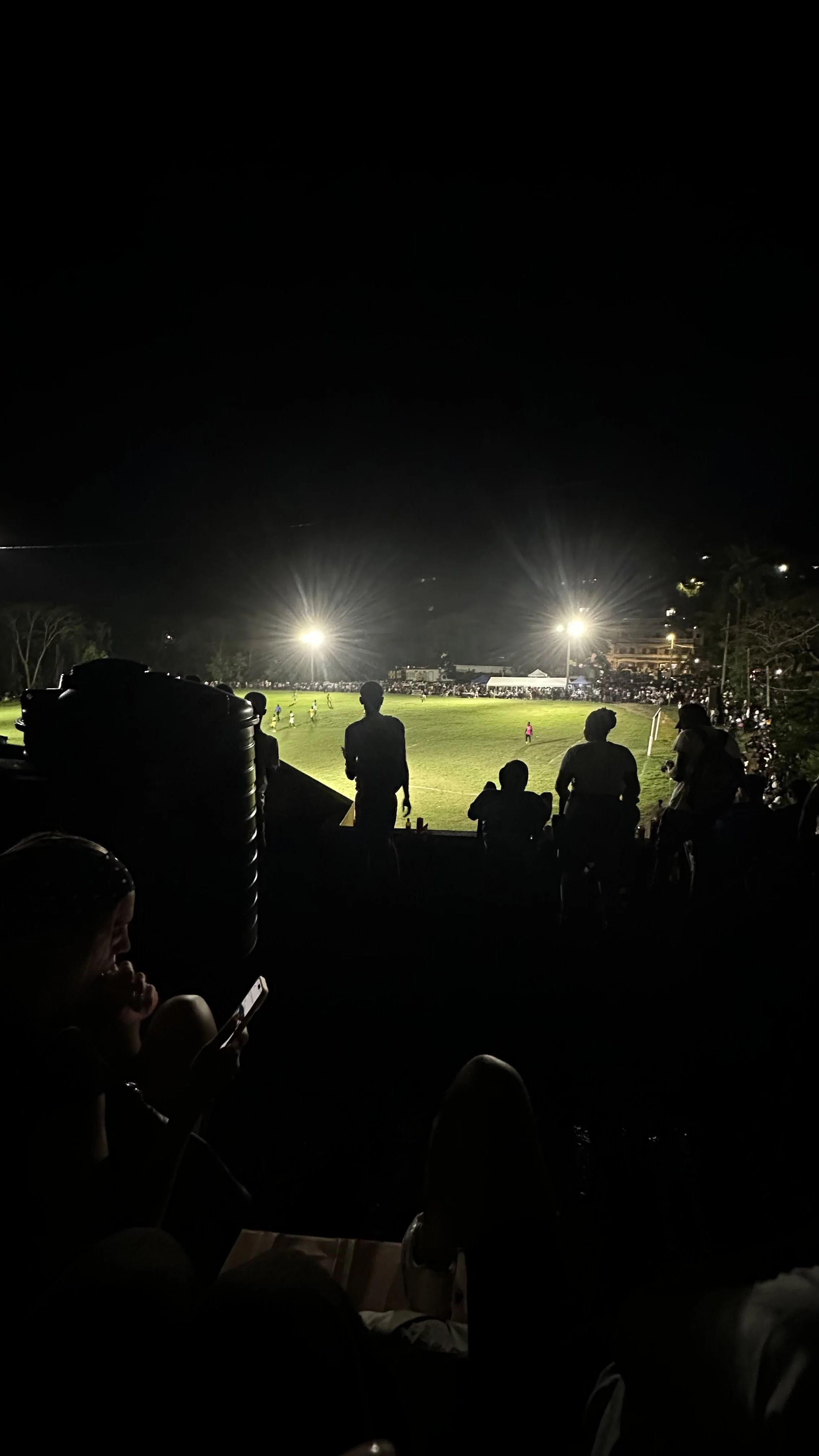
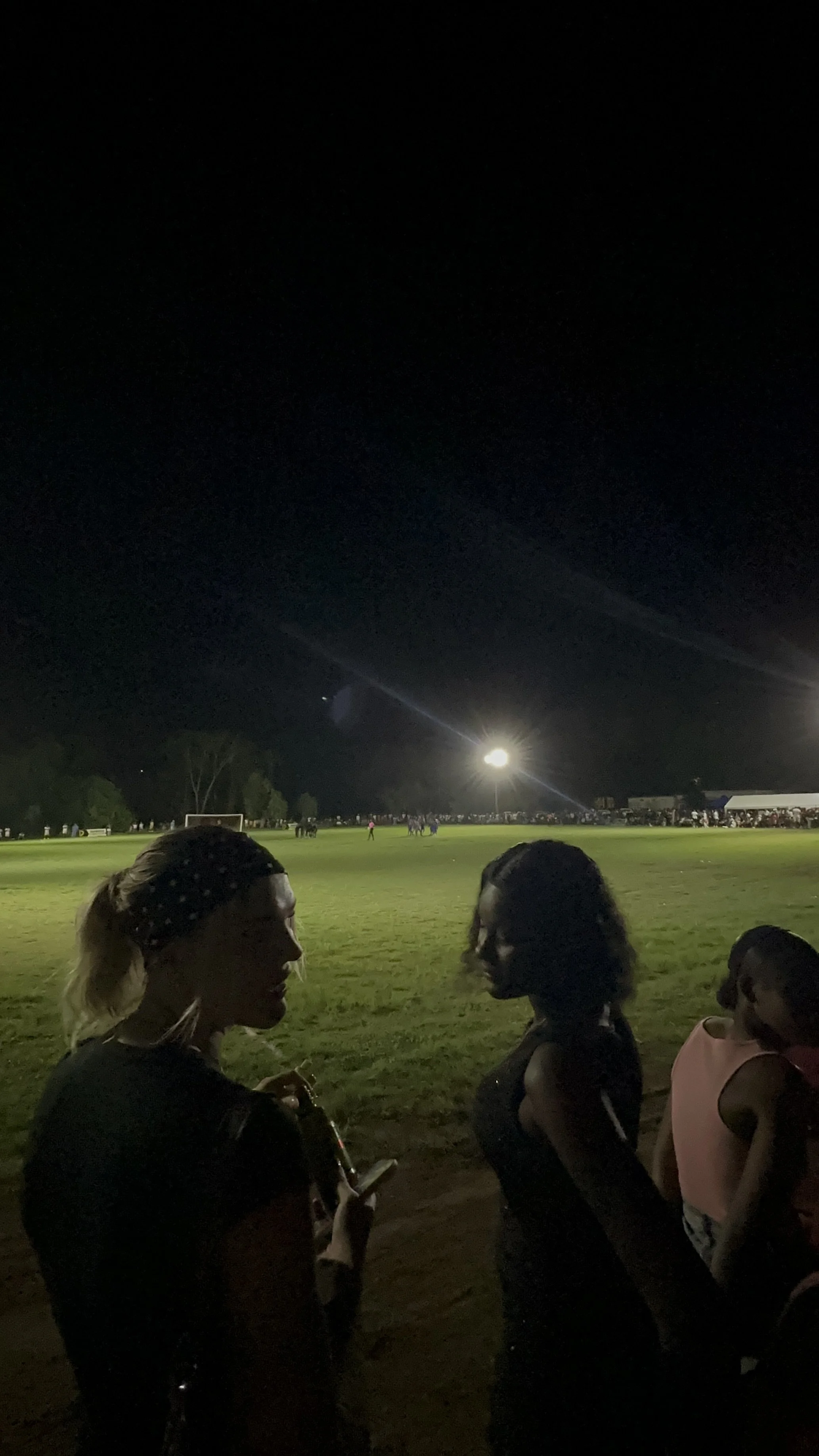
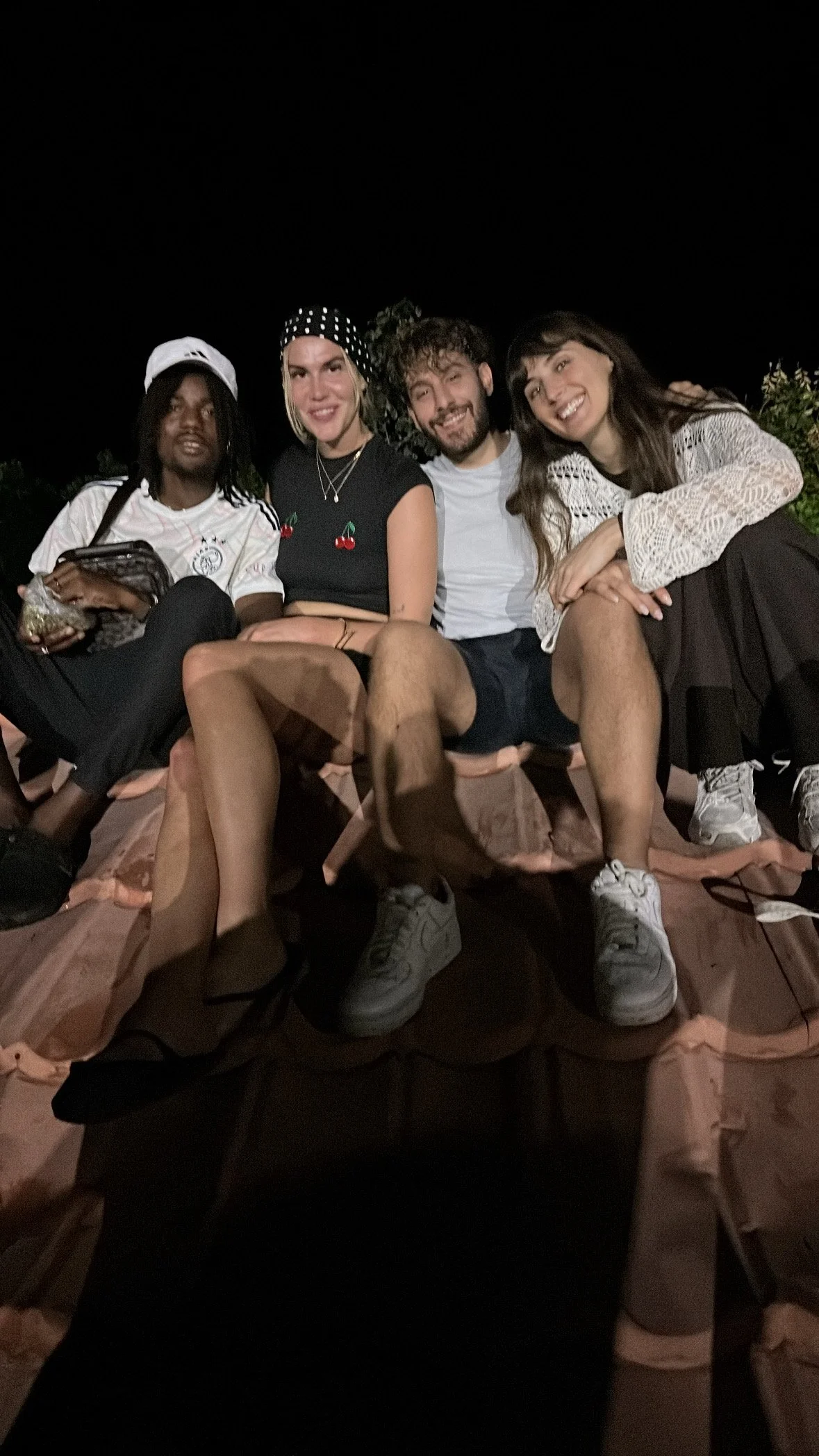
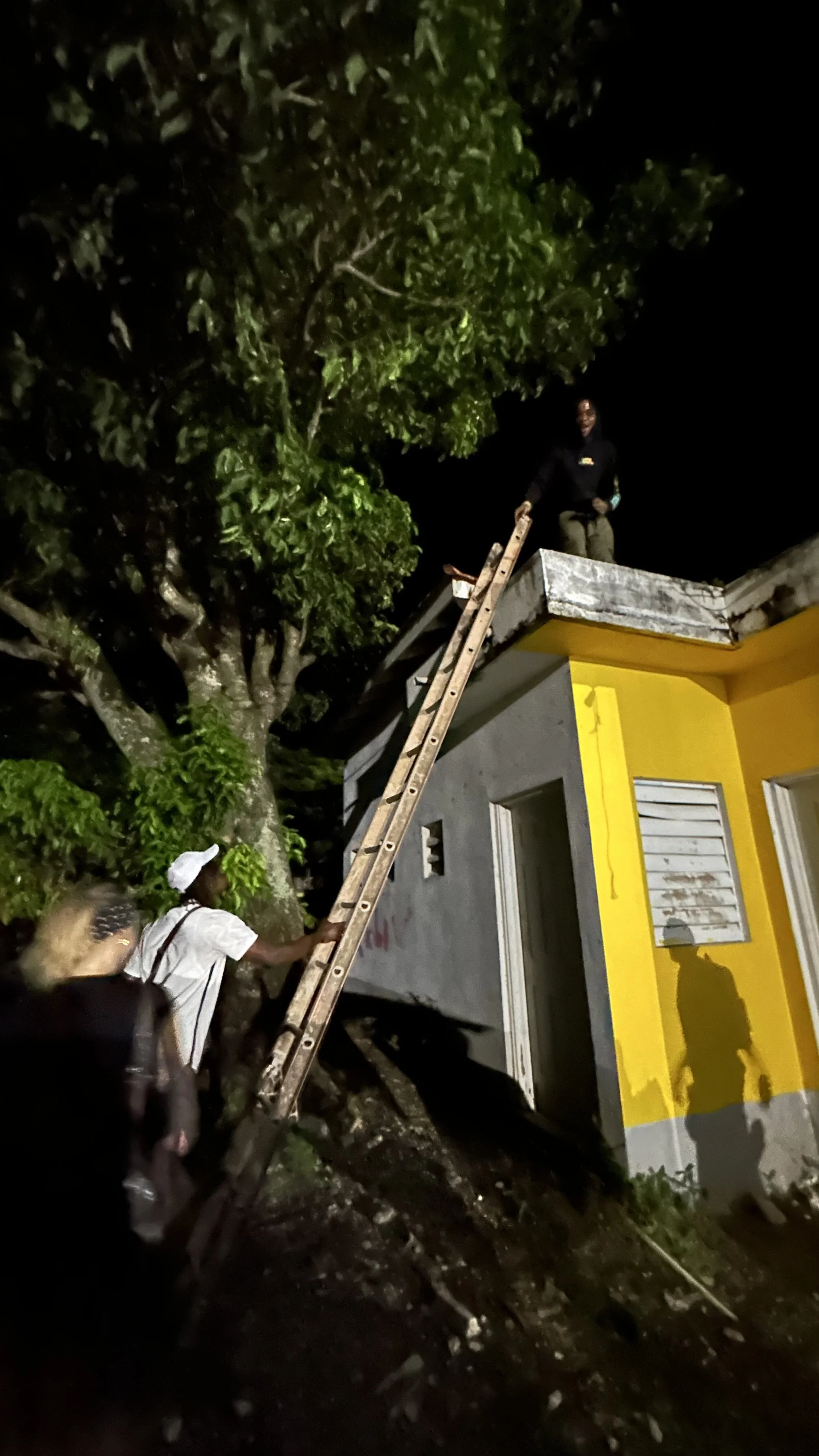
Try to ask locals if there are any football matches happening while you’re in Portland—it’s honestly one of the best local experiences you can have. We met some guys on the island who invited us to watch a final between Ferry Hill and Drapers, two local neighborhoods, and it turned into such a special moment.
We watched it at the Fairy Hill Tornadoes Youth Club, a local football field where people also regularly come to play, even outside official matches—so it’s worth passing by even just to see locals playing.
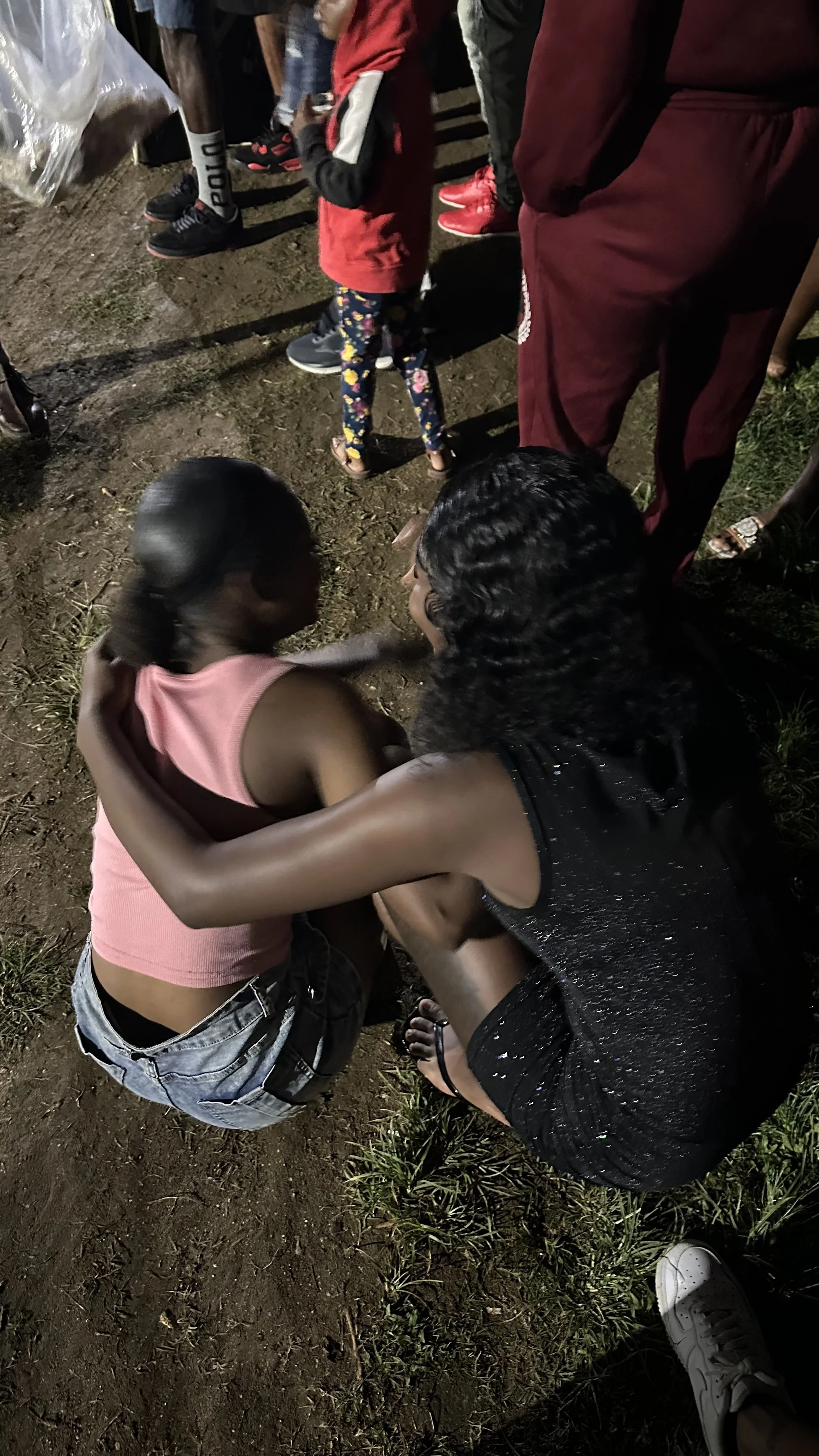
During the final, we were surrounded by people all cheering for their side, and you could really feel how much it meant to them. The vibe was amazing—music, people dancing, everyone fully involved. At the end, during the penalties, everyone ran onto the field to watch up close, and when our team won, it was pure chaos in the best way—celebration, shouting, music everywhere. If you get the chance to find something like this, don’t miss it.
Dinner at Rocky’s
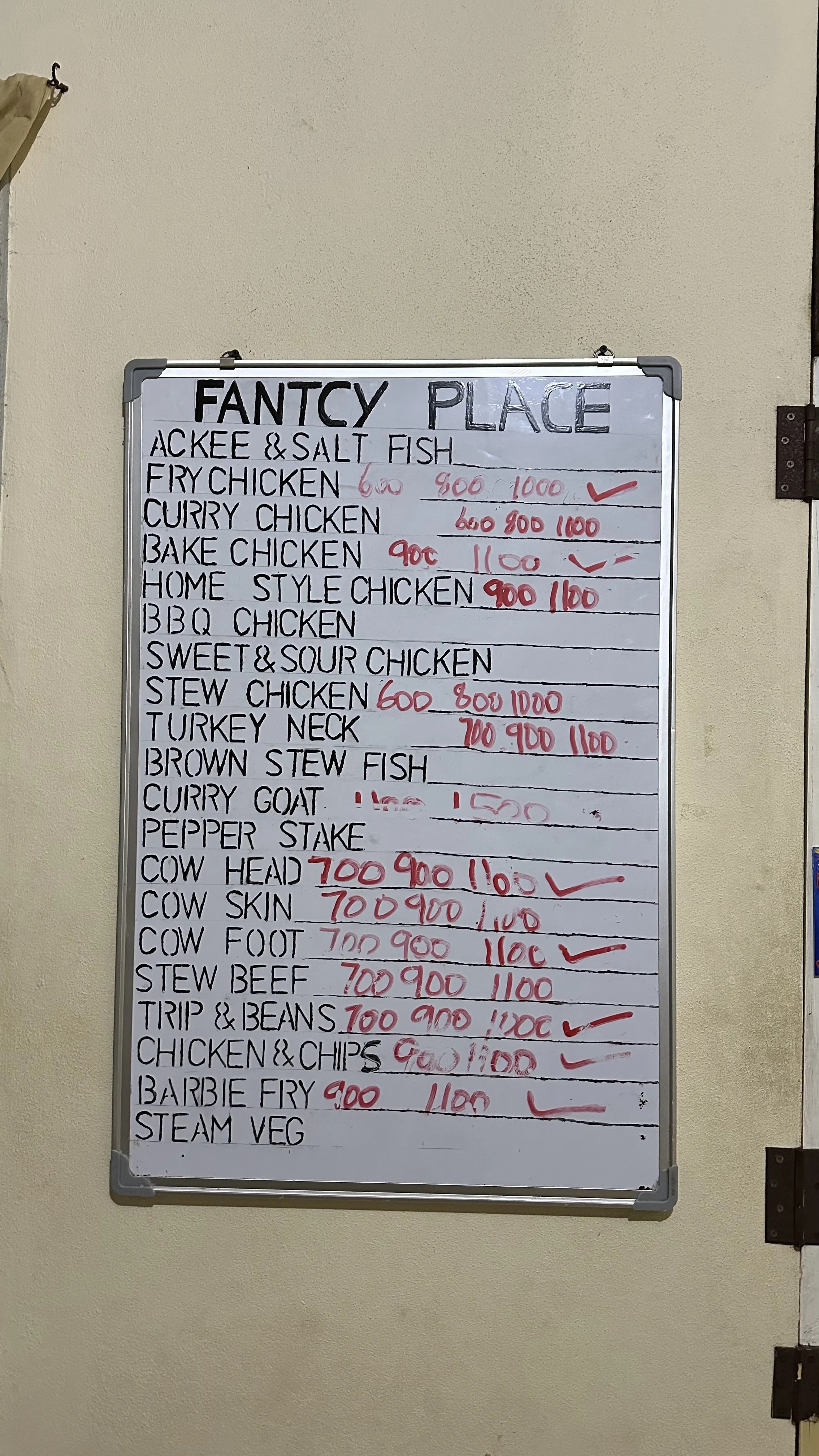
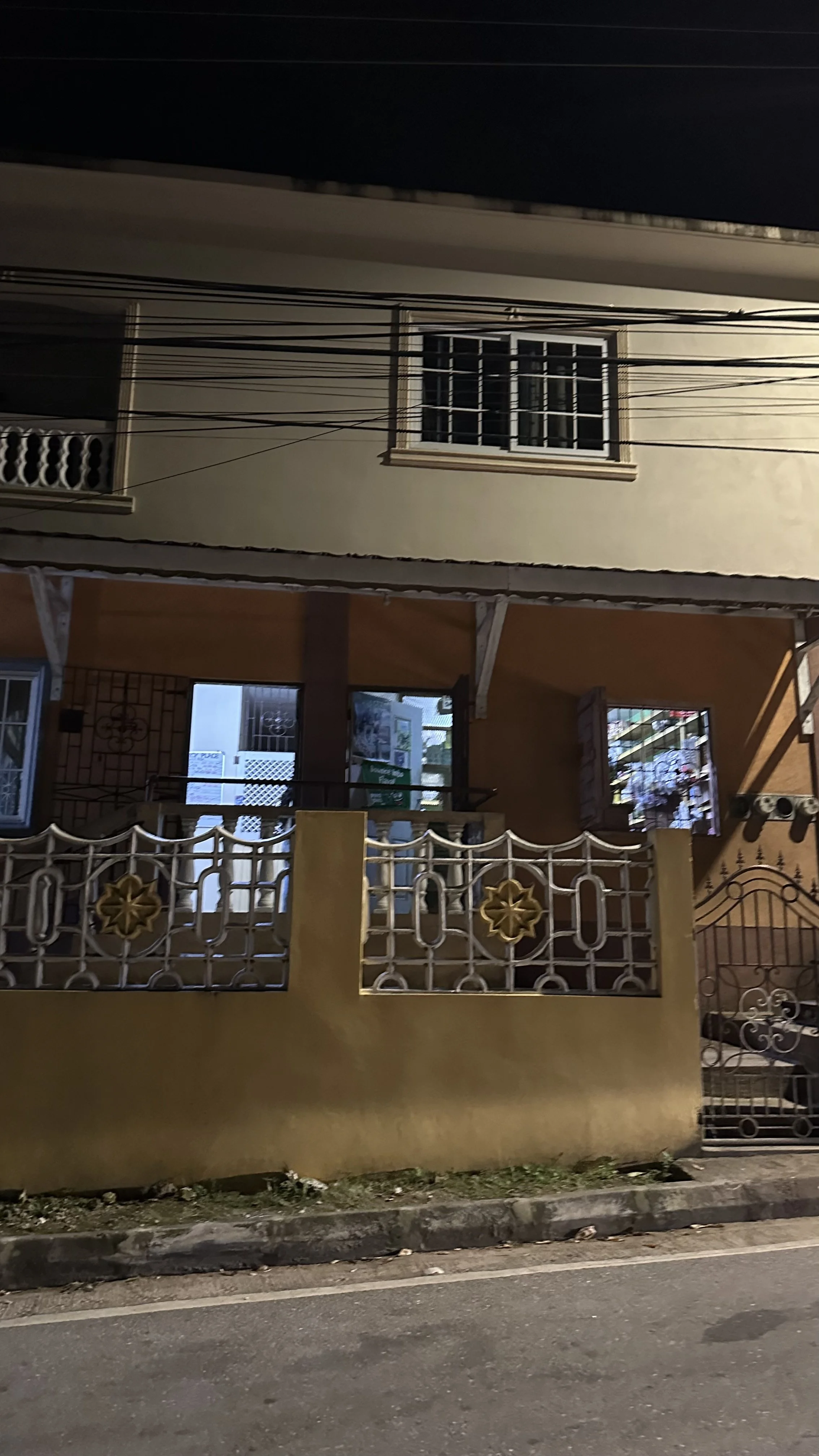
Having dinner at Rocky’s Restaurant in Fairy Hill (Portland) was one of those super local experiences we really loved.
It’s run by the family of a Jamaican friend of mine, which made it feel even more special. It’s not a fancy place at all—just very real, very local, where people come to eat, have a drink, hang out, or grab takeaway. The food is really good, simple and flavorful, and the whole atmosphere is relaxed and authentic. It’s the kind of place you go to really feel the local vibe and see everyday life in Jamaica.
Day 7
Winnifred Beach, Portland
✿ Winnifred Beach
Winifred Beach is one of the most loved beaches by locals, and you can really feel it as soon as you arrive.
Many beaches on the island have become private and quite expensive—some even charge around $25 to enter, like Frenchman’s Cove—so Winifred is one of the few places where people can still go freely and just enjoy it.
But what makes it special is the vibe: for locals, the beach is not just about lying in the sun or swimming, it’s more of a social spot, a place to hang out, meet friends, and spend time together. You’ll find small bars right on the beach, music playing, people chatting, eating, drinking—it’s lively, real, and very different from the typical “relaxing beach” experience.
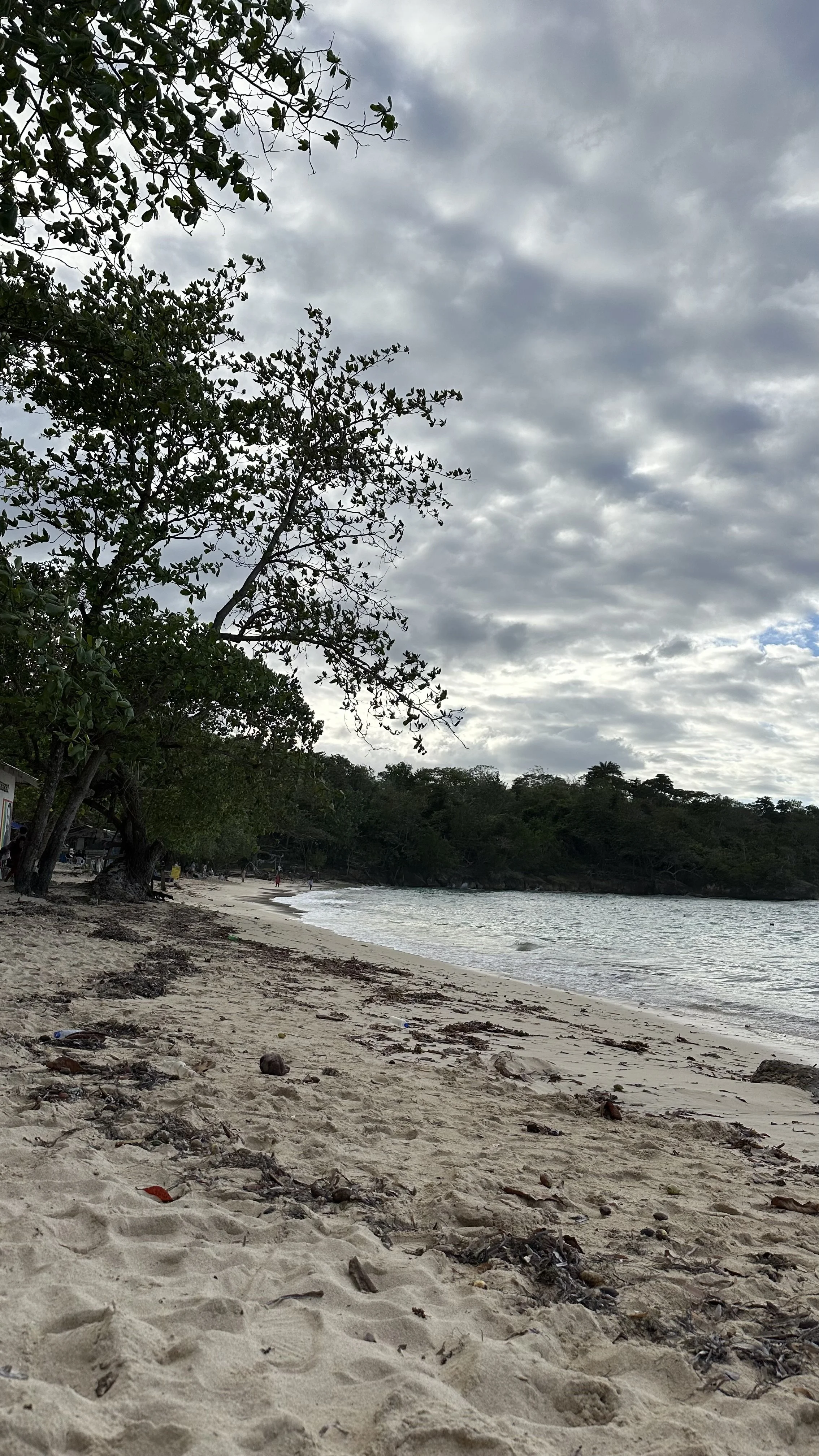
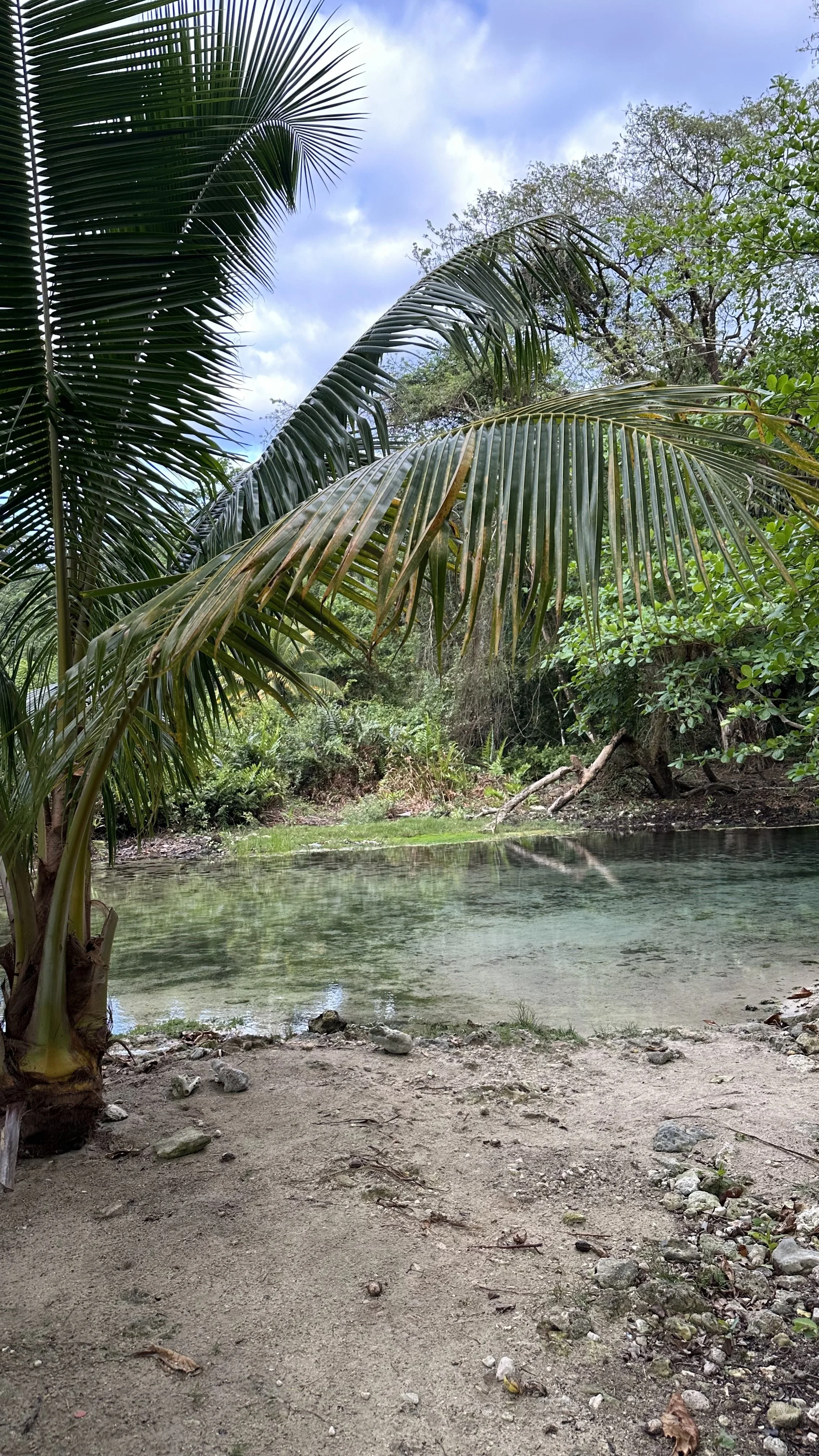
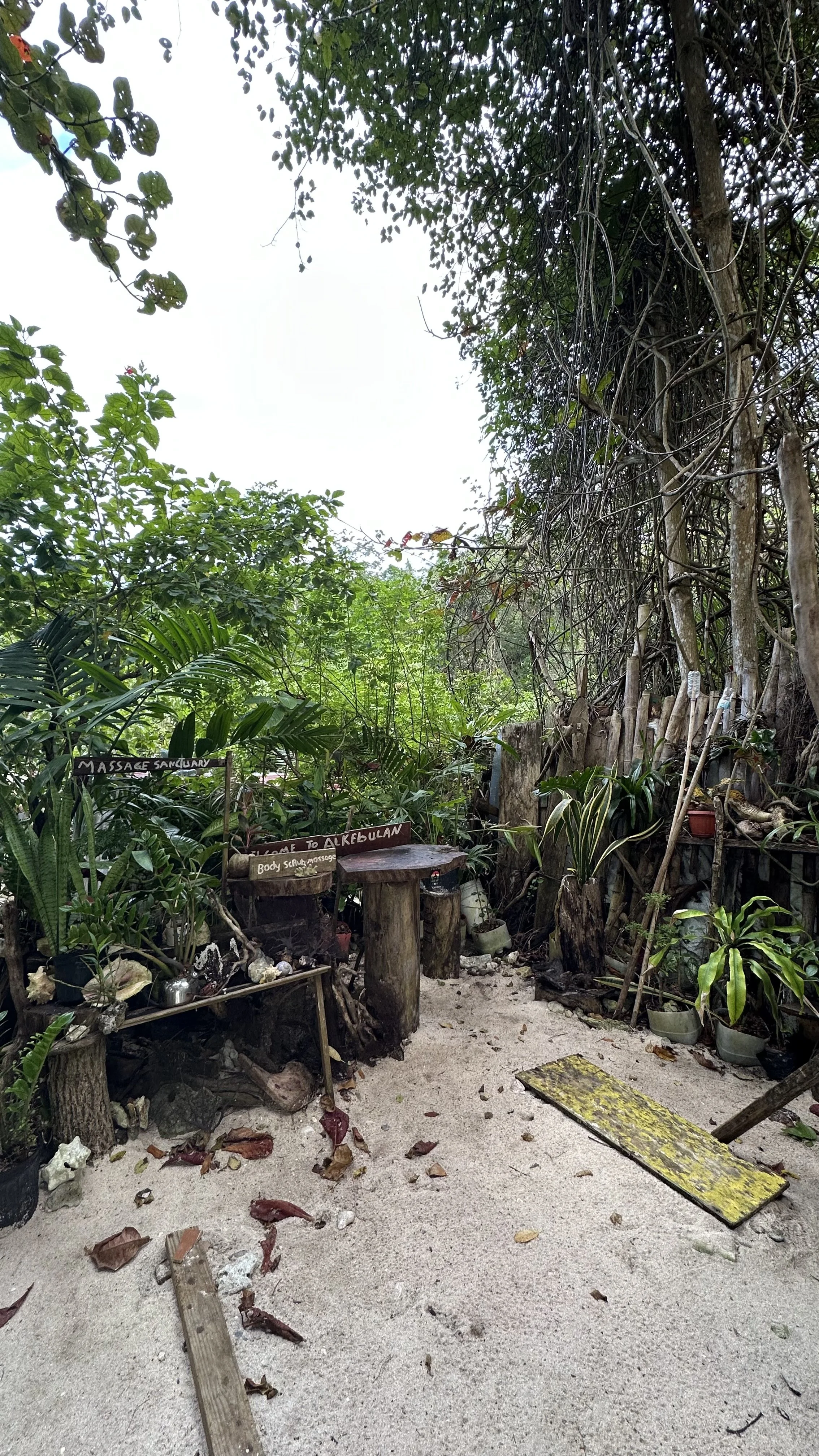
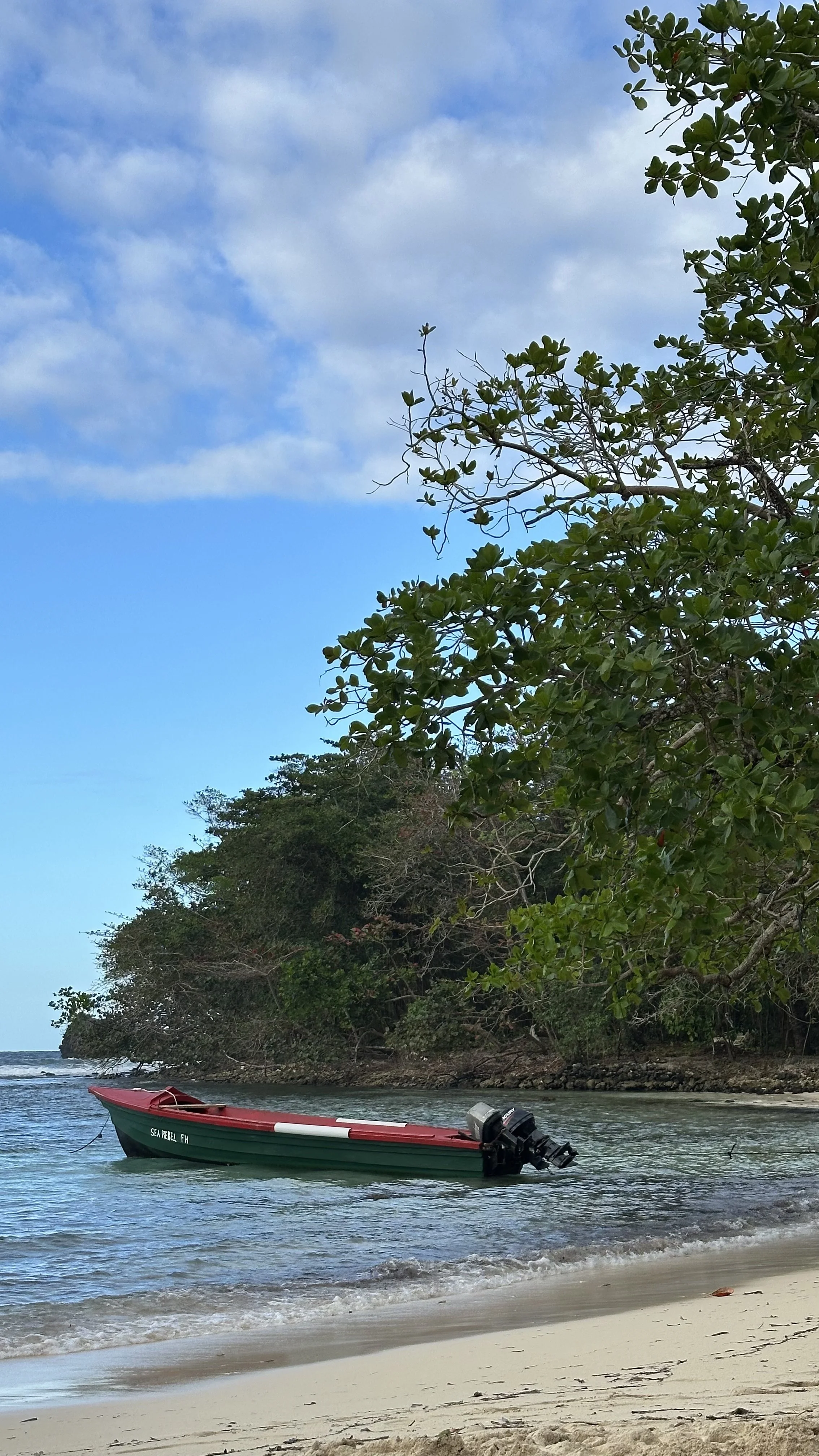
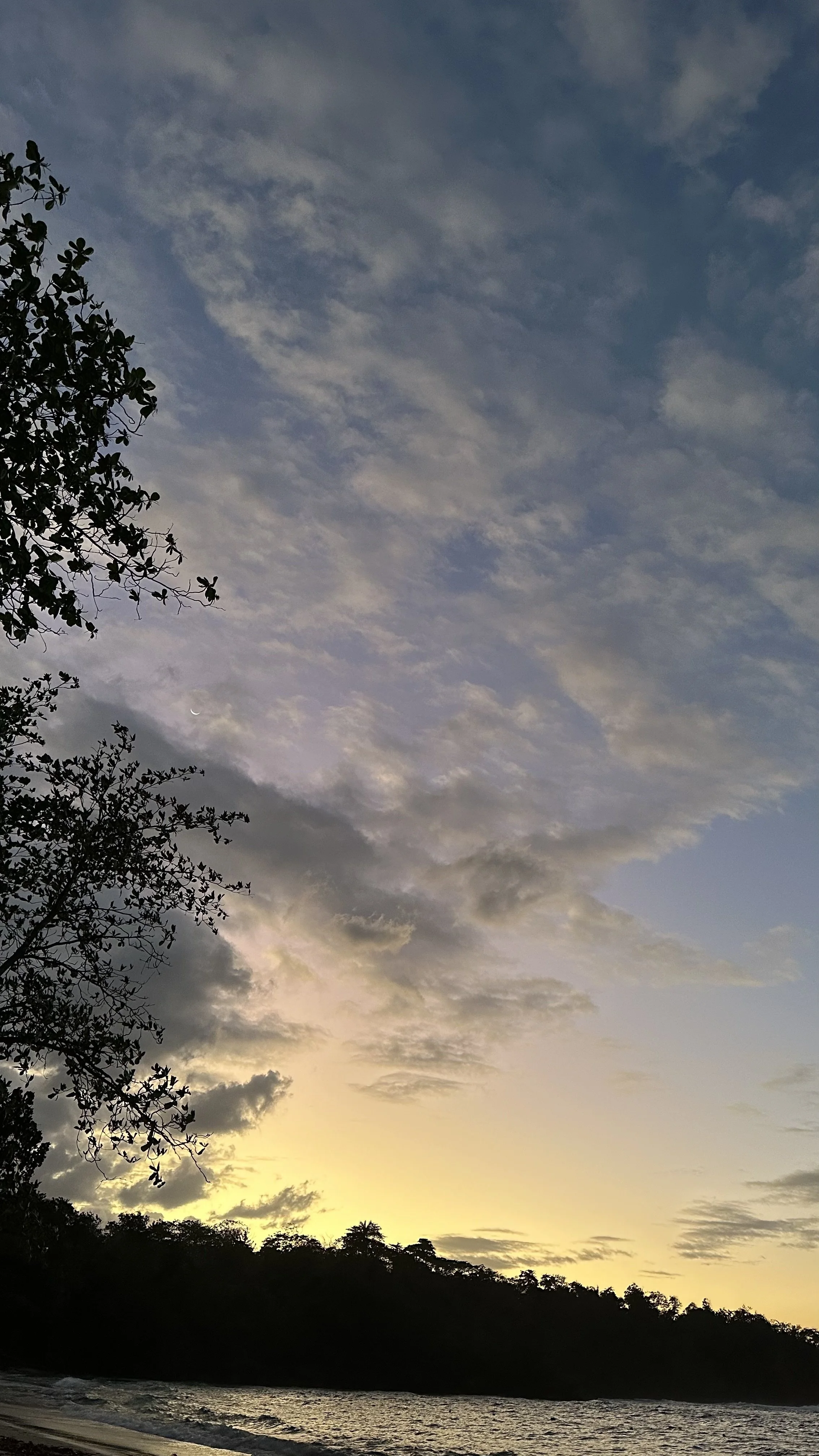
On Winifred Beach, there’s also a small spot where you can eat and drink right on the sand, run by the family of a Jamaican friend of ours. It’s a very local place, simple but real, where you can try authentic food cooked with care. Knowing the people behind it makes it even more special, and it’s the kind of place you can trust—good vibes, good food, and right by the sea.
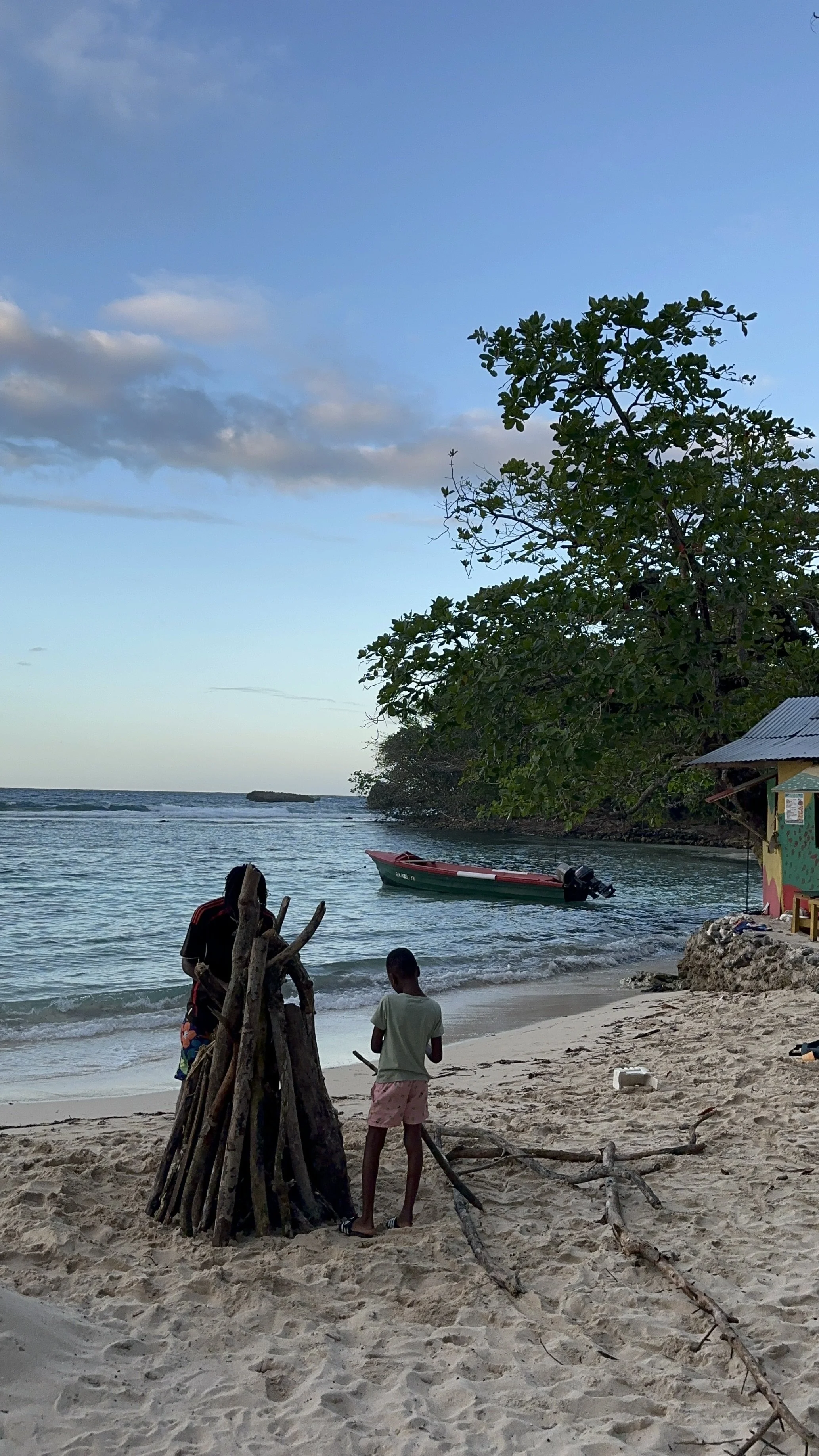
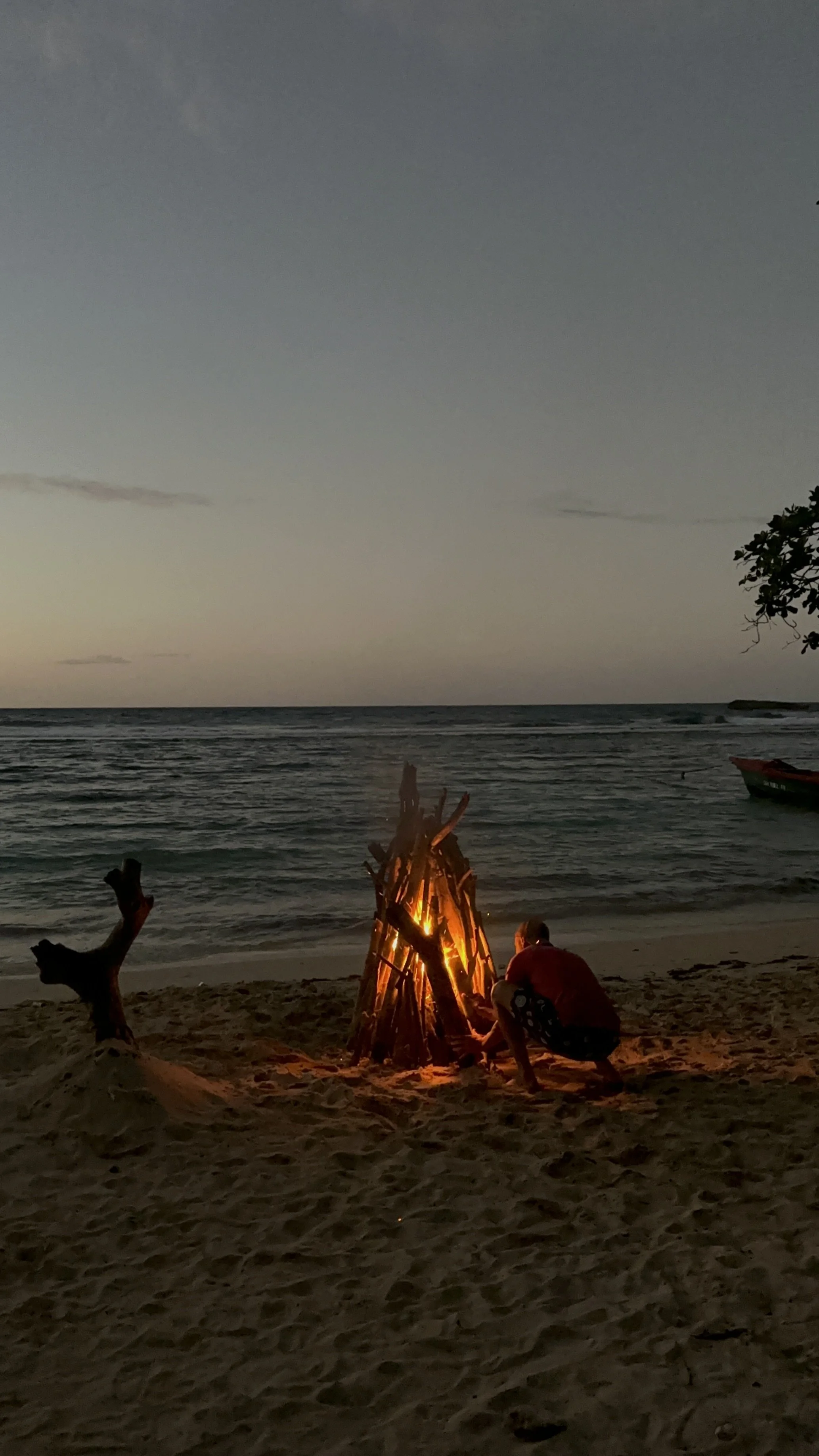
Bonfire at the beach
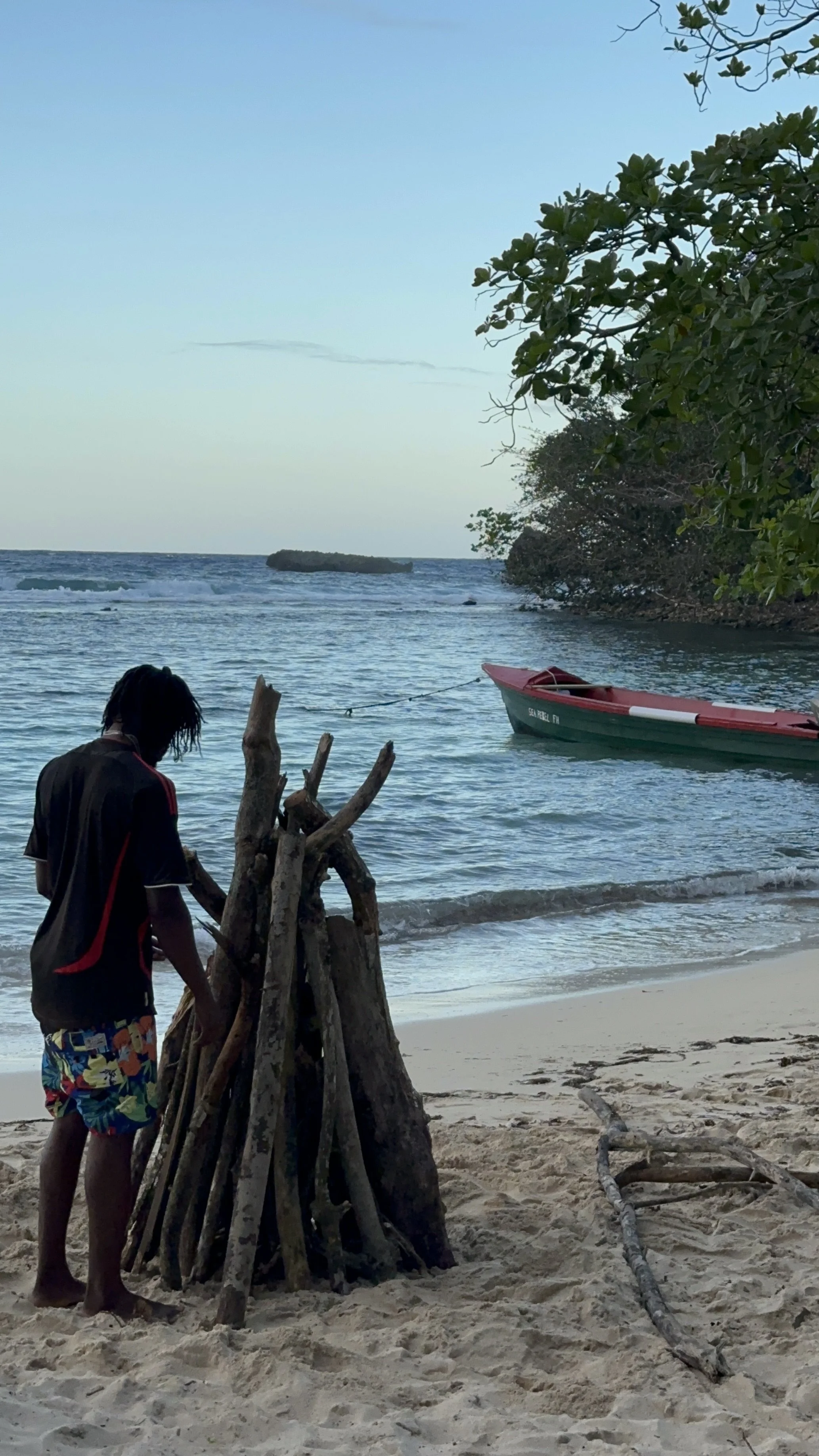
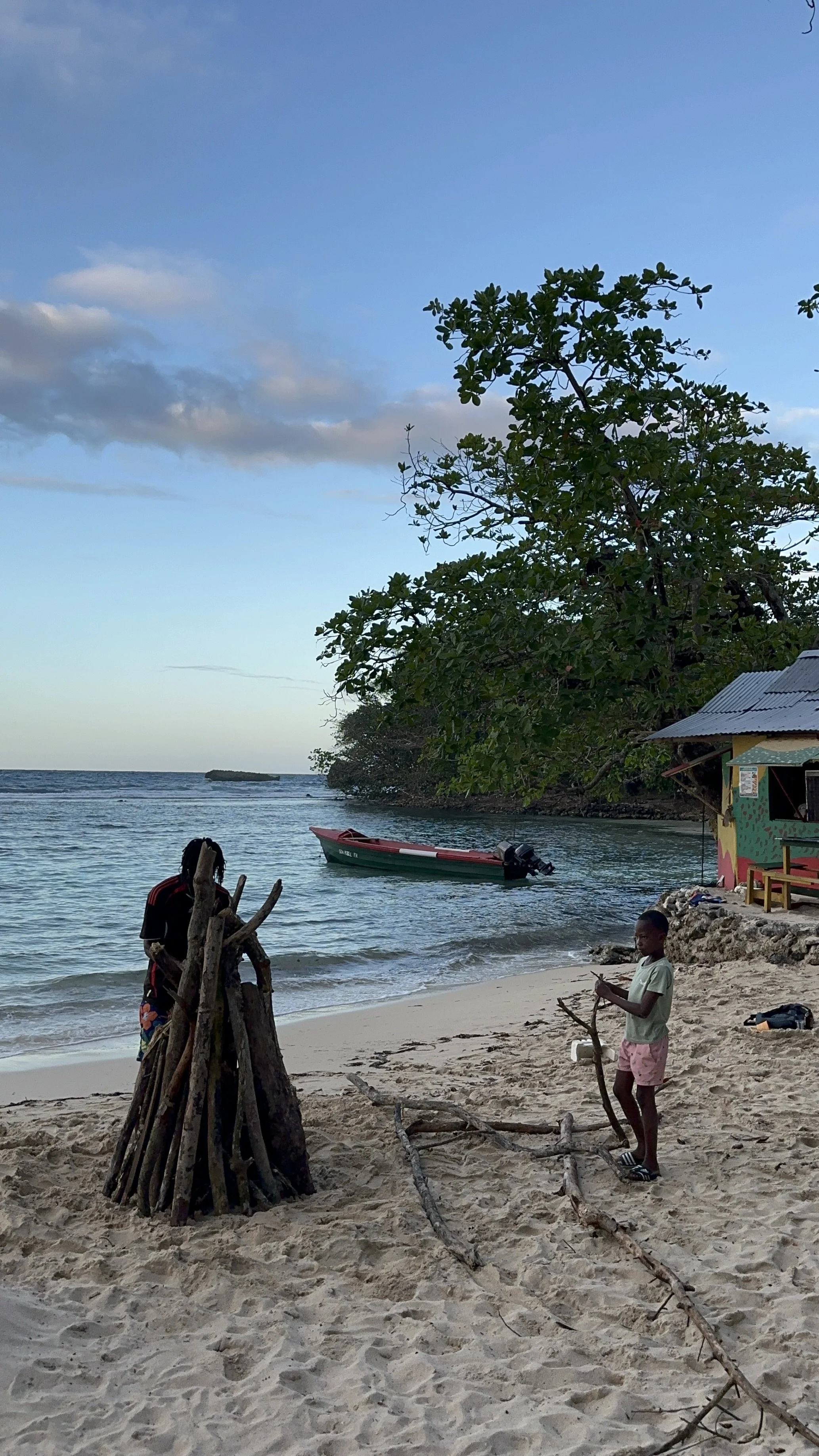
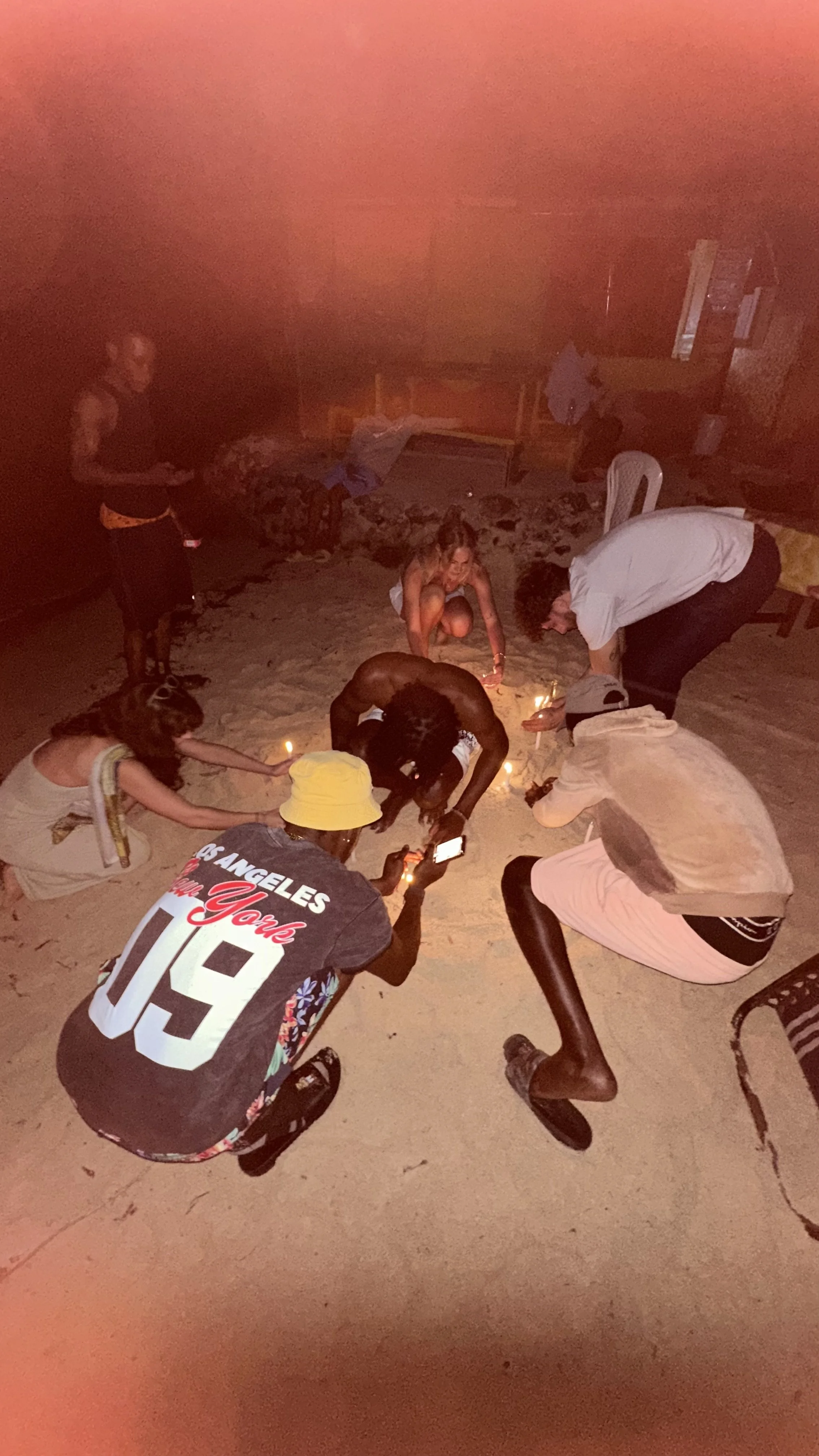
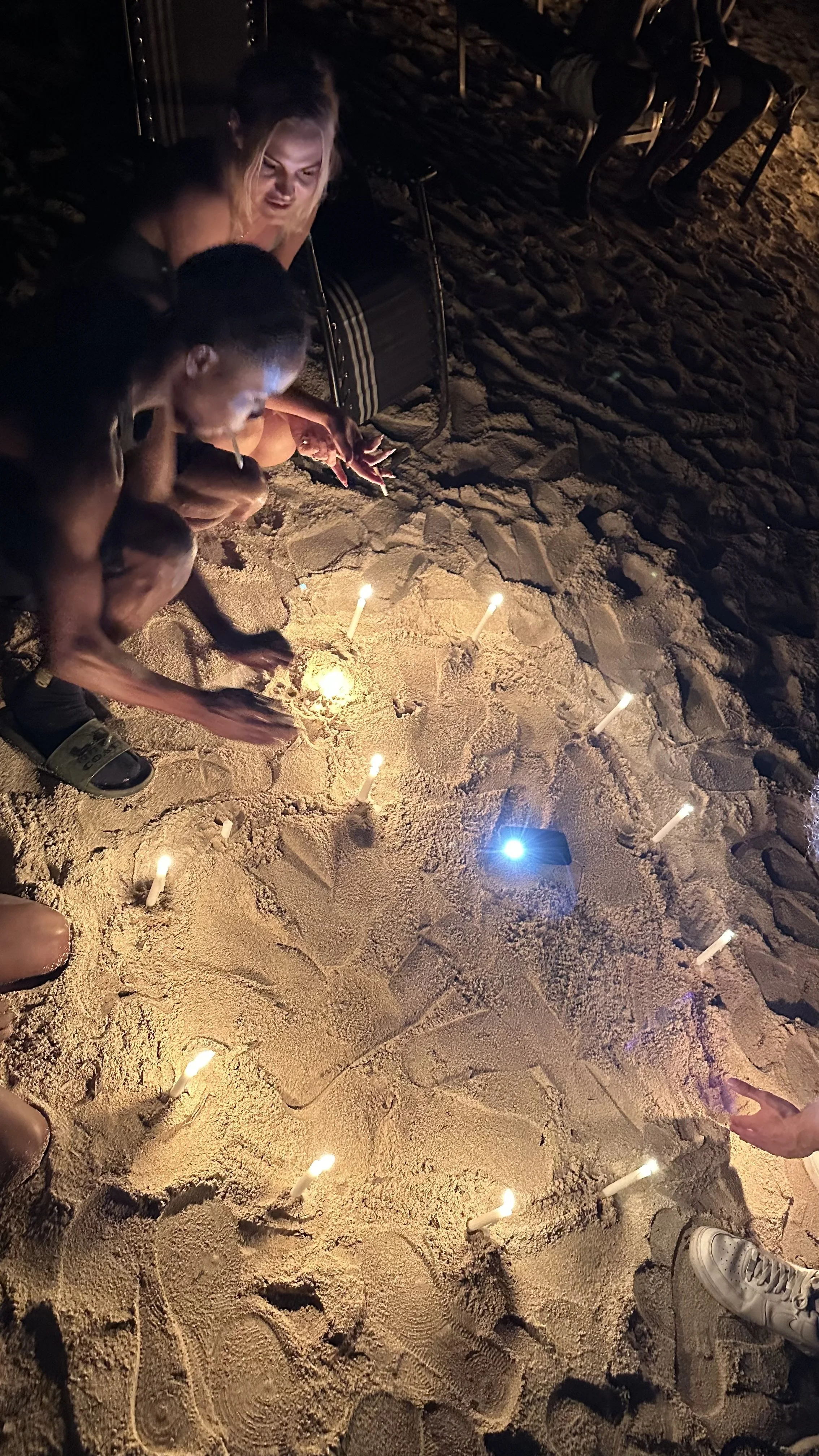
If you can, stay on the beach until the evening, because that’s when a completely different vibe starts. Locals often build bonfires on the beach—really well done ones that last for hours—and it becomes a whole moment of music, drinks, and people just hanging out together. We stayed with a group of Jamaican friends, sitting by the fire, listening to music, and it ended up being one of the nicest experiences of the trip. If you get the chance, try to meet locals and join one of these nights—it’s something you don’t want to miss.
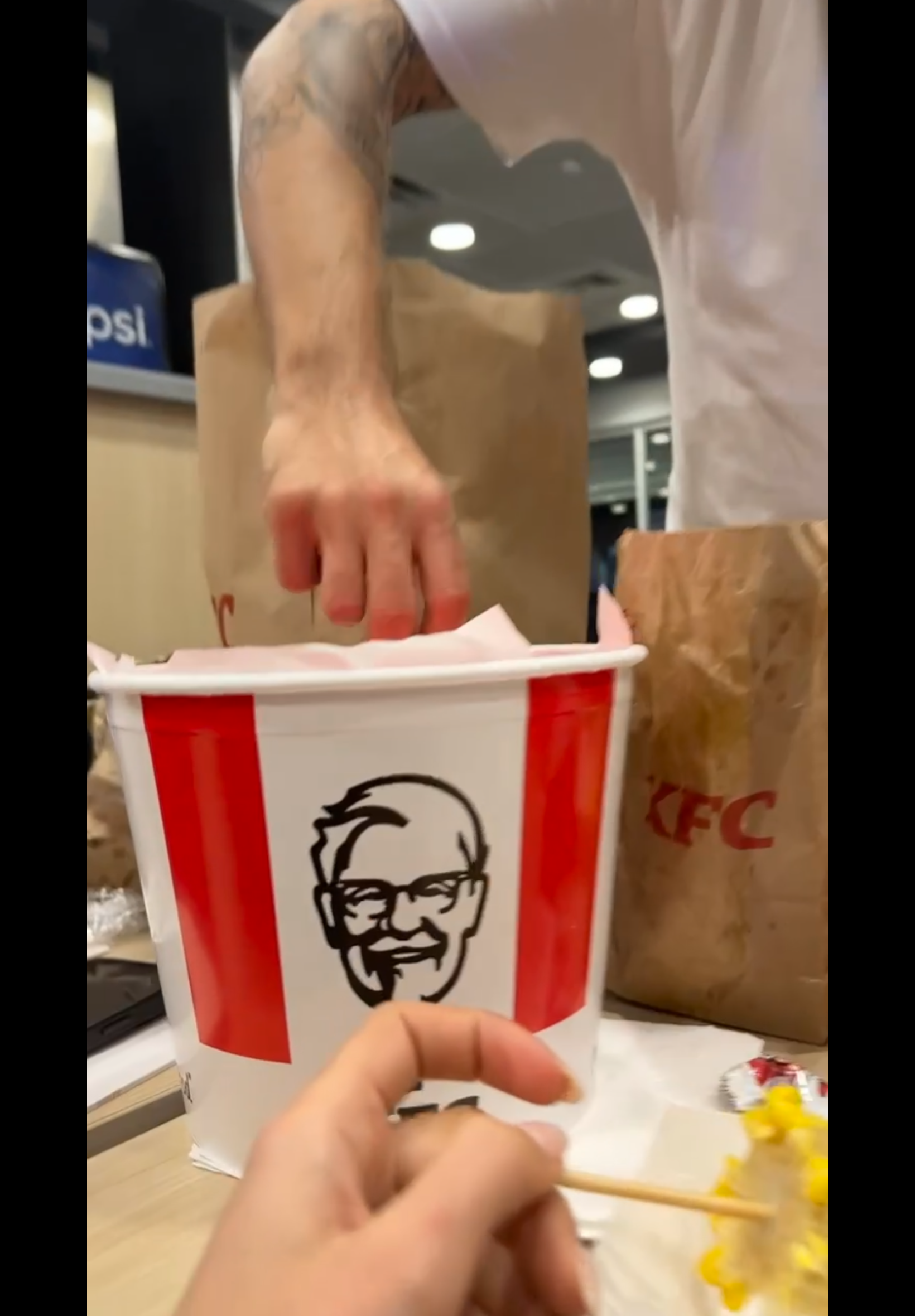
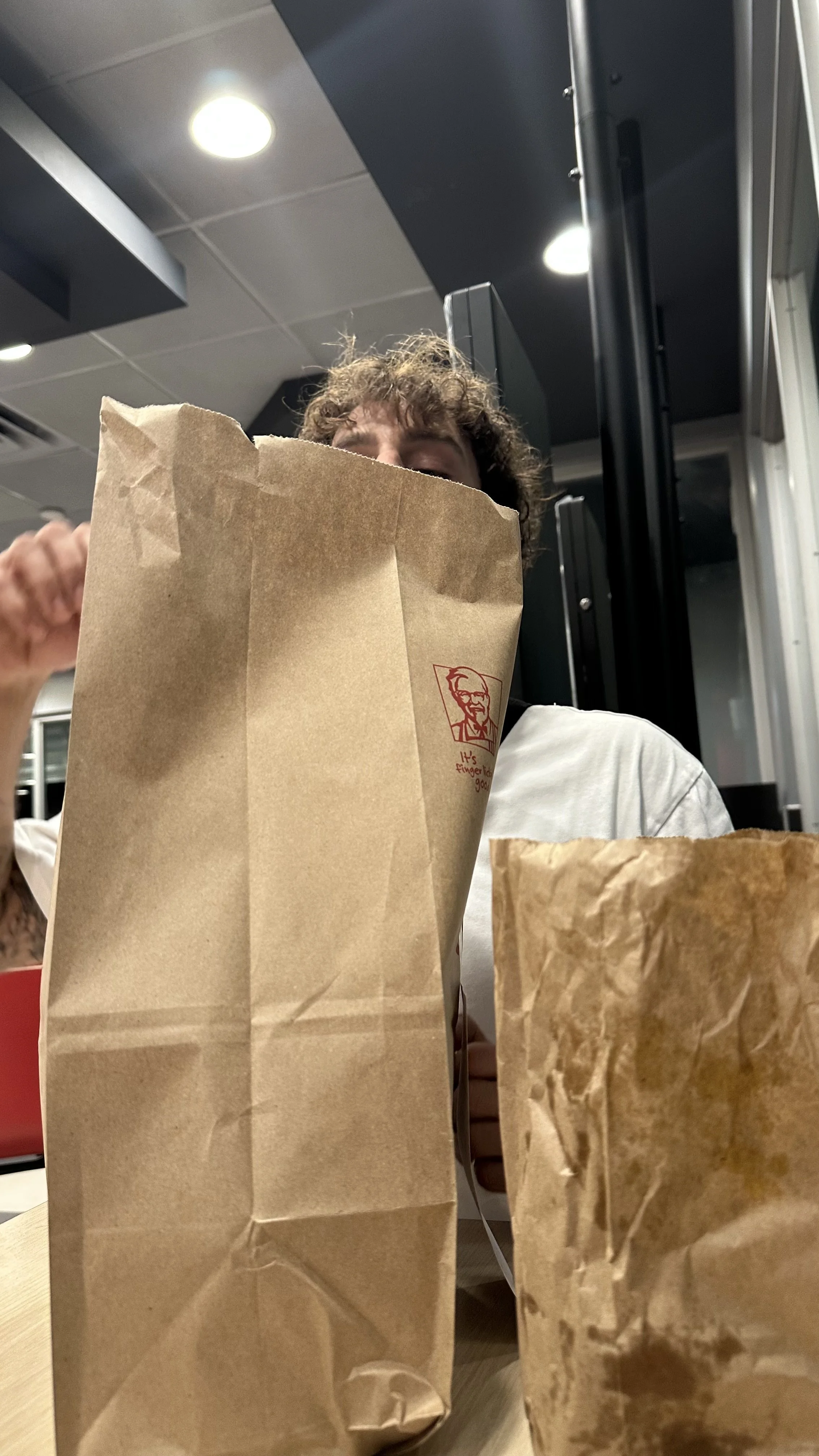
Dining at KFC?
Having dinner at KFC in Port Antonio is actually something you should try while in Jamaica. Even though it’s an international American chain, here it’s basically THE fast food—you find it everywhere, and it’s where locals actually go. But the interesting part is that it tastes completely different from what you’re used to. Locals say the KFC in Portland is even better, because the chicken is cooked and seasoned in a way that feels much closer to Jamaican flavors, with more spices and a stronger taste, almost inspired by the same ingredients used in jerk cooking like thyme, allspice, and Scotch bonnet peppers.
I also love trying fast food when I travel, and even if this one is international, here it feels almost like a local spot—it’s such a big part of everyday life on the island.
I’d not go eat at Roots 21
Roots 21 in Port Antonio is one of those places you’ll hear about a lot—locals recommend it, and you’ll also find it on many travel blogs. Honestly, it wasn’t my favorite. I found it quite expensive for what it offers, especially compared to other more local places where I ate much better. The menu also mixes in some Asian influences, so it doesn’t feel very traditional or specific to Jamaica. It’s still a popular stop, but personally, I wouldn’t prioritize it.
You’ll see it’s where tourists go in fact.
Day 8
Montego Bay
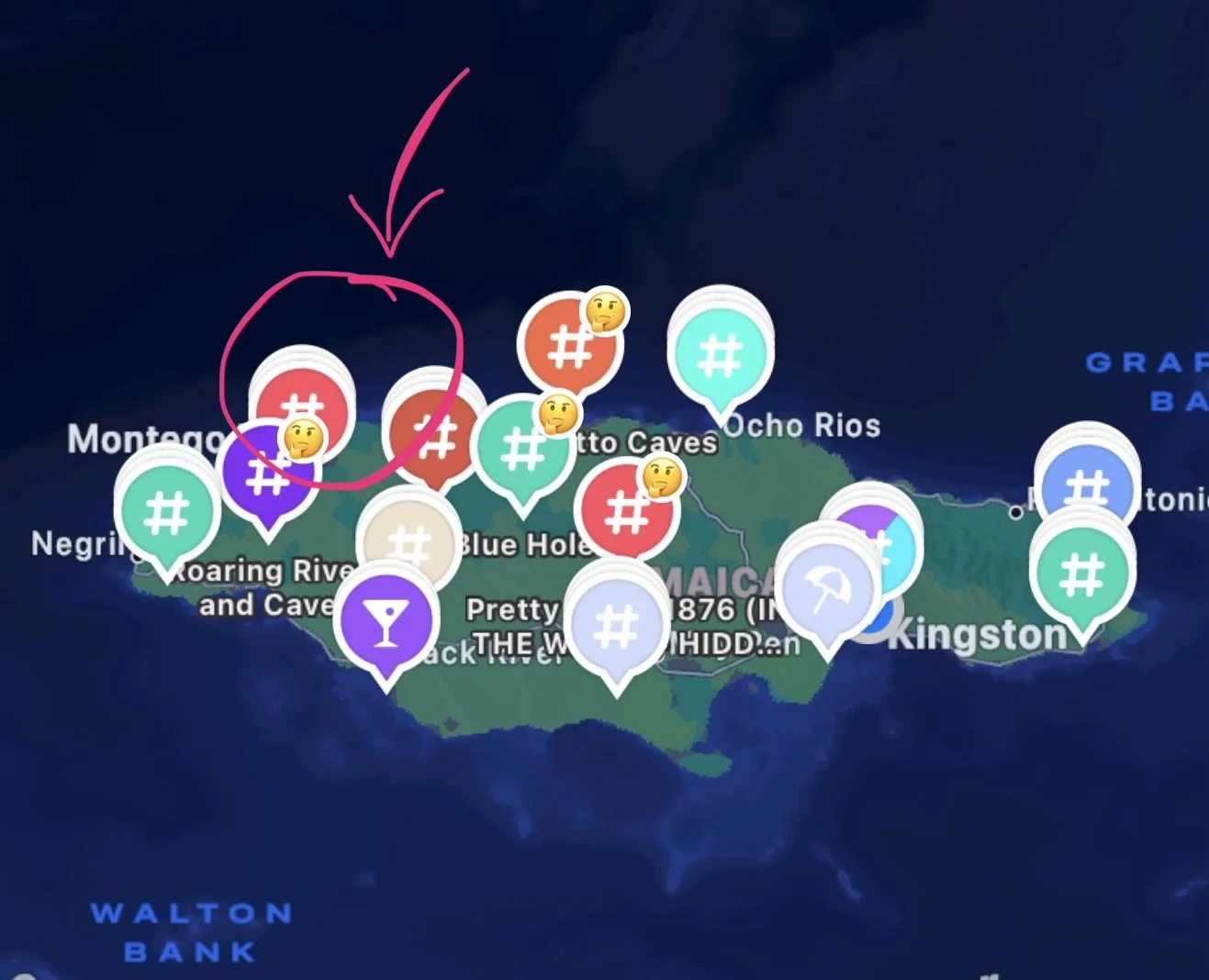
If you wish to find my map pins and easily follow them, follow me on mapstr!
Skip Ocho Rios
Most travel guides will tell you to go to Ocho Rios, but honestly, I wouldn’t recommend it. It’s one of those places where everything is paid—waterfalls, beaches, even parking—and it all feels very built for tourism. What you find there is quite average, nothing really special or unique that makes you feel like you’re experiencing the wild, authentic side of the island. The waterfalls and beaches are nice, but nothing compared to what you can find elsewhere in Jamaica. Personally, it’s a stop I would skip.
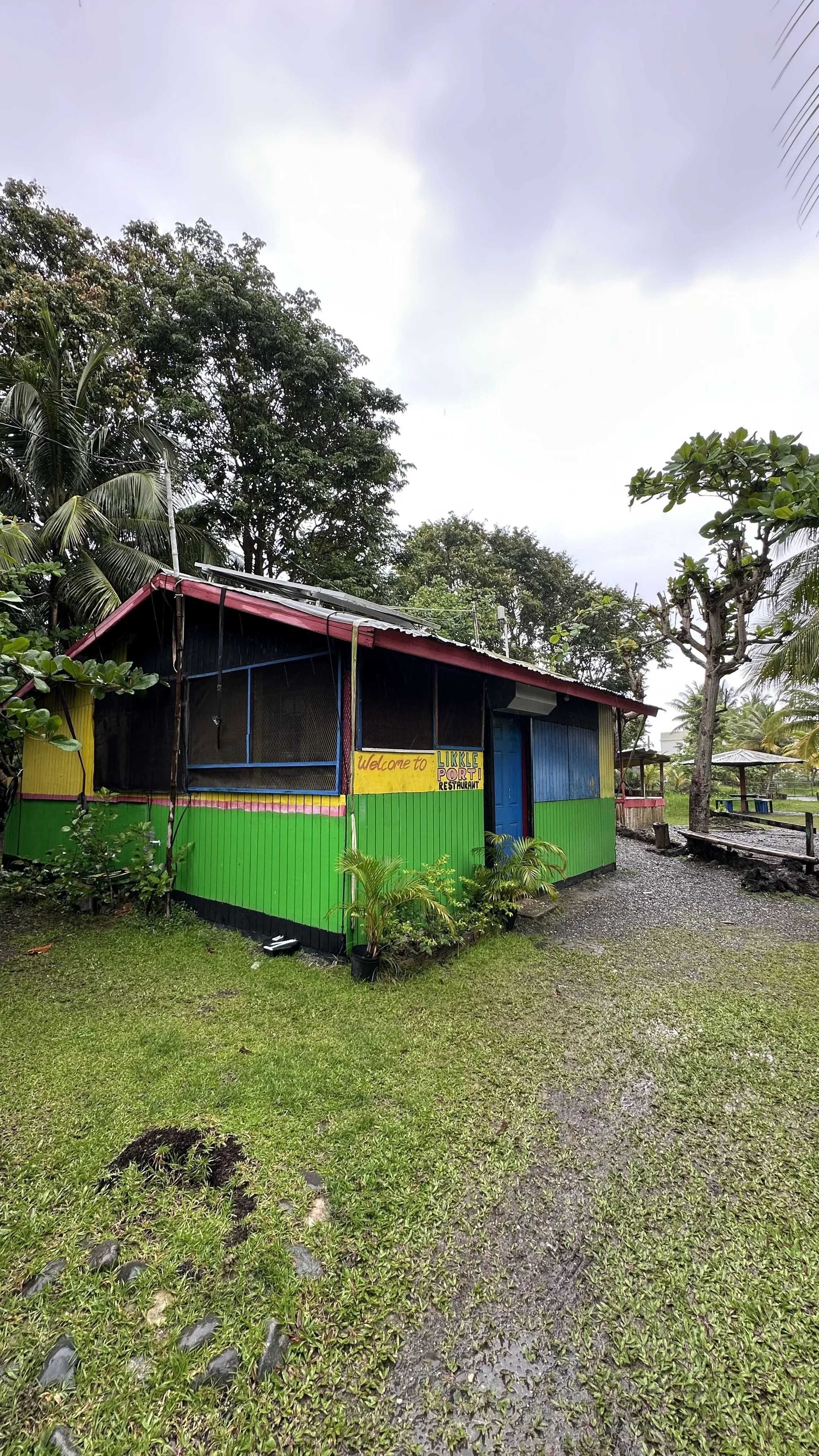
Road trip towards Montego Bay: eat at Likkle Portie
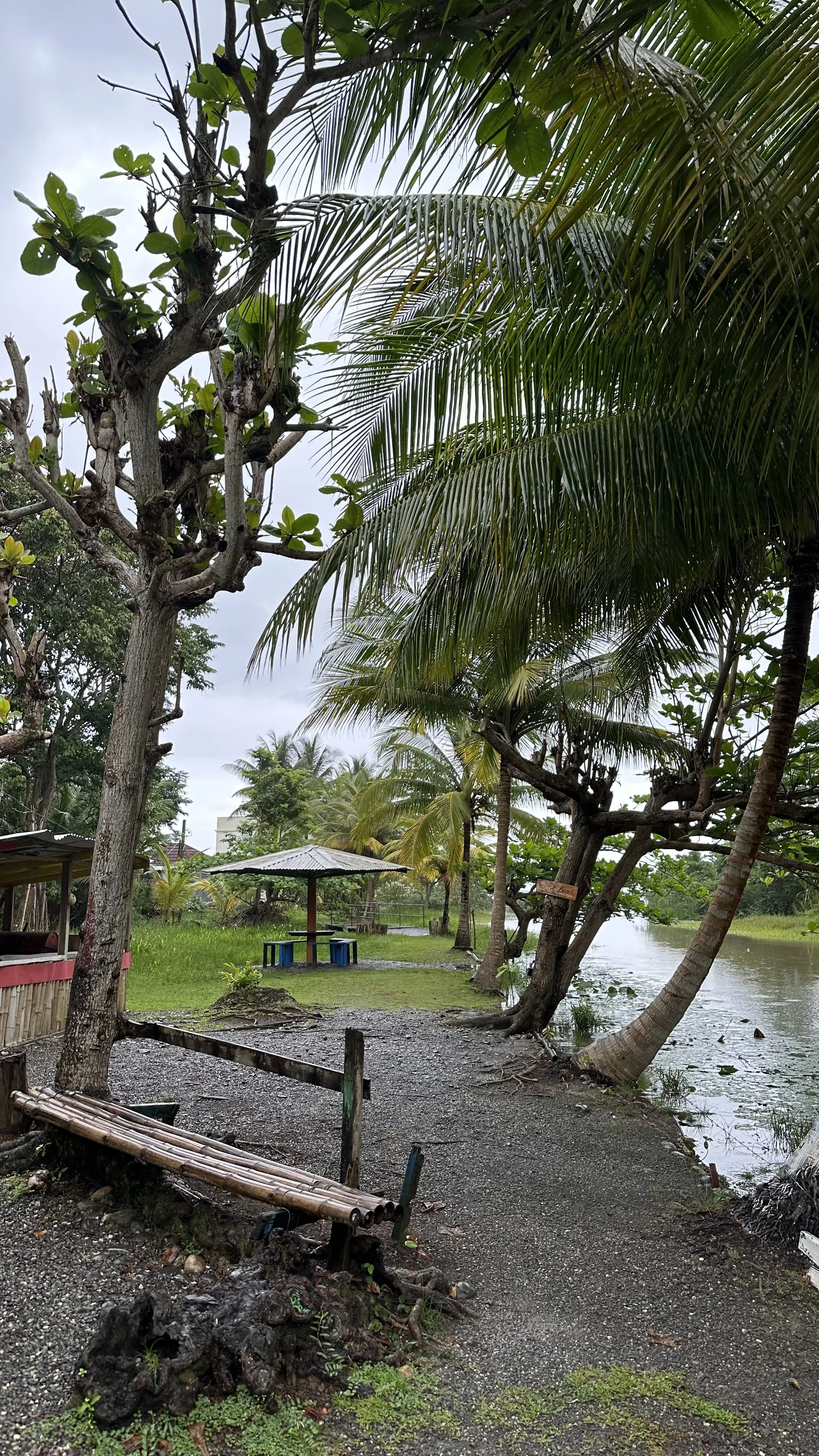
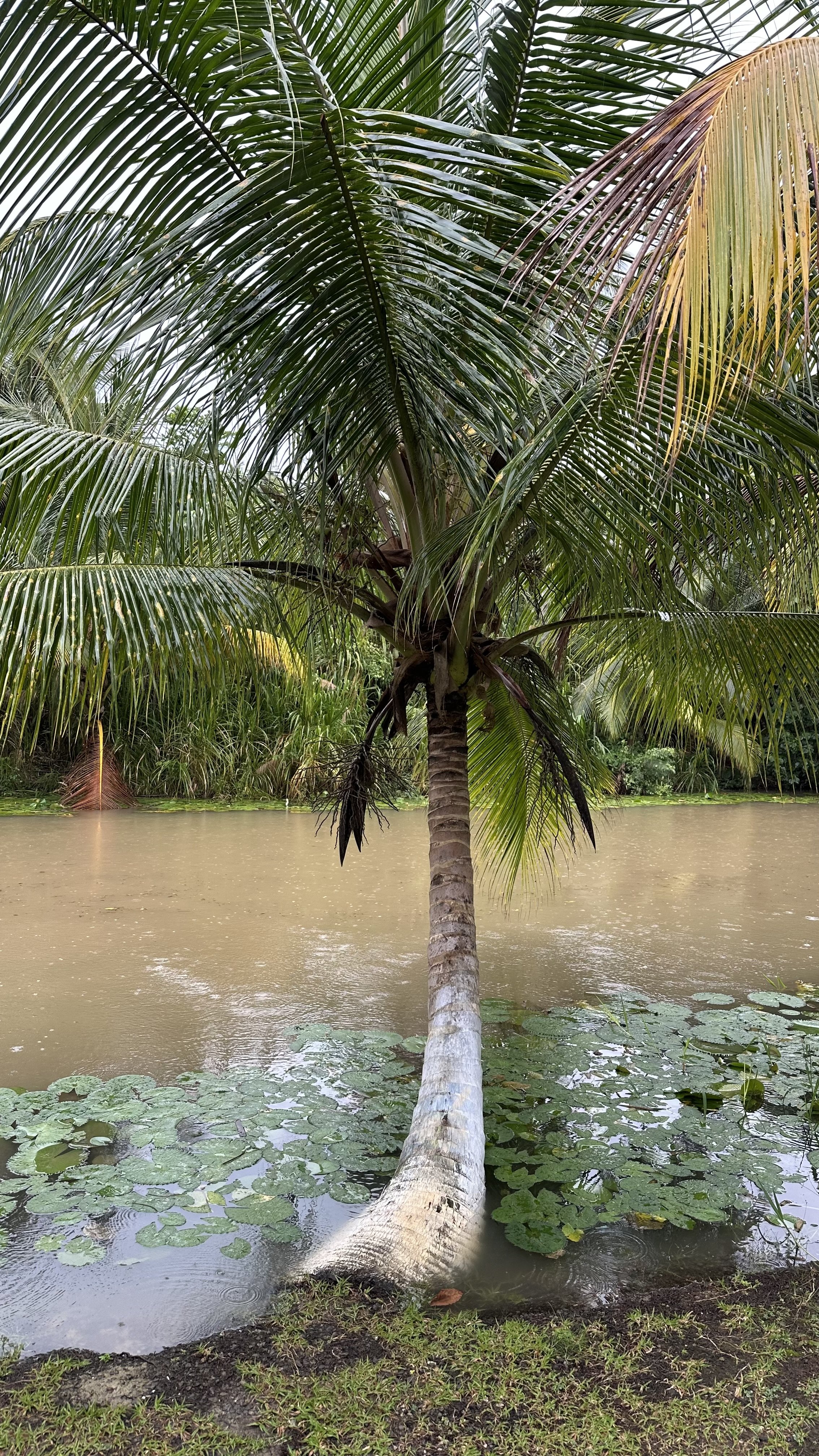
Eating here is a very unique experience, completely immersed in nature. It’s a small, simple spot just outside the town, set right in the jungle, where you eat literally next to the river. The setting is what makes it special—quiet, green, and very raw, with the sound of the water and nature all around you. It feels like a hidden place, far from everything, where you can just slow down and enjoy the moment.
Another quick stop to take away some patties!
I already mentioned in the list of food to try, above this article,that the patties are a local recipe to try. Juici Patties is the most famous fast food in Jamaica for this! Most locals take them away!
We stopped at this one, but there are many around the island,
Quick stop at Buff Bay and Charles Town
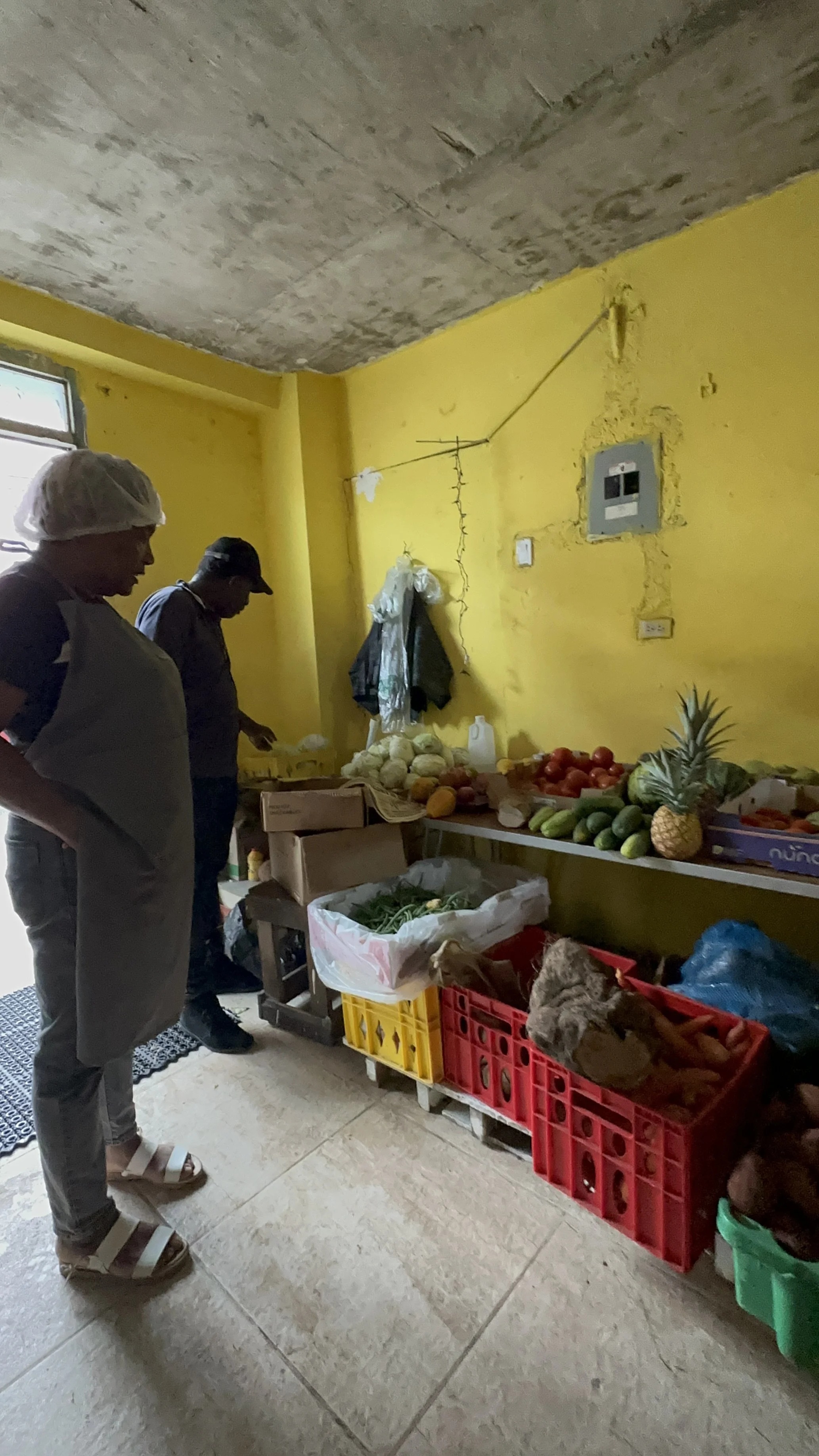
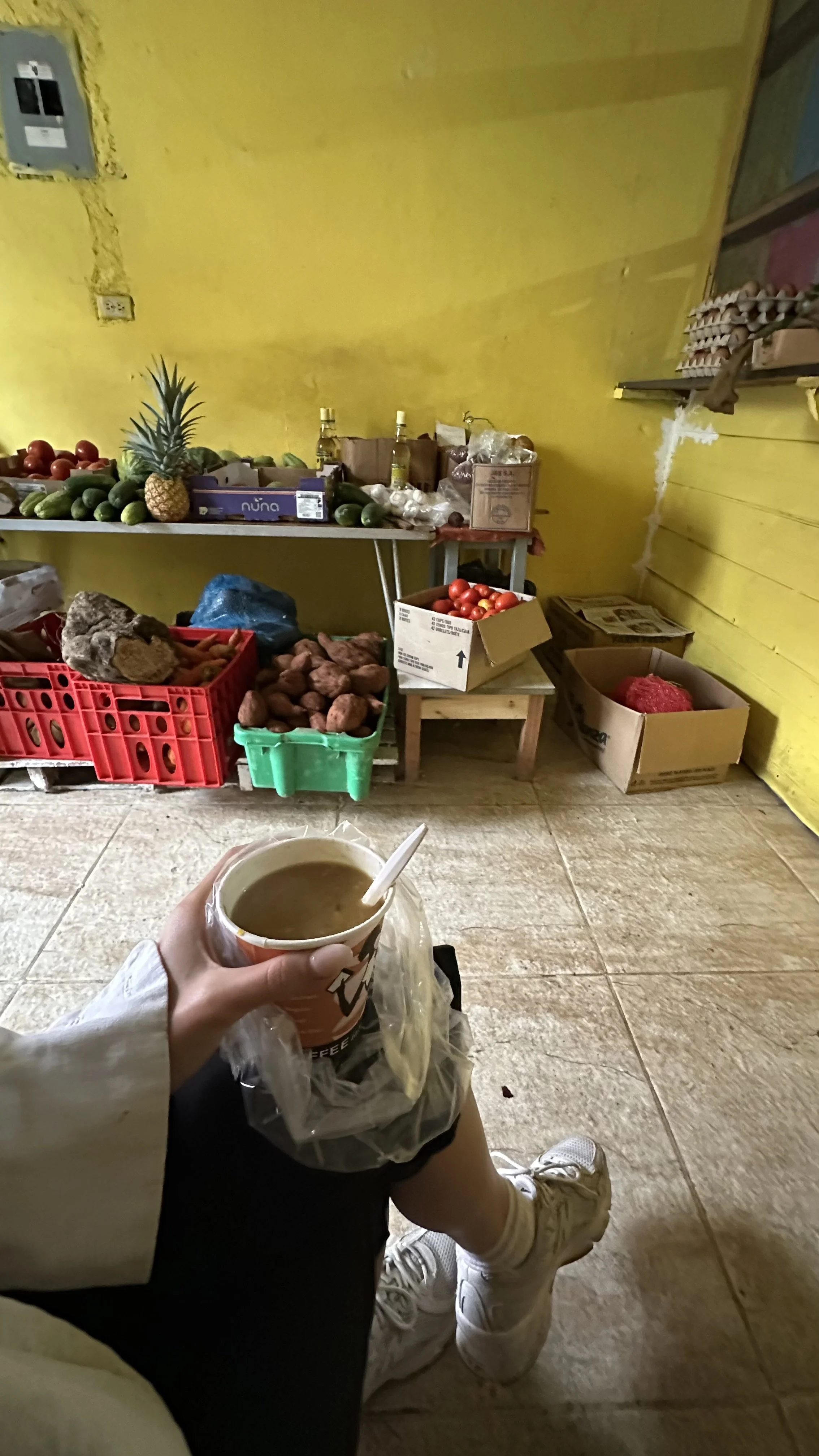
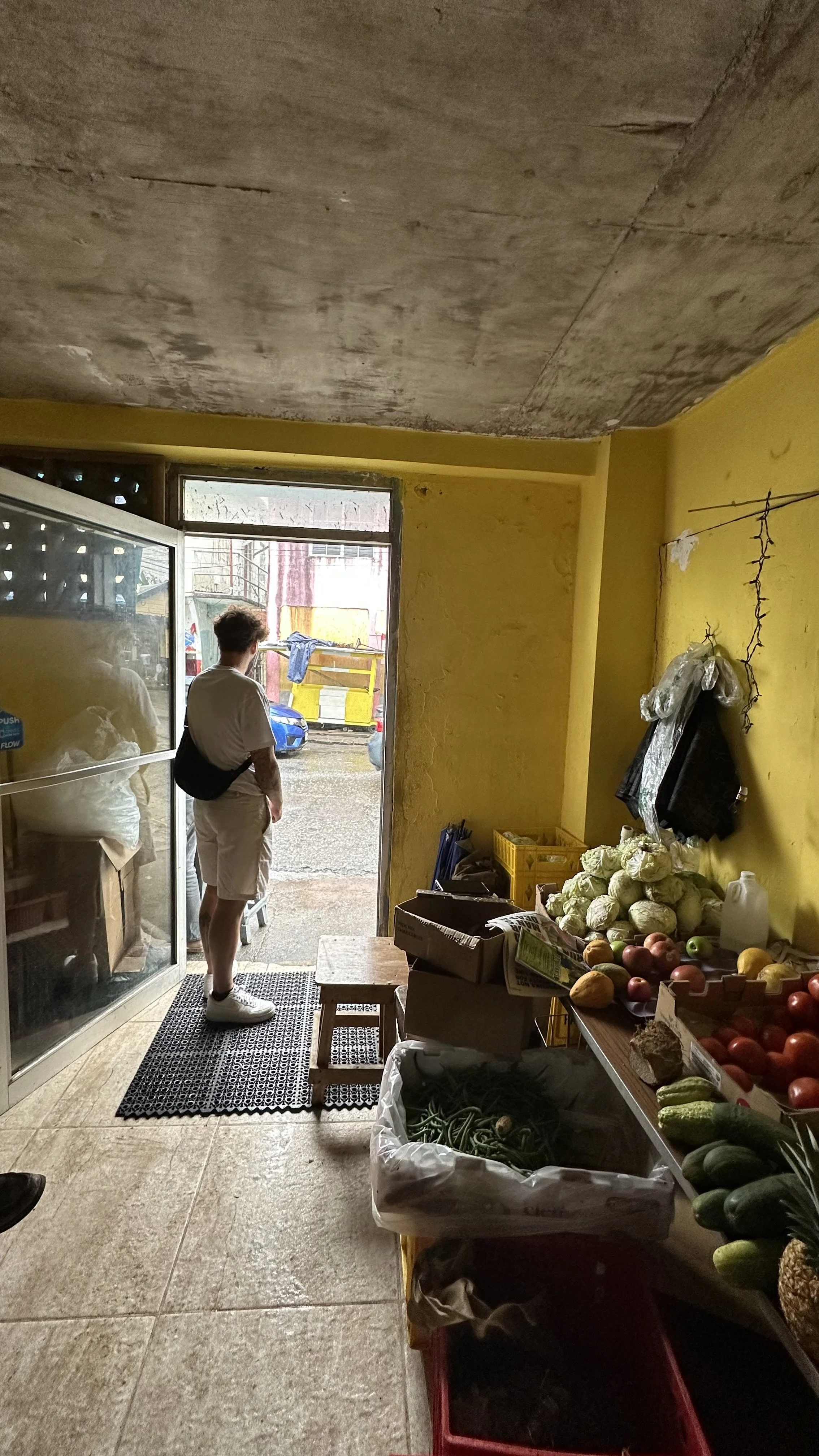
On the way to Montego Bay, you can stop in Buff Bay, a small, very local town where it’s nice to take a quick walk and just feel the everyday vibe. We stopped there to get gas and ended up eating a soup at a tiny fruit and vegetable shop that also cooks, right on the street inside the Buff Bay Business Center. It’s the kind of simple, local food you’ll often find in more residential or less touristy areas, and it felt very real and authentic.
Just above Buff Bay, there’s Charlestown, where you’ll find a museum about the Maroon community. The Maroons are descendants of enslaved Africans who escaped and created their own independent communities in the mountains, preserving their culture and traditions. That said, the museum itself feels quite touristy, and locals don’t really go there—it doesn’t feel very authentic. If you’re interested in this history, it’s better to try and visit real Maroon communities in the Cockpit Country, where they still exist today. We decided to skip the museum and continue our journey.
Montego Bay: One Man’s Beach
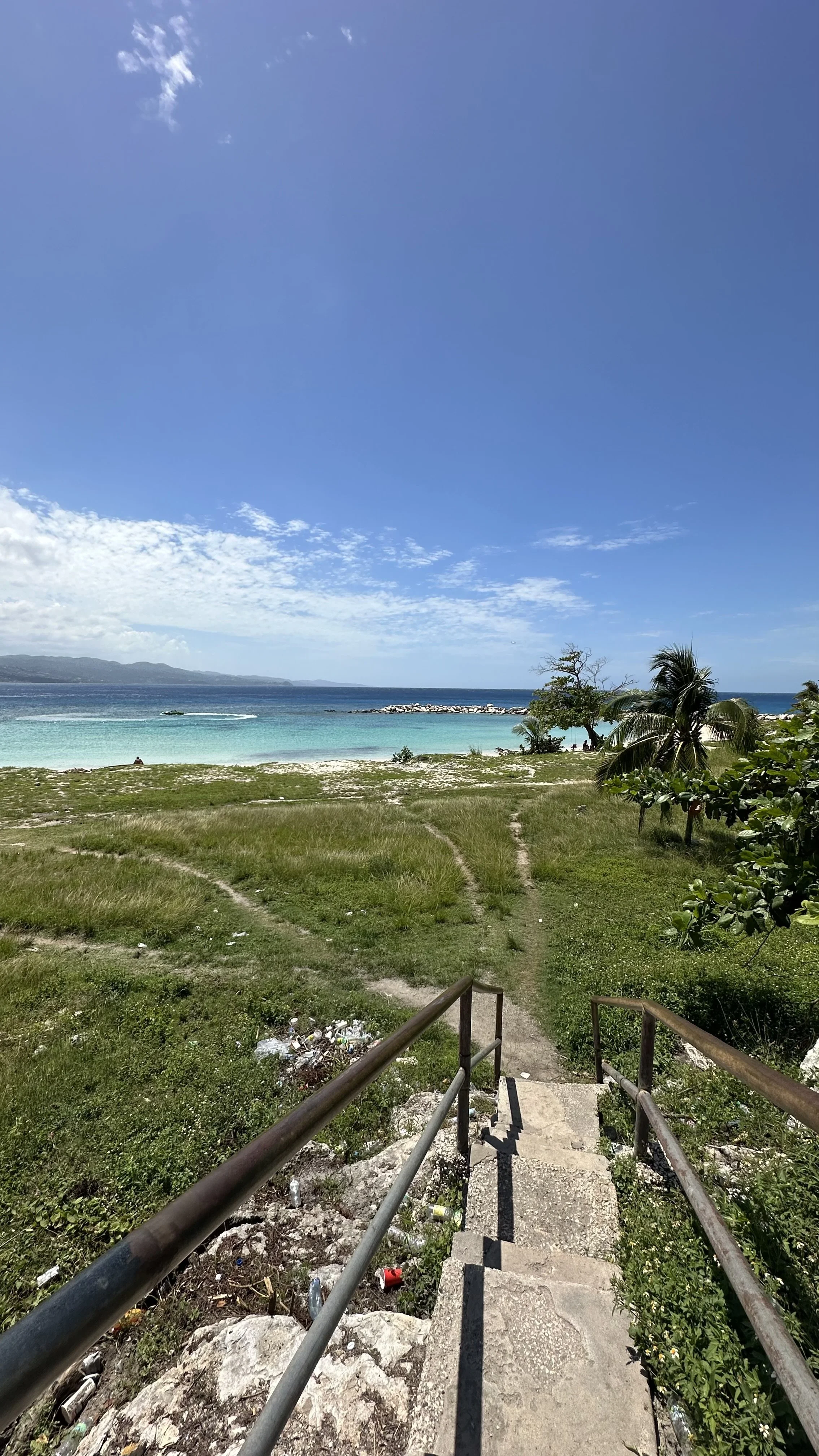
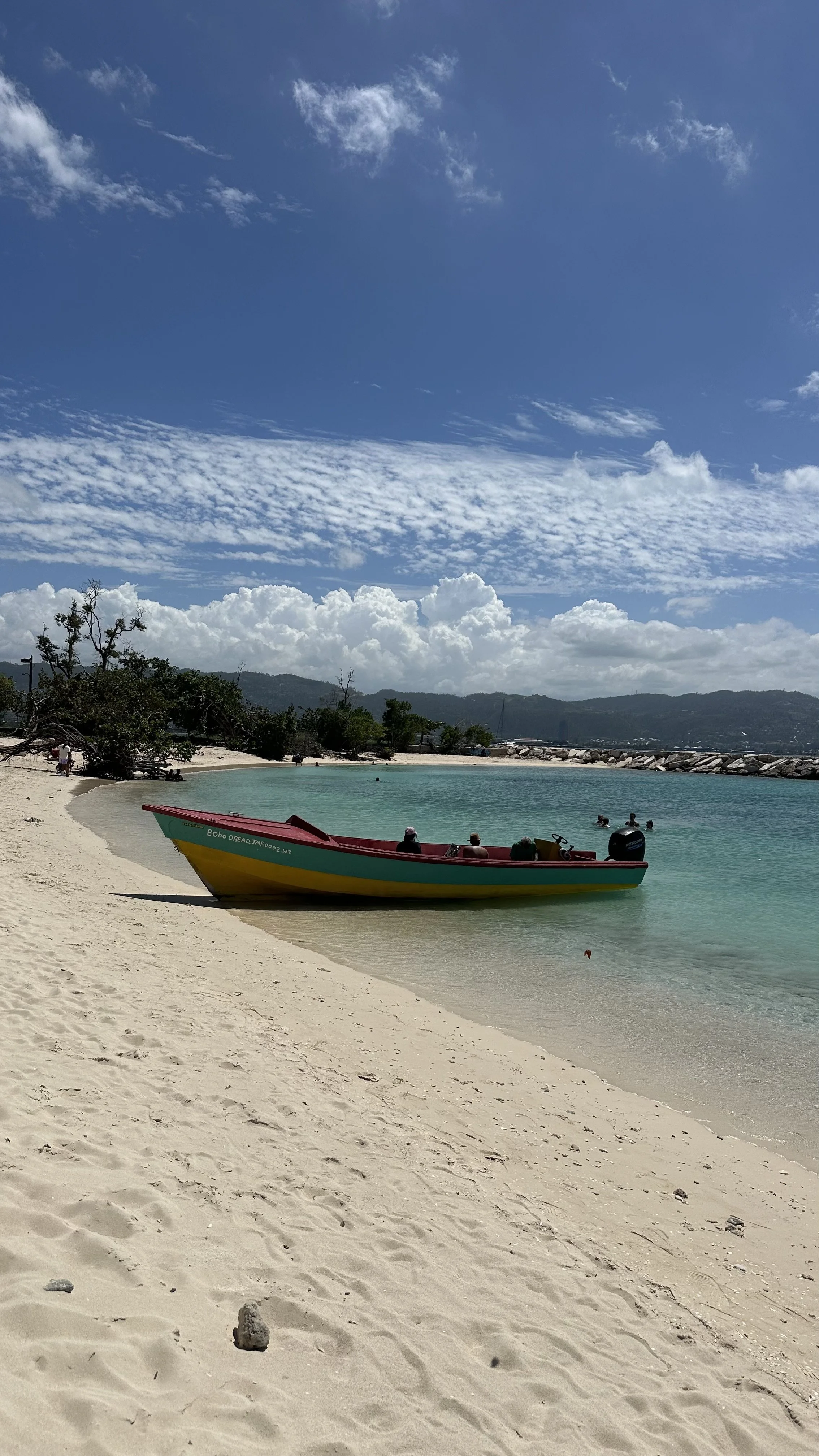
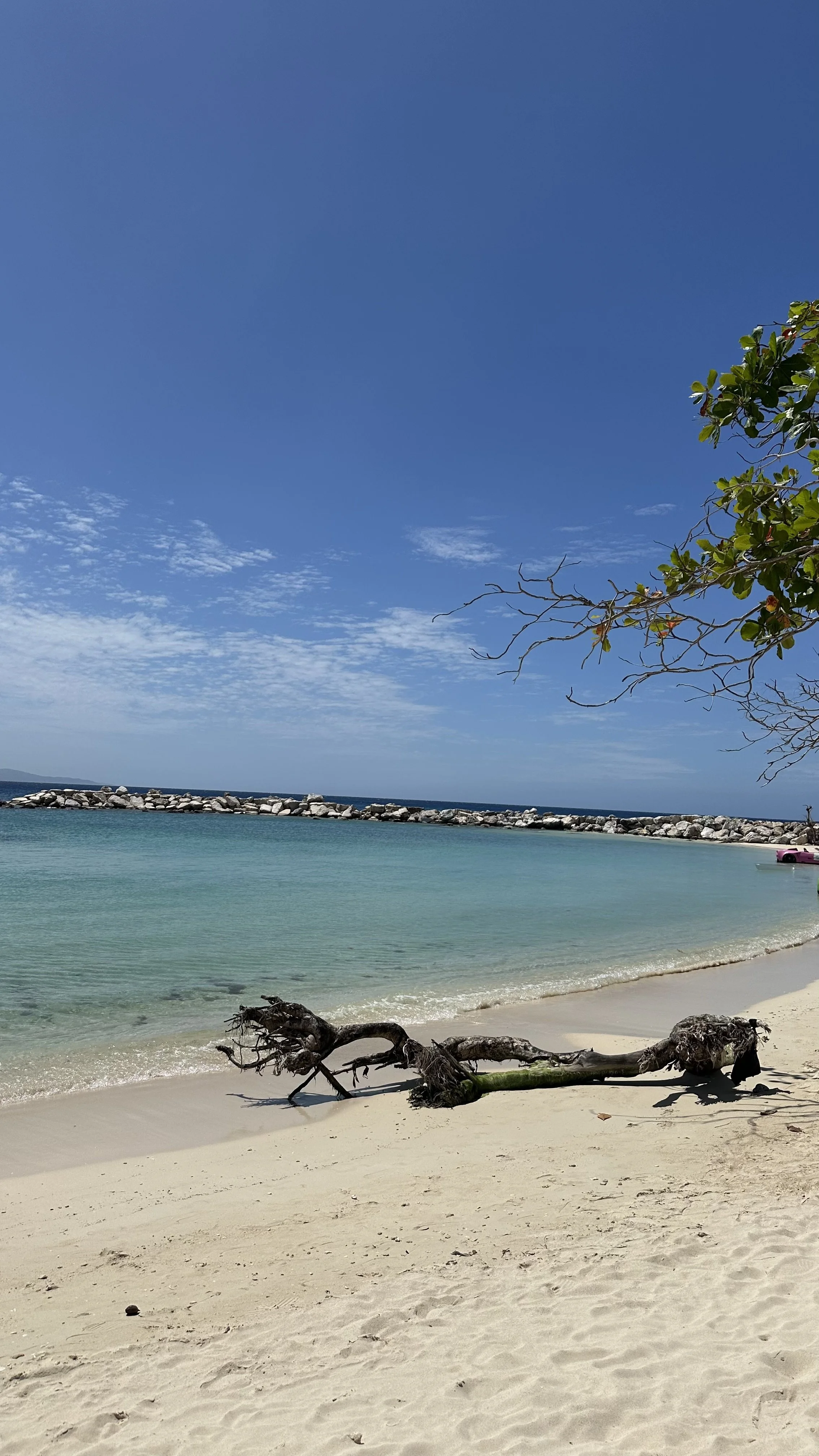
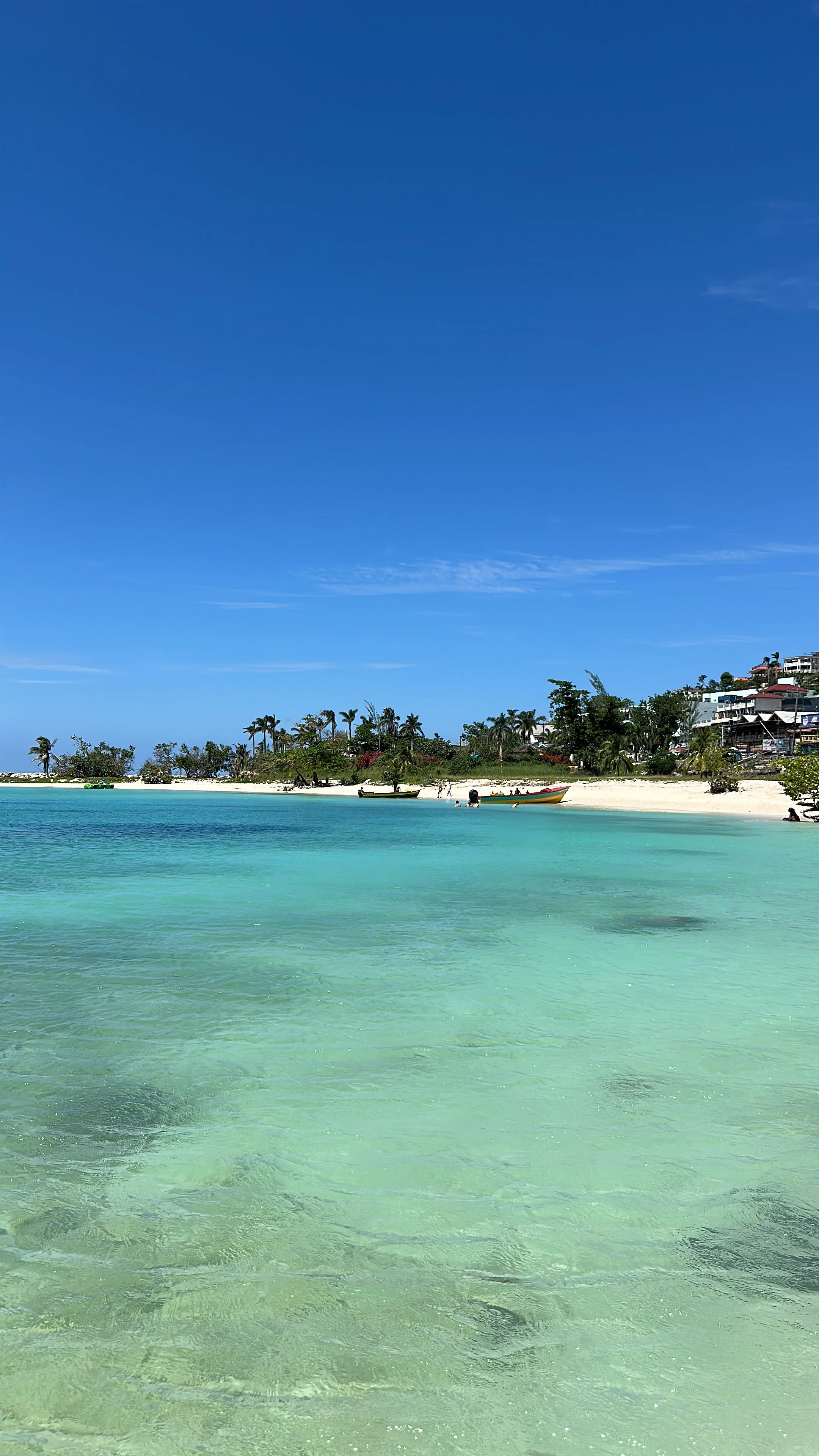
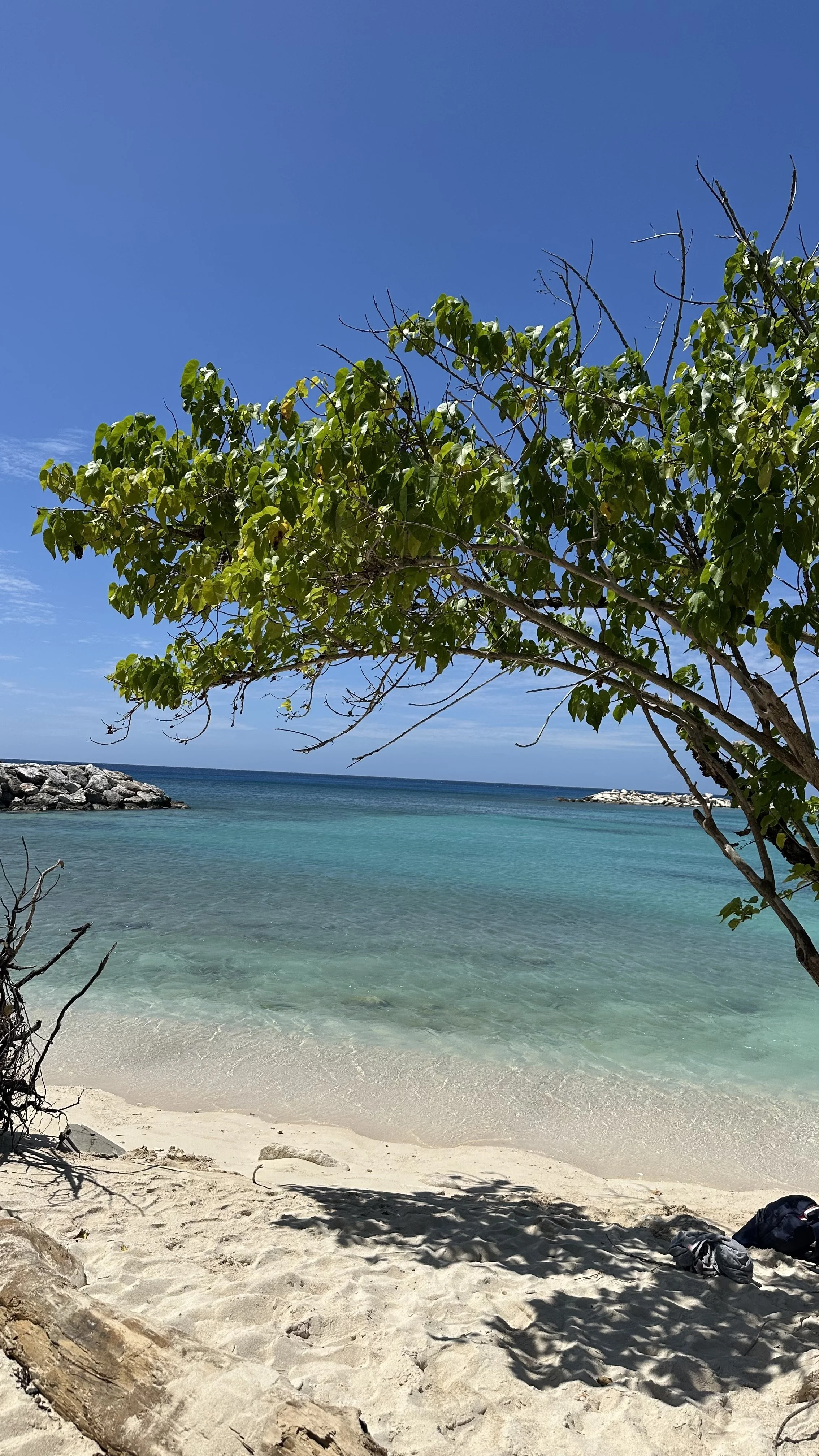
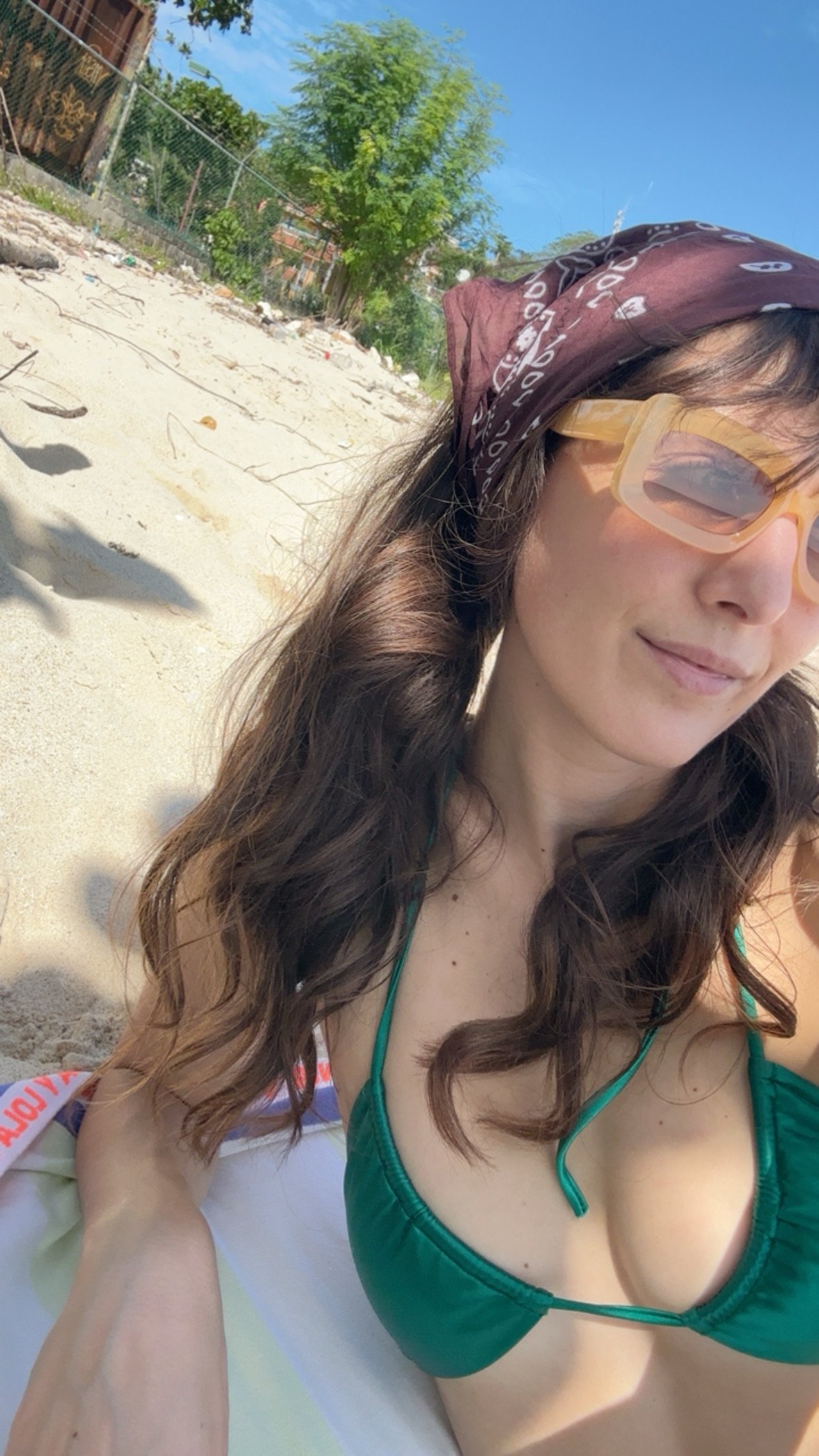
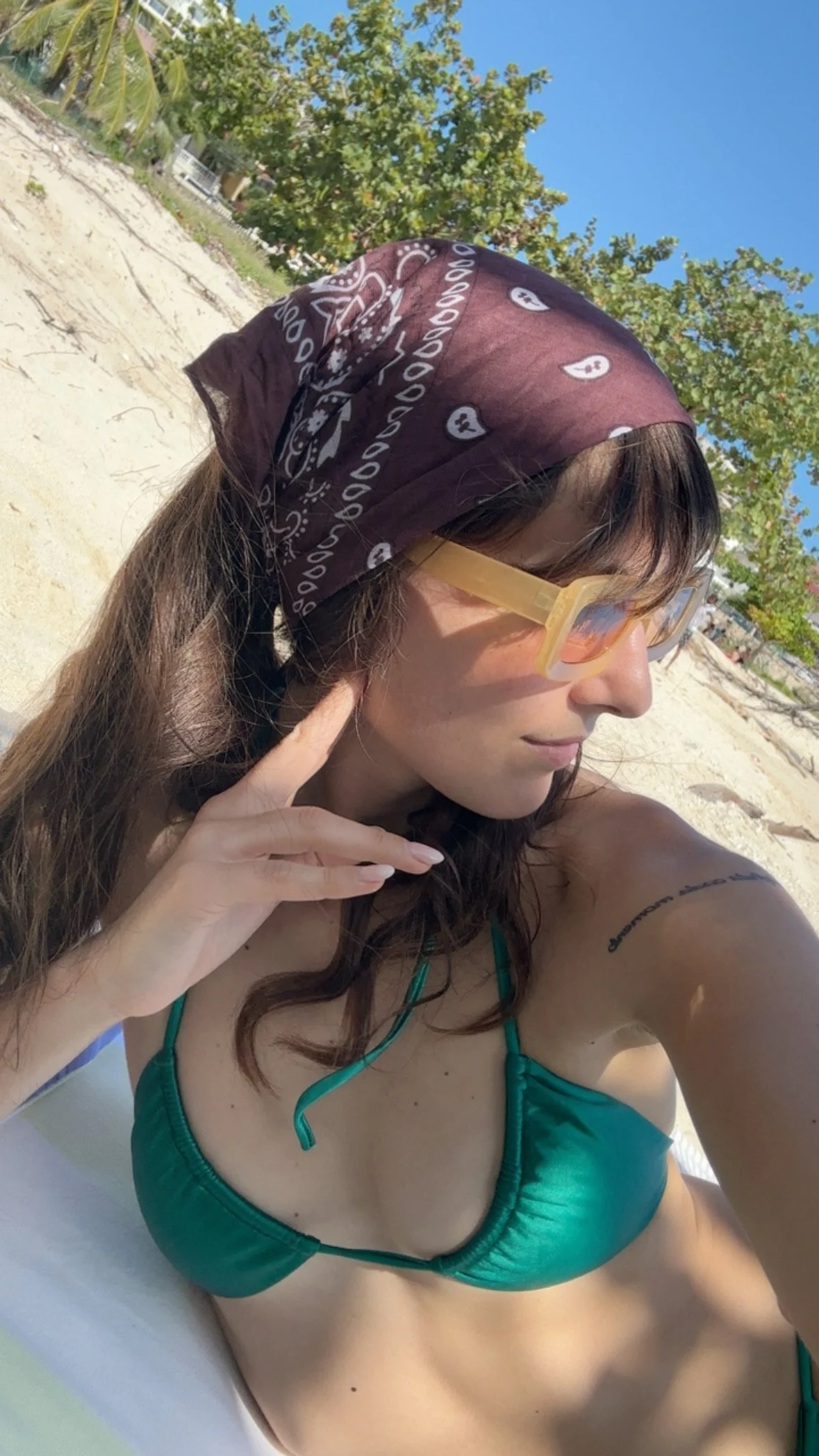
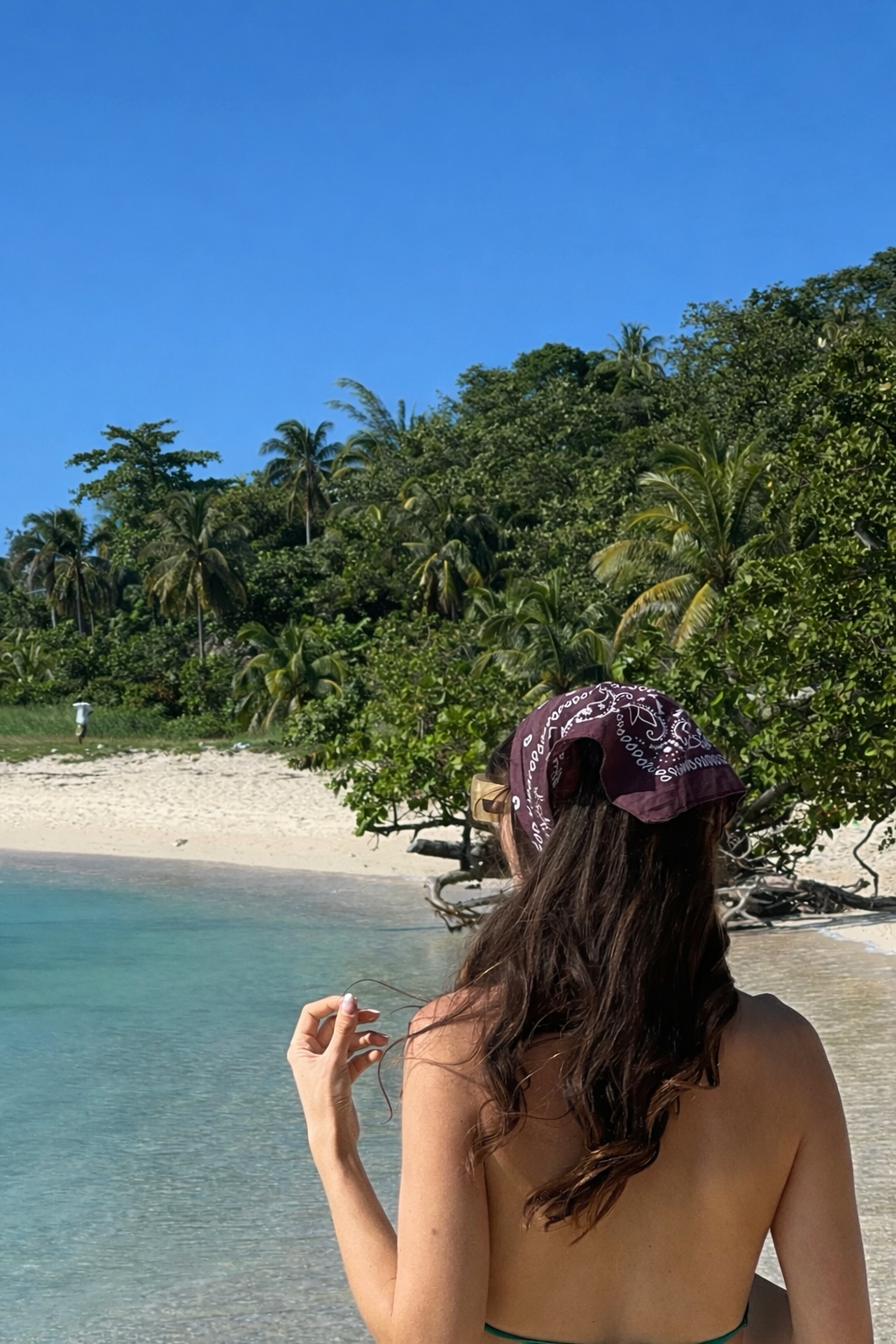
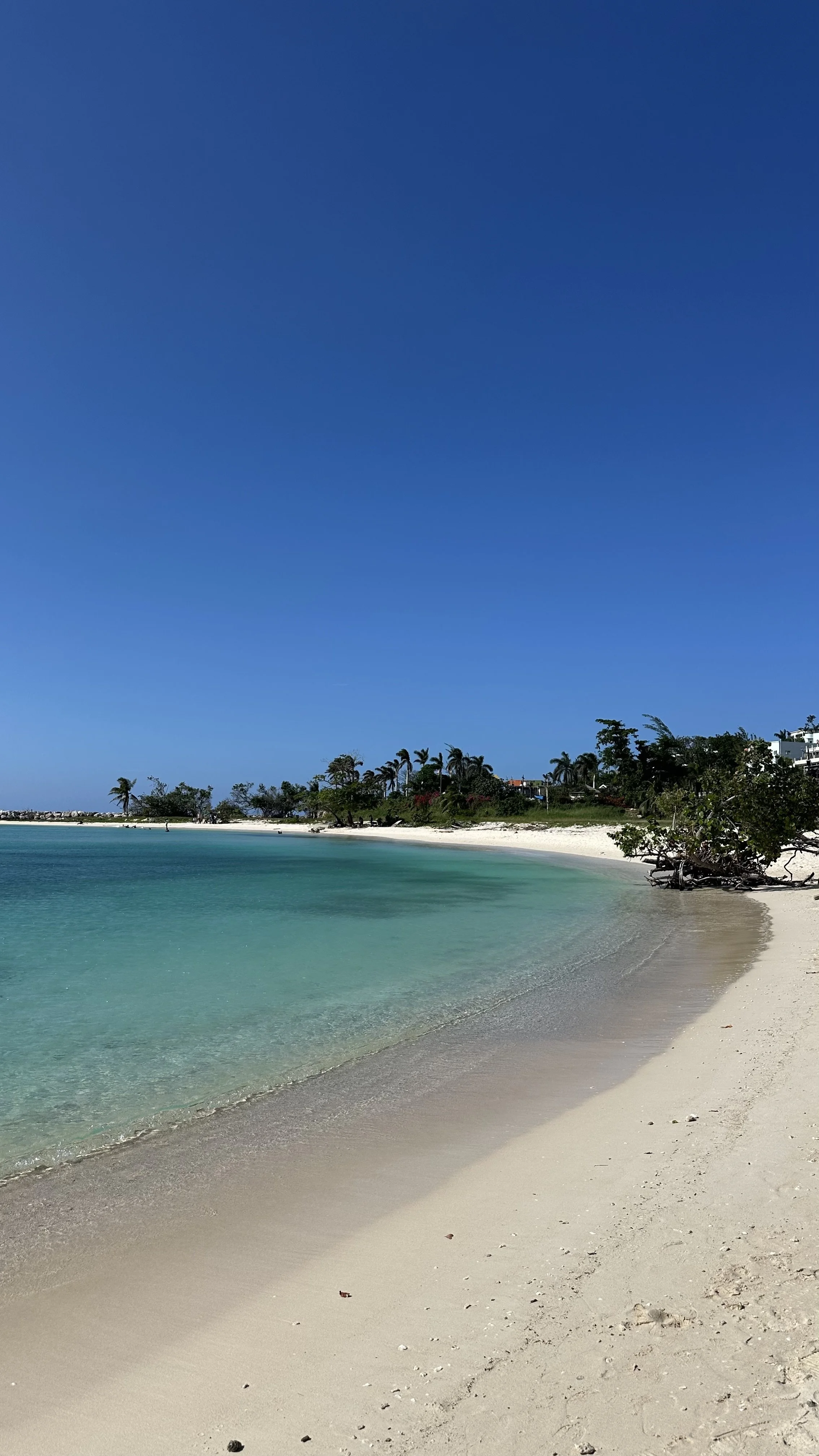
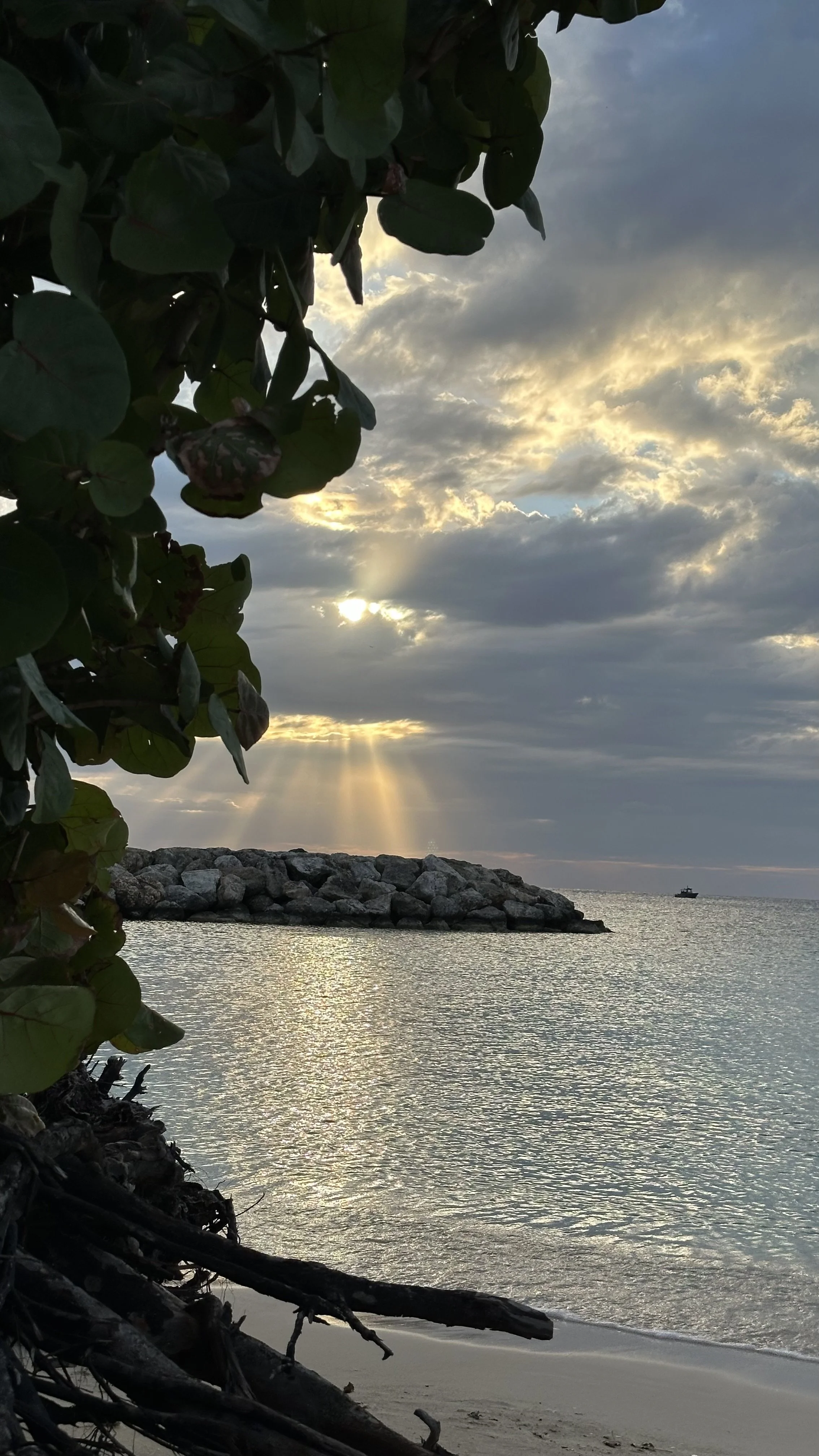
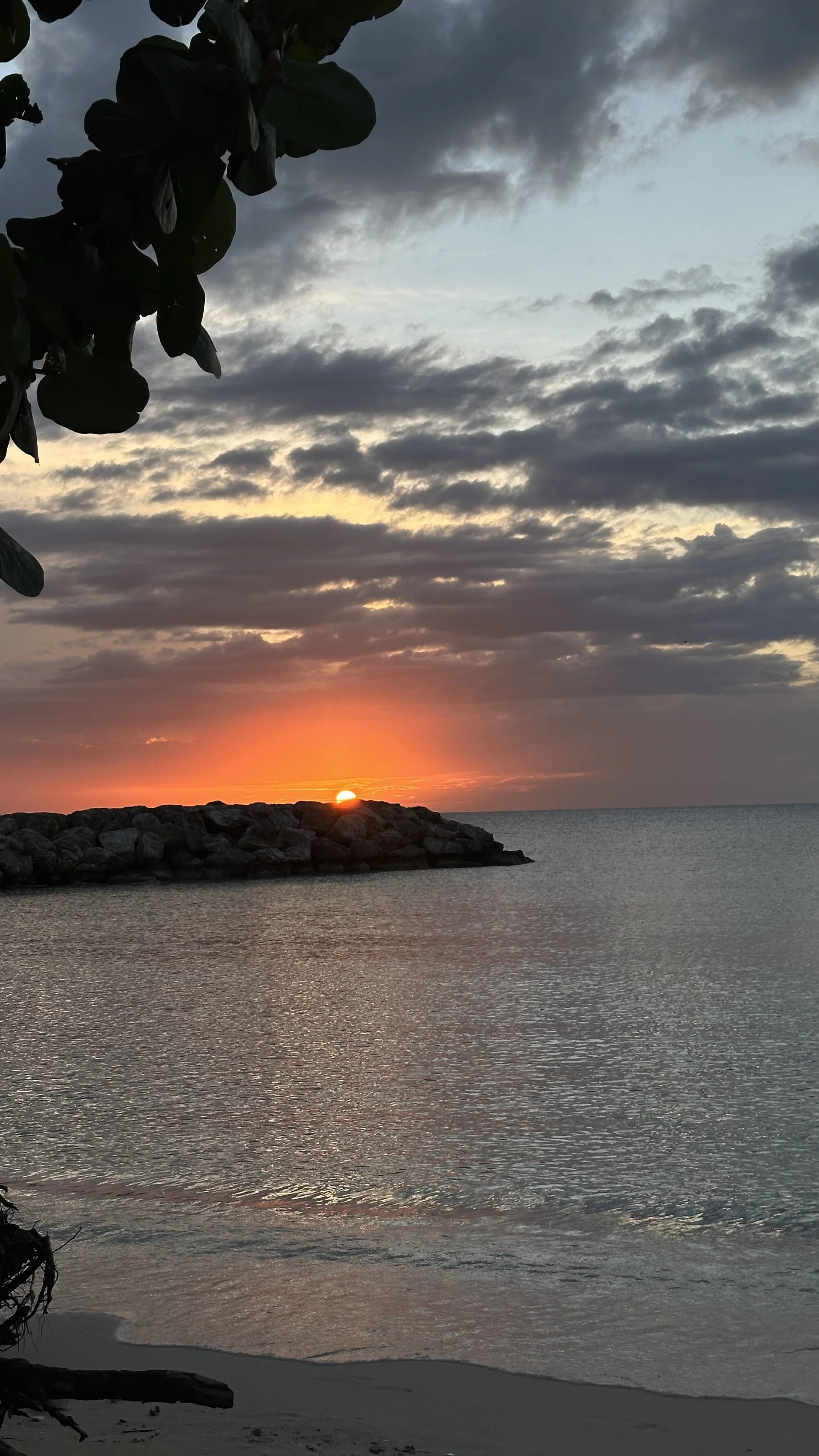
Finally arriving in Montego Bay, the beach you absolutely have to try is One Man Beach, for several reasons. First, the water is incredibly clear and beautiful. Second, there are lots of palm trees and tropical trees right on the beach, so you can easily find some shade—which is quite rare here. It’s also free, which is not that common in Jamaica, and despite being so beautiful, it was almost empty when we went—we basically had it to ourselves. It’s also very protected, like a small bay, so there’s little wind and the sea stays calm. There are no bars directly on the beach, but it’s right in front of a main road with different spots where you can grab food—I’ll share a good one in the next paragraph.
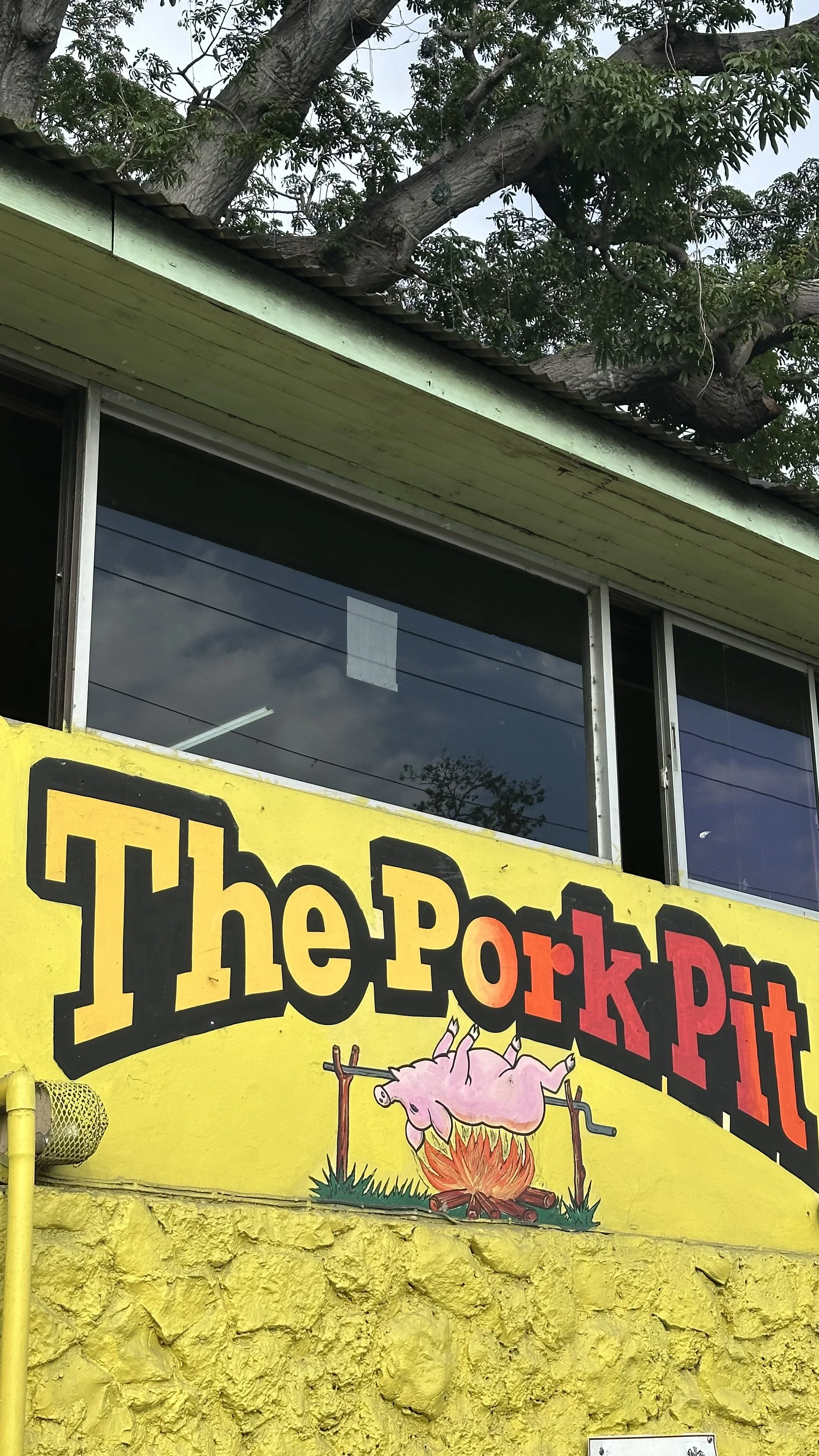
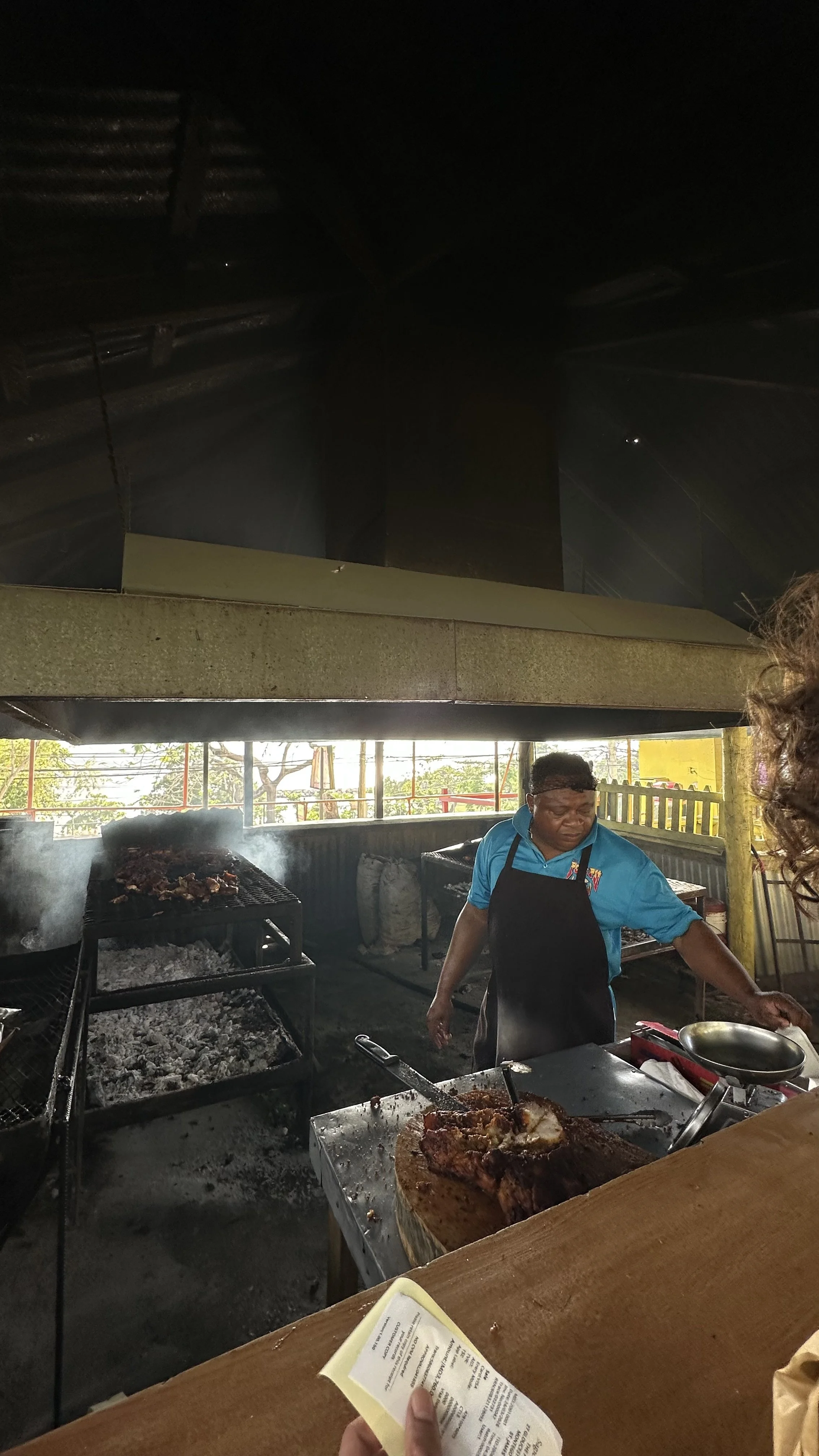
Takeaway food at The Pork Pit
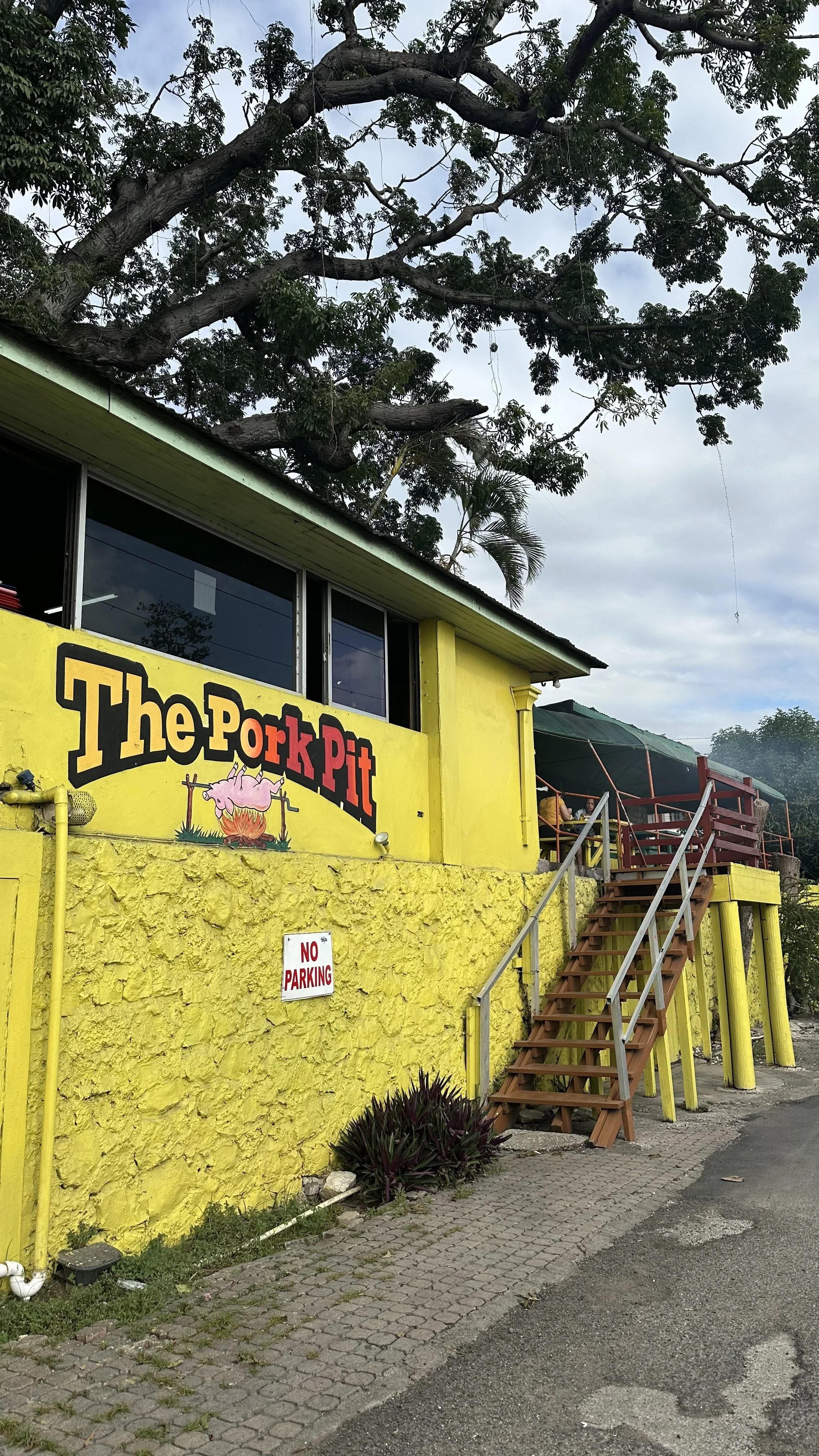
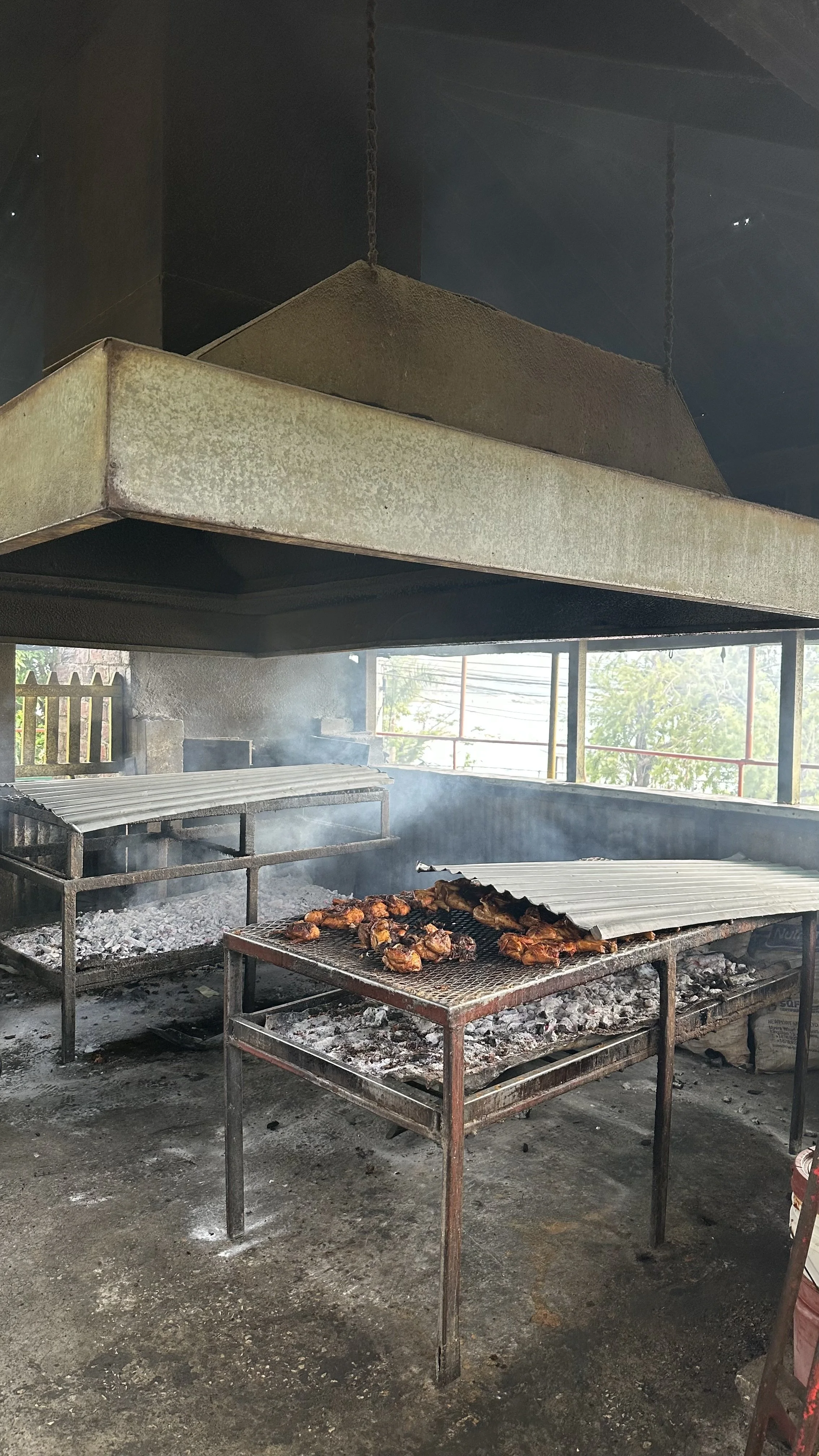
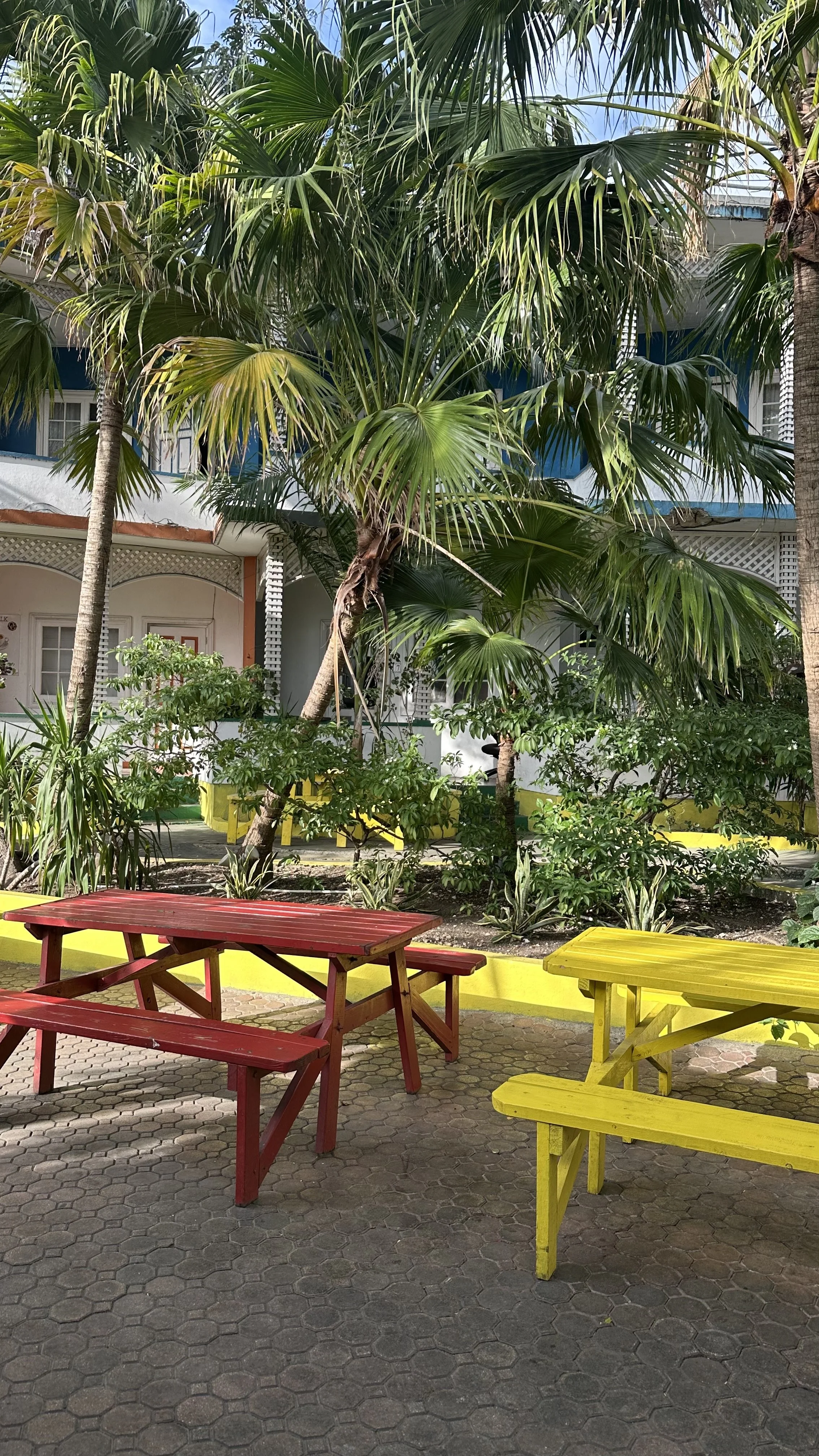
For food, a great option is to grab takeaway from The Pork Pit, a small spot right behind One Man Beach. As the name suggests, the pork is the highlight here and definitely worth trying, but they also do jerk chicken. What really surprised me though was the rice and peas—the best I had on the island. It’s usually quite plain in many places, but here it was super flavorful, probably thanks to the thyme. The best way to do it is to park somewhere along the road near the beach, stop at Pork Pit around lunchtime, grab your food, and take it with you to eat right on the beach.
Another beach option is Dead End Beach, located right at the end of Hip Strip, the main area of Montego Bay. It’s not as beautiful as One Man Beach and it’s quite small, with very little shade, but it has a nice vibe. You’ll find a lot of locals there, hanging out, having a drink, and just spending time together, so it feels lively and social. It’s a good spot to stop by for a bit, but for a full beach day, I’d still recommend One Man Beach—they’re both free, but the experience is definitely better there.
Dinner in Montego Bay
I didn’t really find the restaurant in Montego Bay—the one I’d strongly recommend. I actually didn’t have dinner there, so I don’t have a personal suggestion. The only place that was recommended to me by locals was The Sugar Mill, which is a bit more on the premium side. I’m not sure how touristy it is or how good it actually is, so I can’t give a real opinion—but just sharing it in case you want to check it out.
Montego Bay Market & Charles Gordon Market
You’ll probably see in other travel guides that they recommend going to the Montego Bay Market, and yes, you should go there, it’s where you’ll find more touristic souvenirs and crafts.
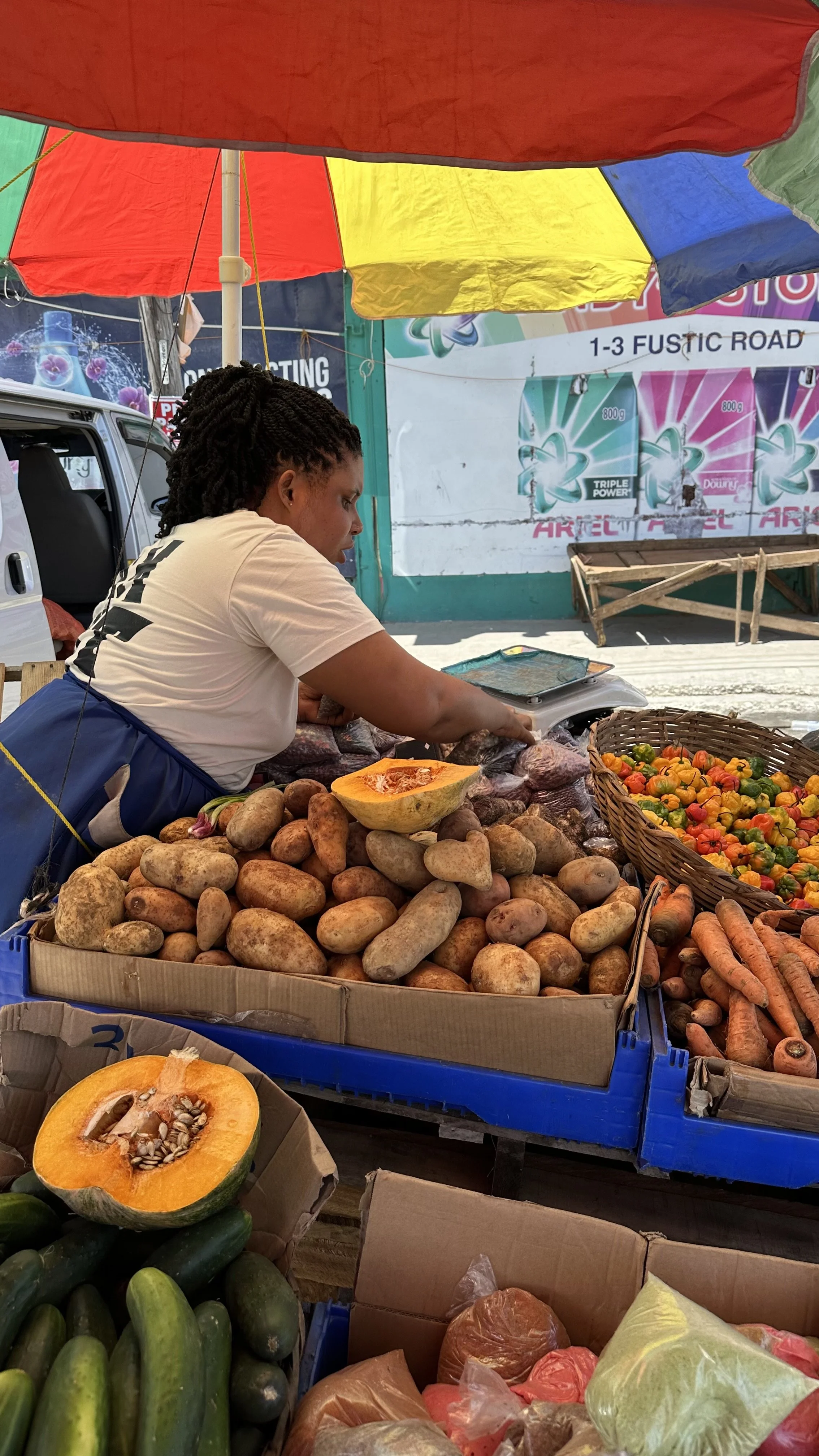
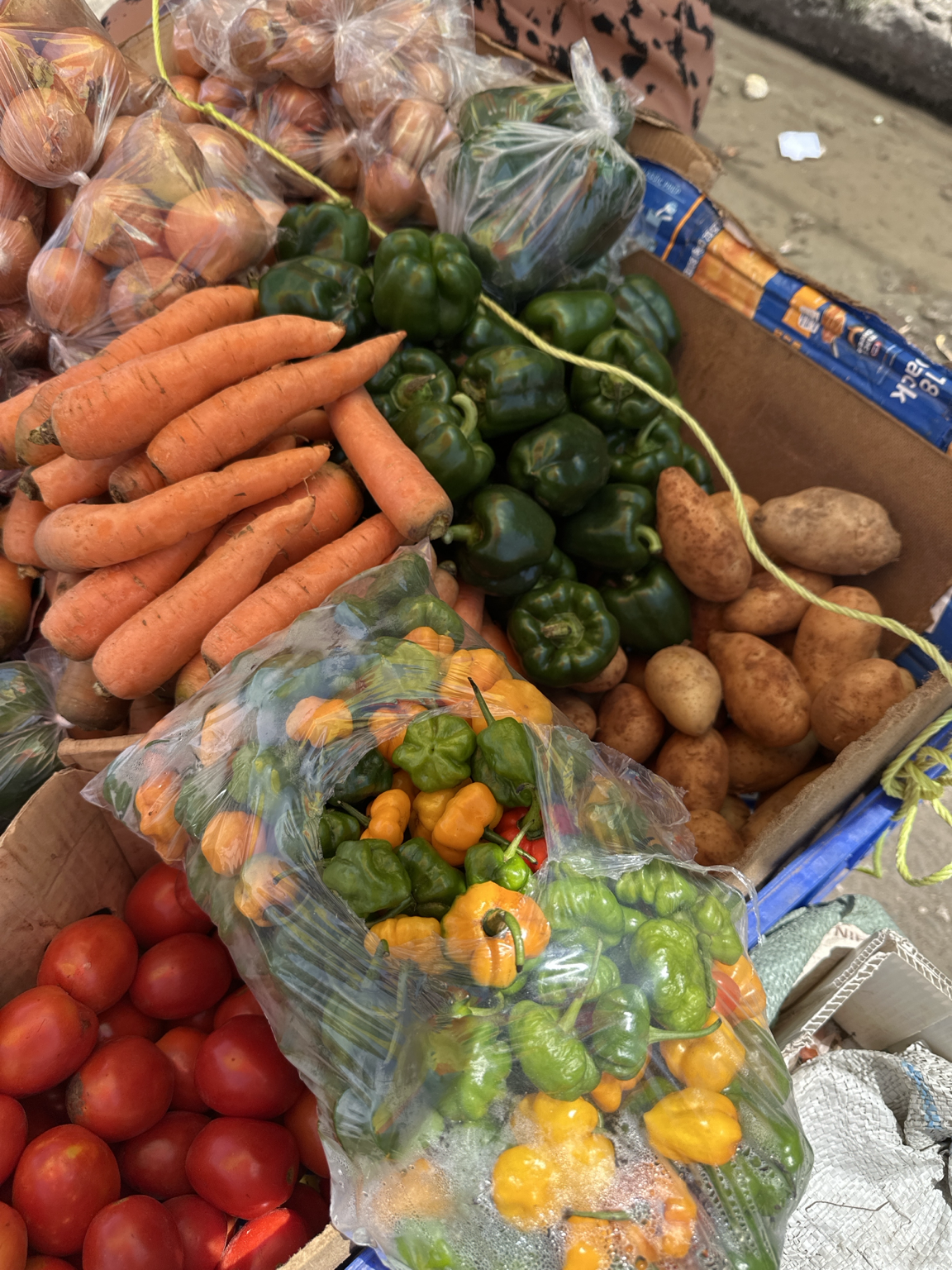
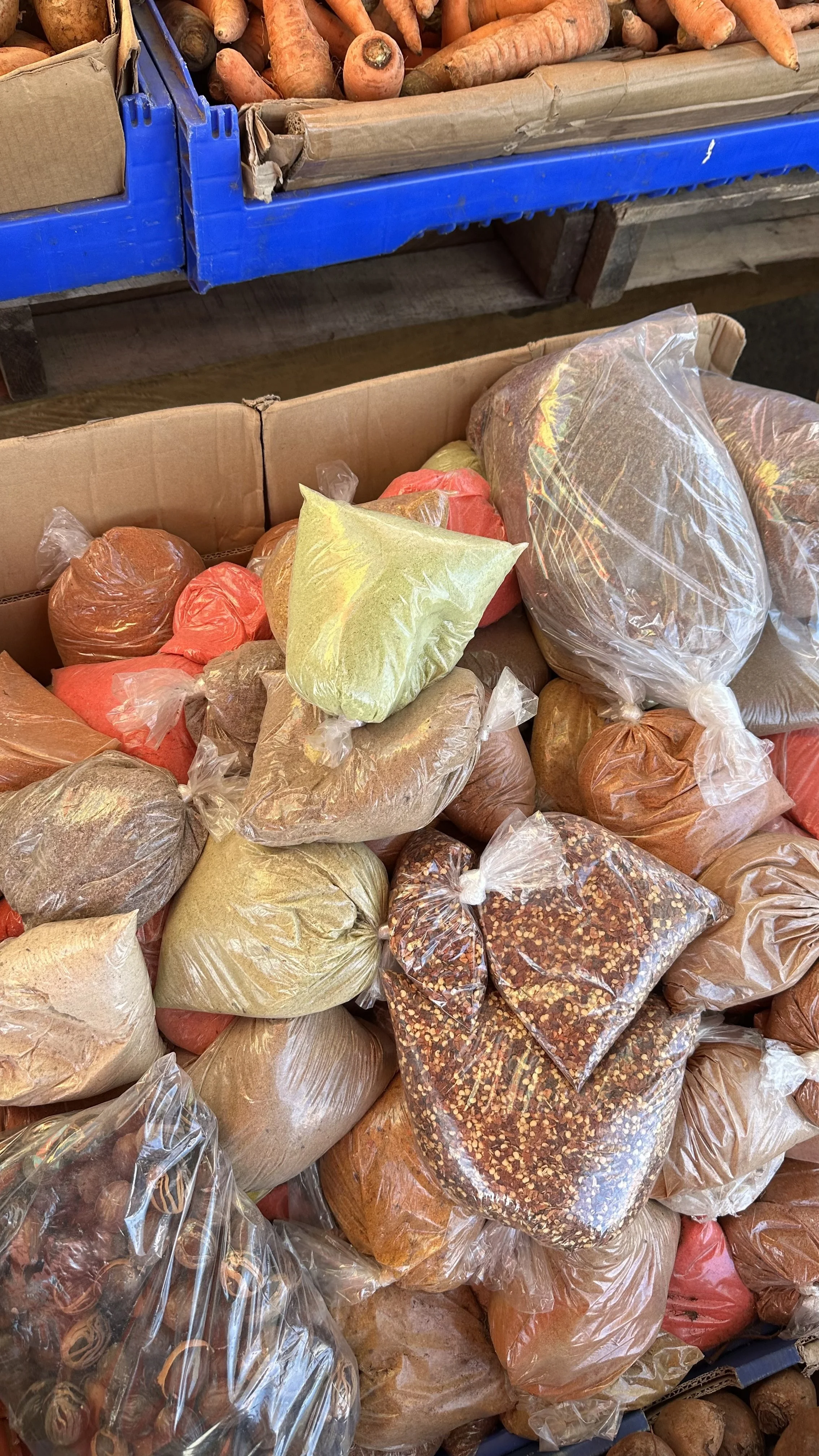
What I’d really recommend though is the Charles Gordon Market in Montego Bay, which feels much more real and local. It’s a proper market where people sell their own produce from small stalls or carts—everything is very authentic and unfiltered. You’ll find fruits, vegetables, and lots of spices. We found things like allspice (pimento), their local pepper with a surprisingly sweet, almost chocolate-like aroma, and Scotch bonnet peppers, those tiny but super strong chilies used to make jerk sauce. It’s colorful, a bit chaotic, but definitely worth it to experience everyday Jamaican life.
Nightlife in Montego Bay
Night picnic with the locals
Instead of going to a bar, I’d actually recommend doing something much more local. Drive to the end of the Hip Strip (the main road in Montego Bay where most restaurants, bars, and tourist spots are), right where Dead End Beach is, this is the exact spot on Google Maps. It’s basically a closed road, and locals come here with their cars, bring their own food and drinks, open the trunk, and just hang out along the wall facing the sea. It turns into a sort of evening picnic with friends, very simple but with a great vibe—music, people chatting, eating, drinking. It was honestly the nicest thing I experienced at night in Montego Bay, much more authentic than the usual tourist spots.
Drinks and Casino
Montego Bay honestly doesn’t have that much to do, that’s why I only stayed one day. Especially in the evening, the city feels quite quiet—there aren’t many places to go, and everything kind of slows down.
The only spots that get a bit more lively are a few venues. If you happen to be here on the weekend, it’s definitely better because there’s more going on; during the week, it’s pretty empty.
The most popular places are Margaritaville (which I wouldn’t really recommend) and Pier 1 on the waterfront, which is a bit more lively with music and a better local vibe.
There’s also a casino (Coral Cliff), which is actually quite nice inside, with a mix of games, restaurant, and bar. But overall, it’s not a place where you’d want to stay too long—you can easily move on after a short stop.

Day 9
Papaya Beach
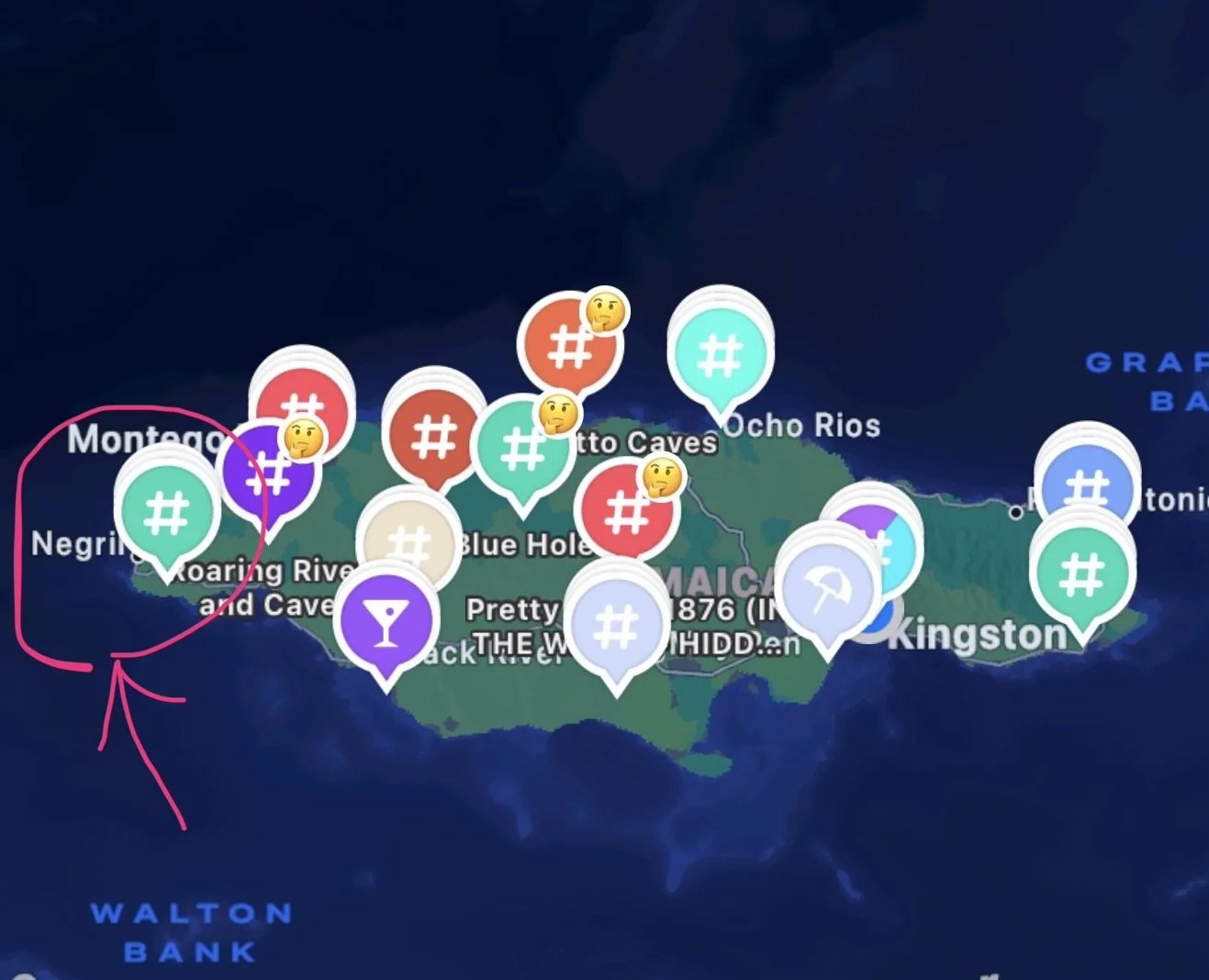
If you wish to find my map pins and easily follow them, follow me on mapstr!
Stay at Papaya Beach Hotel
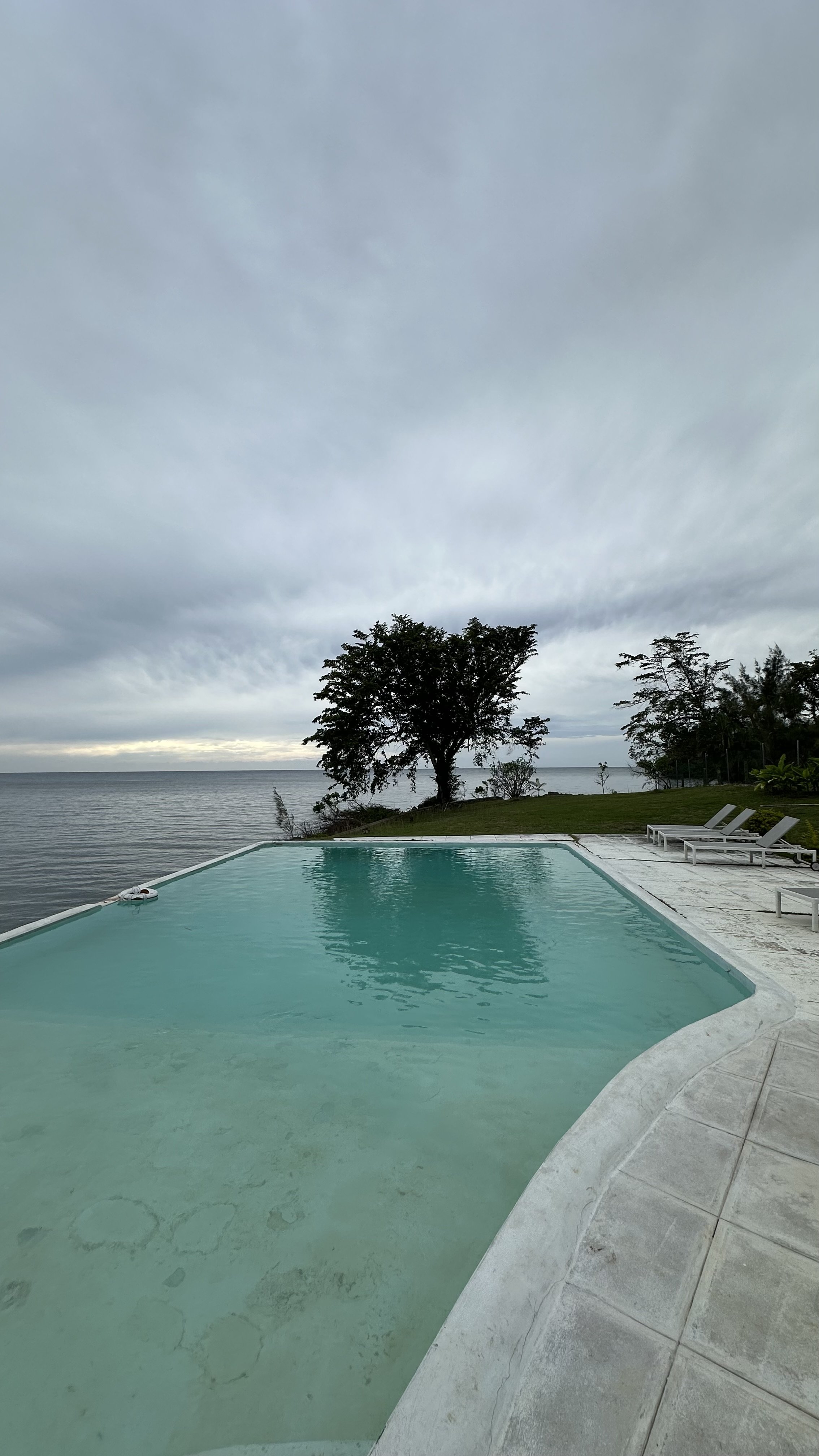
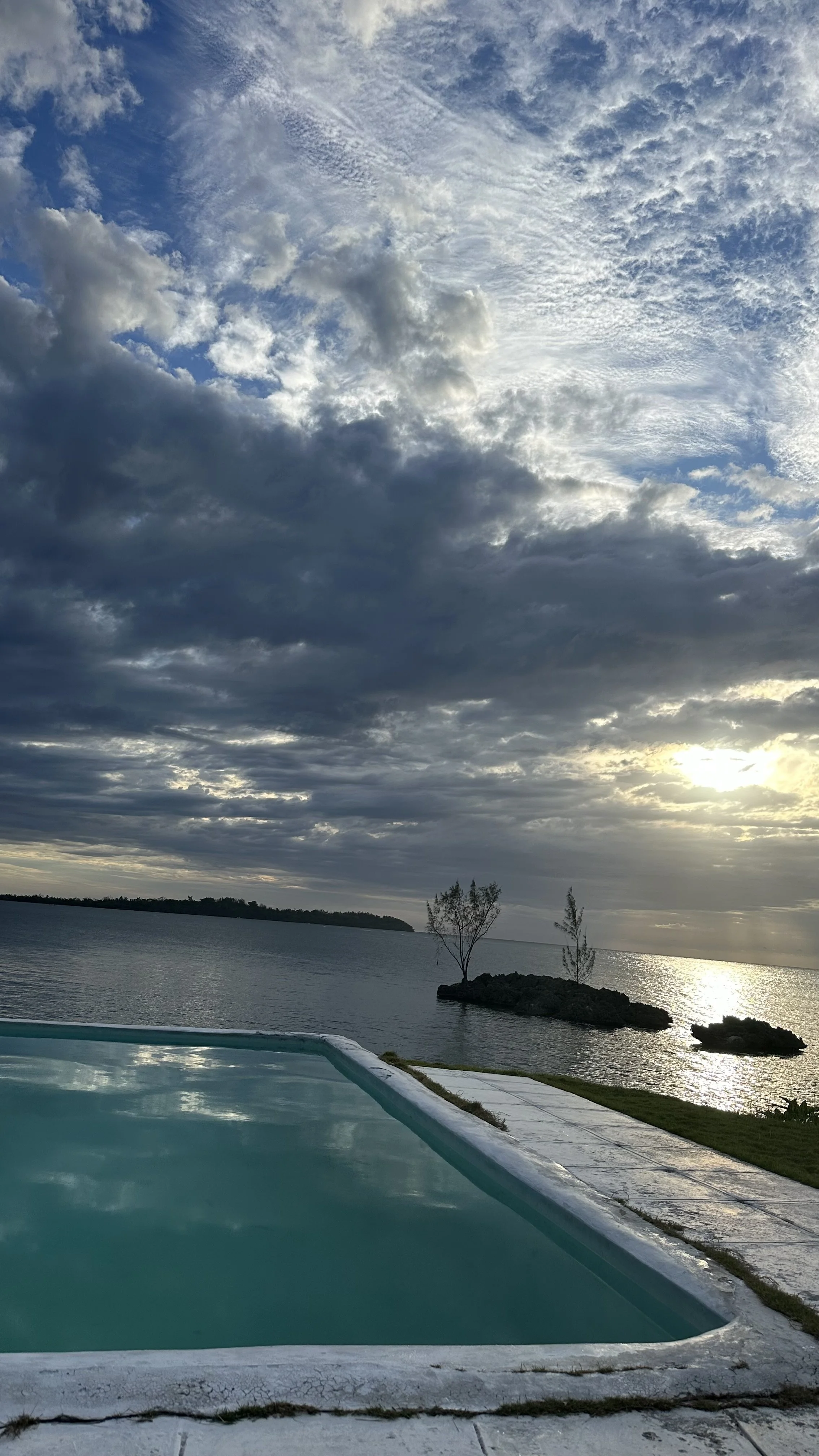
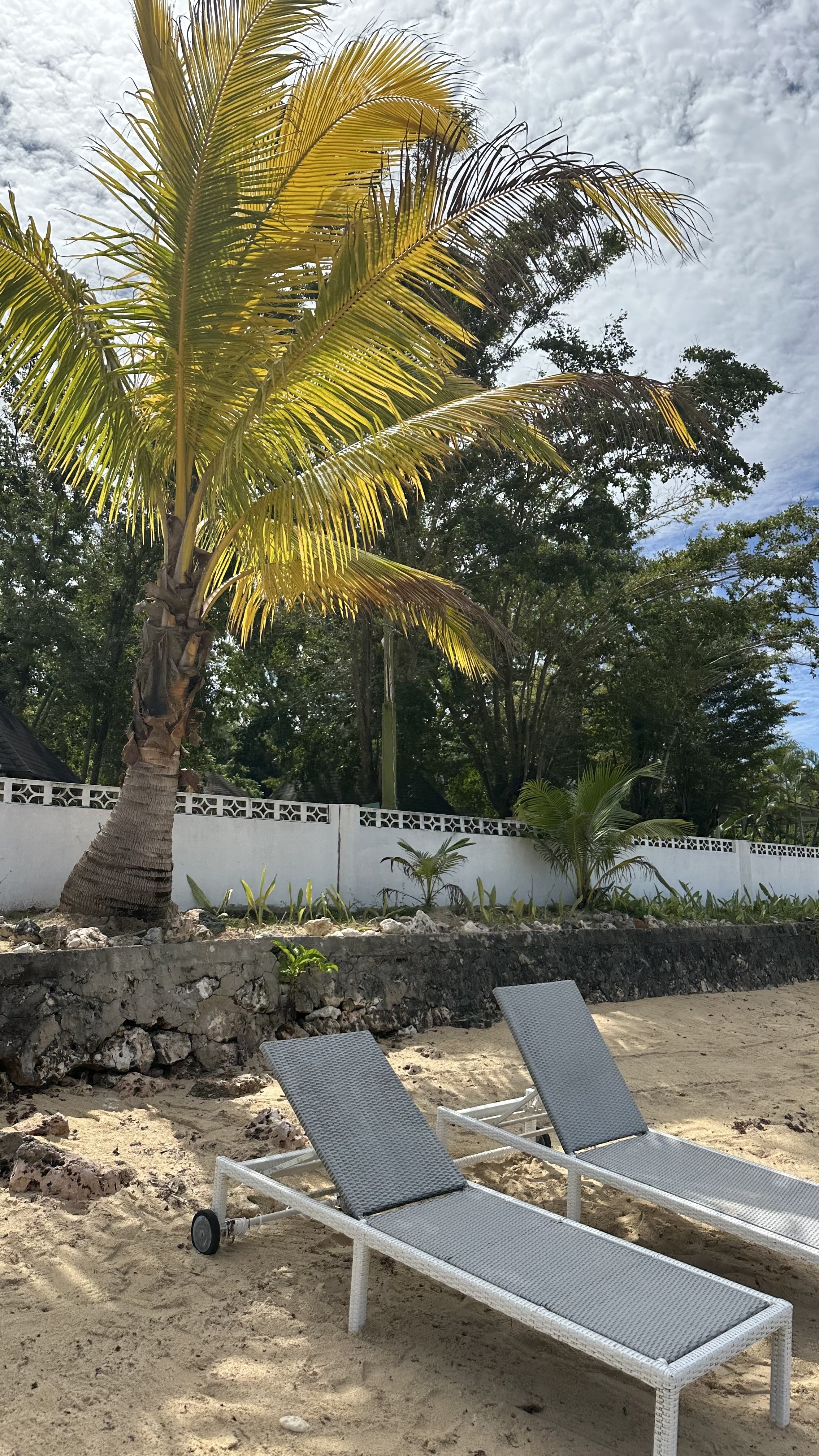
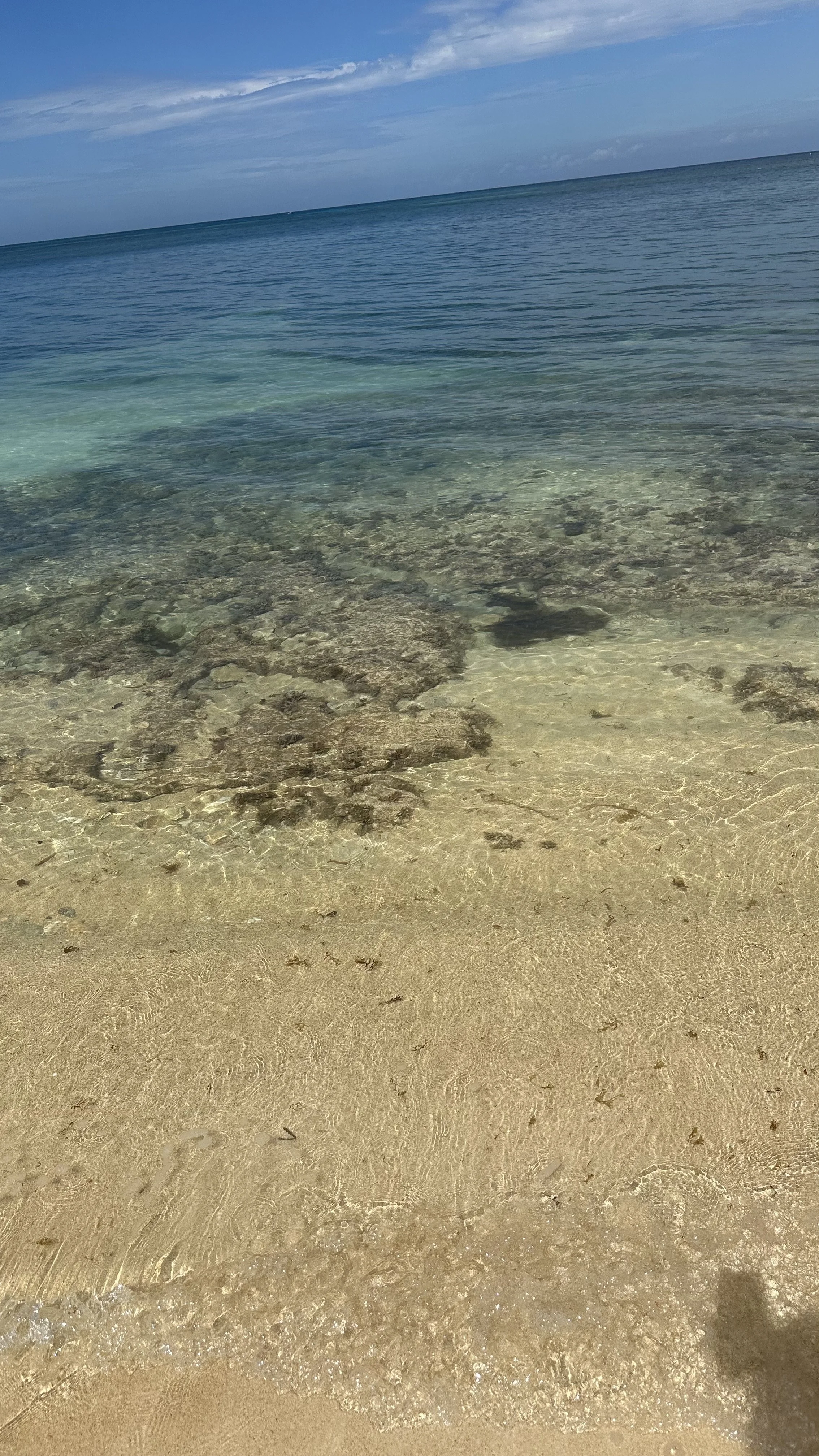
We spent two nights at Papaya Beach Hotel, which is located right on its own small private beach, Papaya Beach—a tiny but very tropical and beautiful spot. The setting is really nice, with a great view and direct access to the private Papaya beach, which is honestly the best part of staying there.
When we visited, about three months after Hurricane Melissa, there were quite a few water and electricity outages, but that was more a general issue in the whole area rather than the hotel itself. The place is a bit wild and not perfectly maintained, but the rooms are nice and the location makes up for it. Despite the small inconveniences, I’d still recommend it as a good base for a couple of nights, especially to enjoy that little beach.
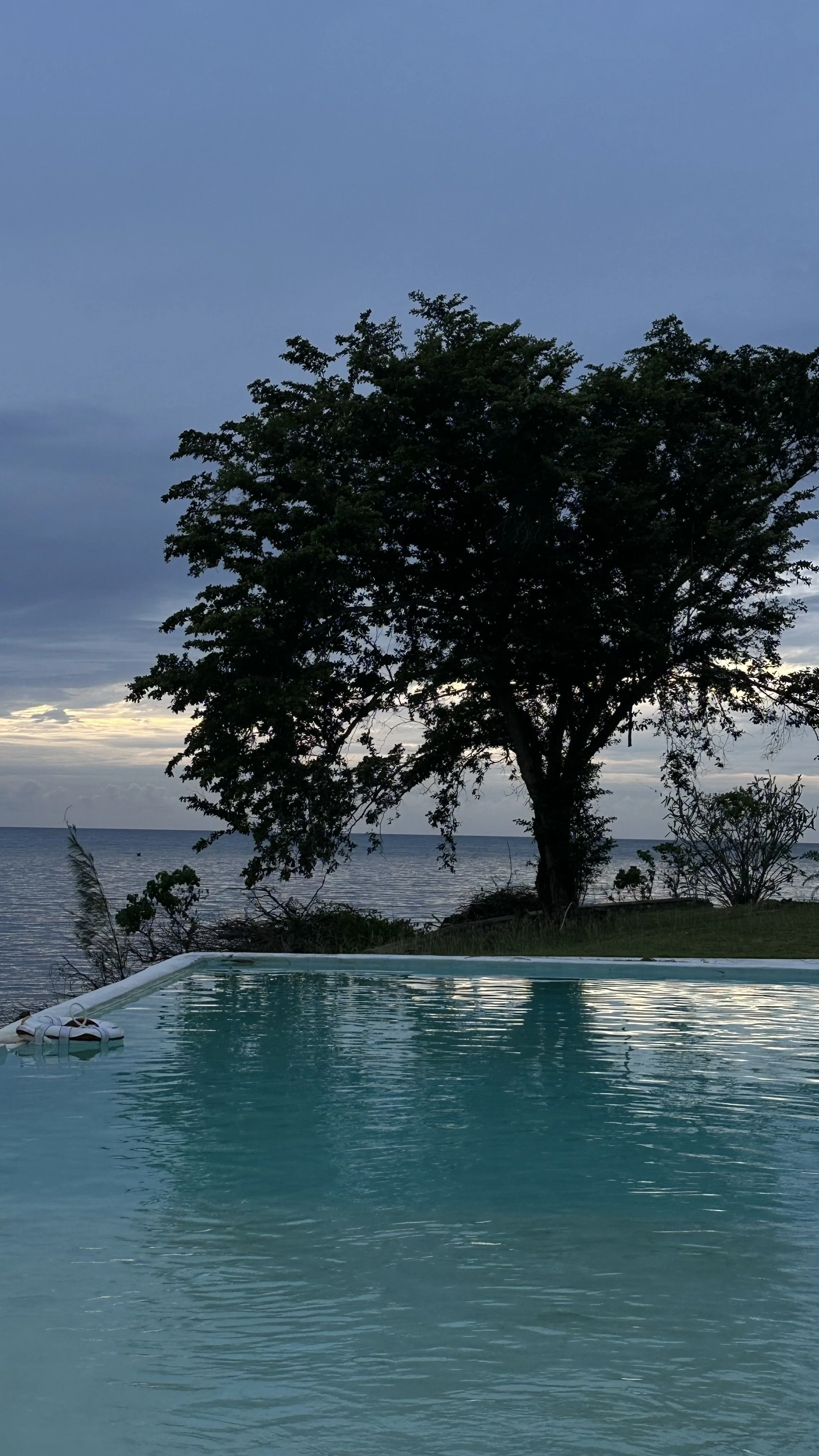
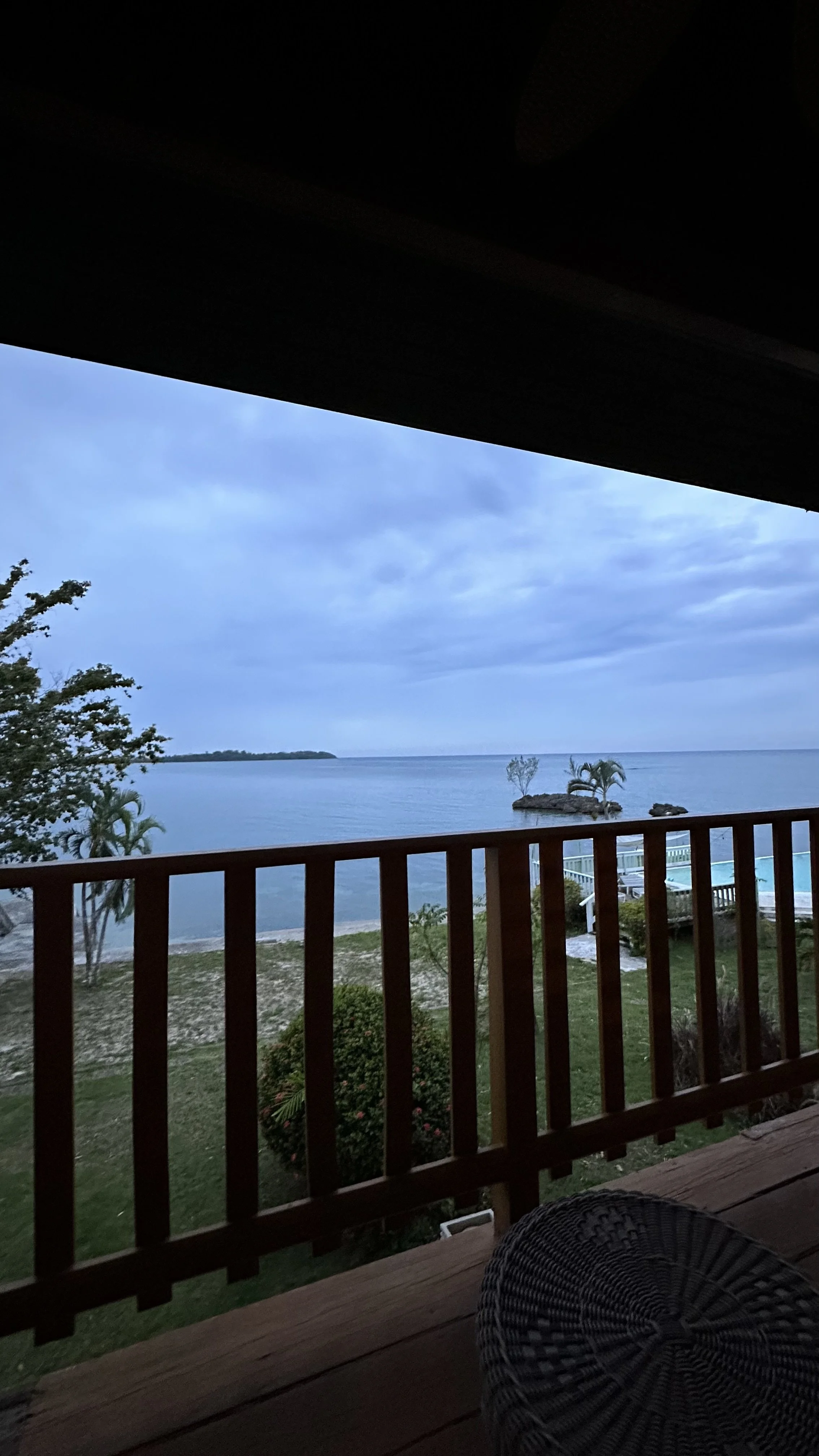
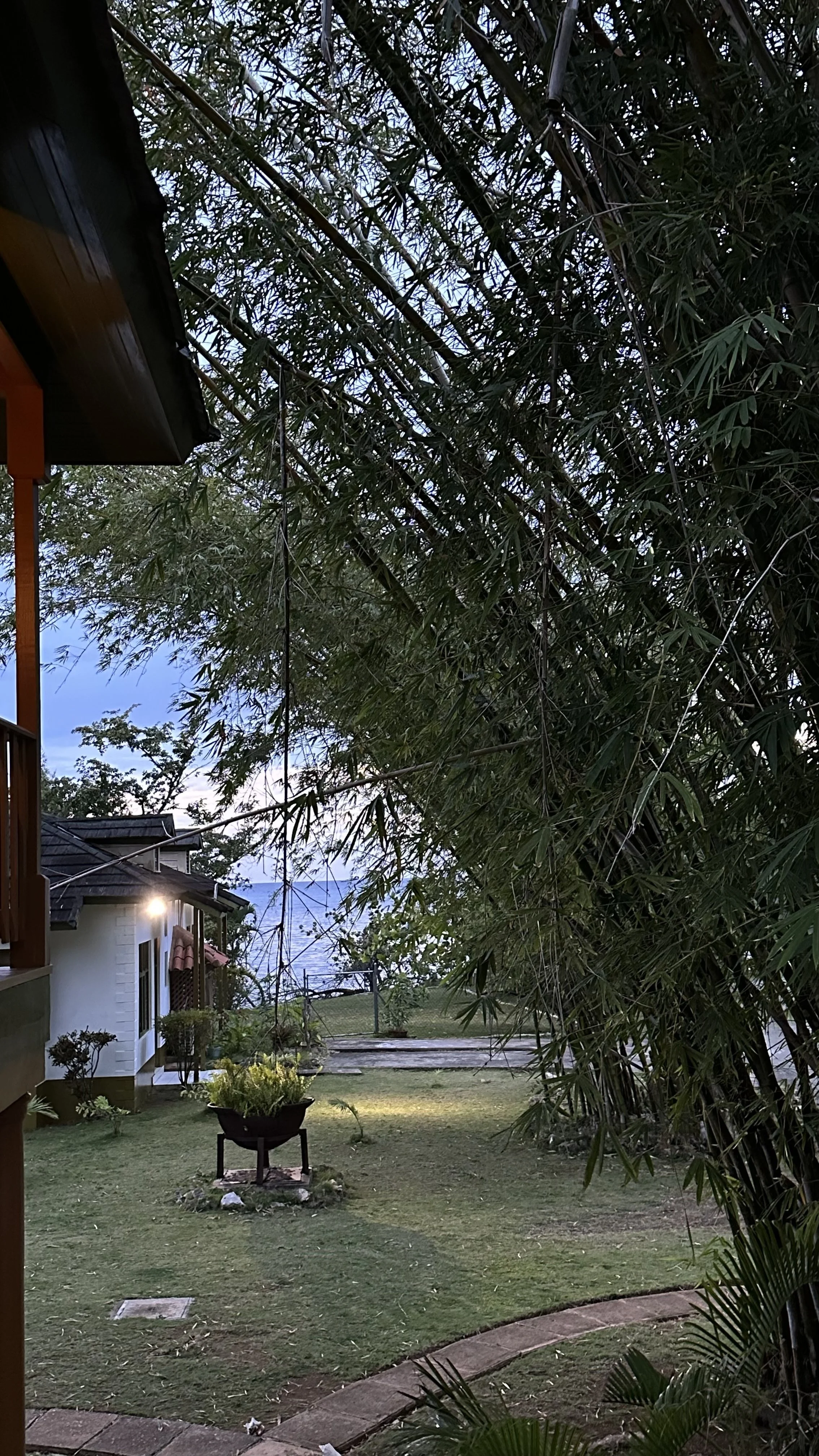
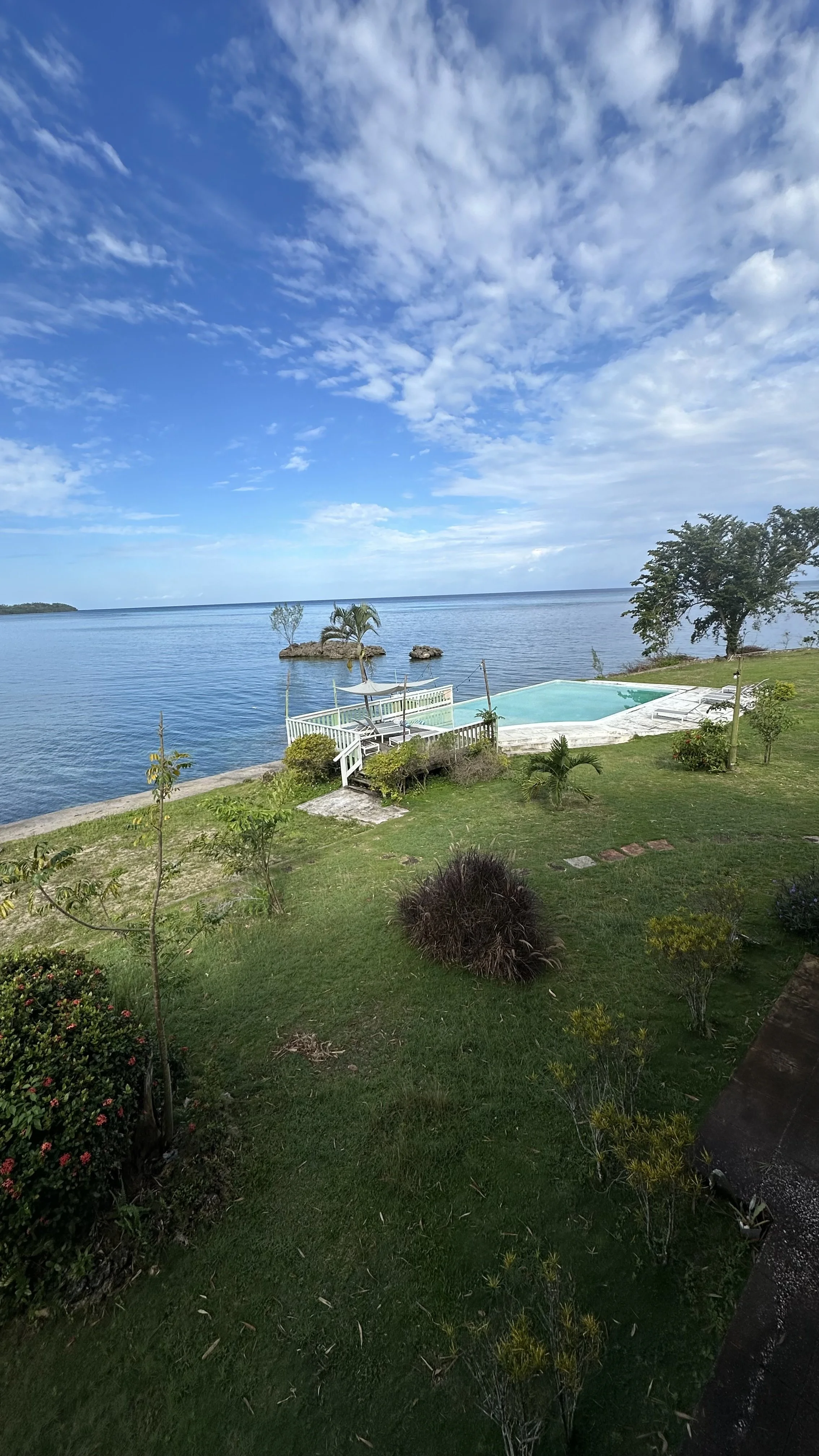
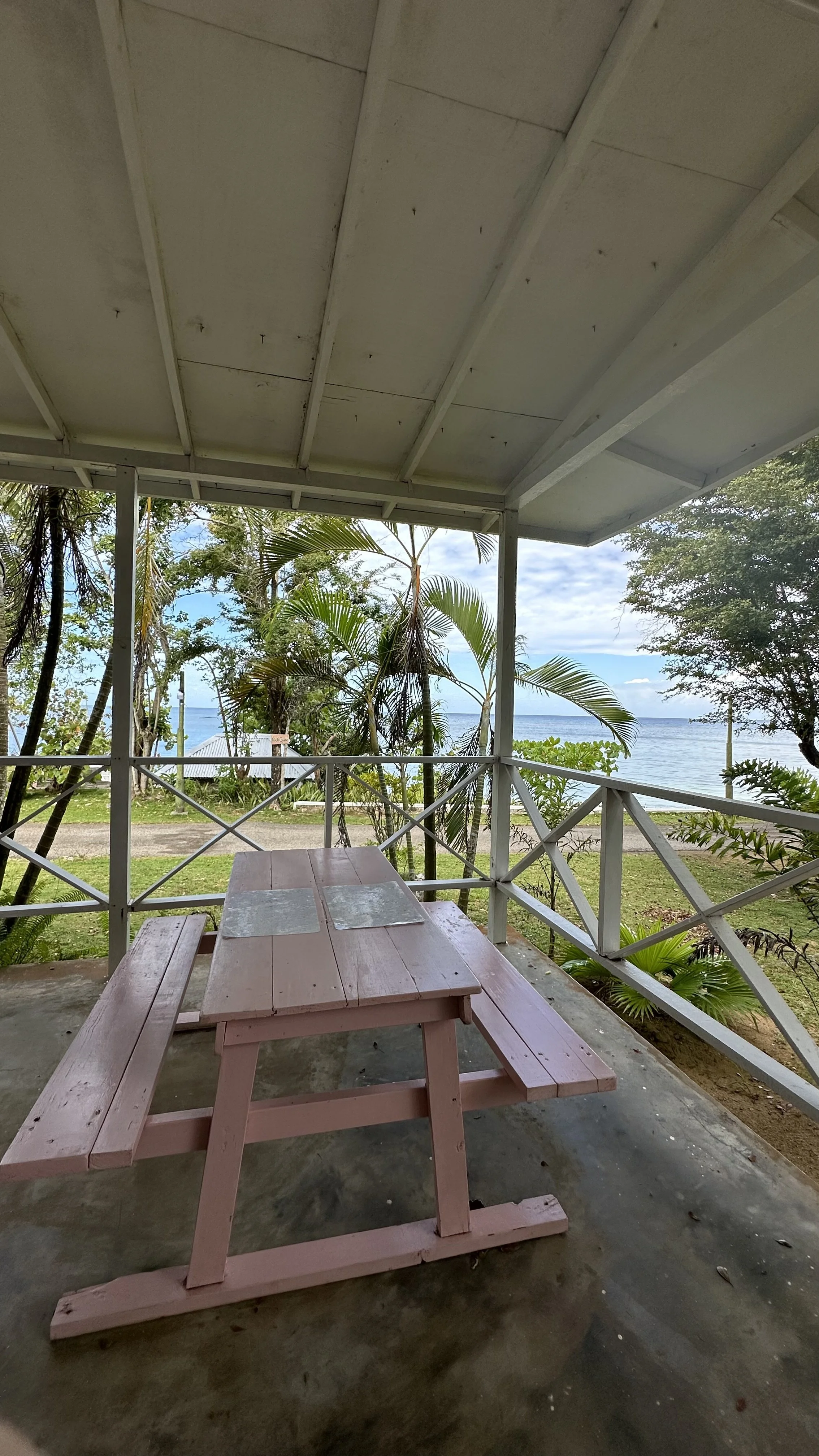
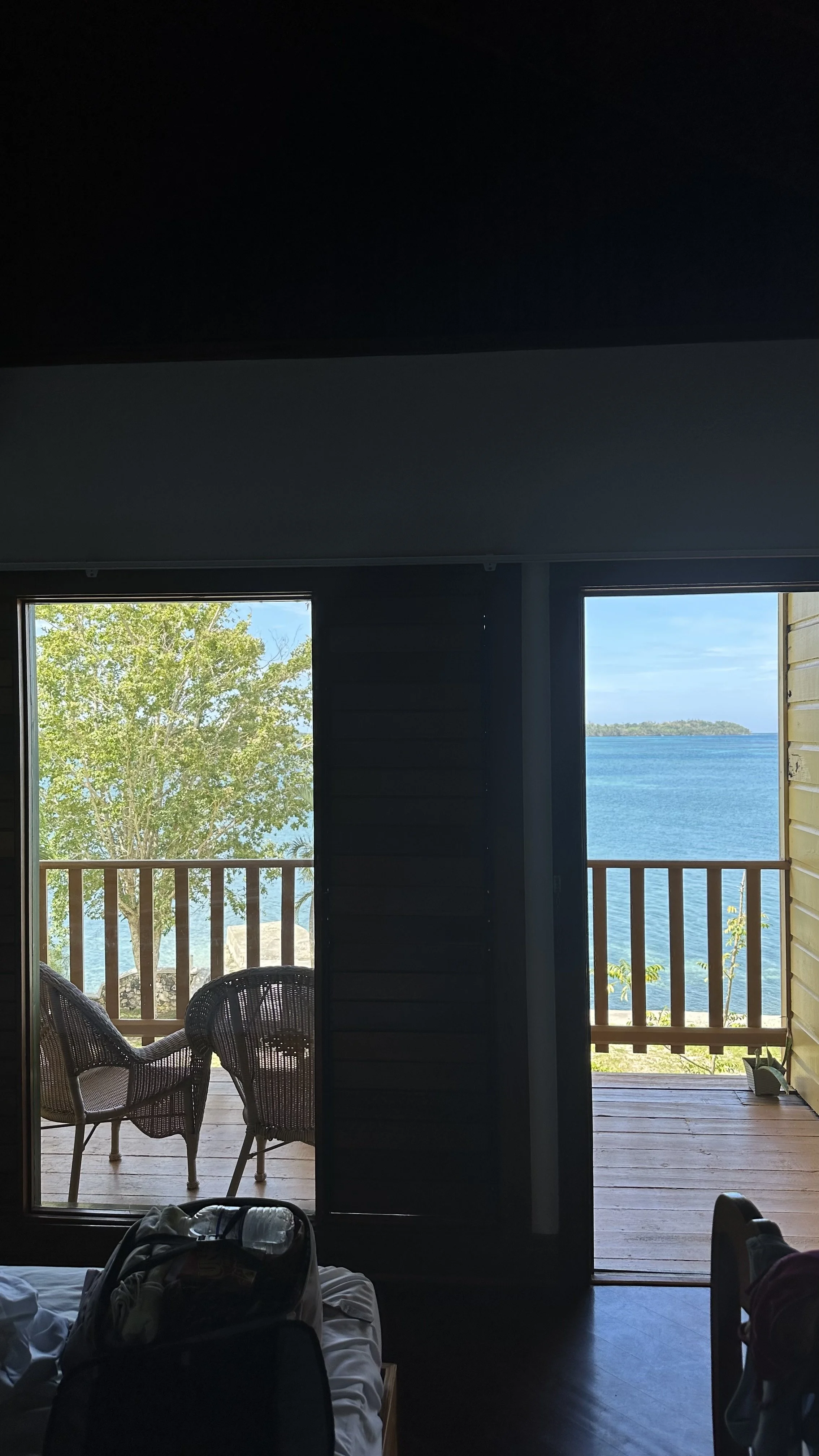
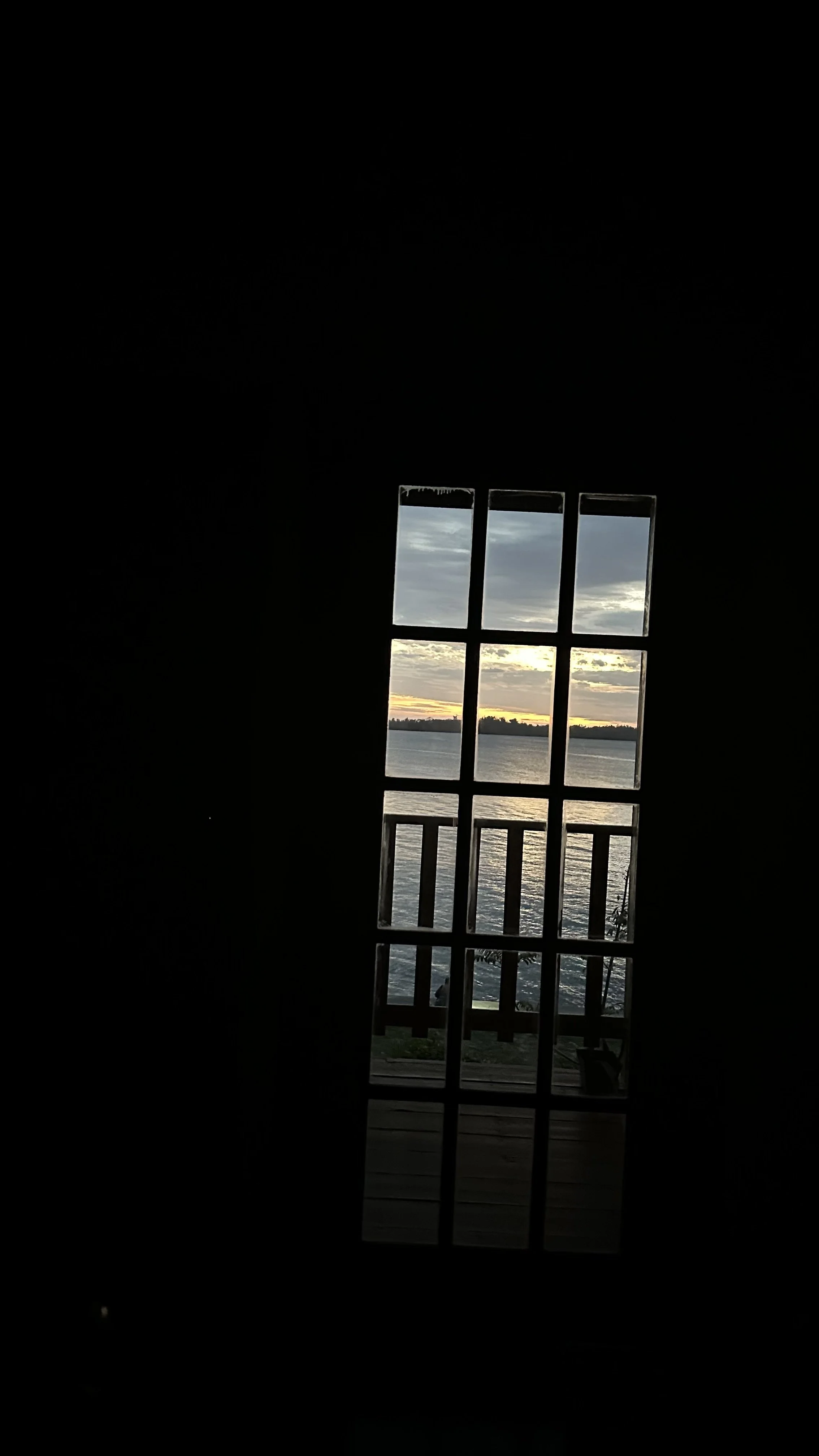
Papaya Beach
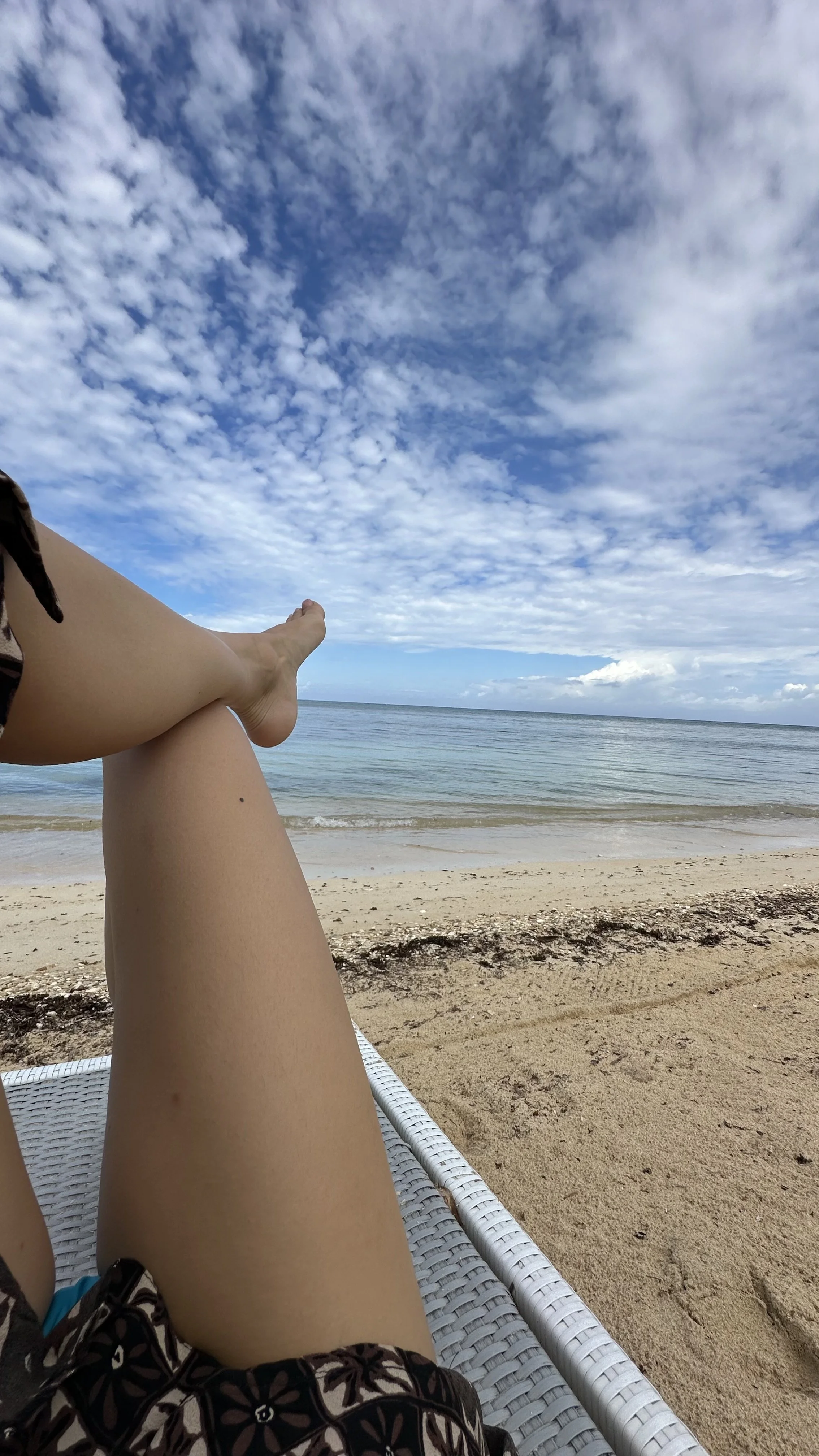
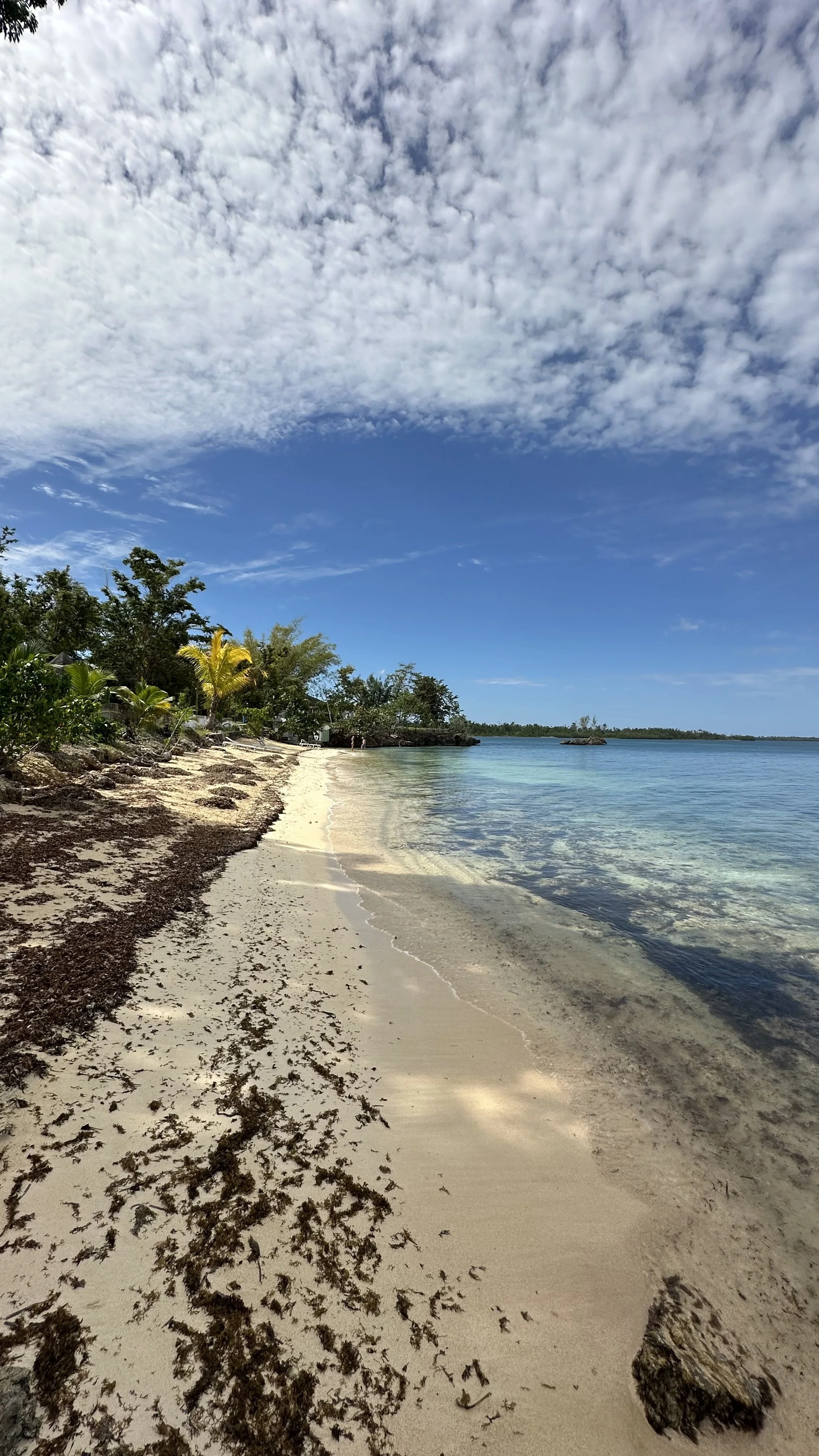
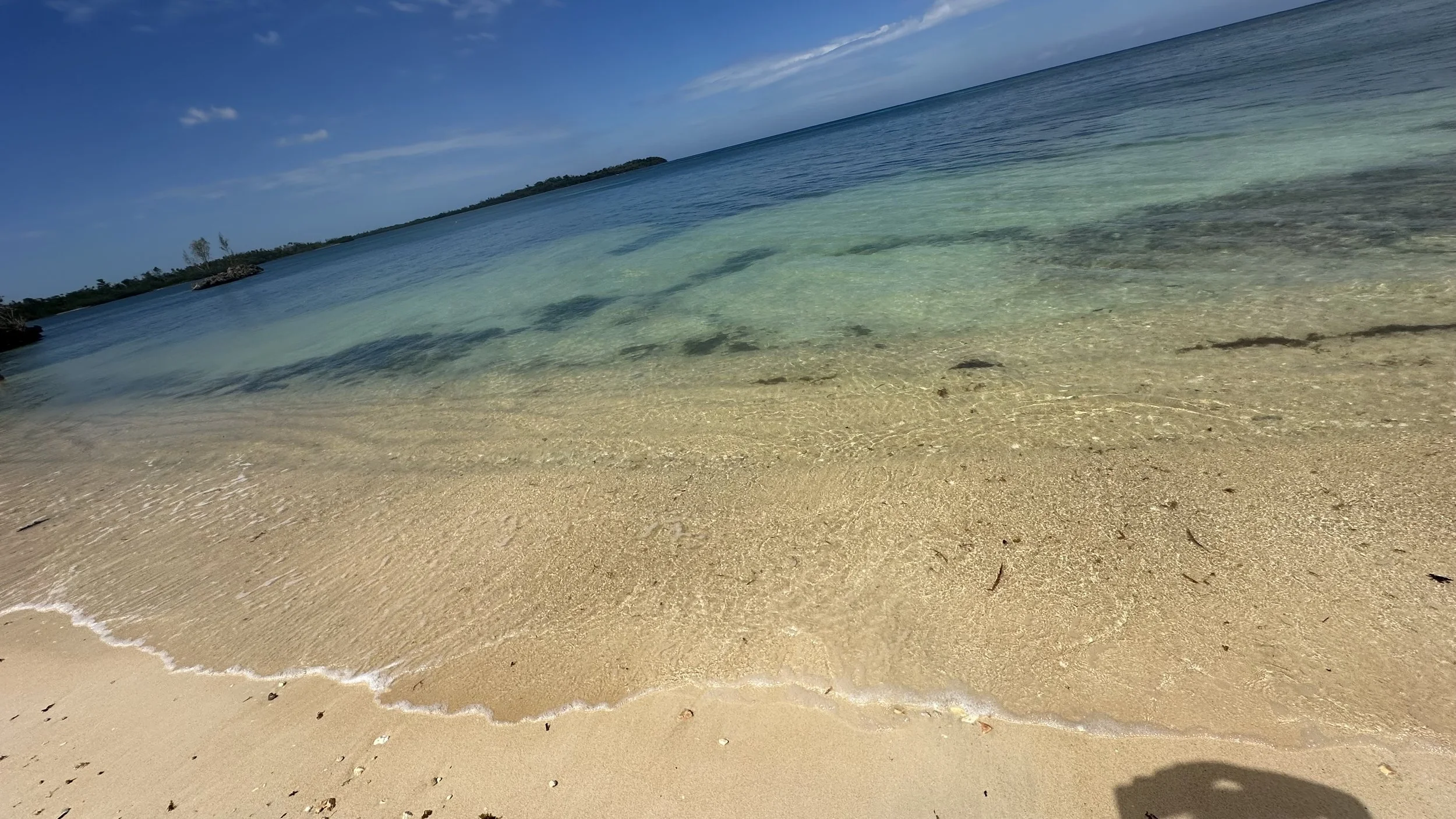
Papaya Beach is a small private beach, accessible only through the hotel (as far as I know), and it’s honestly a little hidden gem. It’s very tropical, with crystal-clear water and a super peaceful atmosphere—you’ll most likely have it almost all to yourself. It’s the kind of place where you can just spend the day relaxing, swimming, and doing nothing else. To be honest, the hotel is worth it mostly for this beach alone, because it’s really what makes the whole stay special.
Dinner in Negril
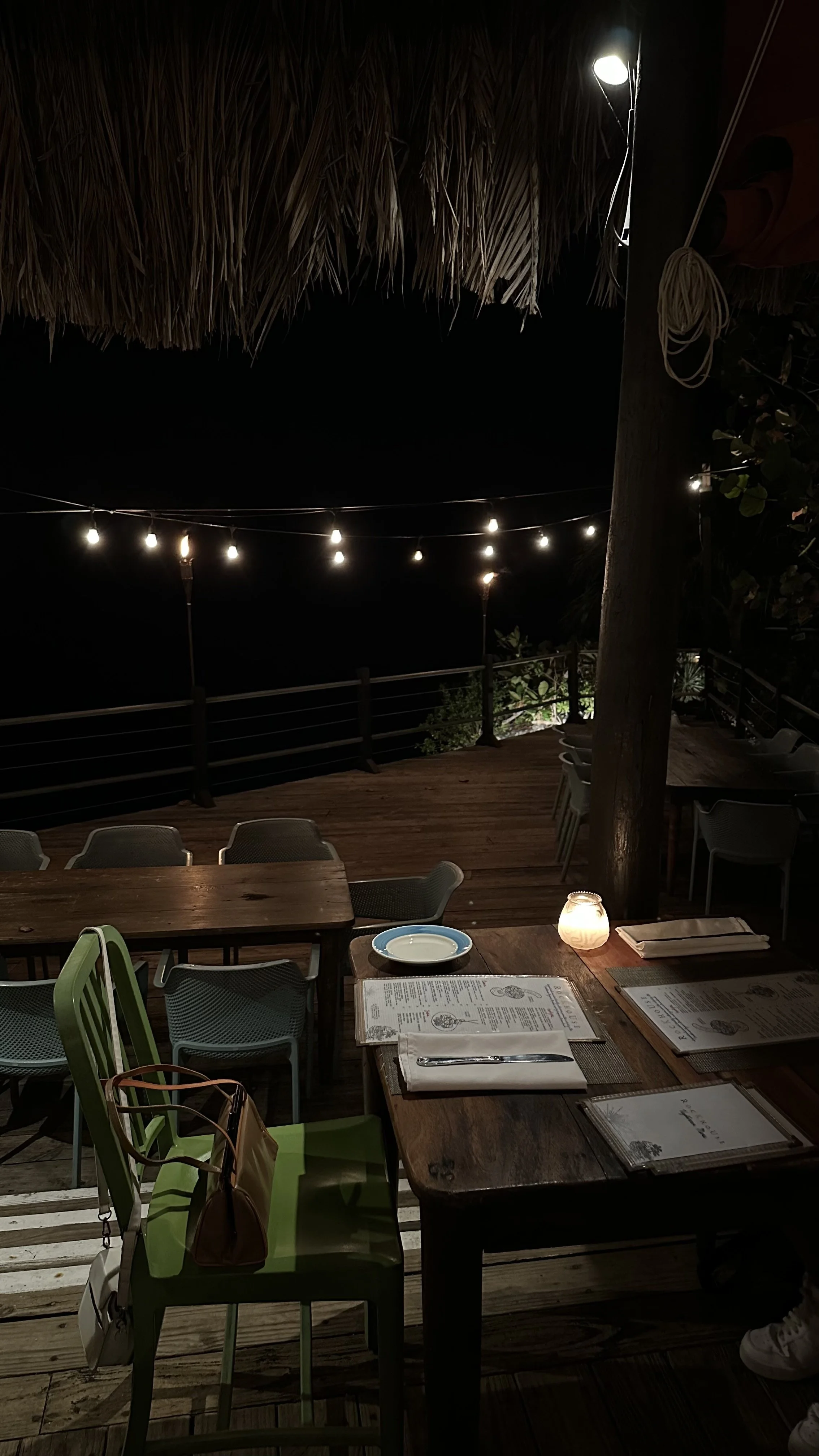
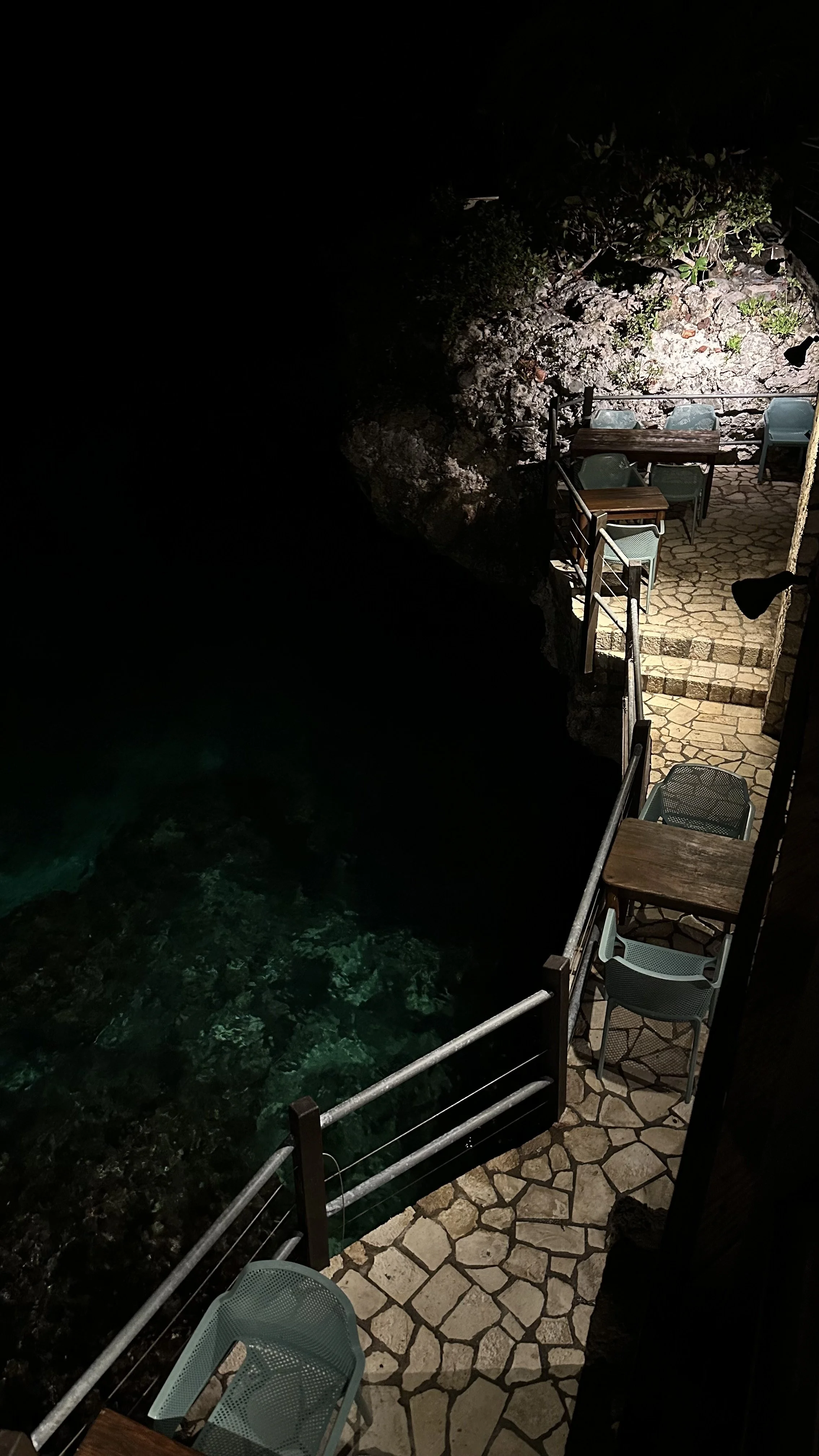
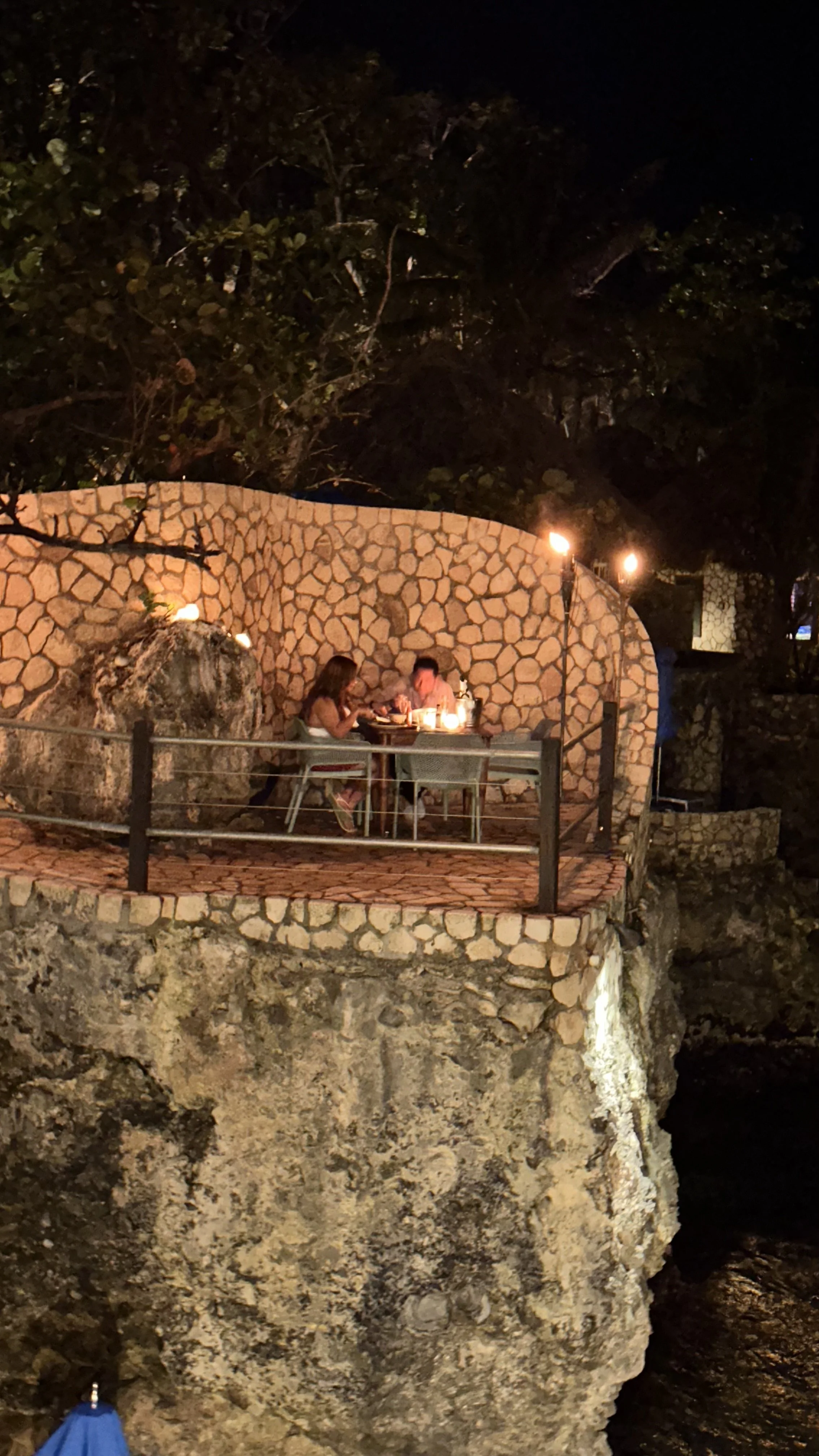
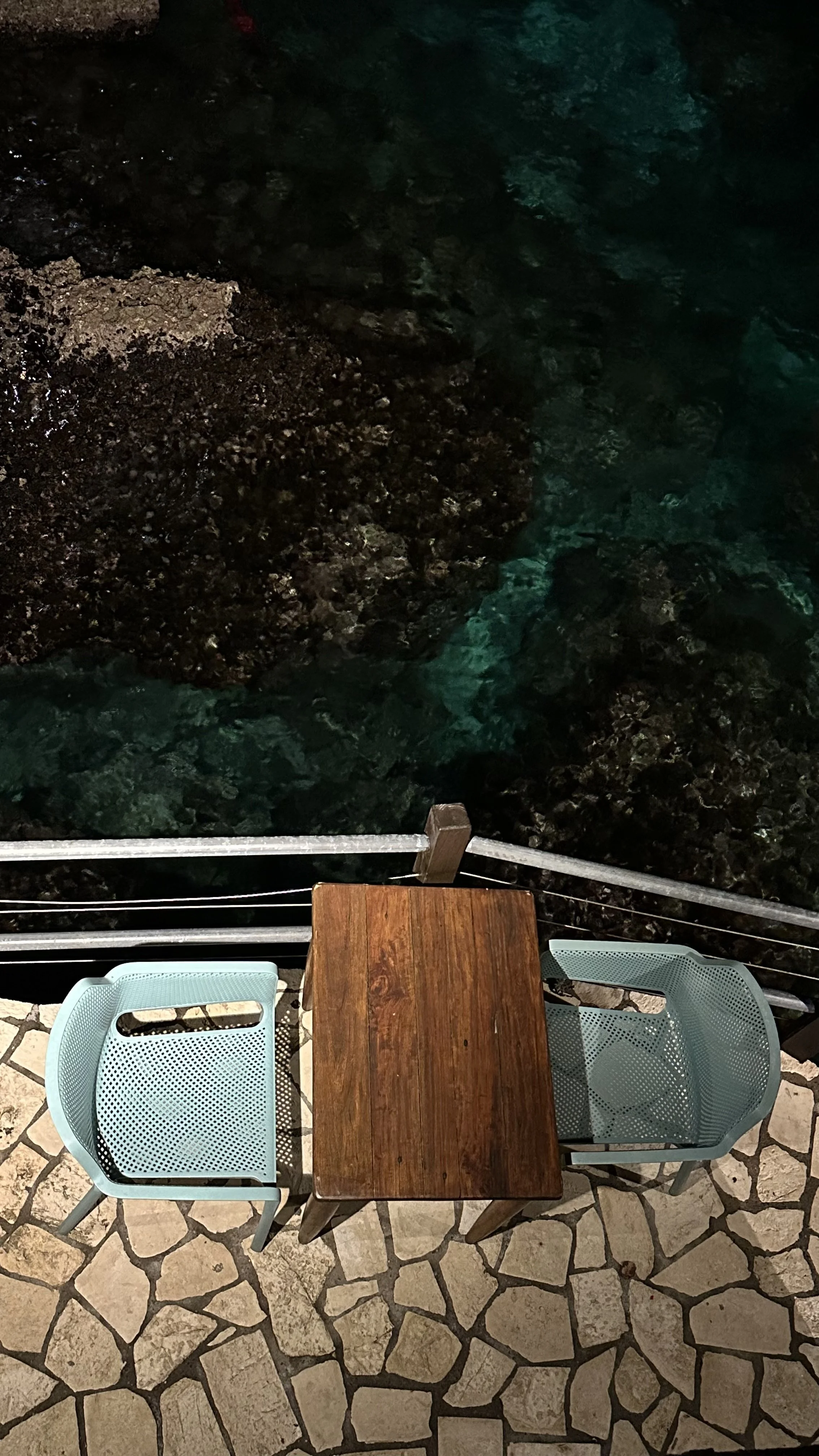
If you’re in Negril, one option for dinner in Rockhouse Restaurant. This area is very touristy, so it’s quite hard to avoid more international-style places. You know I don’t usually recommend these kinds of experiences, but in this case, it’s still a nice spot compared to others around. It’s definitely more chic and curated than most places you’ll find across Jamaica. That said, it’s not a local experience at all—the food is quite international, and the atmosphere doesn’t really reflect the Jamaican vibe. Still, the food was good, so if you’re looking for something a bit more polished for one evening, it can be a good option.
Day 10
Half Moon Beach
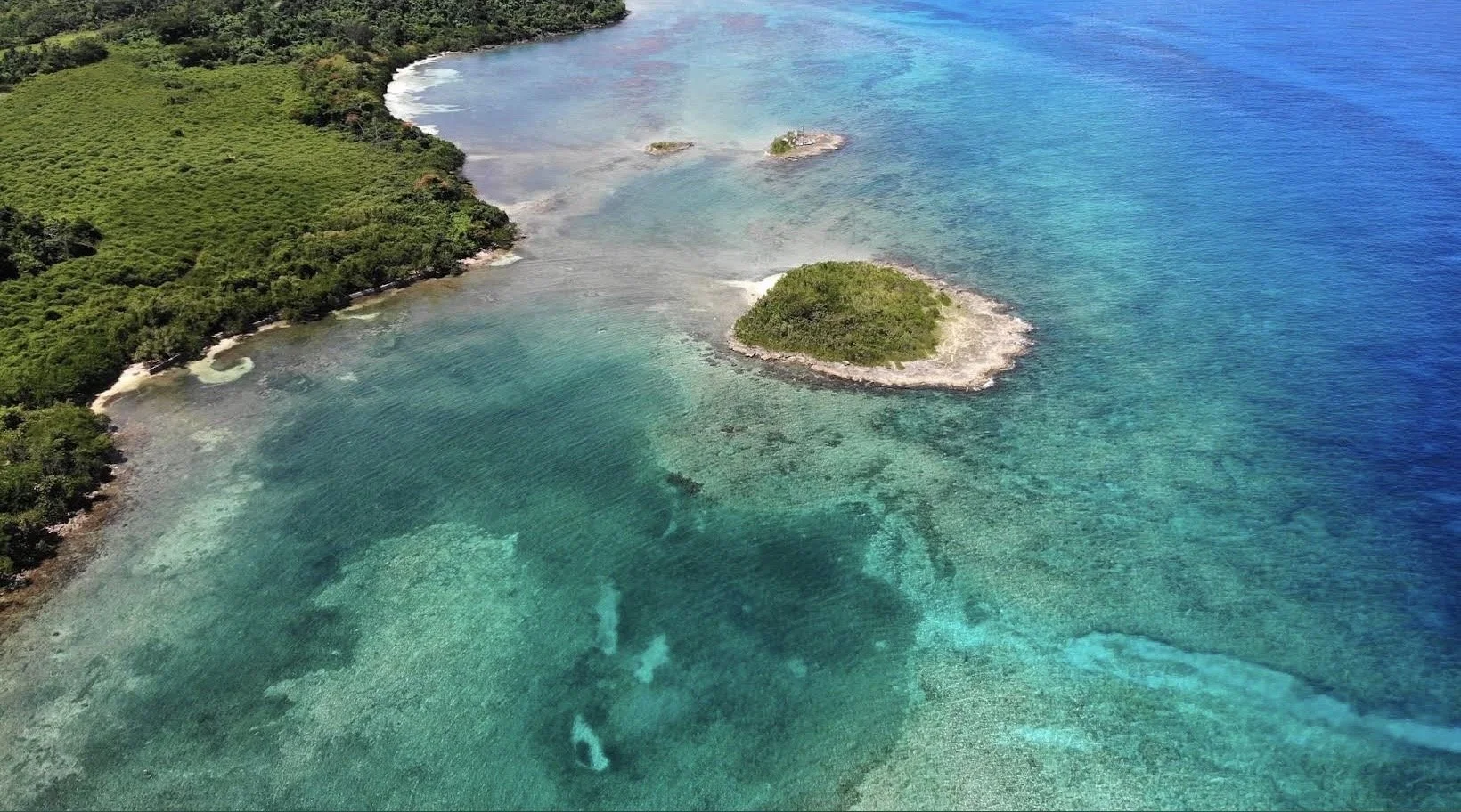
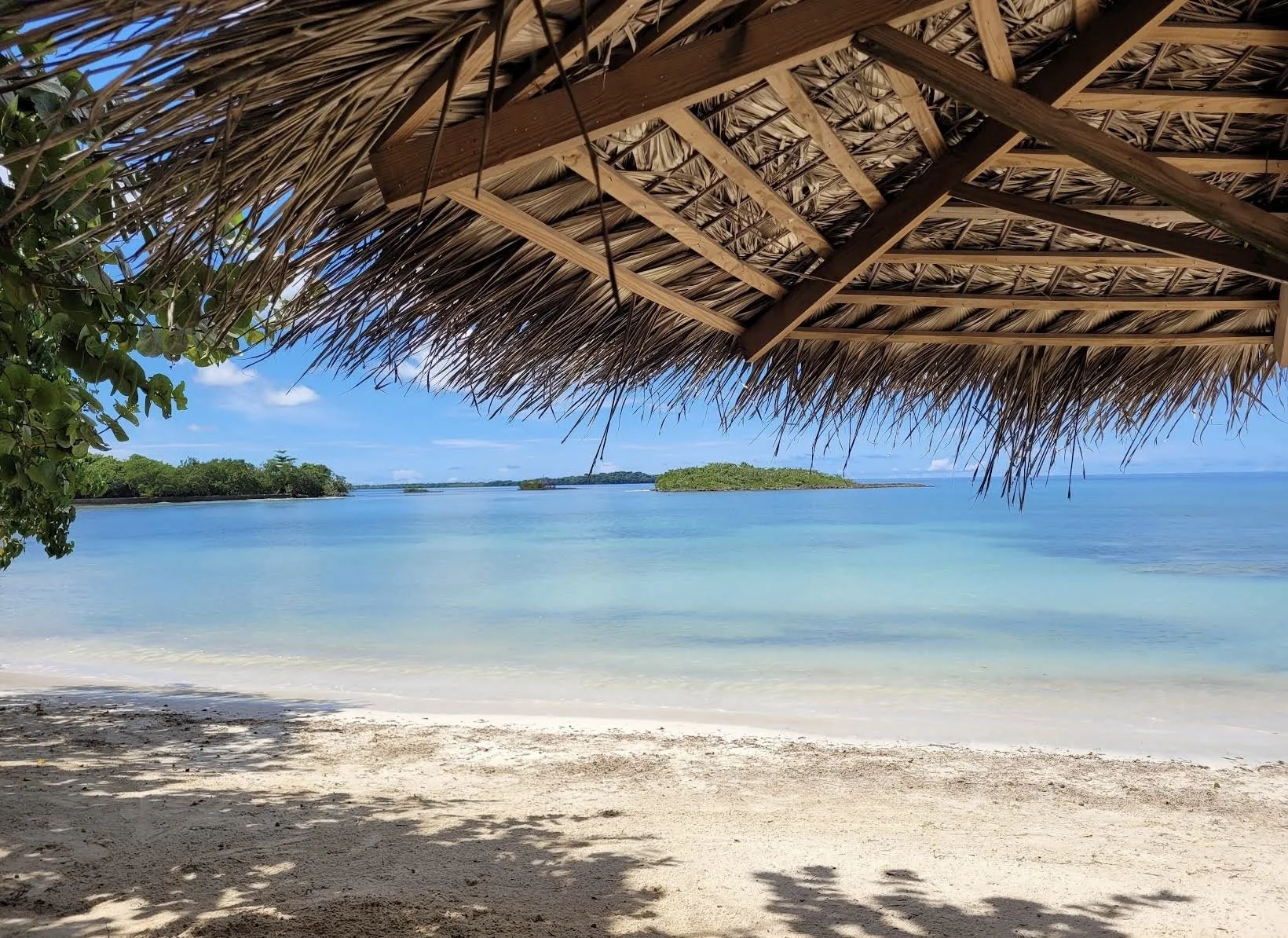
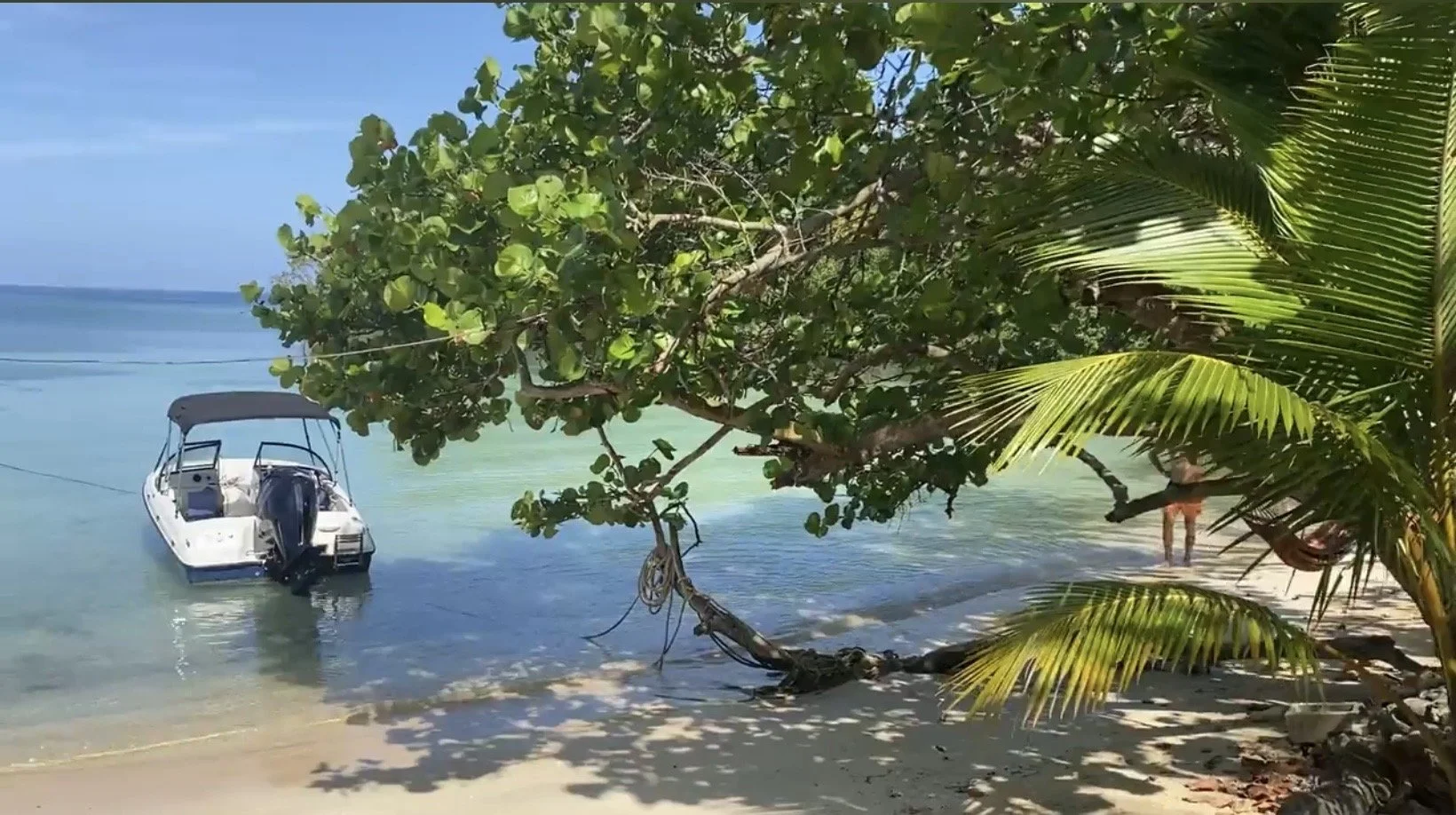
Half Moon Beach
Spending some relaxing time at Half Moon Beach is a great way to escape the more touristy areas of Negril. It’s a quieter, more hidden spot, far from the crowds, where you can just slow down and enjoy the sea and the peaceful vibe. We chose to stay here in the first part of the day, taking it easy before heading later toward Negril, where things get more lively and busy. It’s the perfect balance between calm and energy in the same day.
Seven Mile Beach: eat at Flag City
After a relaxed morning, you can move in the afternoon to Seven Mile Beach, which is where most locals in the area actually go. You won’t find many tourists here—if you do, they’re usually inside resorts or more touristy beachfront spots.
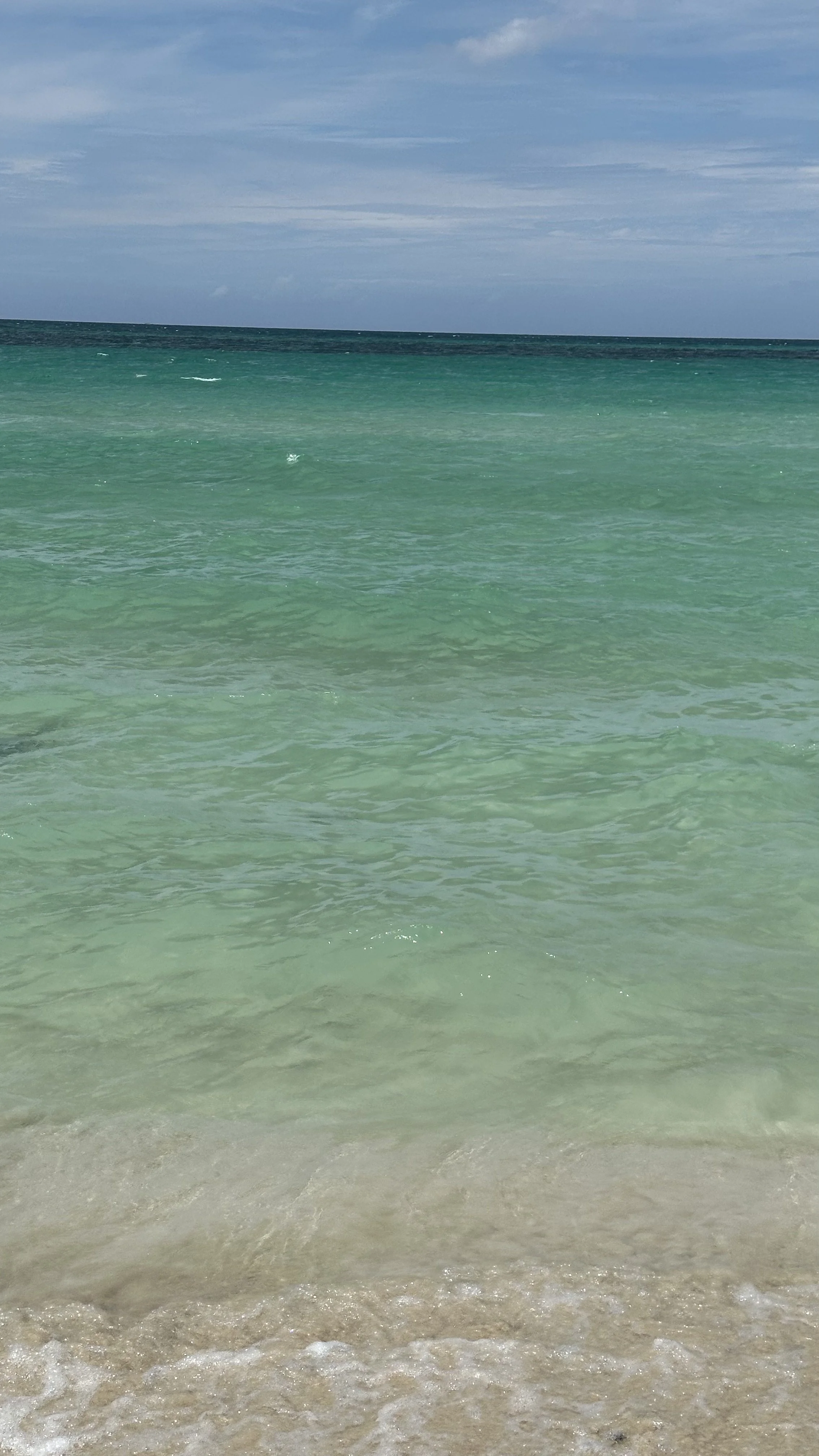
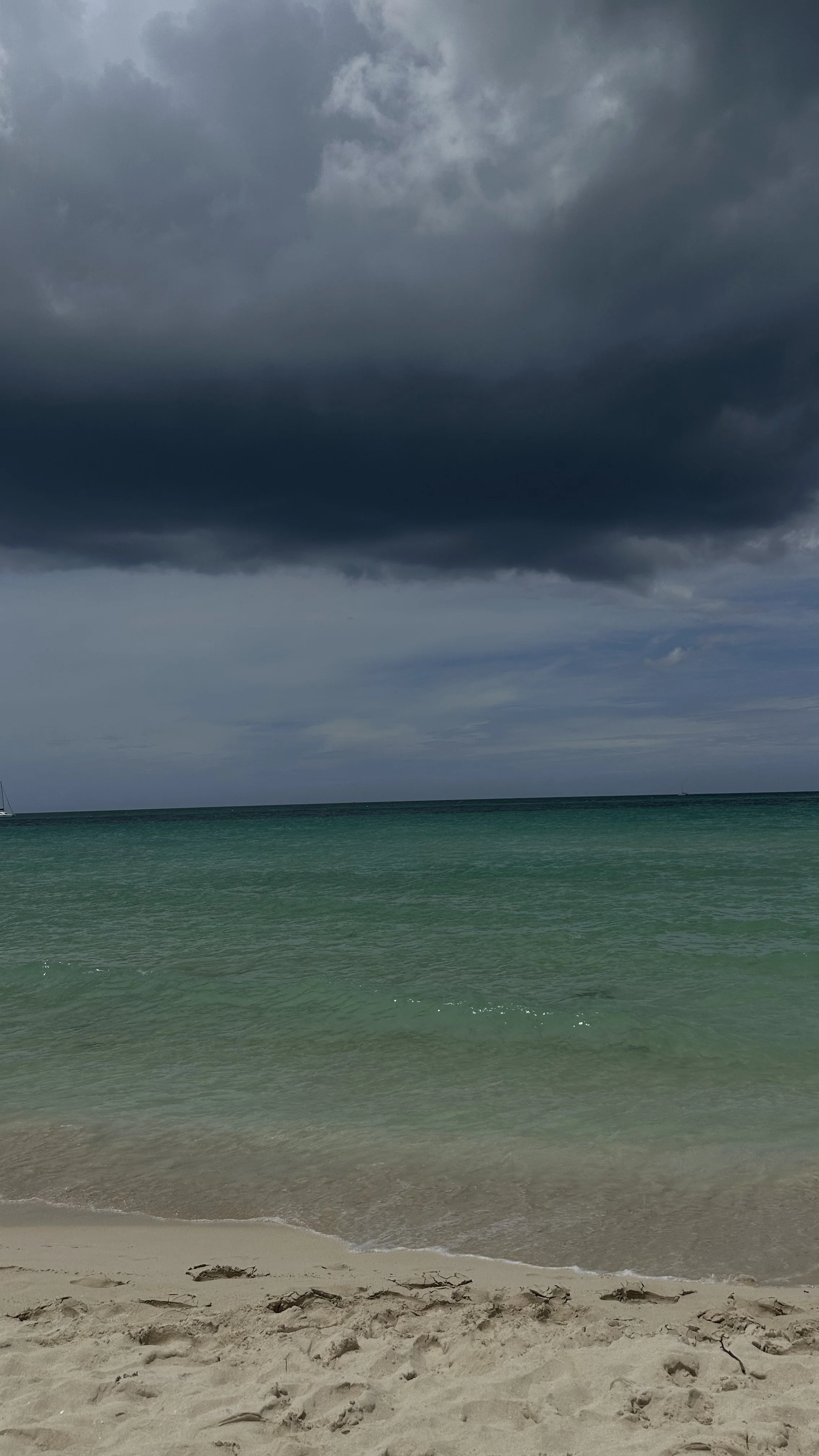
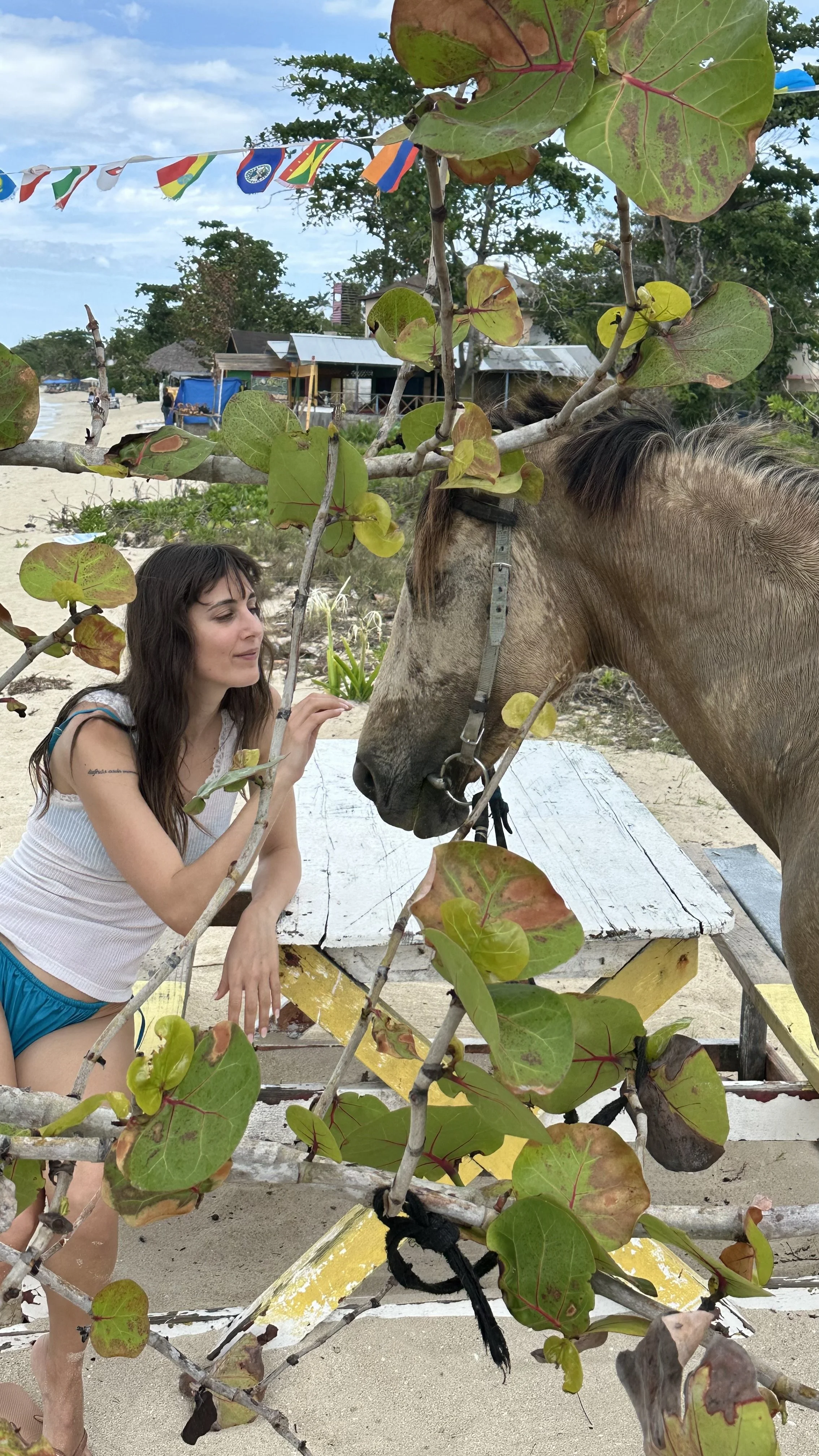
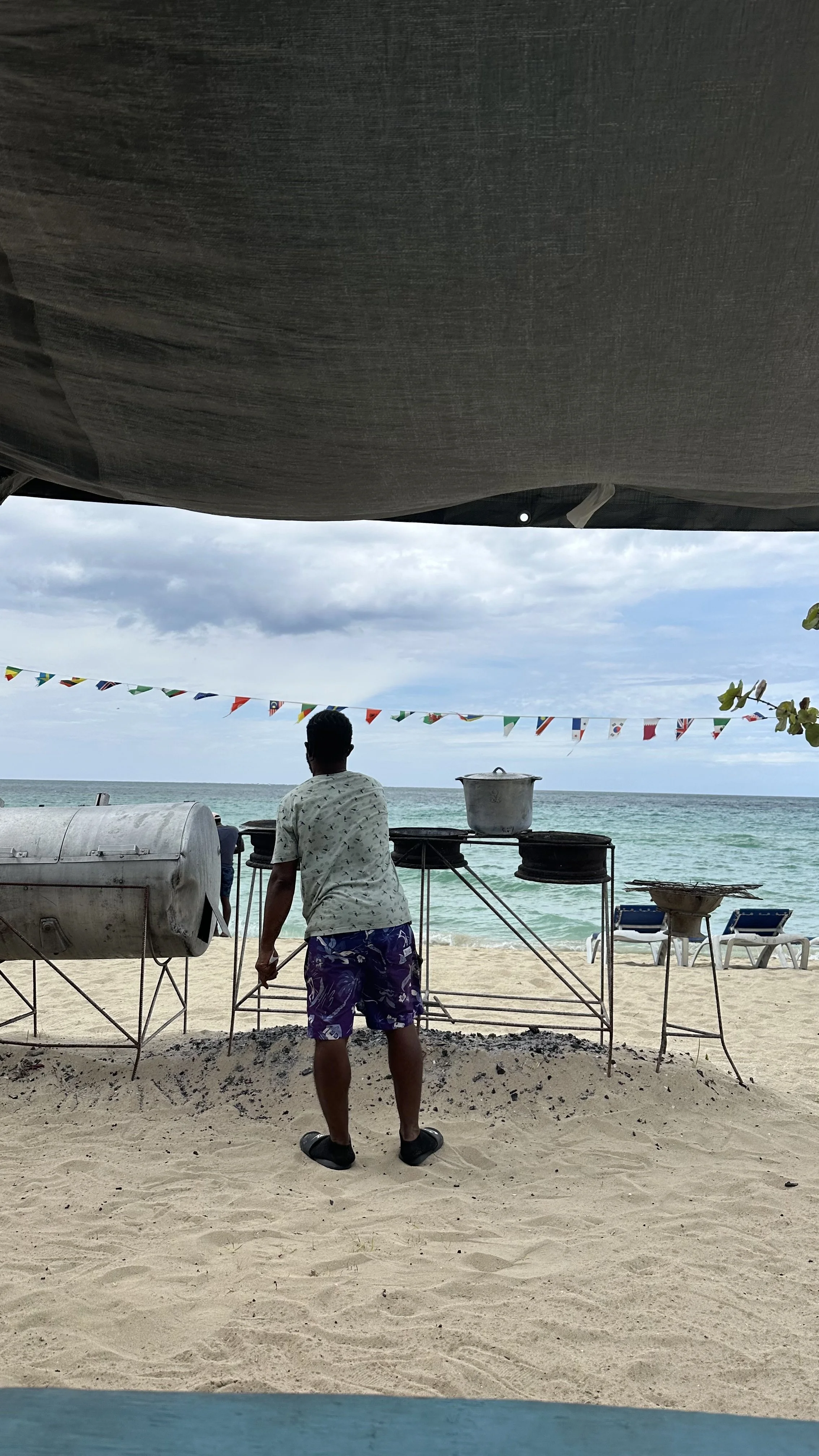
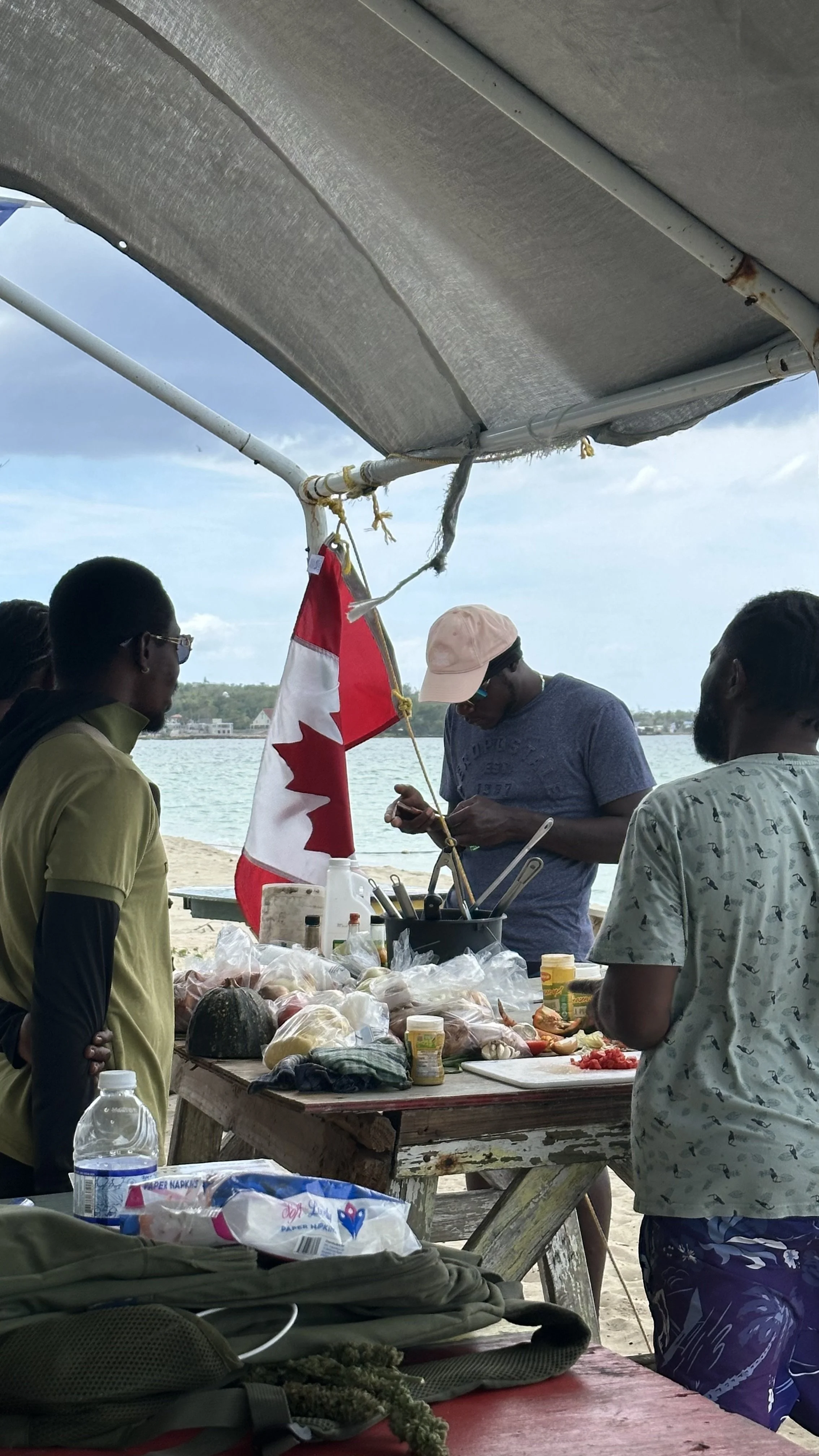
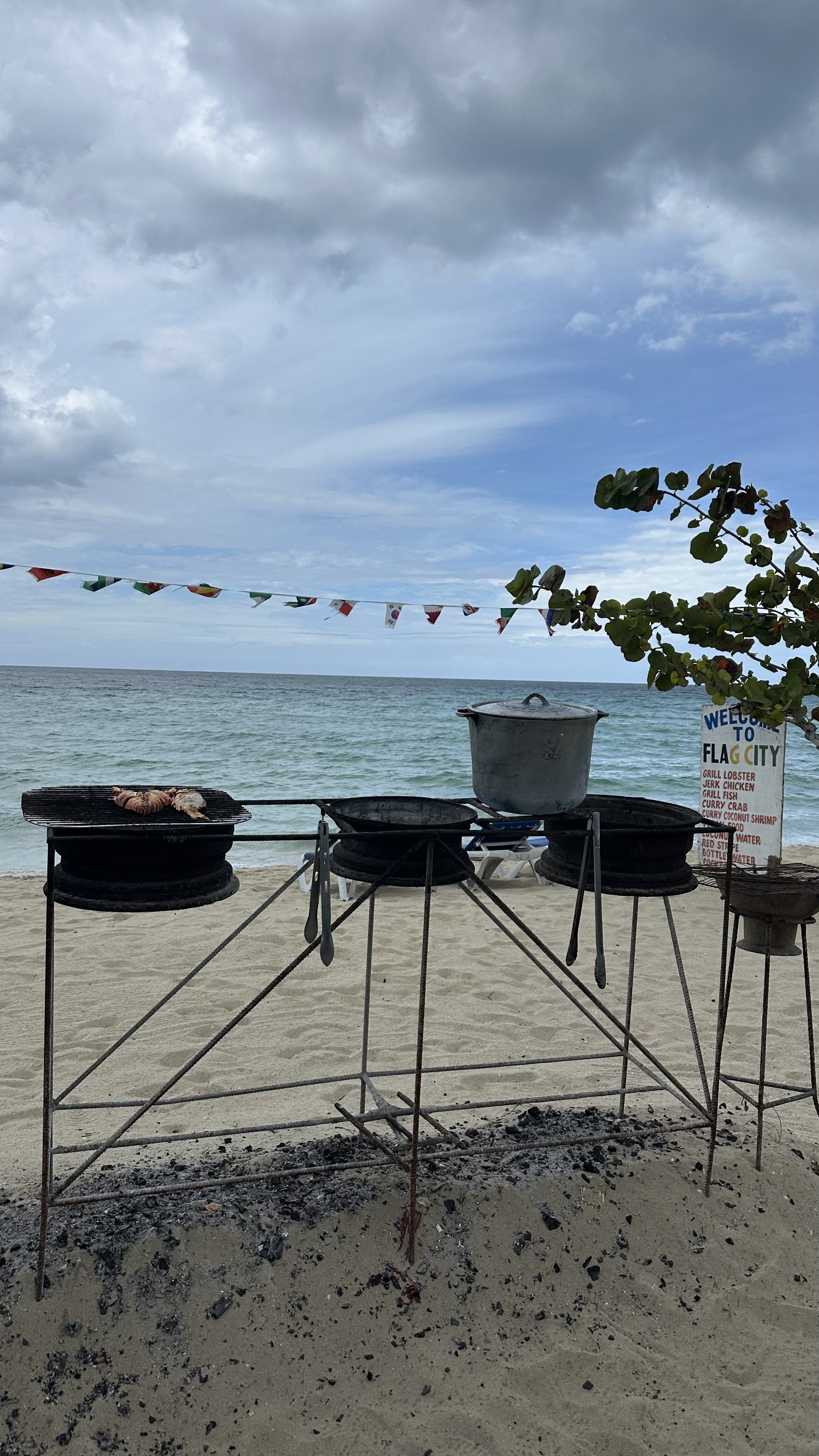
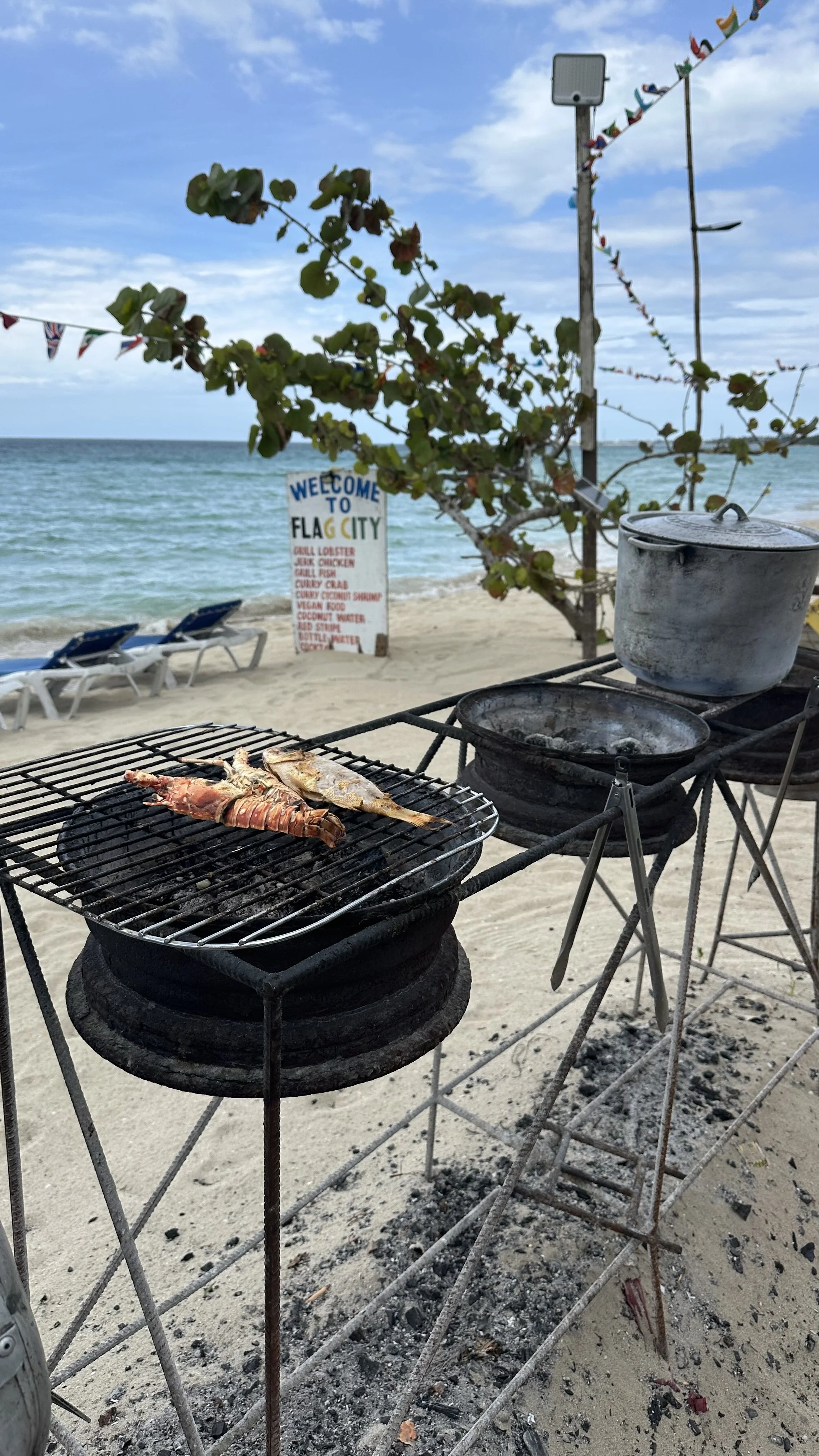
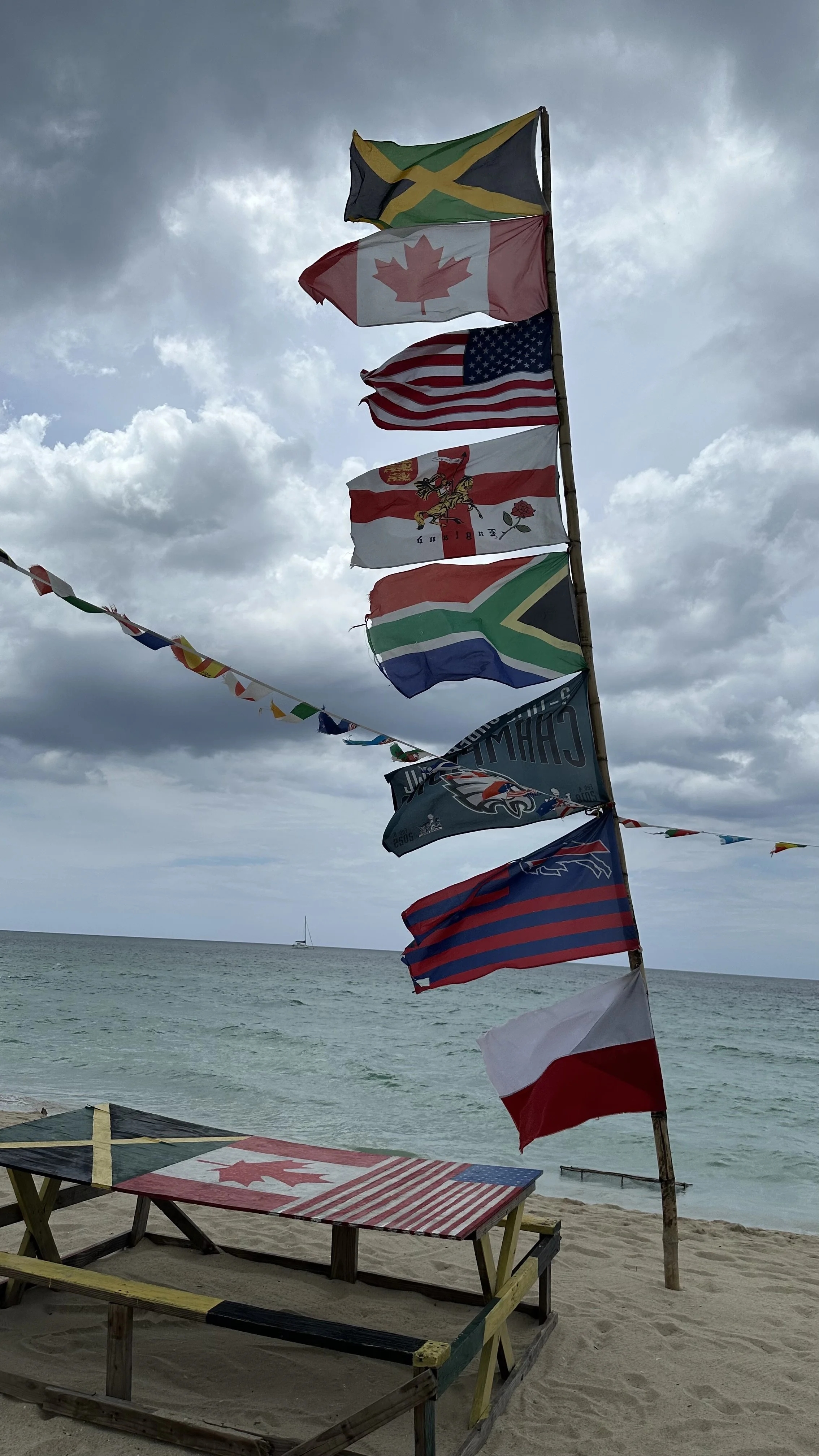
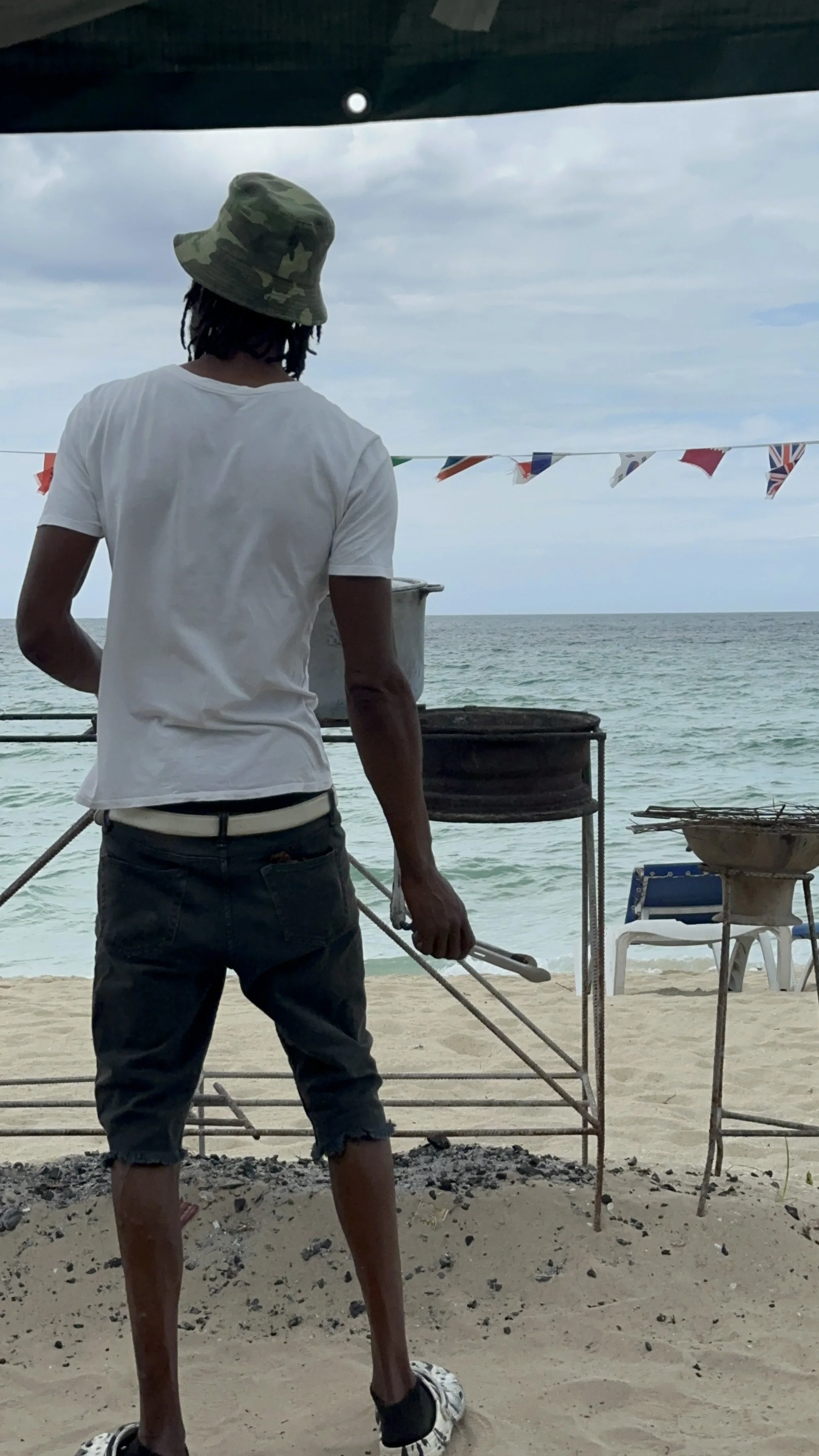
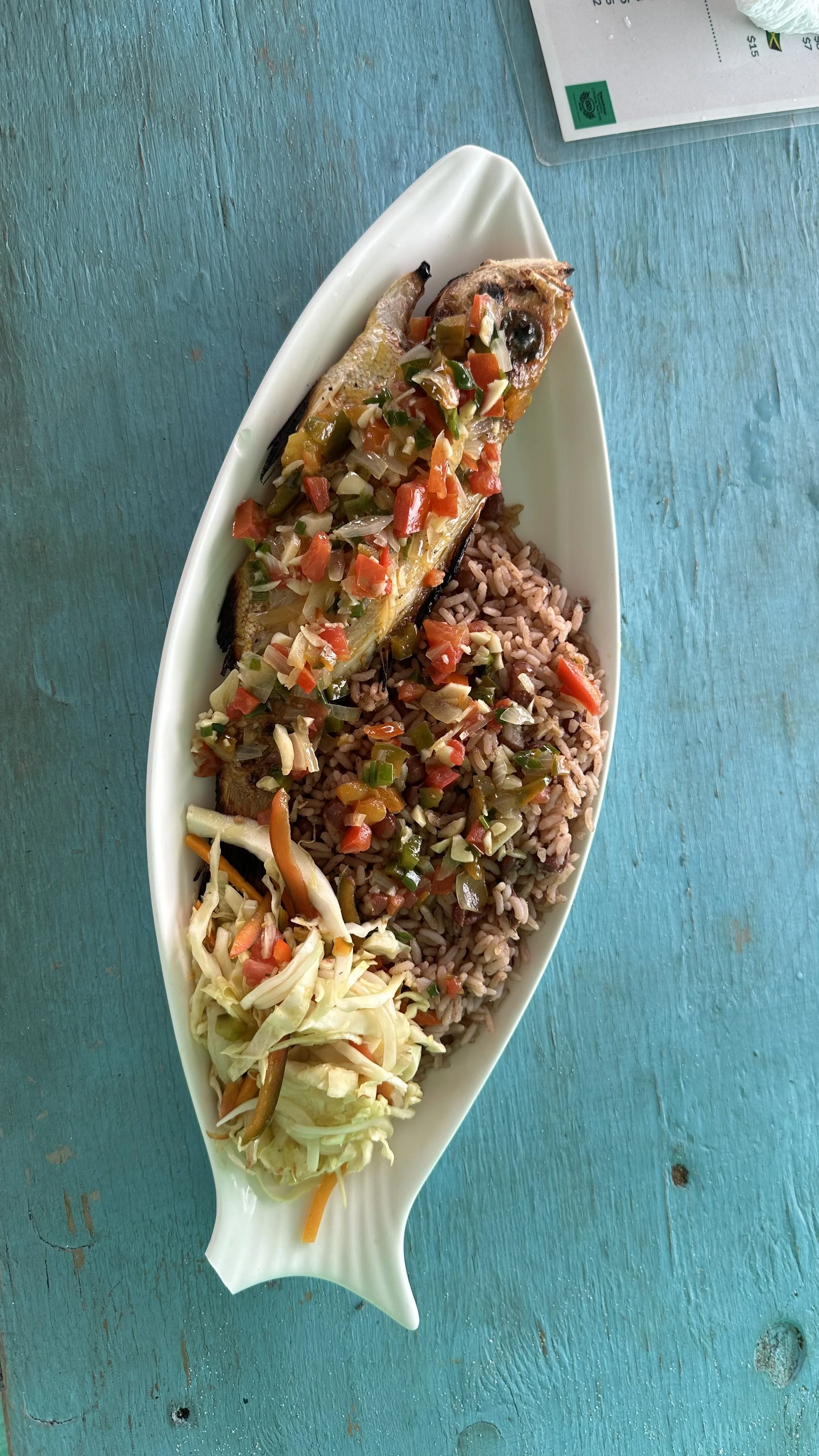
For a more local experience, I’d recommend stopping at a small seafood place called Flag City. They cook everything fresh on the spot, using these improvised barbecues made from old car rims, which makes it even more unique. The guys running it are super friendly, always playing music, dancing, and creating a really fun atmosphere. You can get both fresh fish and meat, all cooked right there—it’s simple, local, and really good.
Hidden farmer’s Market
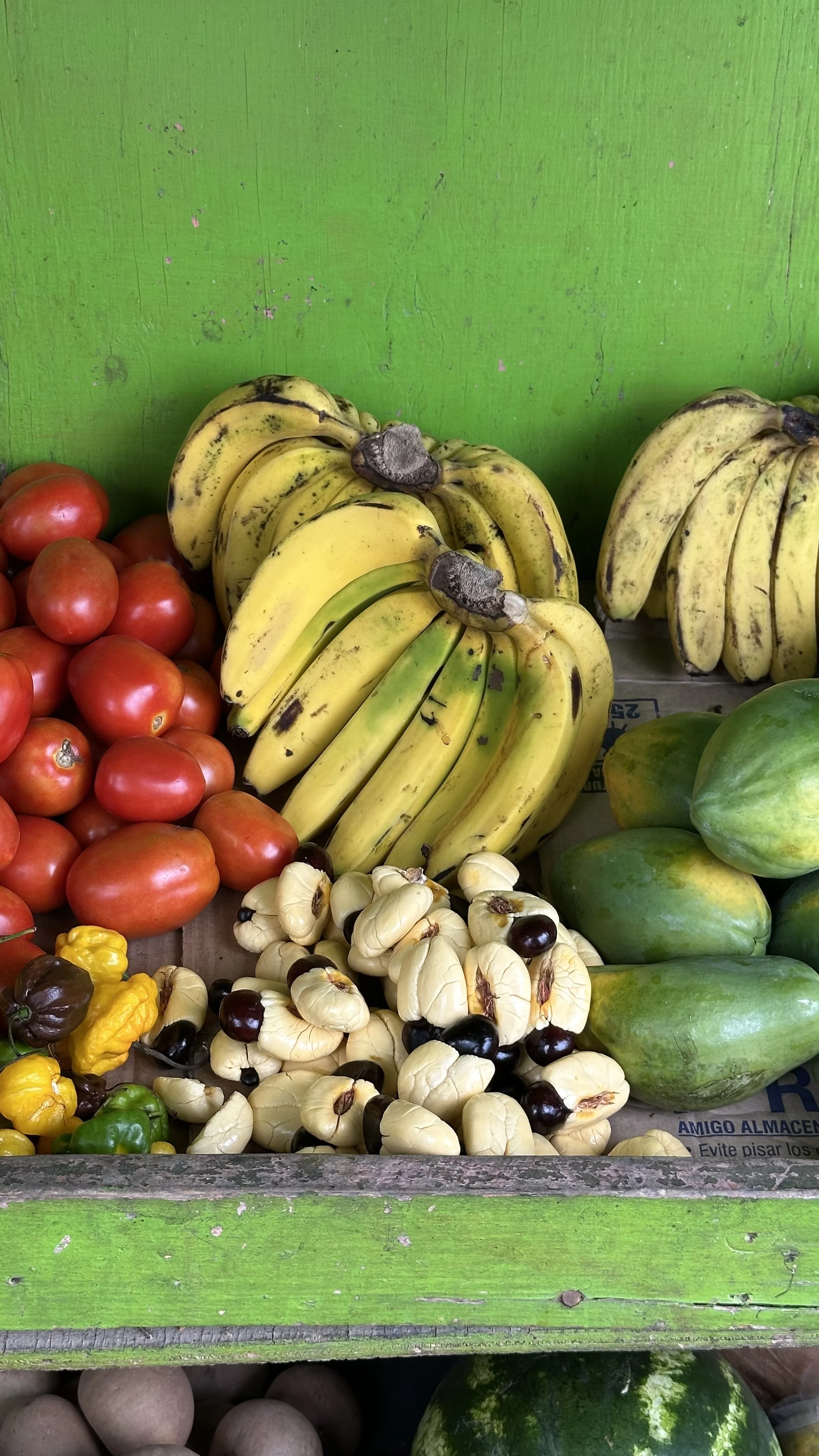
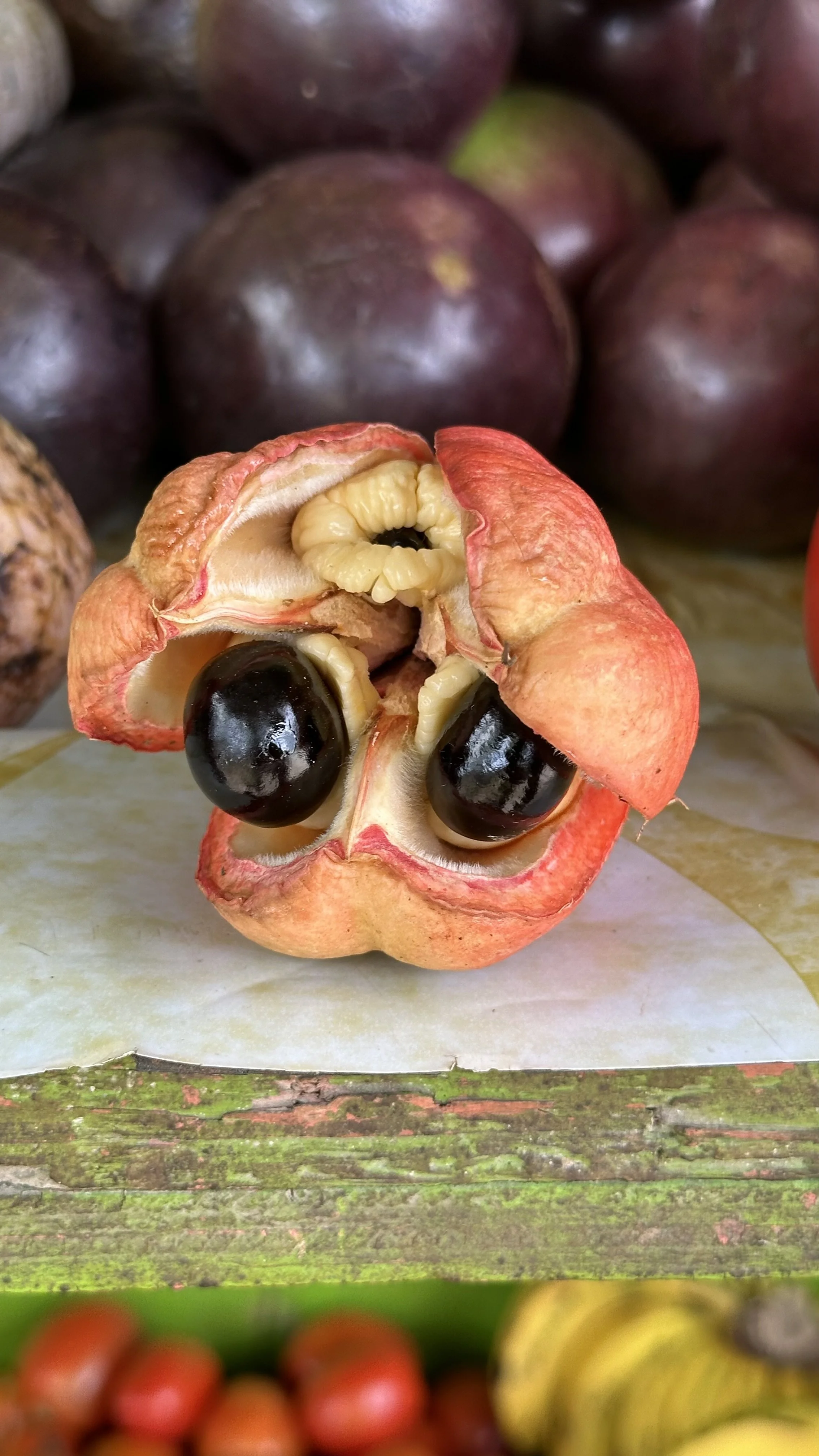
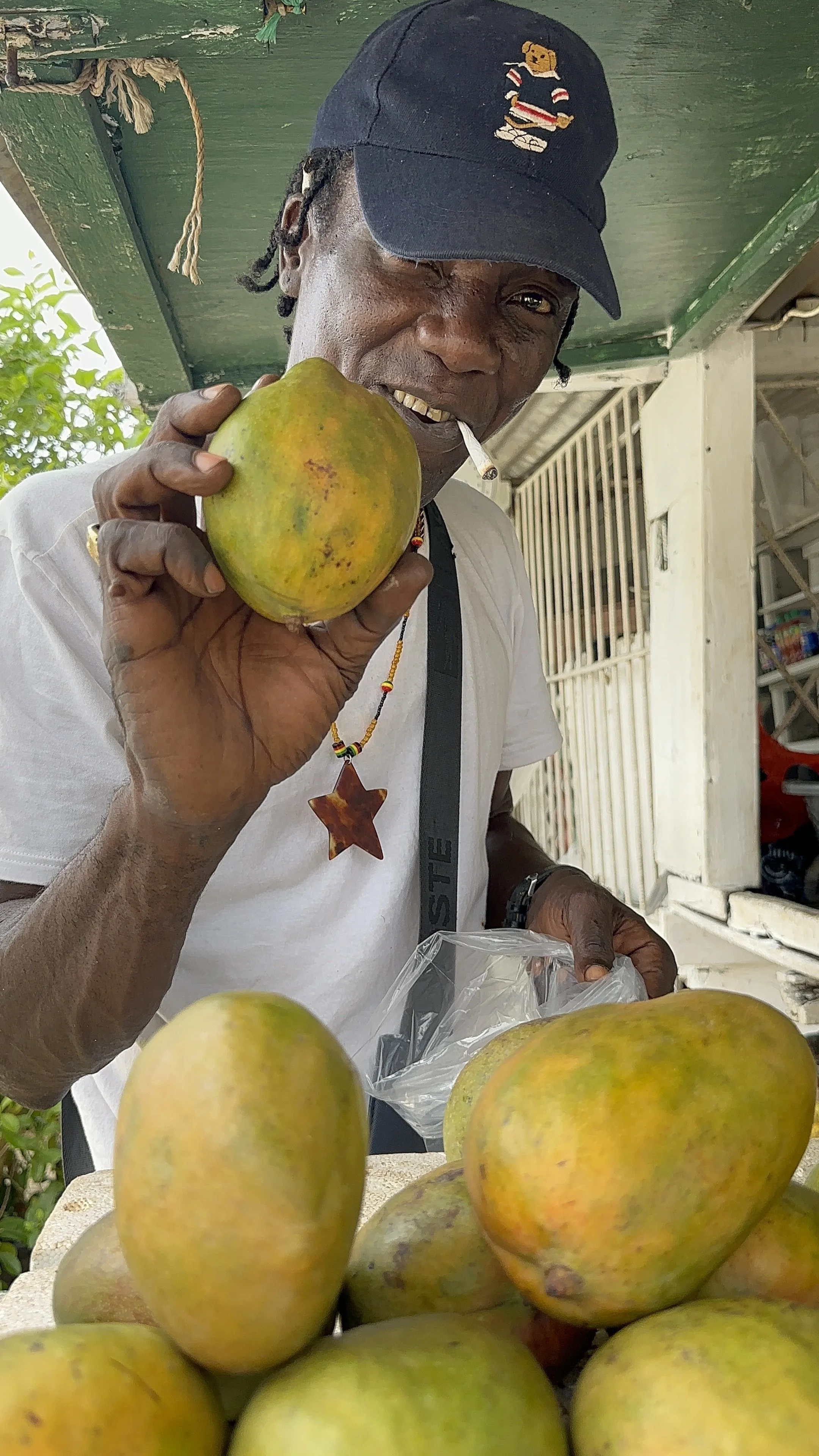
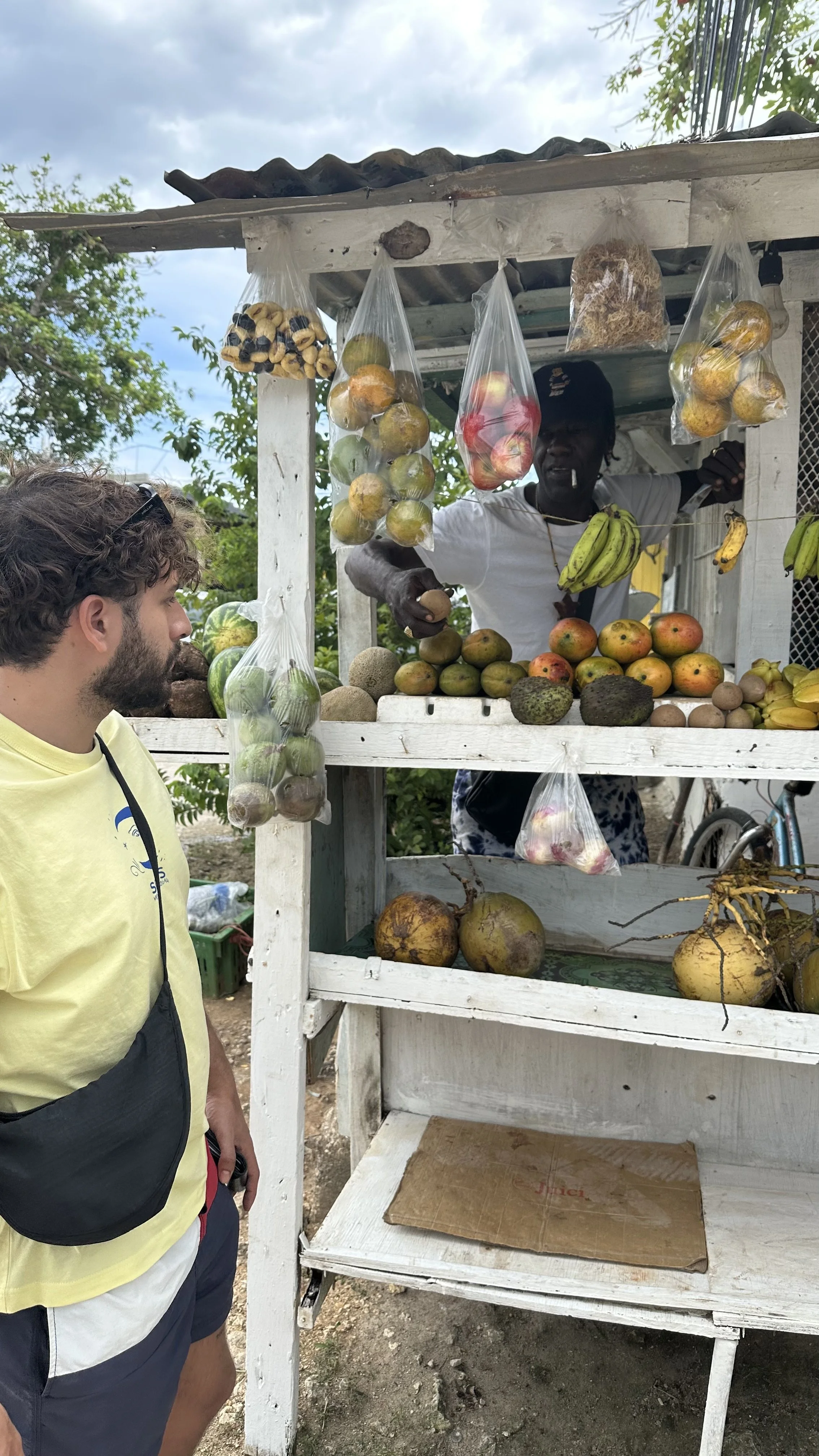
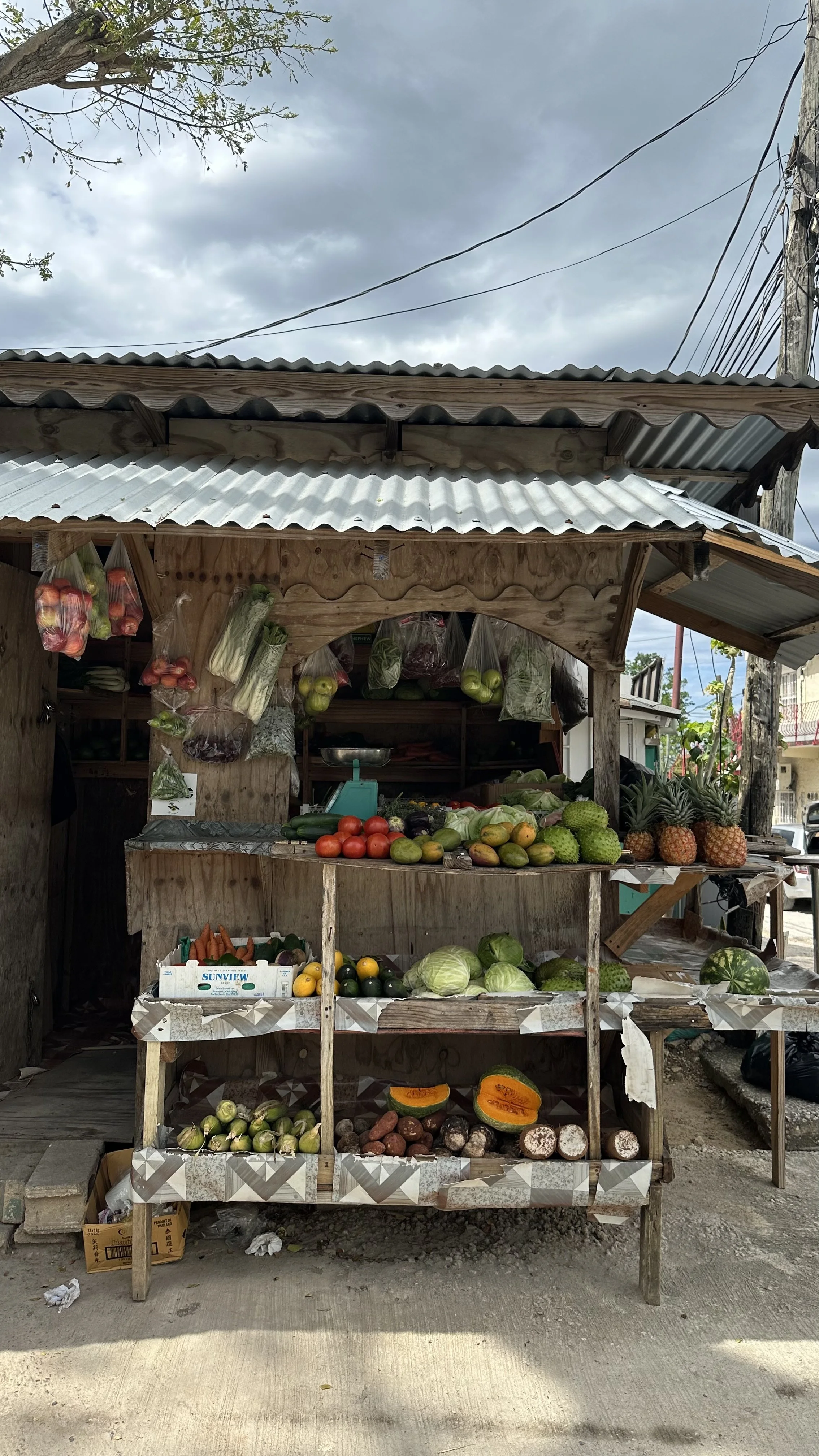
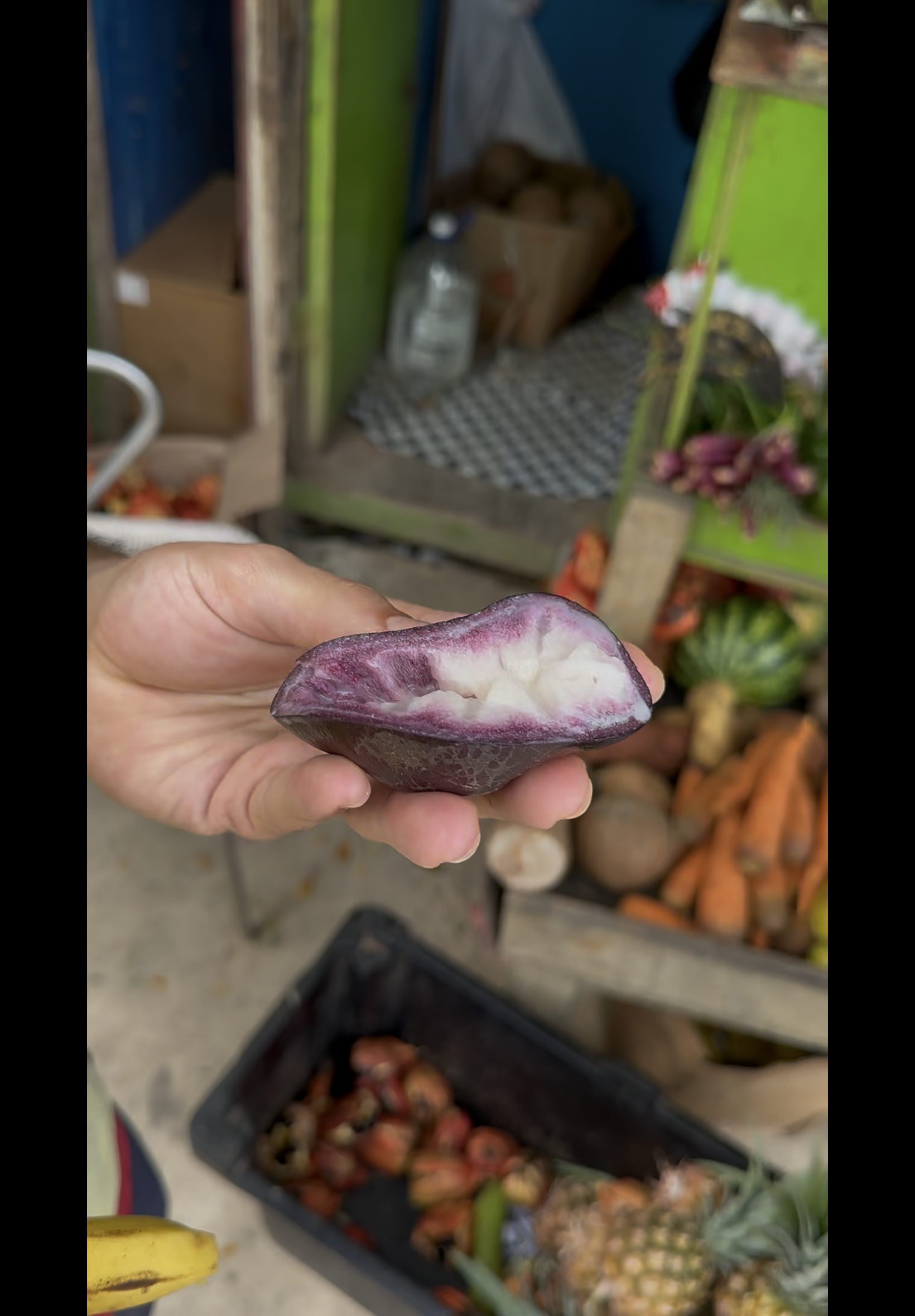
Make a quick stop at the farmers’ market in Negril, a bit hidden but honestly where we had some of the best fruit on the island. You can eat everything right there on the spot, and they have some really unique fruits to try—like star apple, a purple fruit you basically squeeze and eat, super sweet, small local bananas that are incredibly good, amazing mango, and also ackee, their typical fruit (only eaten cooked), which ends up looking and tasting a bit like scrambled eggs. They also have naseberry, super sweet and soft—definitely a place to try all the local flavors.
Sunset at Rick’s Cafe
On this side of the island, you get to see the sunset, and one of the most popular spots is Rick’s Café in Negril. That said, it really depends on the weather—Jamaica can be quite cloudy, so the sunset isn’t always guaranteed. This is where both locals (but mostly tourists) go to watch it. It’s honestly not one of my favorite places, because it feels very touristy, and you know I’m not really into that kind of vibe. Still, it’s a nice setting, so if you feel like having a drink with a view, it’s worth mentioning.
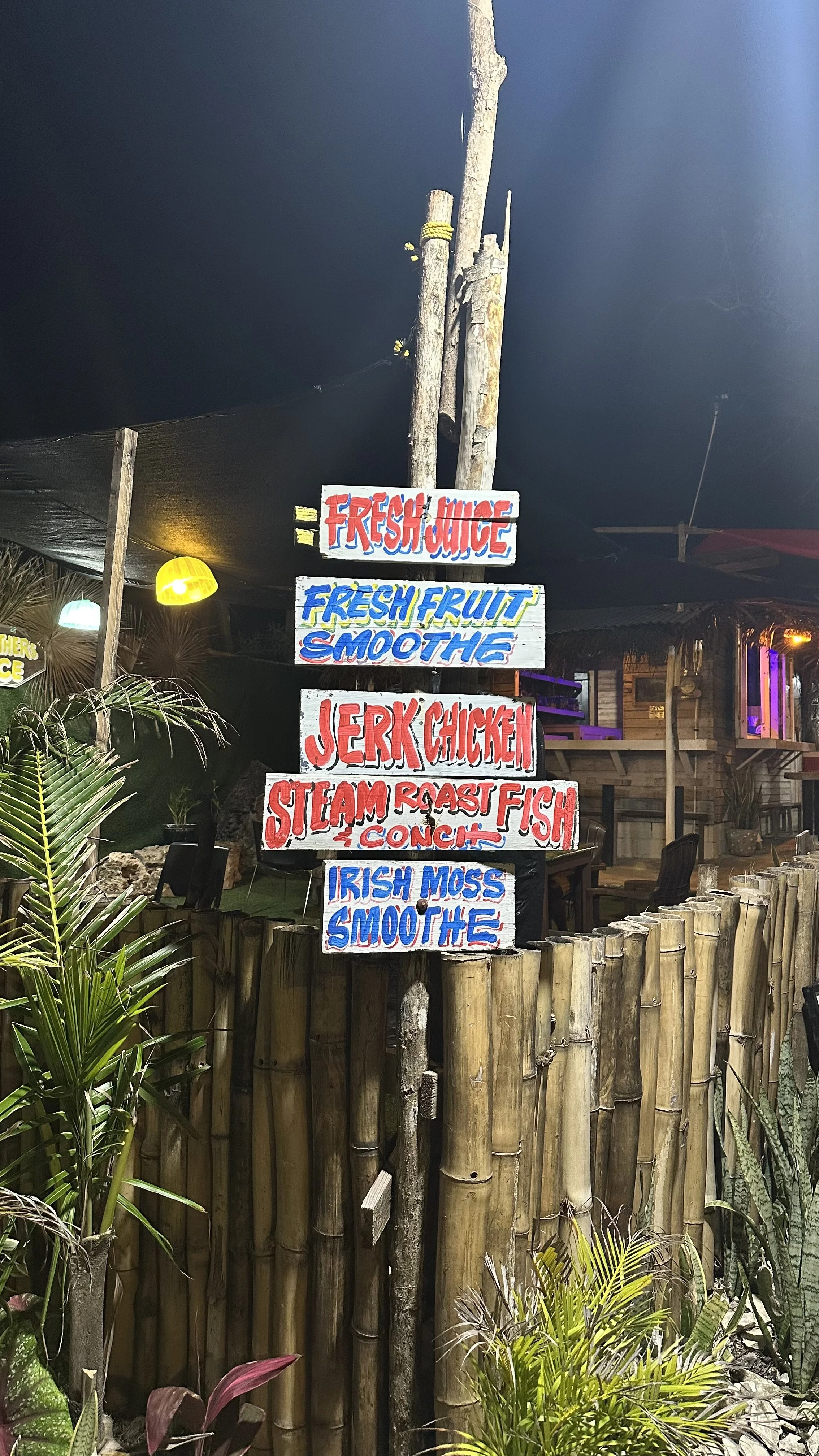
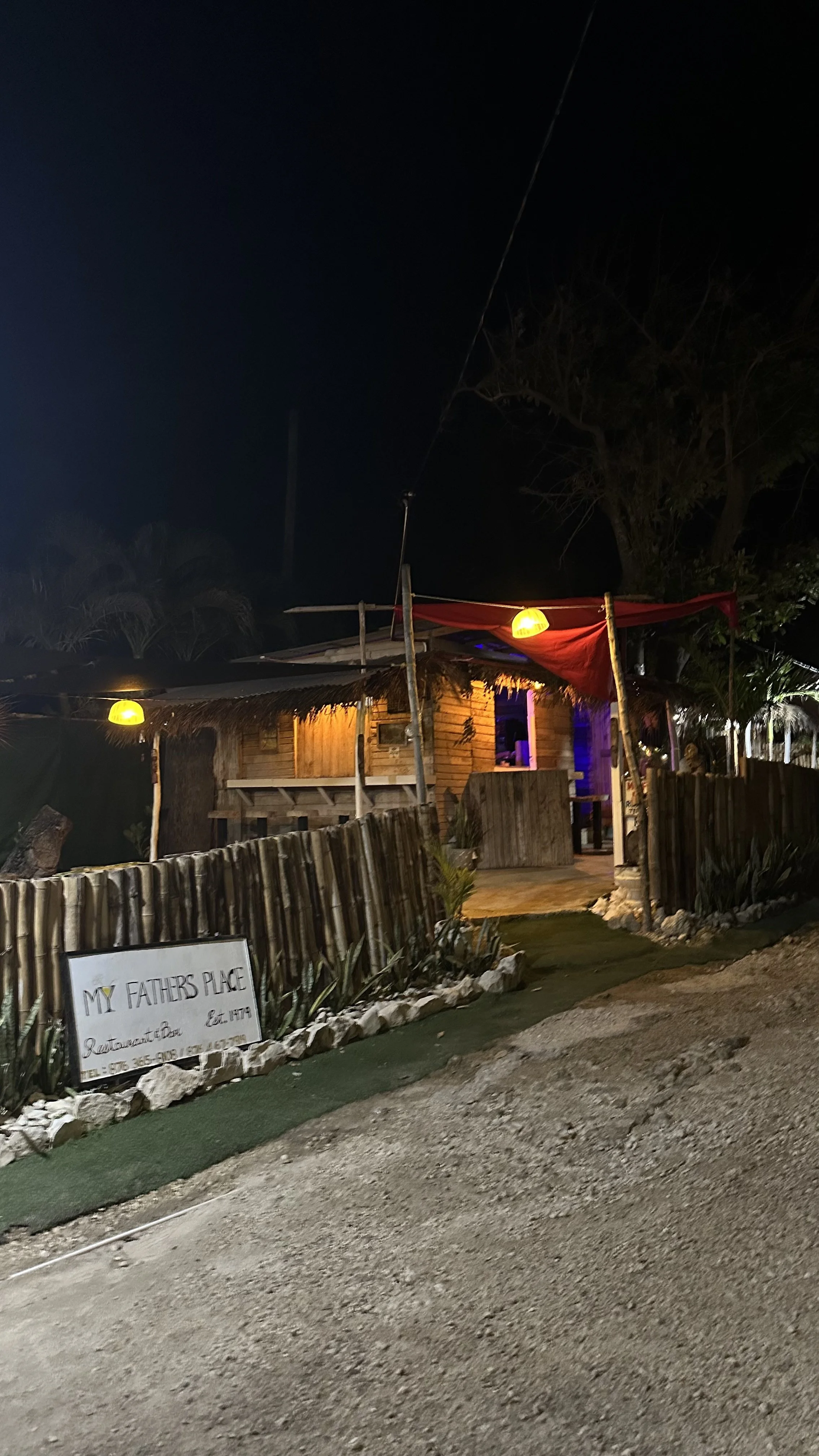
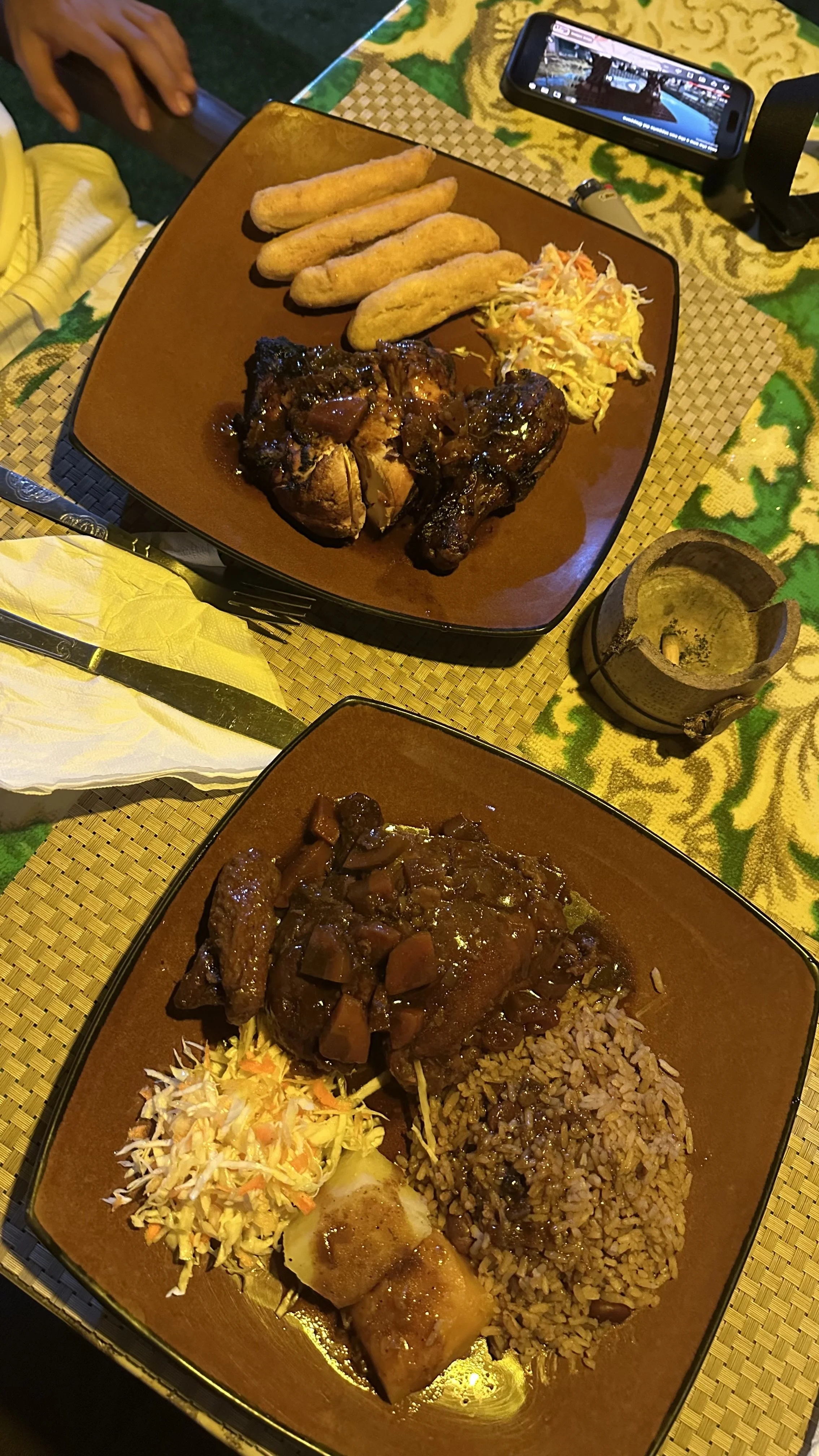
Dinner at the family restaurant My Father’s Place
After sunset, you can go for dinner at My Father’s Place, a very local spot in Negril run by a family we met there. They’re quite well known in the area and have been there for generations, with their restaurant, houses, and bars all part of the same family environment. It’s a simple place, not aesthetic at all—but that’s exactly the point. The most authentic places here are never really aesthetic, but they feel real. You can truly sense the family vibe, and the food is local and very good. Just keep in mind that most places close quite early, around 9:30pm.
Day 11
Cockpit Country Mountains
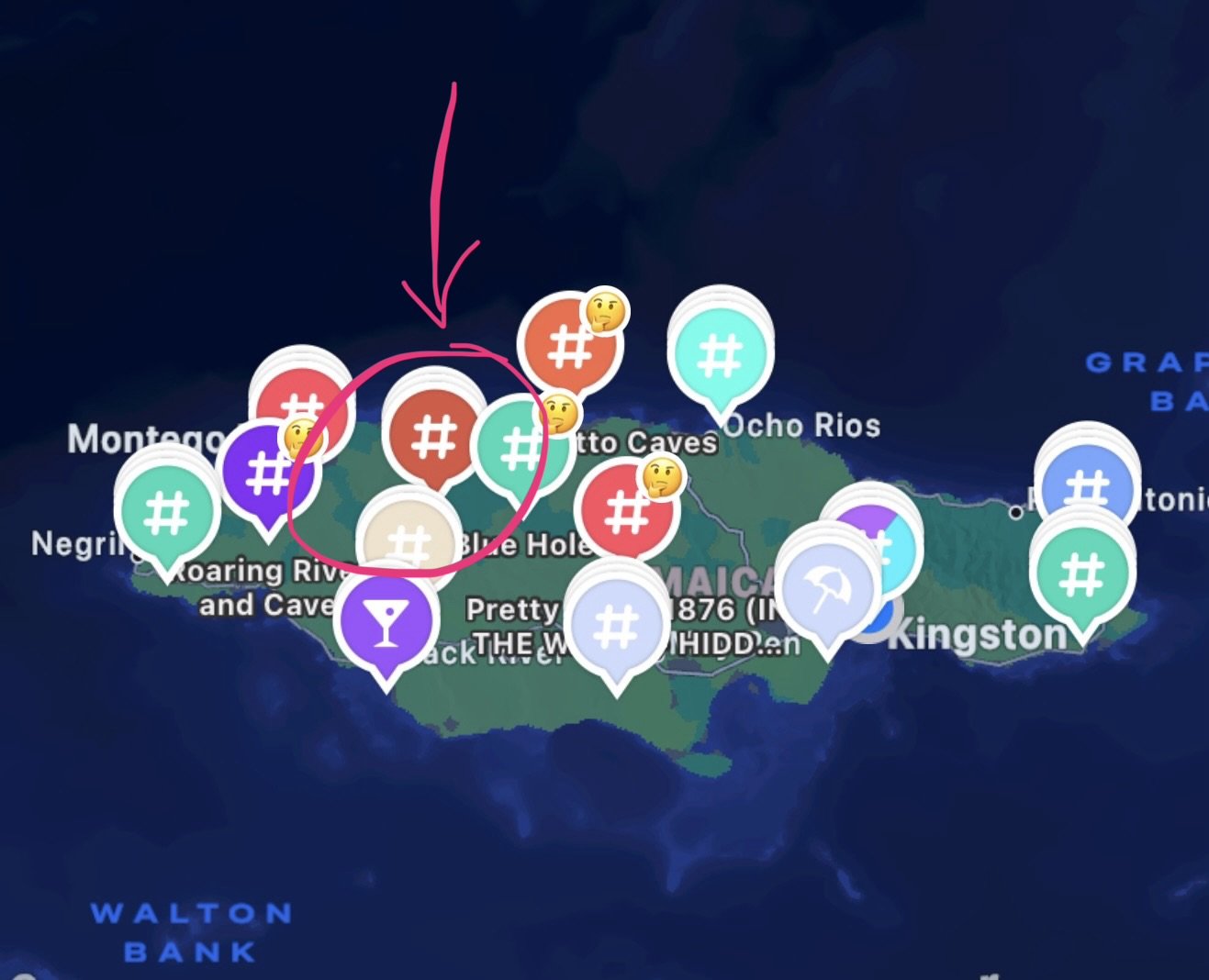
If you wish to find my map pins and easily follow them, follow me on mapstr!
Skip Saint Elizabeth & Black River
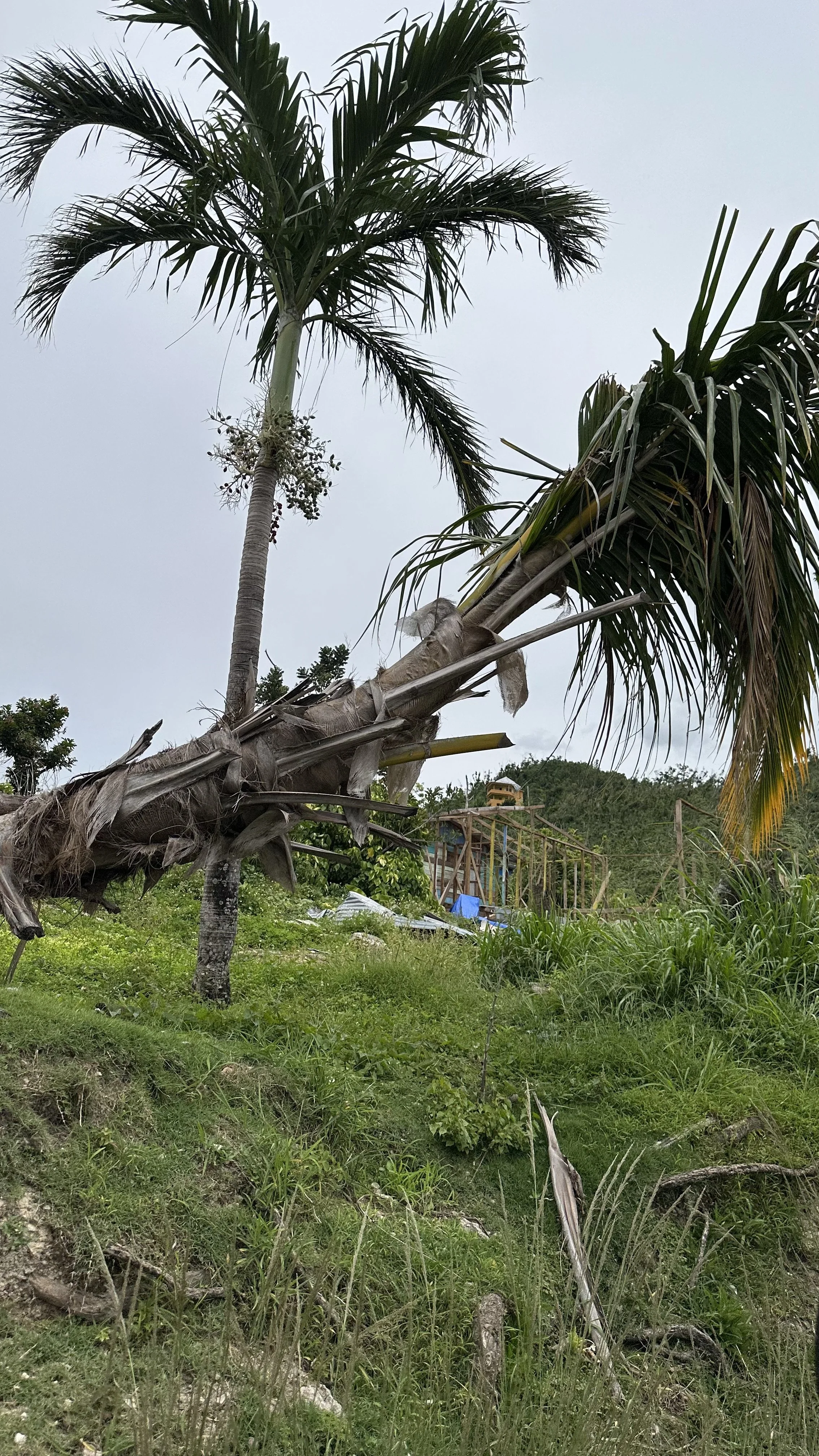
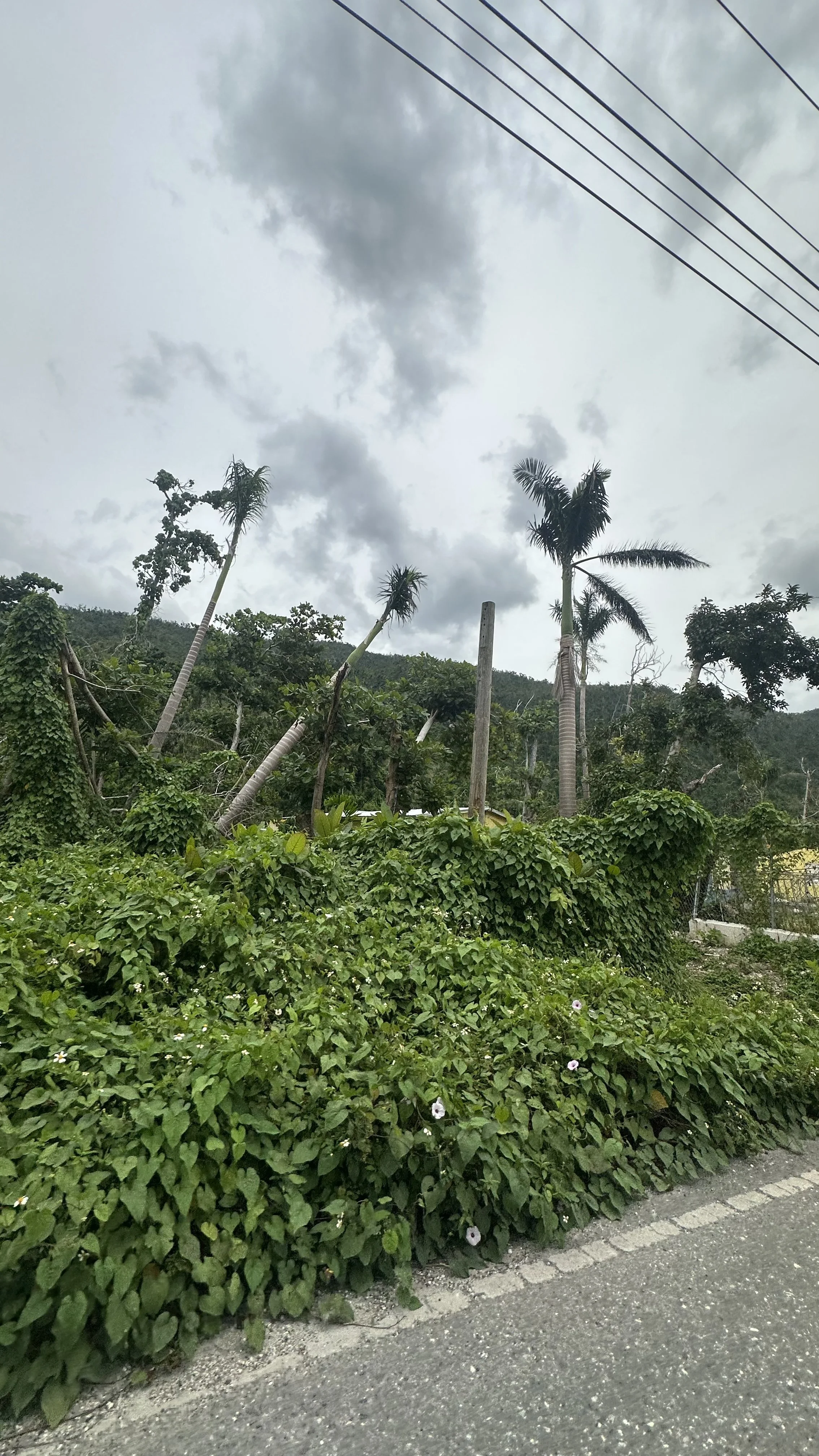
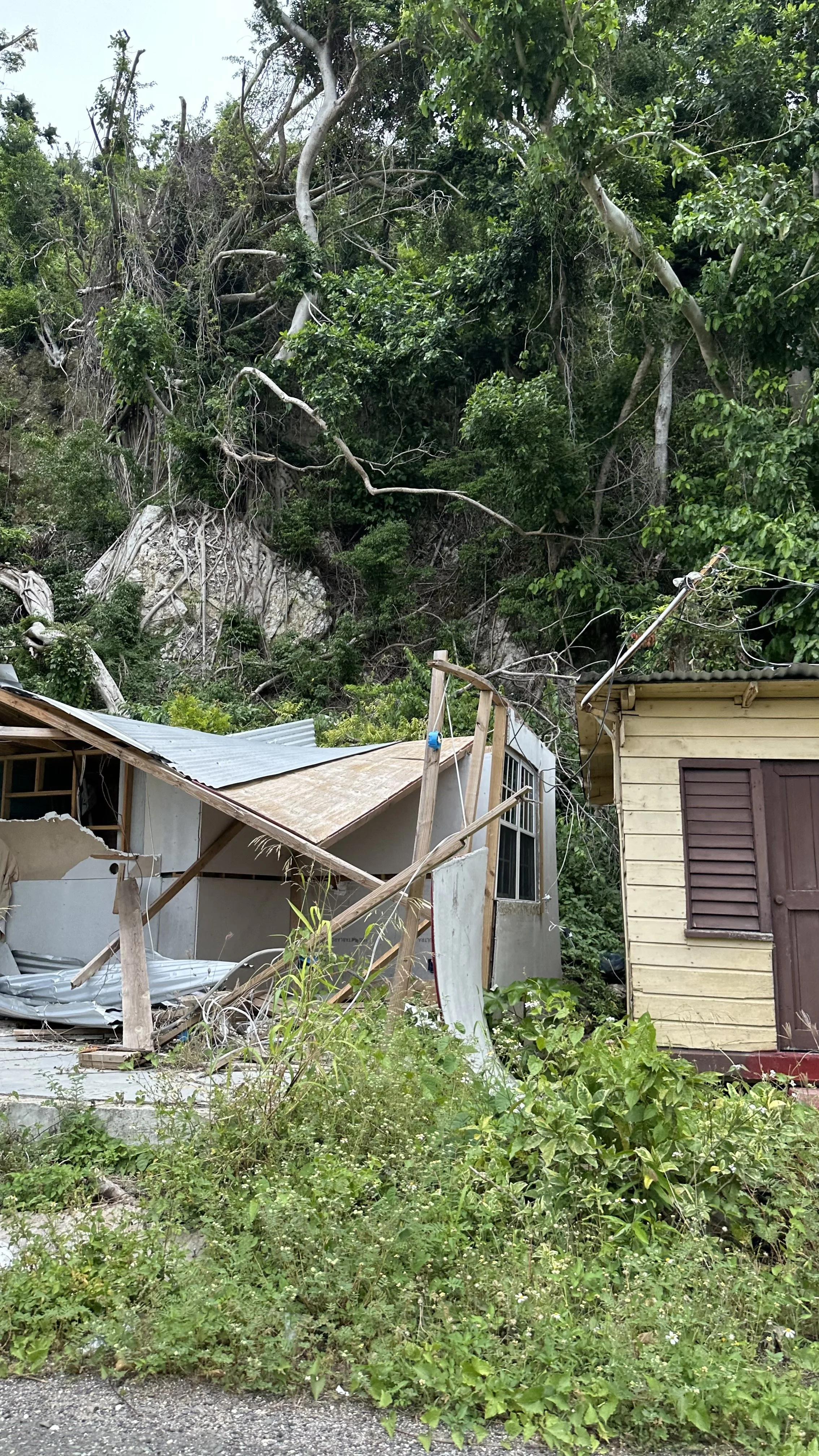
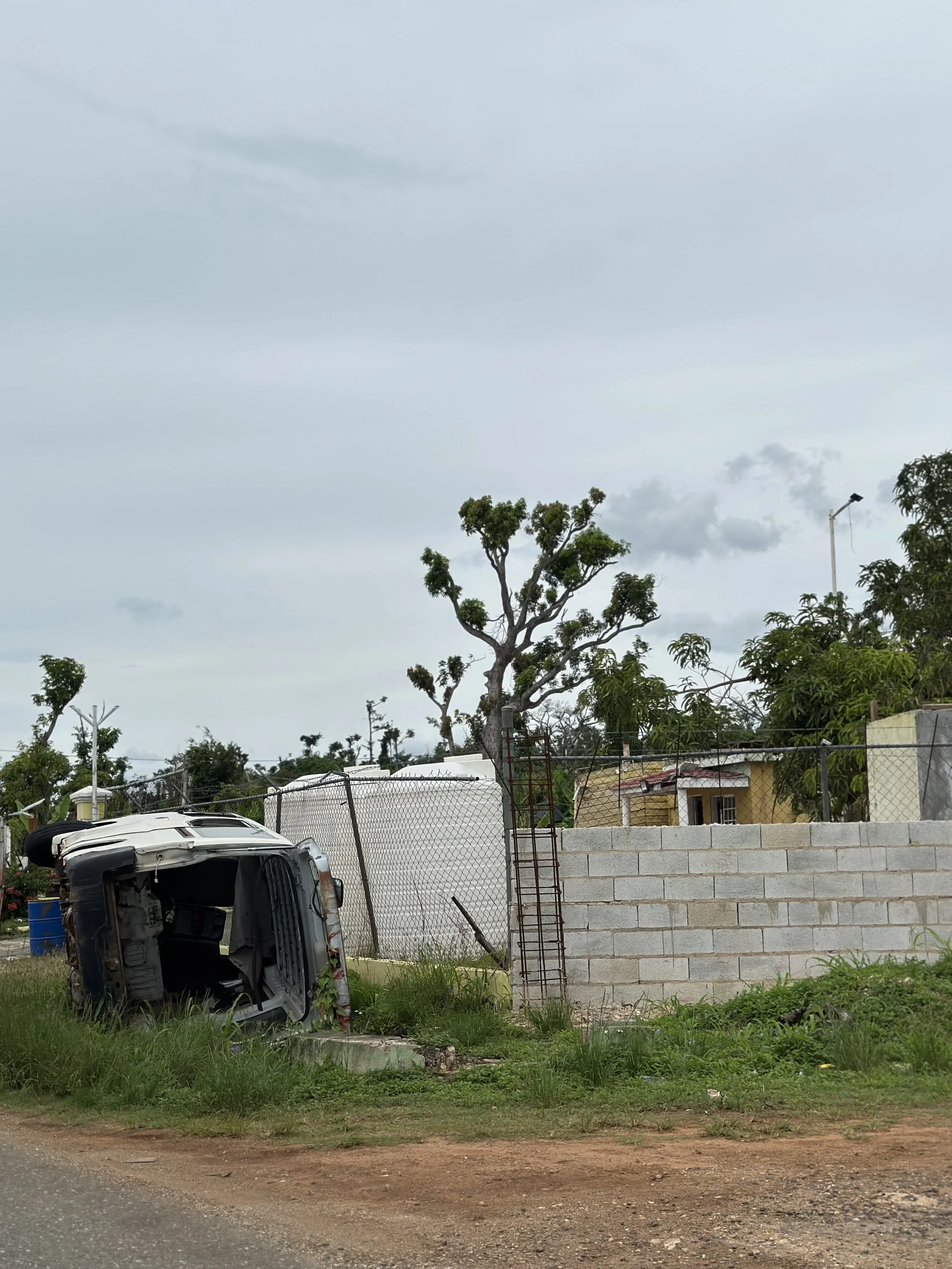
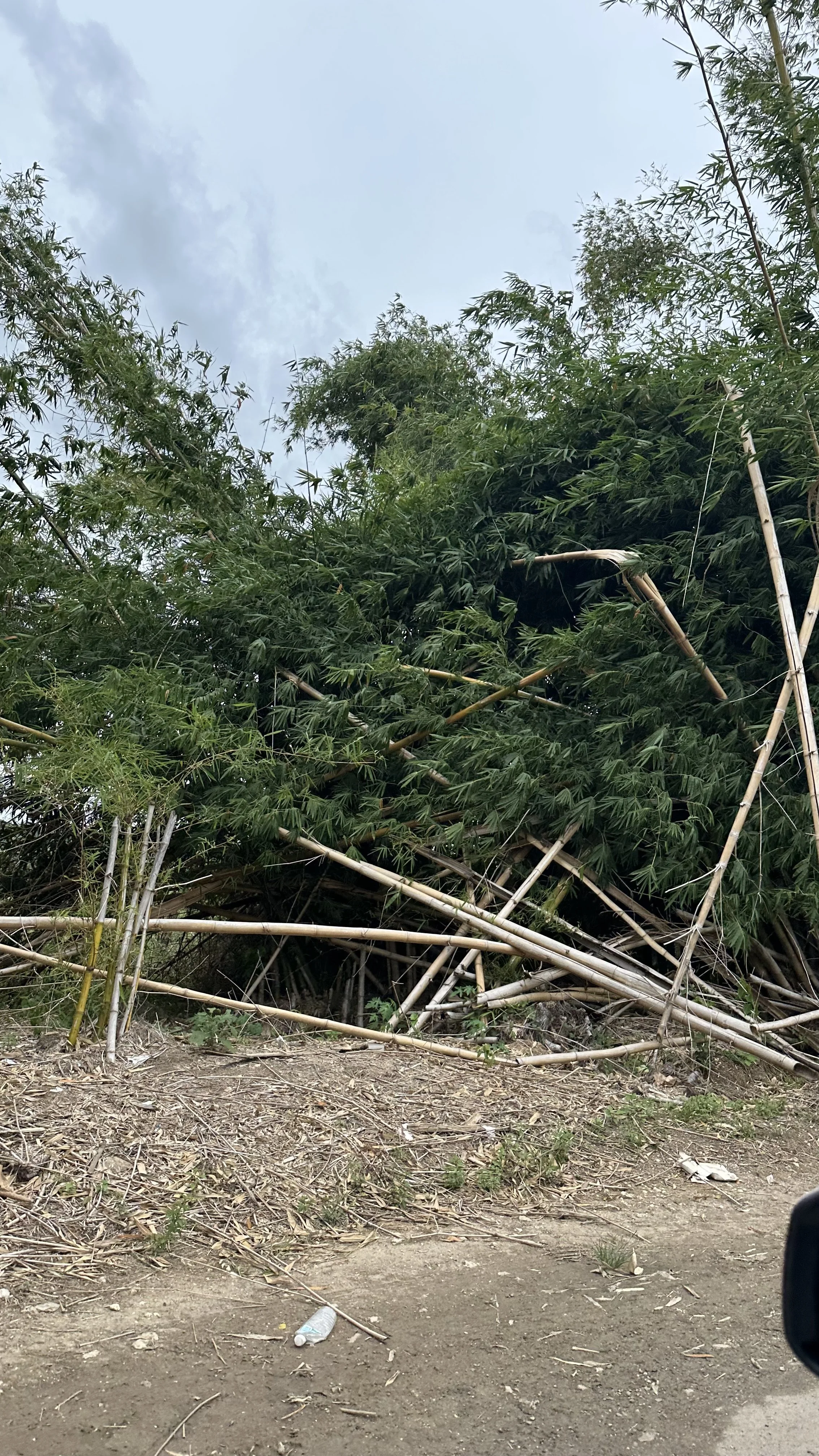
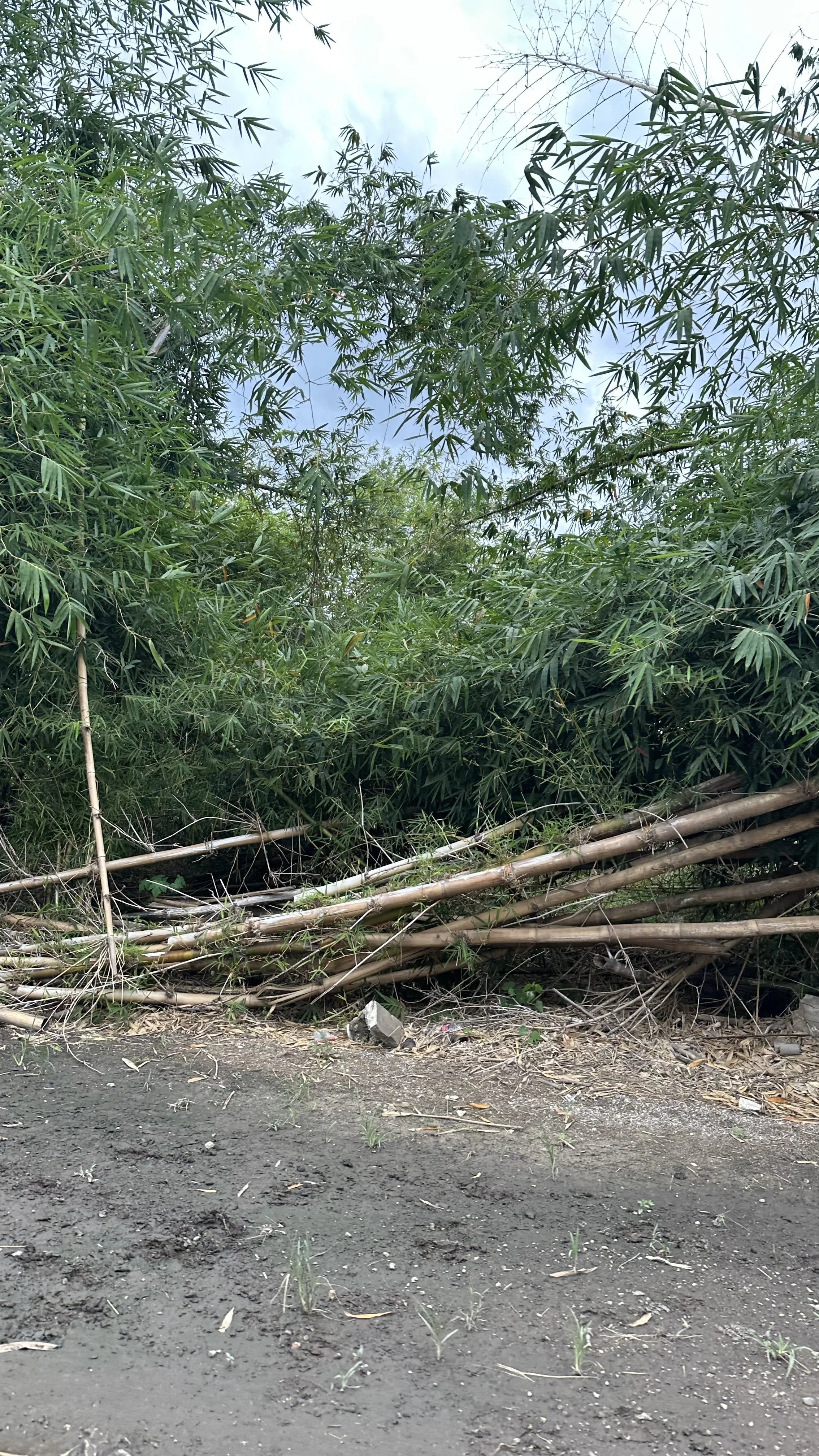
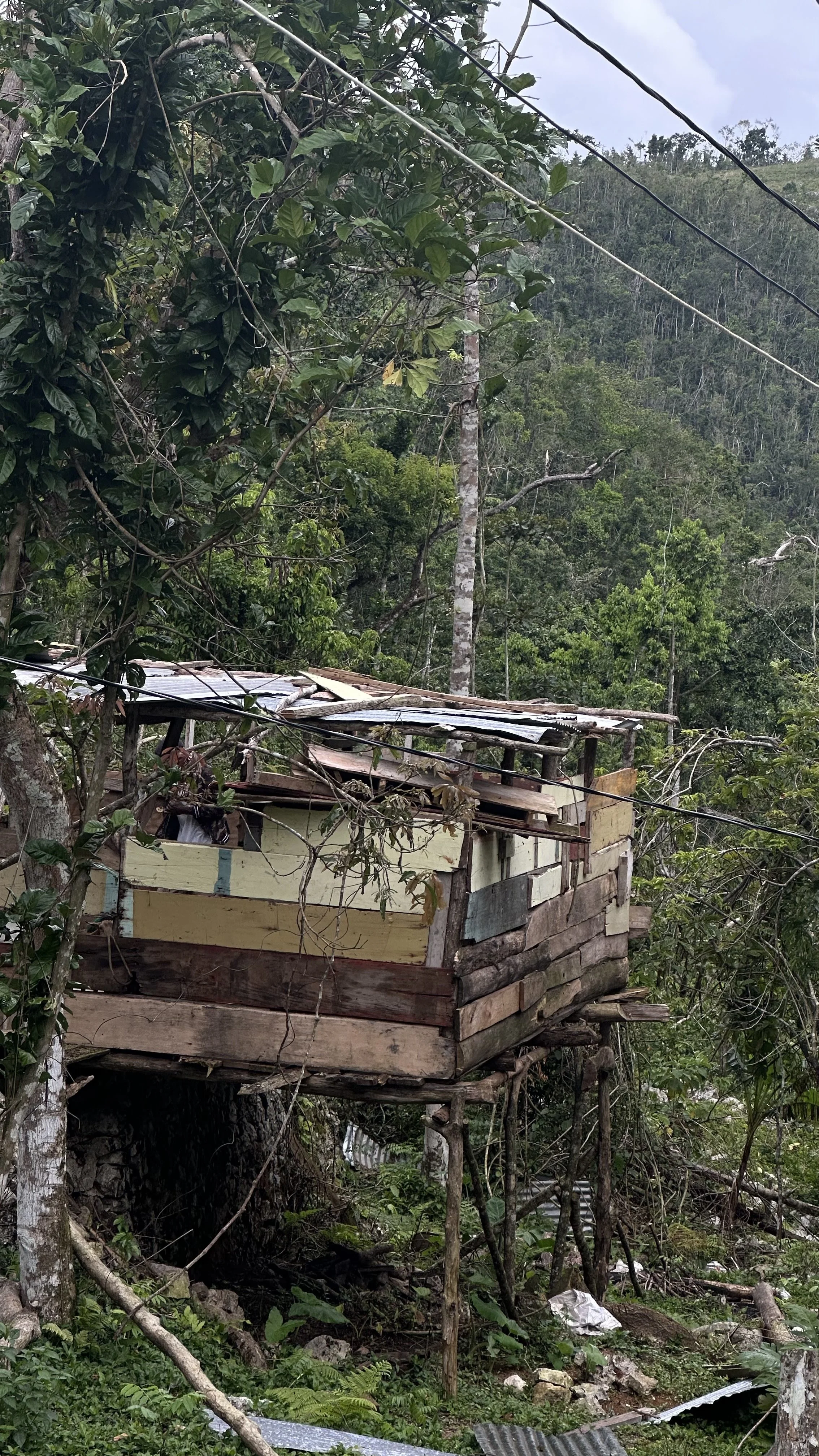
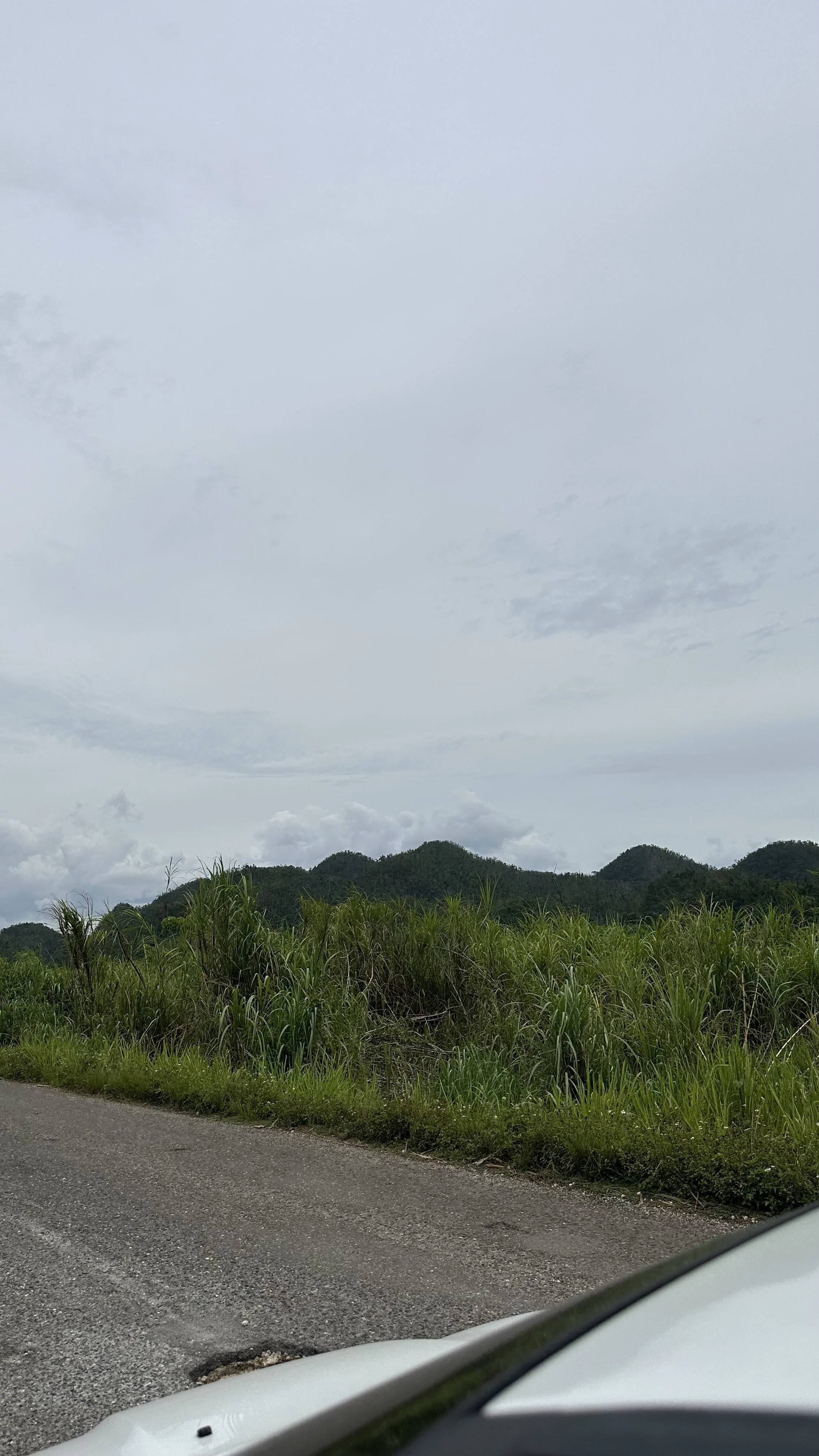
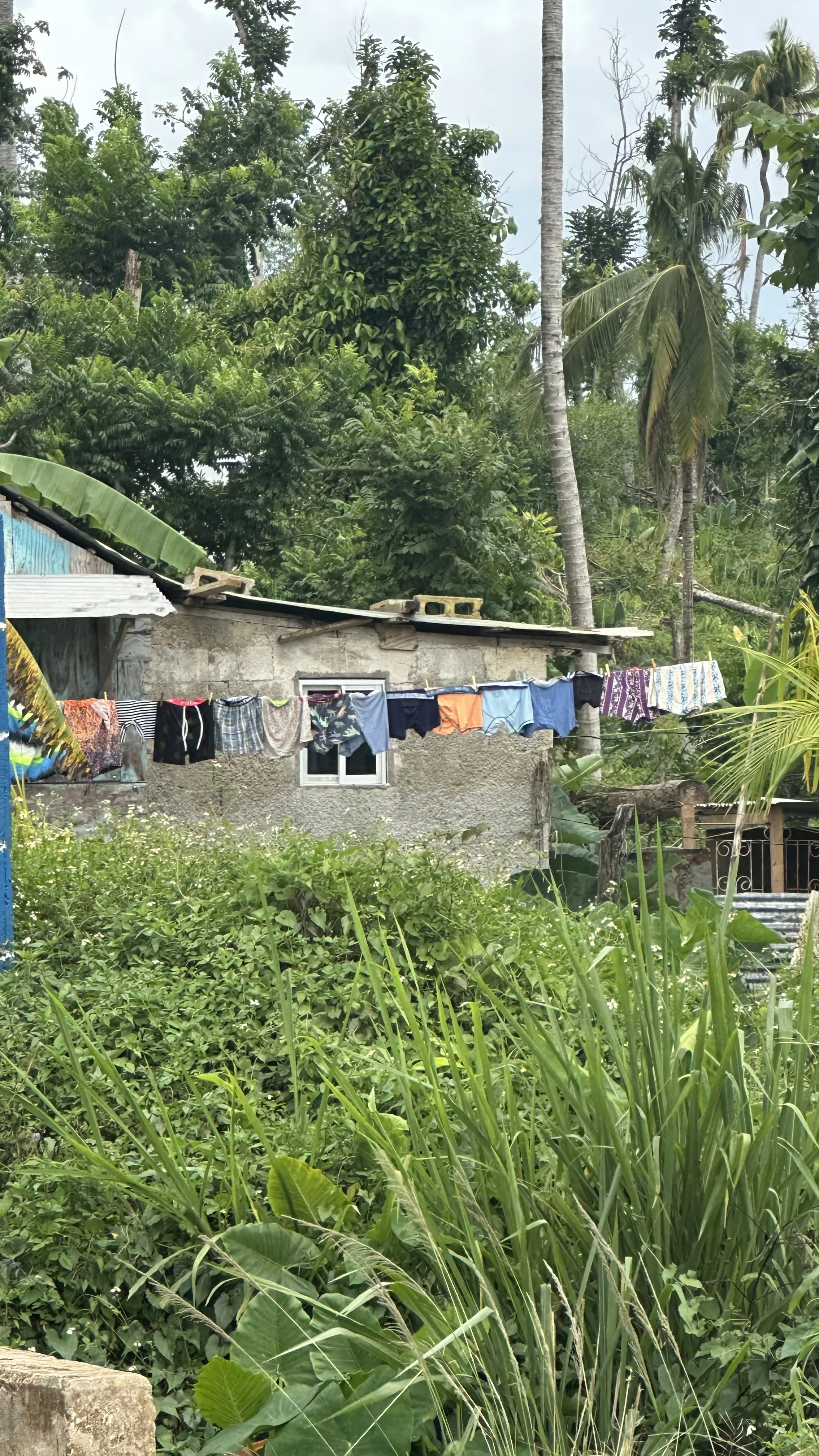
Originally, the trip was meant to continue through the St. Elizabeth area, including places like Black River, Bamboo Avenue, and the YS Falls, which are all supposed to be beautiful and worth visiting. Unfortunately, this was the area most affected by the hurricane. We still drove through it, but almost nothing you see in pre-hurricane travel guides is really there anymore. When I visited, about three months after, they were still rebuilding everything from scratch. It was honestly quite sad to see, but at the same time it really shows the power of the hurricane and the impact it had on local communities. I’ll leave some photos here so you can get a sense of it.
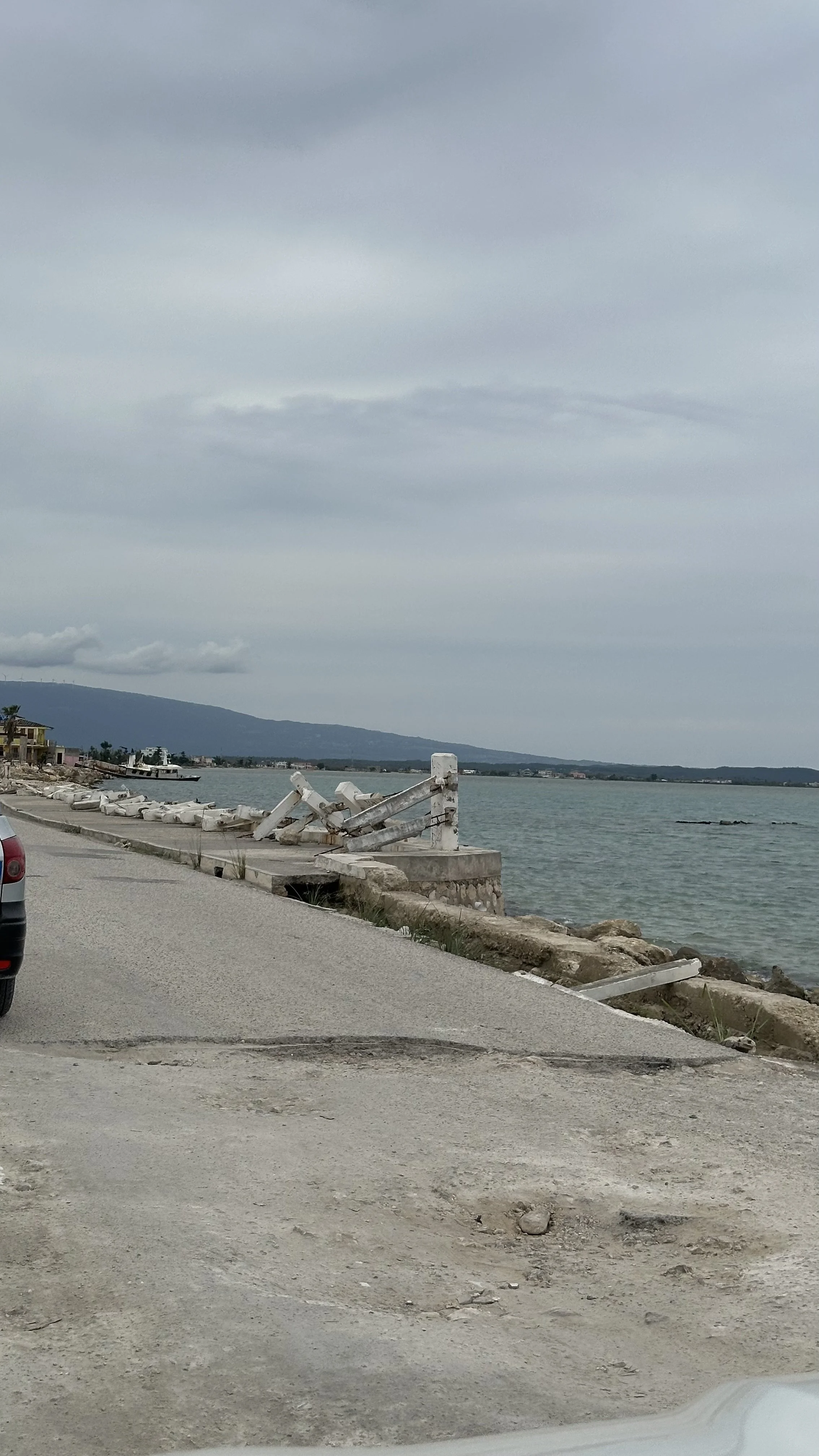
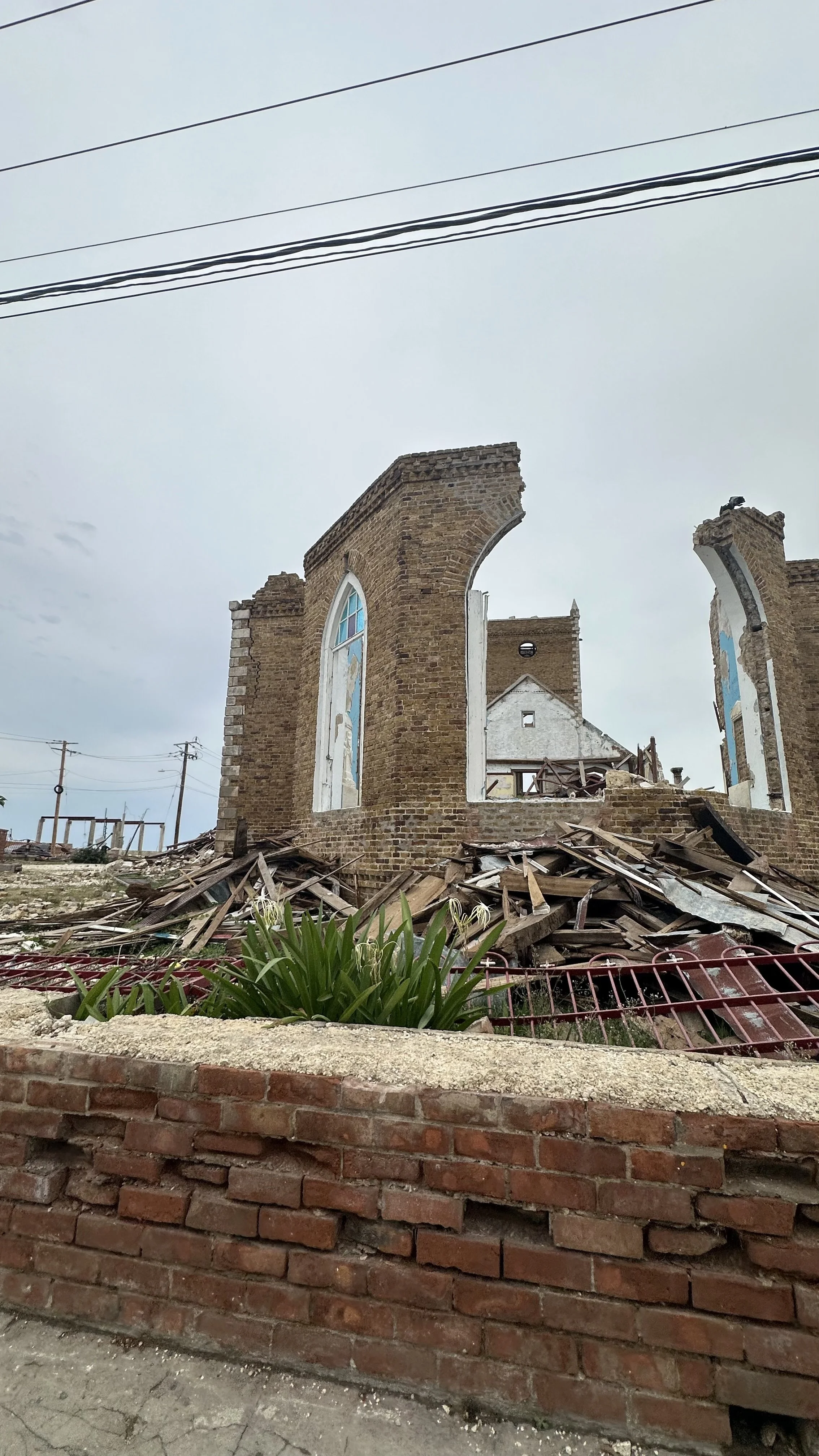
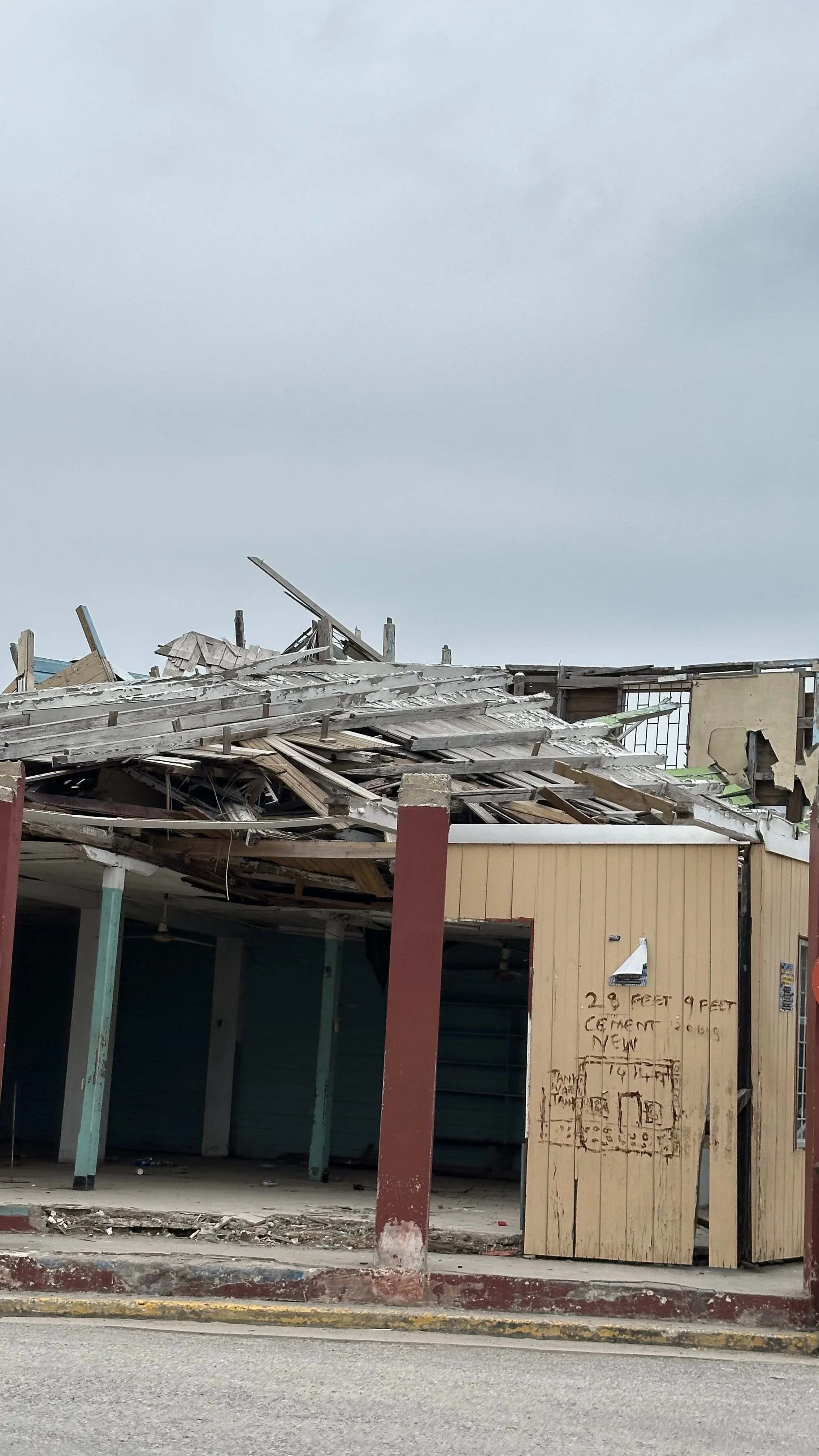
Cockpit Country: Maroon community, Farms and hiking
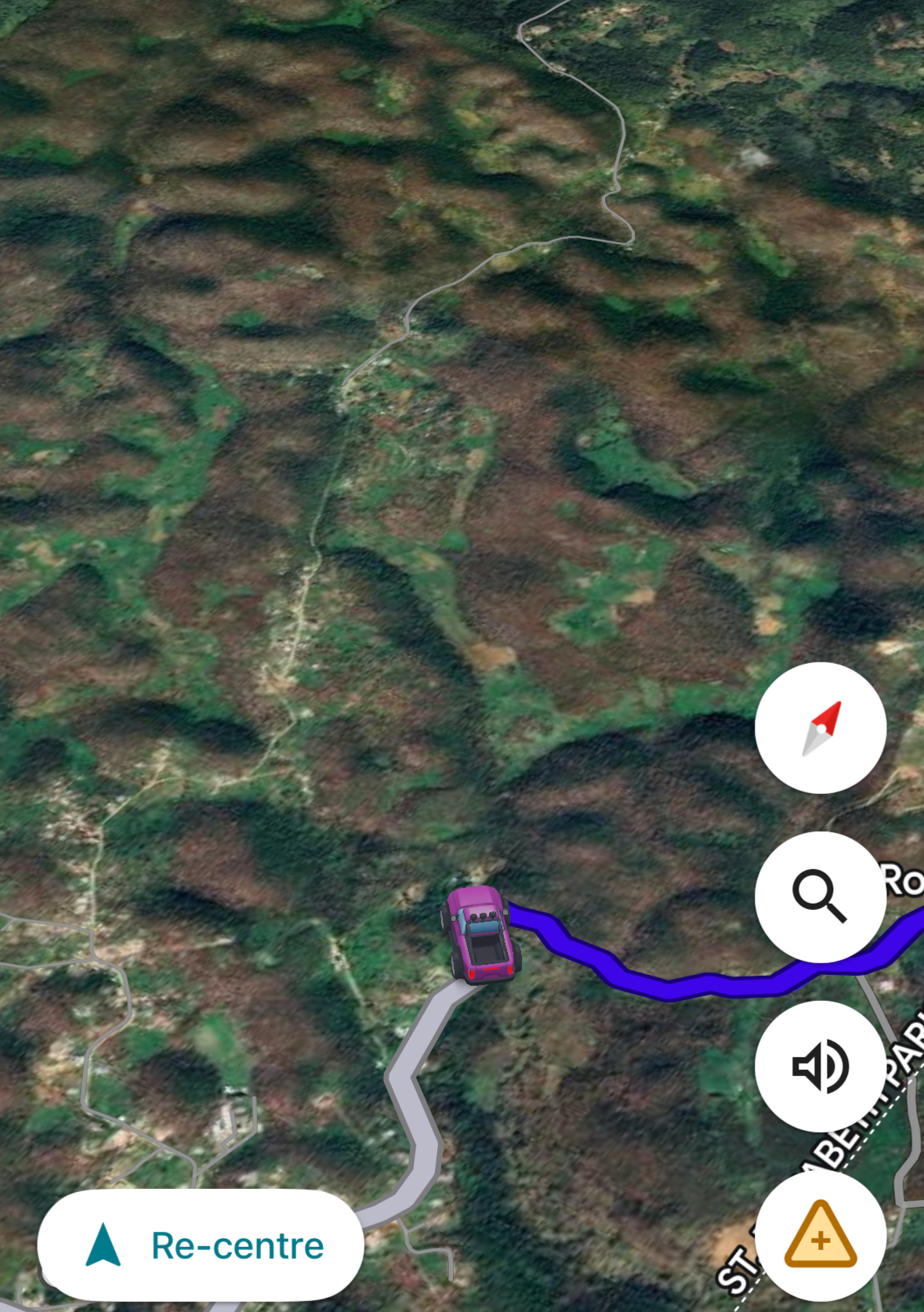
An extra day you could dedicate to exploring the Cockpit Country, one of the wildest and most unique areas of Jamaica. It’s a place where you can go on hikes, visit local farms, and even meet real Maroon communities that still live here in the mountains.
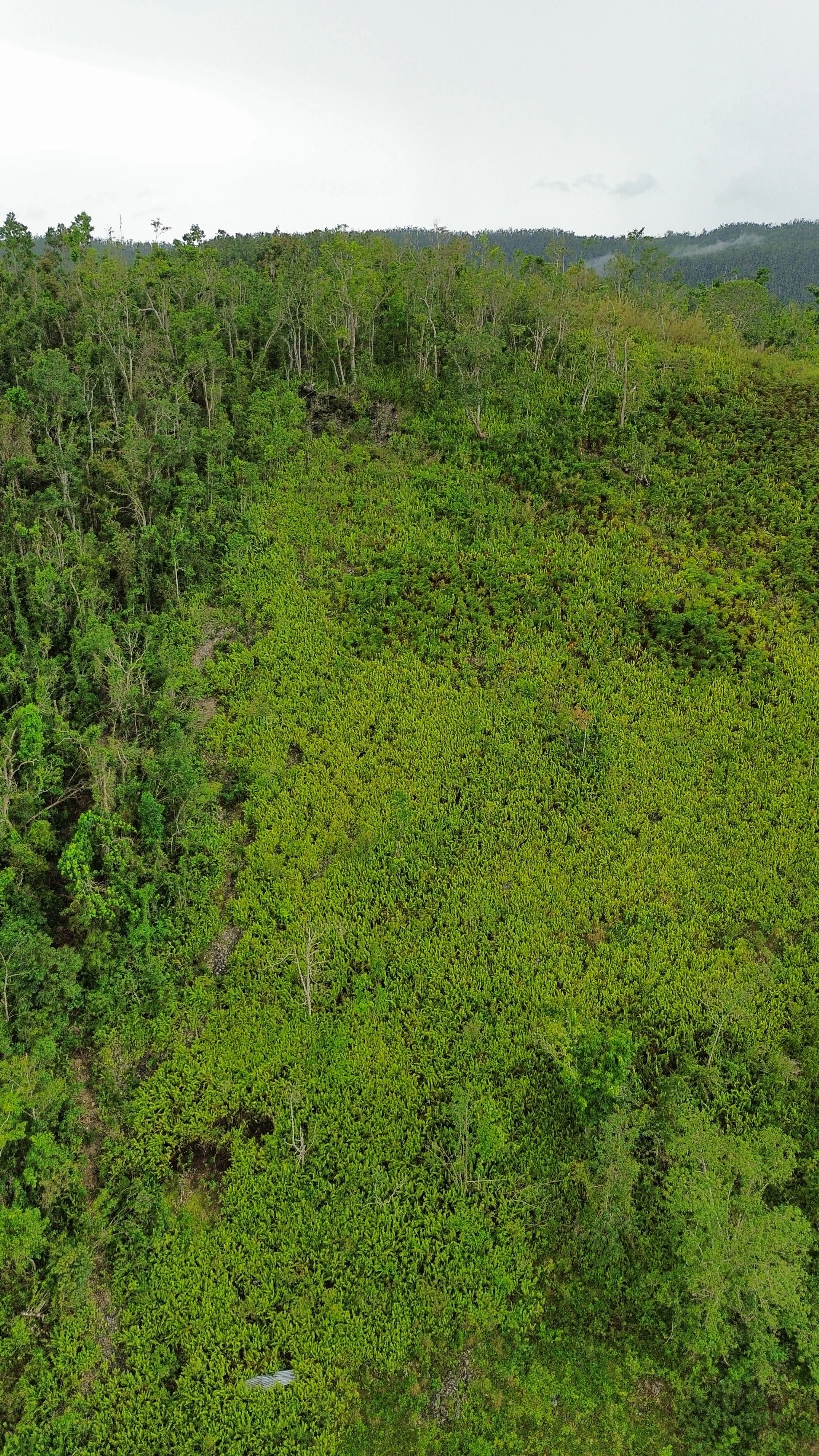
What makes this area so special is its landscape—it’s completely different from anything you usually imagine. The mountains have this very unusual shape, made of hundreds of small rounded, cone-like hills with deep valleys in between, almost like an upside-down egg carton. From above, it looks surreal, almost artificial, but it’s entirely natural, formed over millions of years through the erosion of limestone. We were lucky enough to see it from above with our drone, which makes it even more impressive, but there are also viewpoints where you can get a sense of this unique shape from the ground.
Day 12
South West of the island (Saint Thomas Parish)
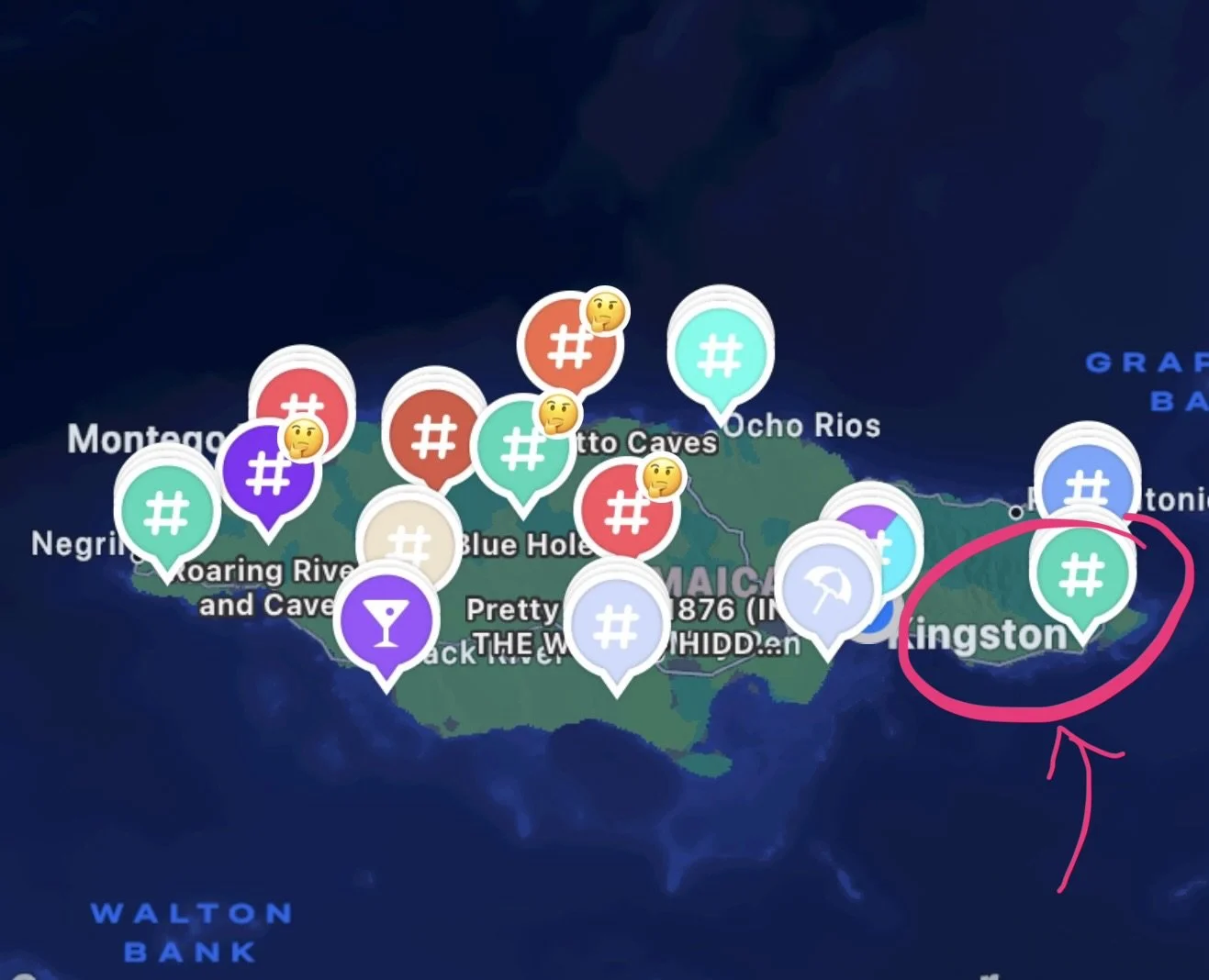
If you wish to find my map pins and easily follow them, follow me on mapstr!
At this point, I headed back to Kingston and flew back to Italy. But if you have more time and want to continue the trip, you could explore the south-east side of the island, which is much less visited and still very wild. Some spots worth considering are
Reggae Falls,
Dam Head at Spanish River,
Bath Fountains—where locals even give you massages directly in the river, which is definitely something to try—
and Reach Falls, one of the most beautiful waterfalls on the island.